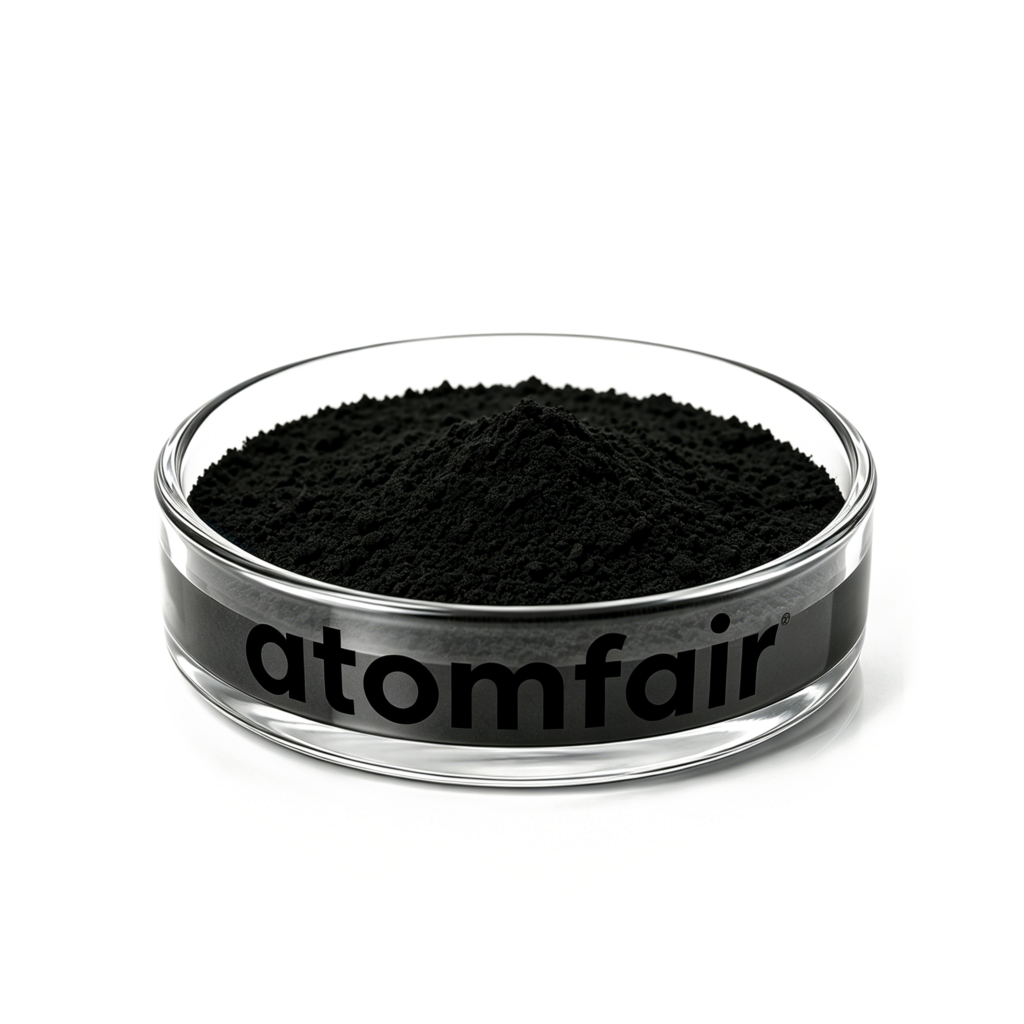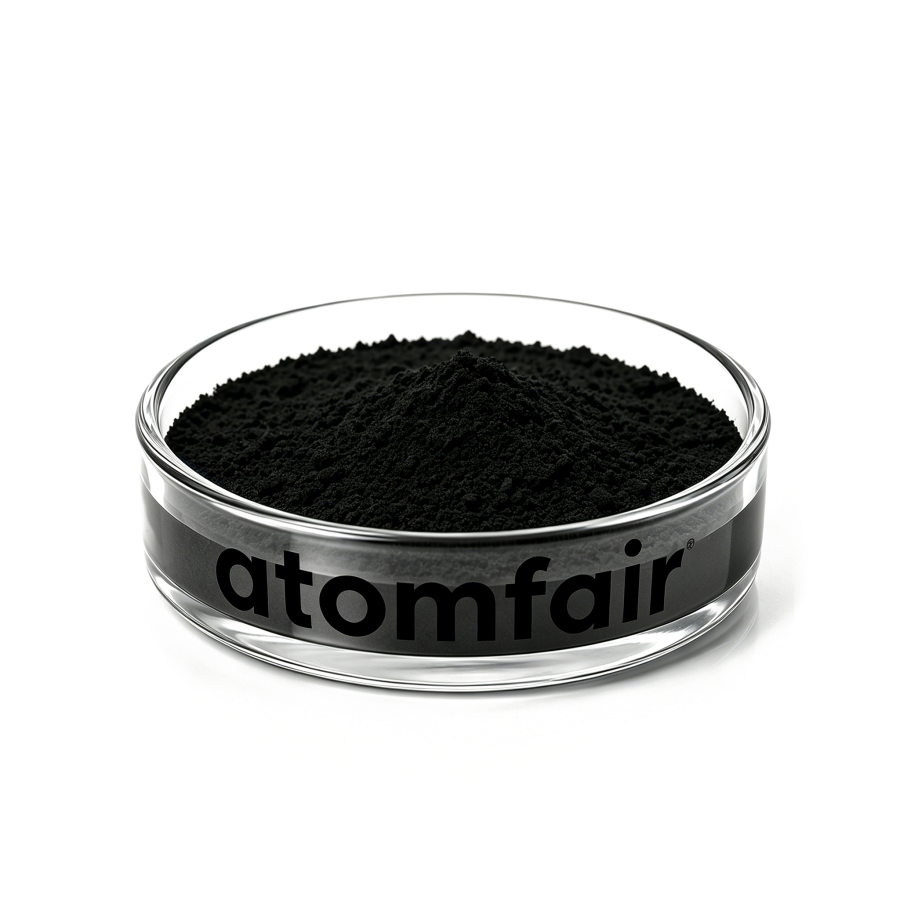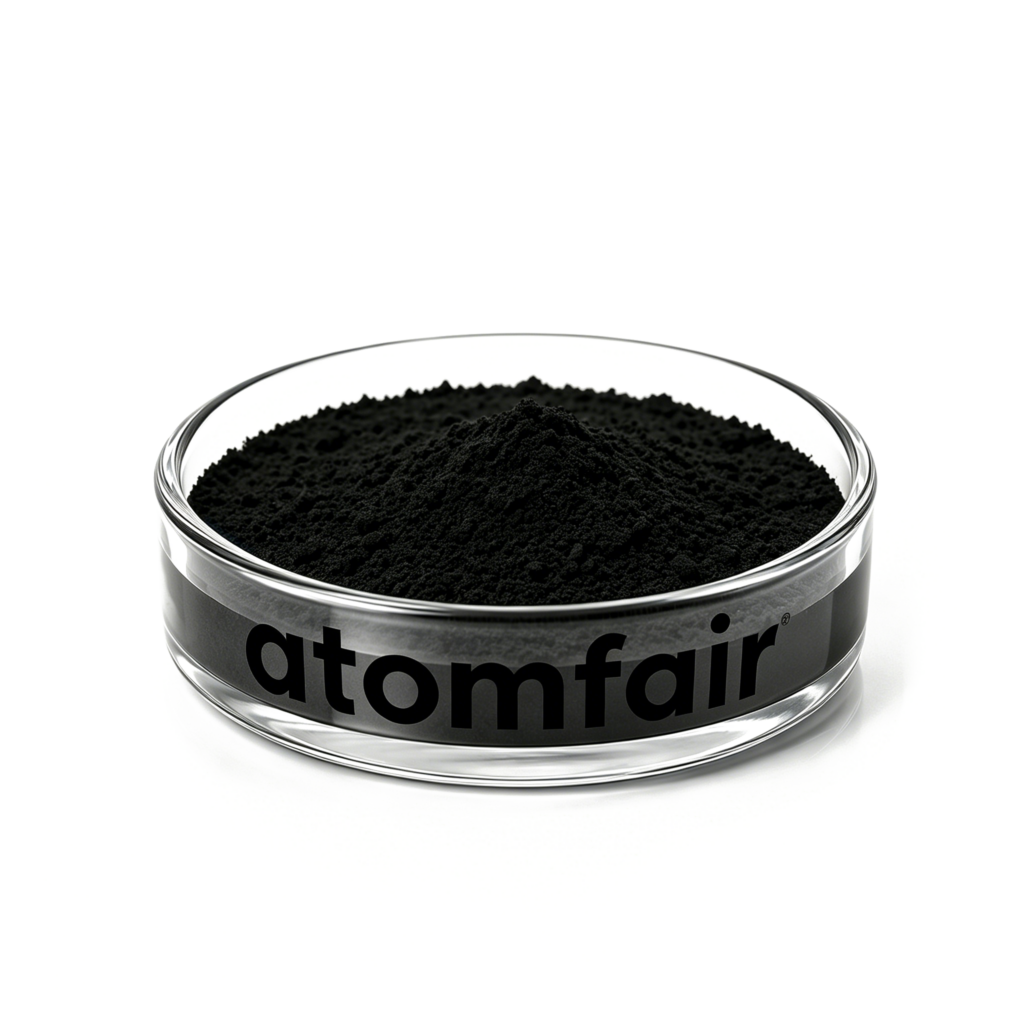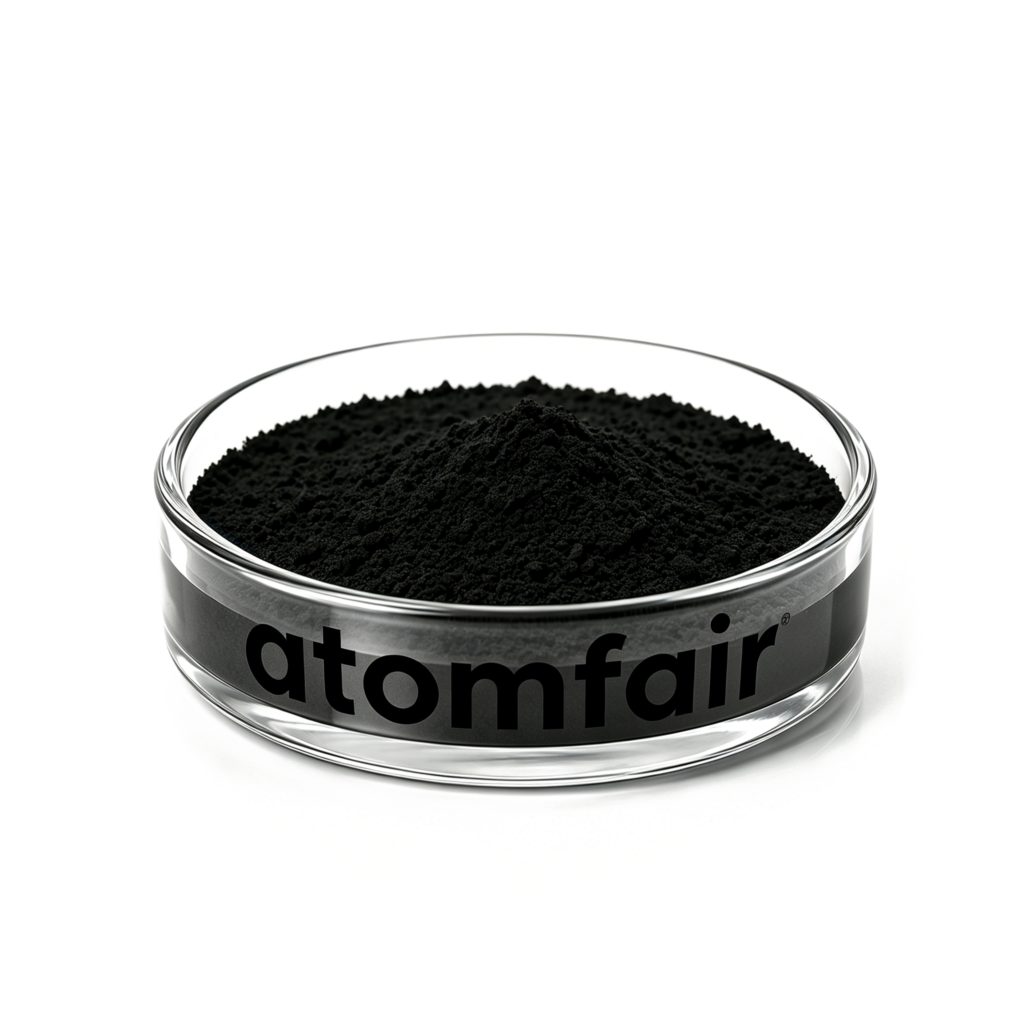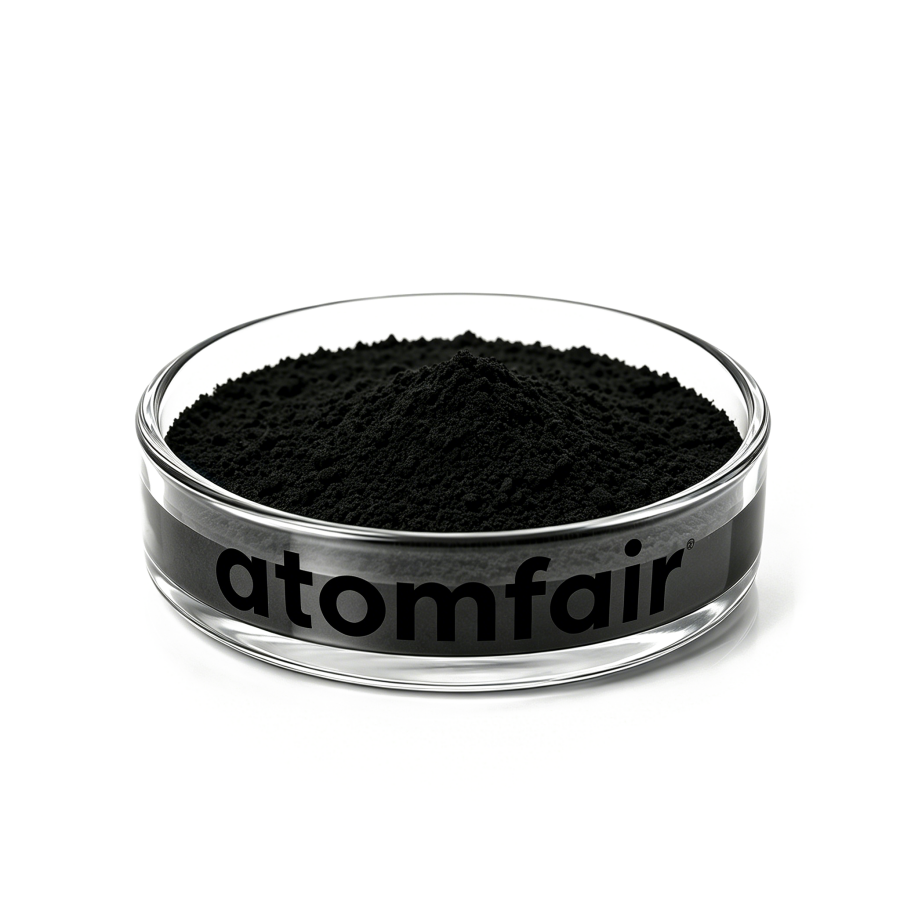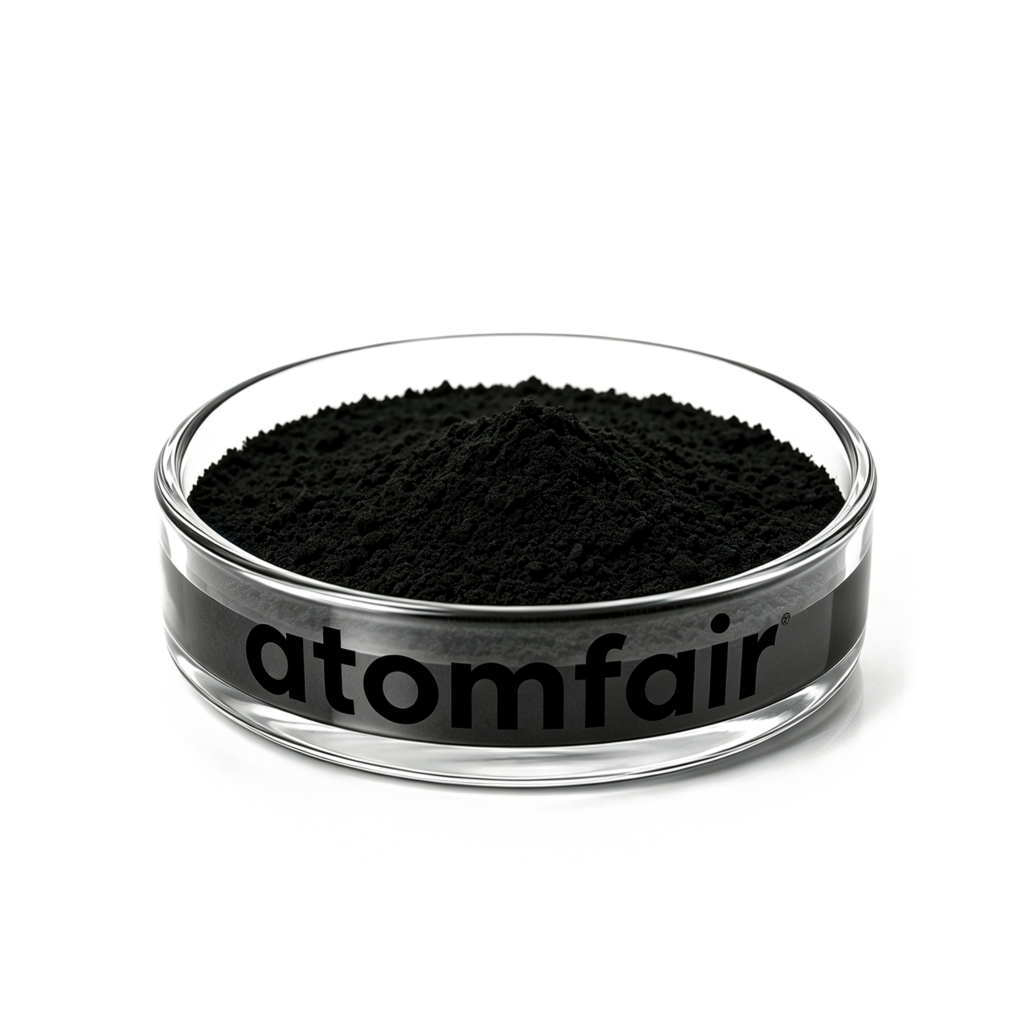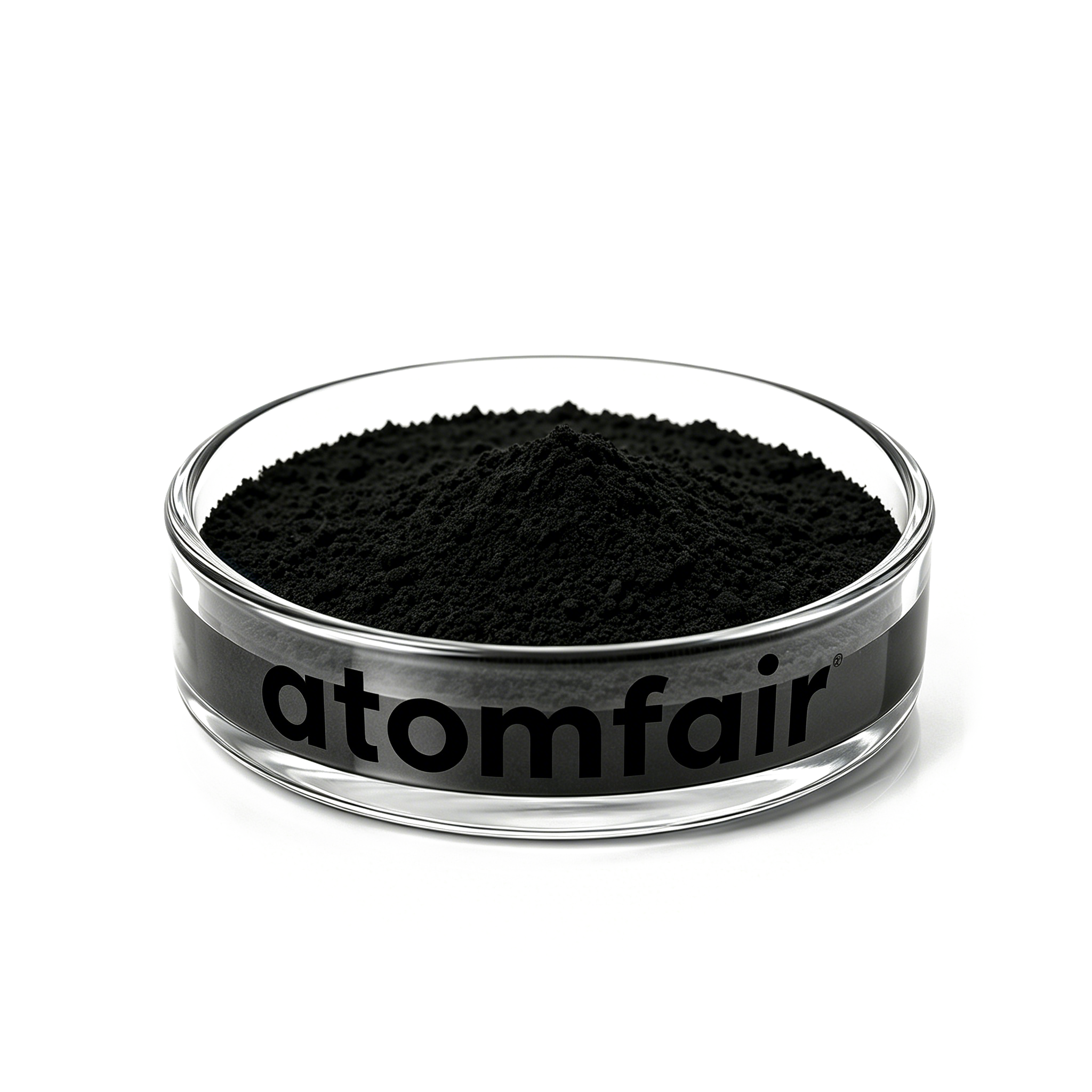
ATOMFAIR® SR SINGLE-WALL CARBON NANOTUBESRESEARCH GRADE MATERIAL
|
||||||||||||||||||||||||||||||||
|
||||||||||||||||||||||||||||||||
|
|||
|
TAILORED SOLUTIONS FOR RESEARCH
Contact our engineering team for technical support or official institutional quotations.
EMAIL: inquiry@atomfair.com
|
|||
|
Manufacturer: Atomfair LLC
Brand: ATOMFAIR®
|
Store sealed in a dry, cool environment to prevent moisture absorption and agglomeration. Avoid generating airborne dust; use only in a fume hood or with appropriate respiratory protection.
- Storage Requirement: Keep container tightly closed in a dry, well-ventilated area away from heat sources.
- Containment Protocol: Transfer material only inside a glovebox or fume hood to prevent nanoparticle inhalation.
- Personal Protection: Wear nitrile gloves, safety goggles, and a P100 respirator when handling the powder.
- Spill Management: Collect spills using a HEPA-filtered vacuum or wet wiping; never use compressed air.
- Waste Disposal: Dispose of contaminated materials as hazardous nanomaterial waste per local regulations.
Personal protective equipment including gloves and a respirator must be worn when handling this nanomaterial. Work inside a fume hood to minimize inhalation exposure.
Required Equipment: Fume hood or glovebox, Nitrile gloves, P100 respirator, Anti-static weigh boat and scoop
- Don Personal Protective Equipment
Don nitrile gloves, safety goggles, and a P100 respirator before entering the working area. - Prepare Containment Area
Verify that the fume hood or glovebox is operational and clean before introducing the material. - Transfer Powder
Transfer the carbon nanotube powder from its container to an anti-static weigh boat using a static-dissipative scoop. - Weigh Material
Weigh the required amount on a precision balance placed inside the containment zone. - Seal and Store
Seal the original container immediately after use and store it in a dry, cool cabinet. - Decontaminate Work Surface
Wipe all tools and surfaces with a damp cloth after handling to remove residual nanoparticles. - Dispose of Waste
Collect all used gloves, wipes, and weigh boats as hazardous nanomaterial waste for proper disposal.
How does the >75% purity and single-wall morphology of SR carbon nanotubes affect electrical conductivity relative to higher-purity multi-wall CNTs?
The SR single-wall carbon nanotubes achieve resistance reduction at only 1/15 the loading compared to multi-wall CNTs, despite a purity >75%. This performance advantage stems from the ultra-fine 1-3 nm diameter and high aspect ratio (length ≥6 μm) that create efficient conductive pathways at lower concentrations. The specific surface area >300 m2/g further enhances percolation network formation, making this material highly effective for low-loading conductive composites.
What dispersion methods are required to integrate SR single-wall carbon nanotubes into polymer or composite matrices?
Effective dispersion of this black powder form is critical due to its high specific surface area (>300 m2/g) and tendency to agglomerate. Typical protocols involve sonication or high-shear mixing in compatible solvents or polymer melts to break up bundles and ensure uniform distribution for optimal conductivity. The ≥6 μm length and 1-3 nm diameter necessitate mild processing to avoid tube shortening that would diminish performance.
What are the recommended storage and handling procedures for SR single-wall carbon nanotubes to maintain performance?
SR single-wall carbon nanotubes should be stored in sealed, dry containers away from moisture and static discharge to preserve the >75% purity and high surface area. As a research-grade material sold exclusively for laboratory use, standard powder safety precautions apply: use in fume hoods, avoid inhalation, and ground all equipment to prevent electrostatic accumulation. No special temperature requirements are specified, but ambient, non-humid conditions are advised to prevent contamination.
This product offers single-wall carbon nanotubes with high specific surface area and exceptional conductivity at low loading, but the moderate purity and fine powder form require careful handling and dispersion optimization for research applications.
Positive
- Low-loading conductivity advantage: Achieves equivalent resistance reduction at only 1/15 the loading of multi-wall CNTs, enabling cost-effective and lightweight conductive formulations.
- High specific surface area: Over 300 m2/g provides abundant interfacial contact sites for polymer matrices and electrochemical active materials, enhancing composite performance.
Trade-offs
- Moderate purity requires assessment: At >75% purity, the material contains ~25% non-CNT components (amorphous carbon, catalyst residues) that may need removal for high-precision electronic or biomedical applications.
- Dispersion and handling challenges: The fine black powder with nanoscale diameter and high aspect ratio tends to agglomerate in solvents and poses inhalation hazards, necessitating specialized sonication and safety protocols.
Every advanced material, component, equipment, and instrument in our catalog is backed by rigorous testing. We maintain strict internal quality management frameworks and align with CE conformity metrics to deliver transparent, reproducible performance data via our public open-science repository.
To request raw batch performance data, submit formal vendor registration paperwork, or execute a fast-turnaround R&D manufacturing loop, contact us at inquiry@atomfair.com.
Item is dispatched under the Atomfair Shipping & Delivery Framework (Free worldwide shipping on orders over $59 USD excl. heavy equipment). Return is governed by the Atomfair Return & Refund Policy (7-day technical return window).