|
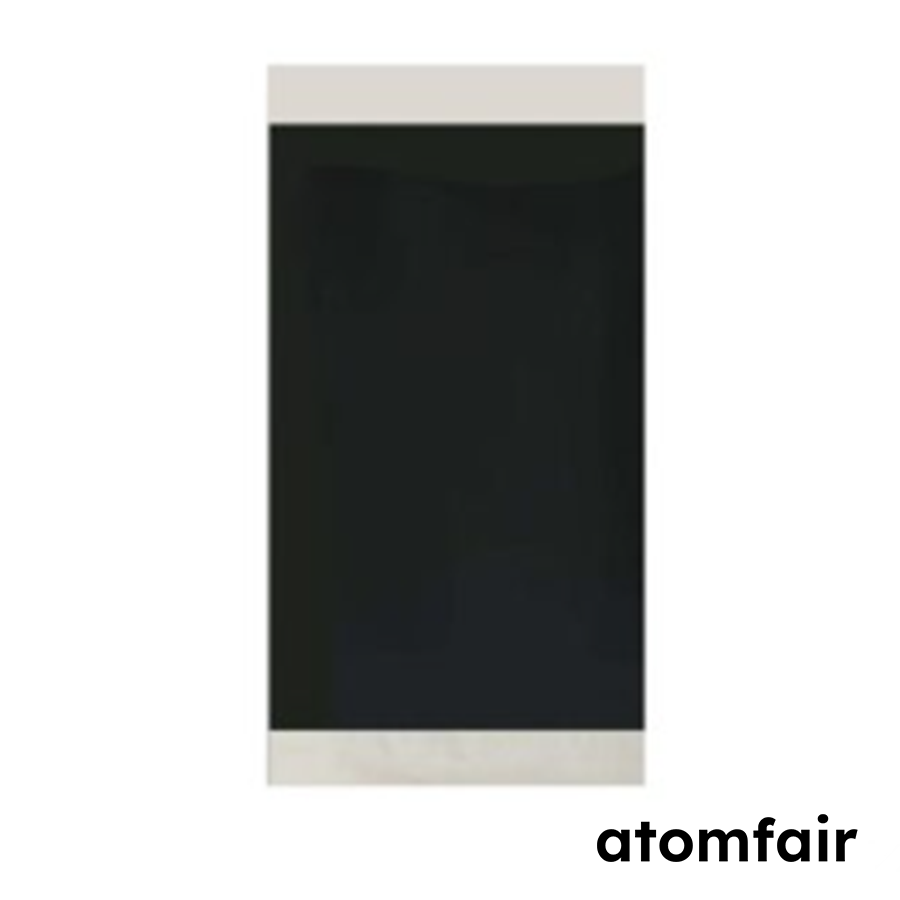
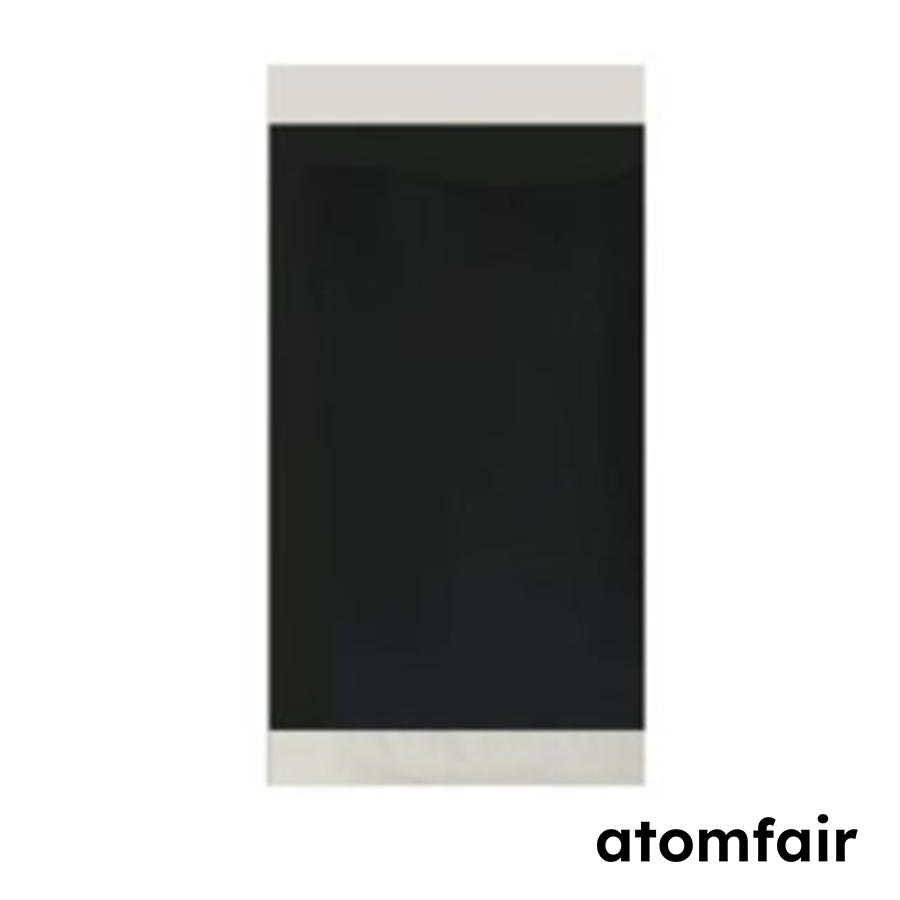
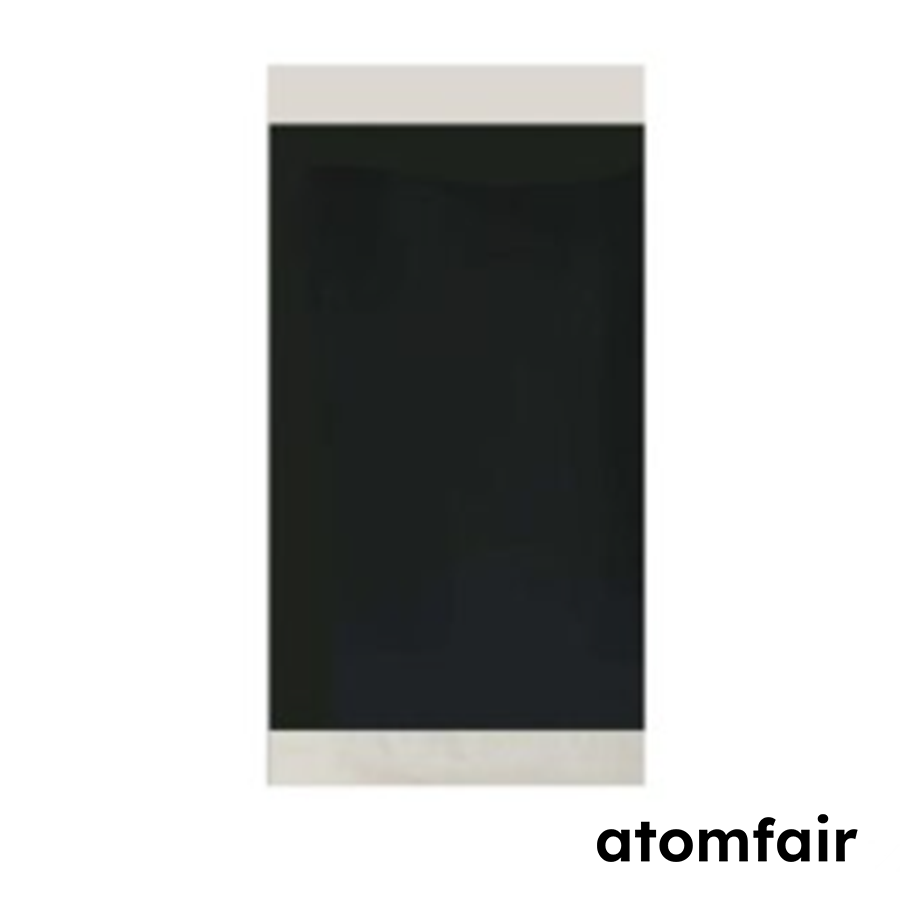
Soft Carbon (SC) Coated Aluminum Electrode, Single- or Double-Sided
Product Type: Sodium-ion anode coating platform
Research-grade laboratory product
|
|||||||||||||||||||||||||||||||||||||||||||||||||||||||||||||||||
|
|||||||||||||||||||||||||||||||||||||||||||||||||||||||||||||||||
|
LABORATORY PROCUREMENT SUPPORT
For model selection, configuration confirmation or laboratory procurement support, contact our technical sales team.
INQUIRY: inquiry@atomfair.com
|
|||||||||||||||||||||||||||||||||||||||||||||||||||||||||||||||||
|
Supplier: Atomfair
Brand: ATOMFAIR®
|
|||||||||||||||||||||||||||||||||||||||||||||||||||||||||||||||||
Soft carbon coated aluminum electrode sheets require strict environmental control to prevent moisture and oxygen contamination. Proper handling and storage are critical to maintain electrochemical performance before cell assembly.
- Storage Conditions: Store the electrode sheets in a cool, dry place away from direct sunlight and moisture.
- Containment: Keep containers tightly sealed to prevent exposure to ambient atmosphere.
- Inert Gas Handling: Handle exclusively within an anhydrous inert gas environment to avoid phase contamination.
- PPE Requirement: Use appropriate personal protective equipment when handling the material.
Follow these steps to preserve the integrity of the electrode material before electrochemical testing. Adherence to these procedures prevents degradation and contamination.
Required Equipment: Inert gas glovebox, Sealed storage container, Personal protective equipment (PPE)
- Inspect
Inspect the packaging for any damage before storage. - Store
Store the electrode sheets in a cool, dry environment away from direct sunlight. - Seal
Seal the container tightly after each use to prevent moisture ingress. - Transfer
Transfer the material to an inert gas environment if prolonged storage is required. - Handle
Handle the sheets with appropriate PPE to avoid contamination.
What are the performance implications of choosing single-sided versus double-sided soft carbon coating on aluminum?
The choice depends on the cell assembly configuration. Single-sided coating minimizes material usage and is suitable for half-cell testing, while double-sided coating doubles the active material loading per unit area, enhancing energy density for full-cell builds. The source states both options are available to cater to diverse laboratory cell assembly setups.
Which battery chemistries and cell configurations are compatible with Atomfair Soft Carbon coated aluminum electrodes?
These electrodes are designed for versatile application across various structural battery chemistries and custom full/half-cell configurations. They are compatible with high-performance batteries for electric vehicles, consumer electronics, and large-scale energy storage, as well as R&D projects. The source explicitly states 'fully compatible with various structural battery chemistries and custom full/half-cell configurations.'
What specific storage and handling conditions are required to preserve the electrochemical properties of soft carbon coated aluminum electrodes?
Store in a cool, dry place away from direct sunlight and moisture. Use appropriate PPE during handling. To prevent phase contamination or degradation, keep containers tightly sealed or handle exclusively within an anhydrous inert gas environment before electrochemical validation. Follow local regulations for disposal. These requirements are stated in the Handling & Storage section.
Soft carbon coated on aluminum electrode provides high-conductivity matrix and lightweight substrate for battery R&D, but requires anhydrous inert gas handling and strict moisture-controlled storage to preserve material integrity.
Positive
- High Conductivity Matrix: Optimized matrix architecture provides superior ion transport pathways and minimal charge transfer resistance, enhancing electrochemical performance.
- Lightweight Aluminum Substrate: Aluminum foil substrate minimizes parasitic passive weight, improving energy density and portability for battery testing.
Trade-offs
- Moisture and Air Sensitivity: Requires handling in anhydrous inert gas environment or tightly sealed containers to prevent phase contamination and degradation before electrochemical validation.
- Strict Storage Conditions: Must be stored in a cool, dry place away from direct sunlight and moisture; appropriate PPE required during handling.
Every advanced material, component, equipment, and instrument in our catalog is backed by rigorous testing. We maintain strict internal quality management frameworks and align with CE conformity metrics to deliver transparent, reproducible performance data via our public open-science repository.
To request raw batch performance data, submit formal vendor registration paperwork, or execute a fast-turnaround R&D manufacturing loop, contact us at inquiry@atomfair.com.
Item is dispatched under the Atomfair Shipping & Delivery Framework (Free worldwide shipping on orders over $59 USD excl. heavy equipment). Return is governed by the Atomfair Return & Refund Policy (7-day technical return window).