|
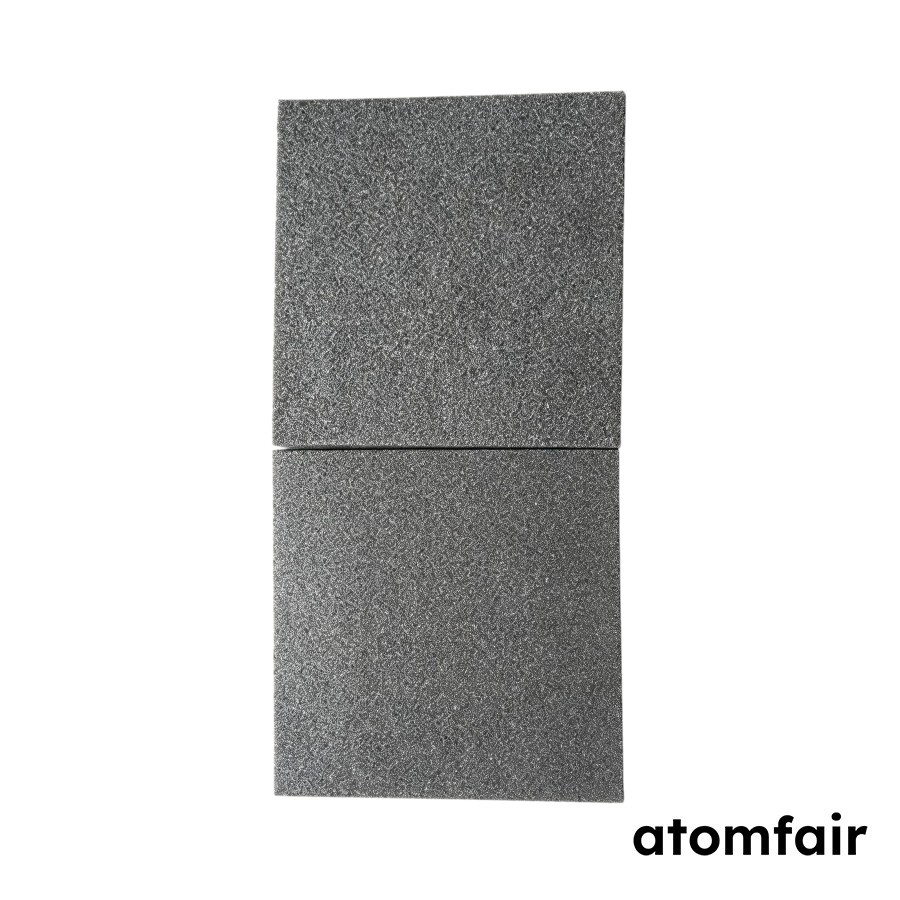
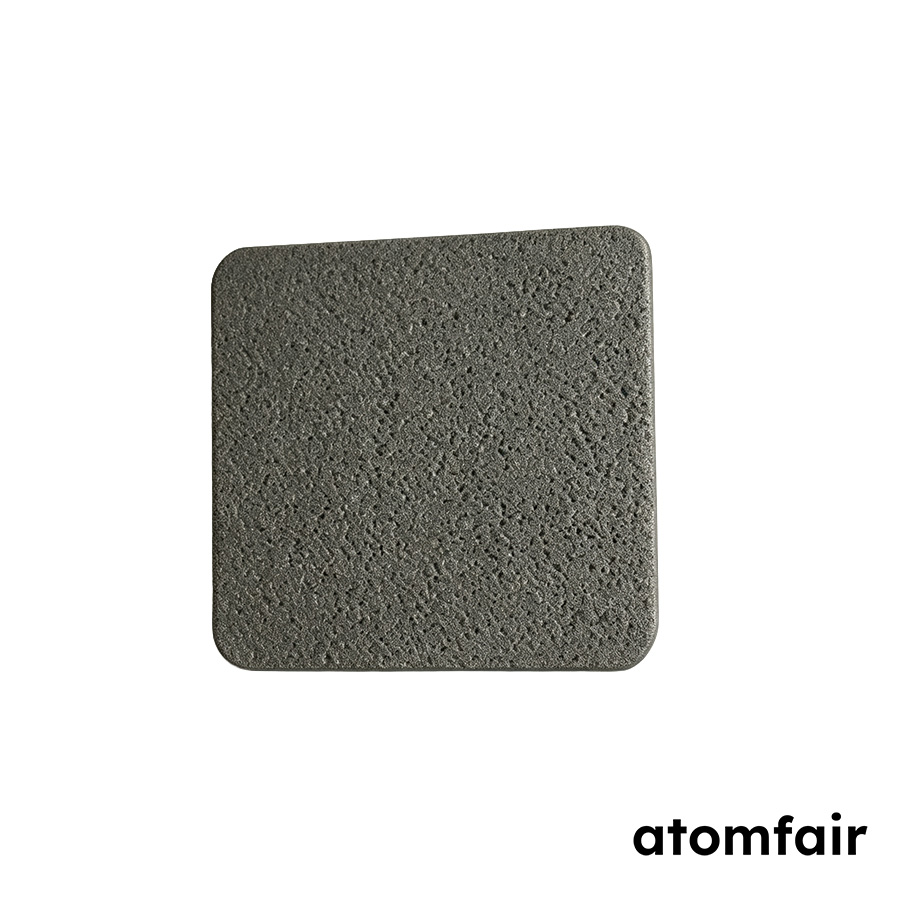
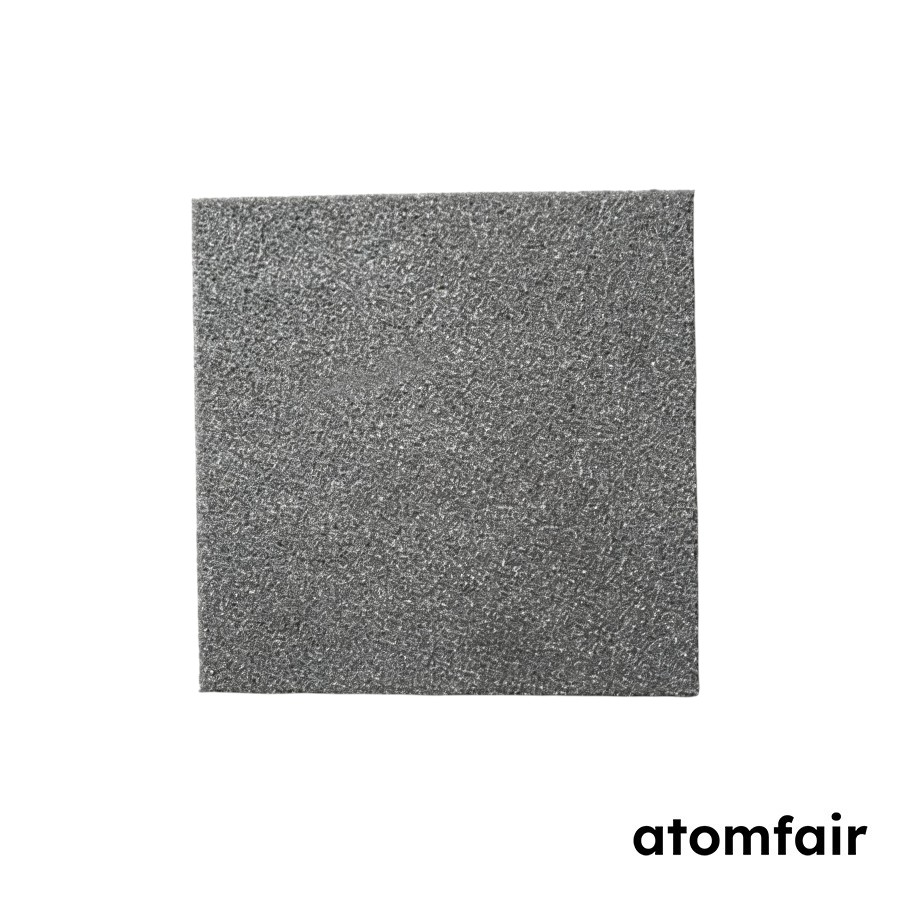
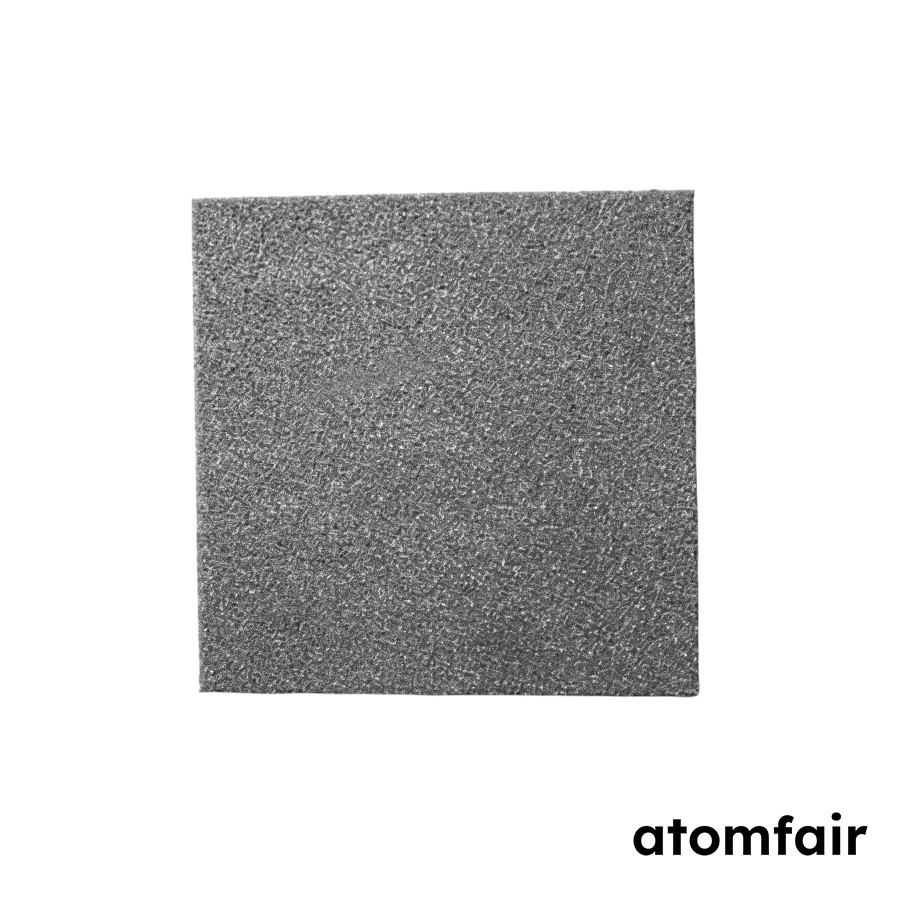
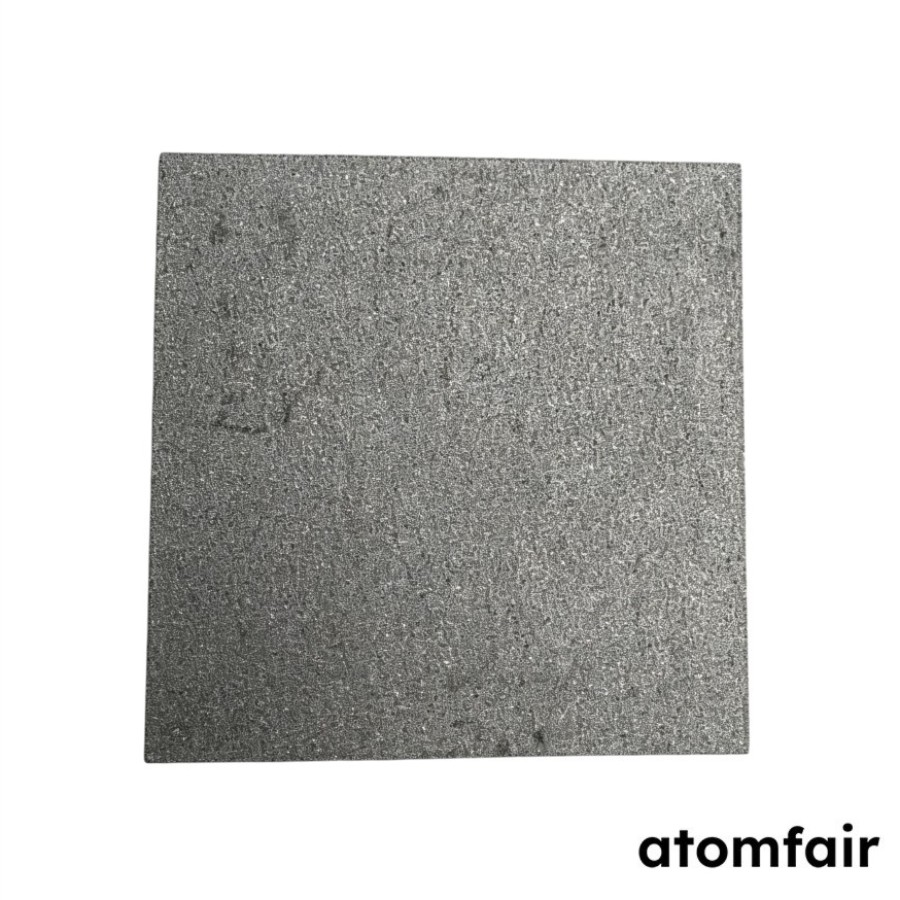
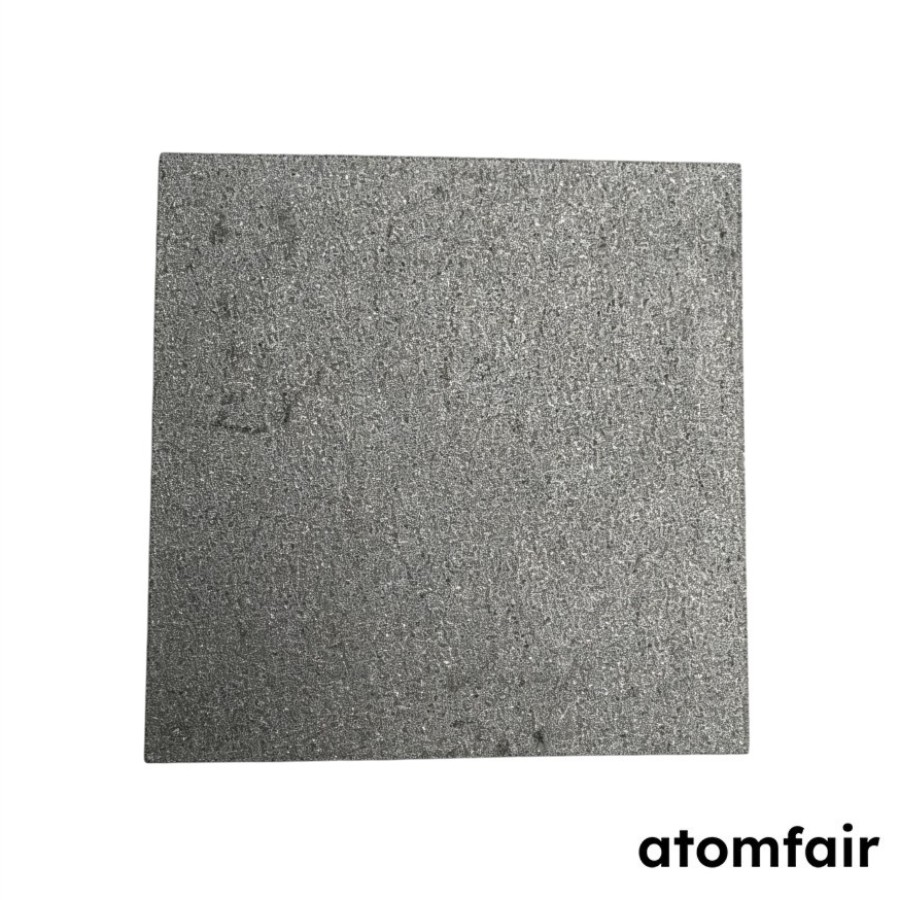
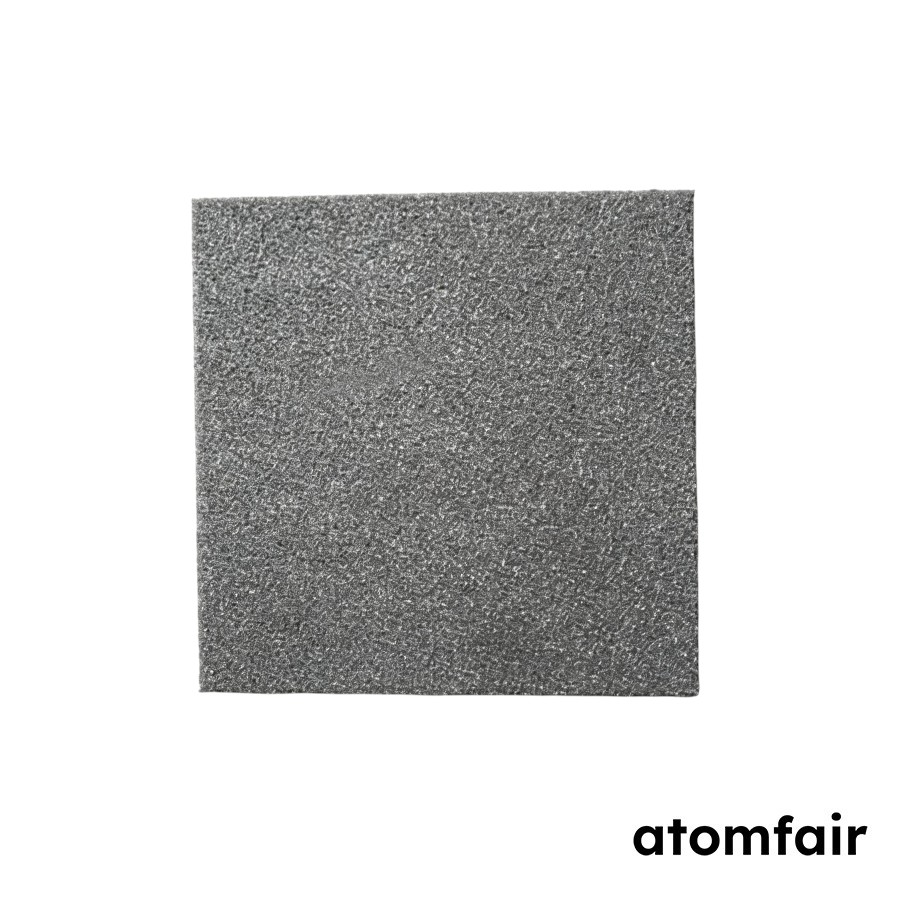
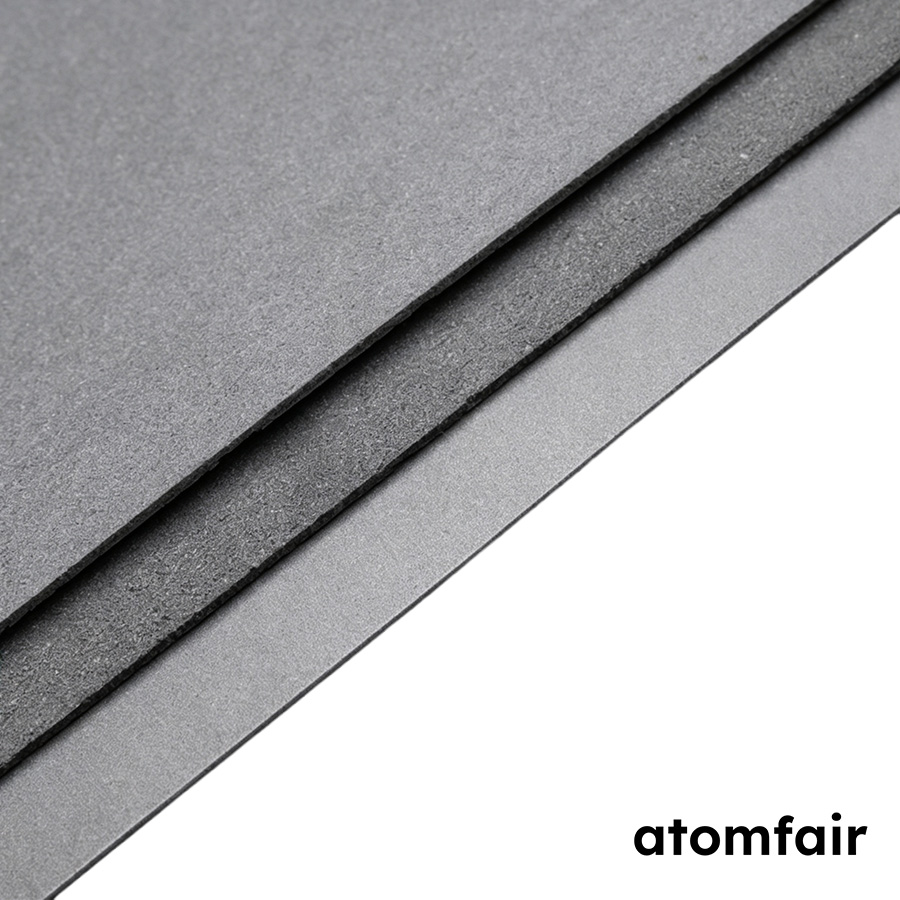
Sintered Titanium and Porous Titanium Foam Sheet, 20 µm Filtration Rating, 100 × 100 × 3 mm, 110 PPI, 1 Piece
Research-grade laboratory product
|
|||||||||||||||||||||||||||||||||||||||||||||||
|
|||||||||||||||||||||||||||||||||||||||||||||||
|
LABORATORY PROCUREMENT SUPPORT
For filtration accuracy, dimensional confirmation, material compatibility or custom configuration review, contact our technical sales team.
E-MAIL: inquiry@atomfair.com
|
|||||||||||||||||||||||||||||||||||||||||||||||
|
Manufacturer: Atomfair LLC
Brand: ATOMFAIR®
|
This sintered porous titanium foam sheet requires protection from crushing and contamination during handling and storage. Operating temperature must not exceed 300°C, and media compatibility must be verified before installation.
- Handling Protection: Protect the porous surface from crushing and contamination.
- Cleaning Method Selection: Choose backflushing, steam, ultrasonic or chemical cleaning according to the process medium and operating procedure.
- Pre-Installation Review: Confirm media compatibility, operating pressure, temperature, and flow before installation.
- Machining Considerations: Cutting, welding, and machining are possible but require care to avoid damaging the porous structure.
- Structure-Filtration Match: Review both PPI and filtration rating together when matching the sheet to an assembly.
How does the 110 PPI pore density relate to the 20 µm filtration rating in this sintered titanium foam sheet, and what is the expected trade-off between filtration precision and flow permeability?
The 110 PPI structure provides an approximate cell spacing of 0.23 mm and a porosity of 35–45%, which enables a 20 µm filtration rating. The relative air permeability is 1 × 10⁻⁴ L/(cm²·min·Pa), indicating low flow resistance. However, finer filtration ratings (down to 0.45 µm) are achievable within the general filtration range, but would require higher PPI or different material configurations, potentially reducing permeability.
What cleaning methods are compatible with this 20 µm titanium foam sheet, and can it withstand repeated ultrasonic or chemical cleaning without degrading the porous structure?
The product supports backflushing, steam, ultrasonic, and compatible chemical cleaning procedures. The titanium construction provides corrosion resistance and thermal stability, allowing repeated cleaning cycles without degrading the porous structure, provided the procedures are compatible with the process medium.
What specific handling and storage precautions are required to preserve the integrity of the 100 × 100 × 3 mm titanium foam sheet before and during installation?
The porous surface must be protected from crushing and contamination. The sheet should be handled with clean gloves, stored in a clean, dry environment, and protected from point loads or impact. Cutting or welding for assembly integration should be performed with care to avoid damaging the interconnected pore network.
This 100 × 100 × 3 mm sintered titanium foam sheet pairs a 20 µm filtration rating with a 110 PPI open-cell structure and 35–45% porosity, giving low-resistance flow for liquid and gas separation while remaining cleanable and machinable; deployment is bounded by the ≤300°C service ceiling and the need to protect the porous surface from crushing or contamination.
Positive
- Interconnected 110 PPI porous structure: The 35–45% porosity with approximately 0.23 mm cell spacing creates open, interconnected flow paths, enabling 20 µm filtration while maintaining low flow resistance for gases and liquids.
- Cleanable and machinable titanium construction: The sintered titanium sheet can be cleaned by backflushing, steam, ultrasonic or compatible chemical procedures and supports cutting, welding and basic machining for integration into filtration assemblies.
Trade-offs
- Service temperature capped at 300°C: Recommended service temperature is limited to ≤300°C, so higher-temperature process streams require design review or alternative porous media before installation.
- Porous surface requires handling protection: The open-cell surface must be protected from crushing and contamination, and media compatibility, operating pressure, temperature, target flow and dimensional tolerance should be confirmed before installation.
Every advanced material, component, equipment, and instrument in our catalog is backed by rigorous testing. We maintain strict internal quality management frameworks and align with CE conformity metrics to deliver transparent, reproducible performance data via our public open-science repository.
To request raw batch performance data, submit formal vendor registration paperwork, or execute a fast-turnaround R&D manufacturing loop, contact us at inquiry@atomfair.com.
Item is dispatched under the Atomfair Shipping & Delivery Framework (Free worldwide shipping on orders over $59 USD excl. heavy equipment). Return is governed by the Atomfair Return & Refund Policy (7-day technical return window).