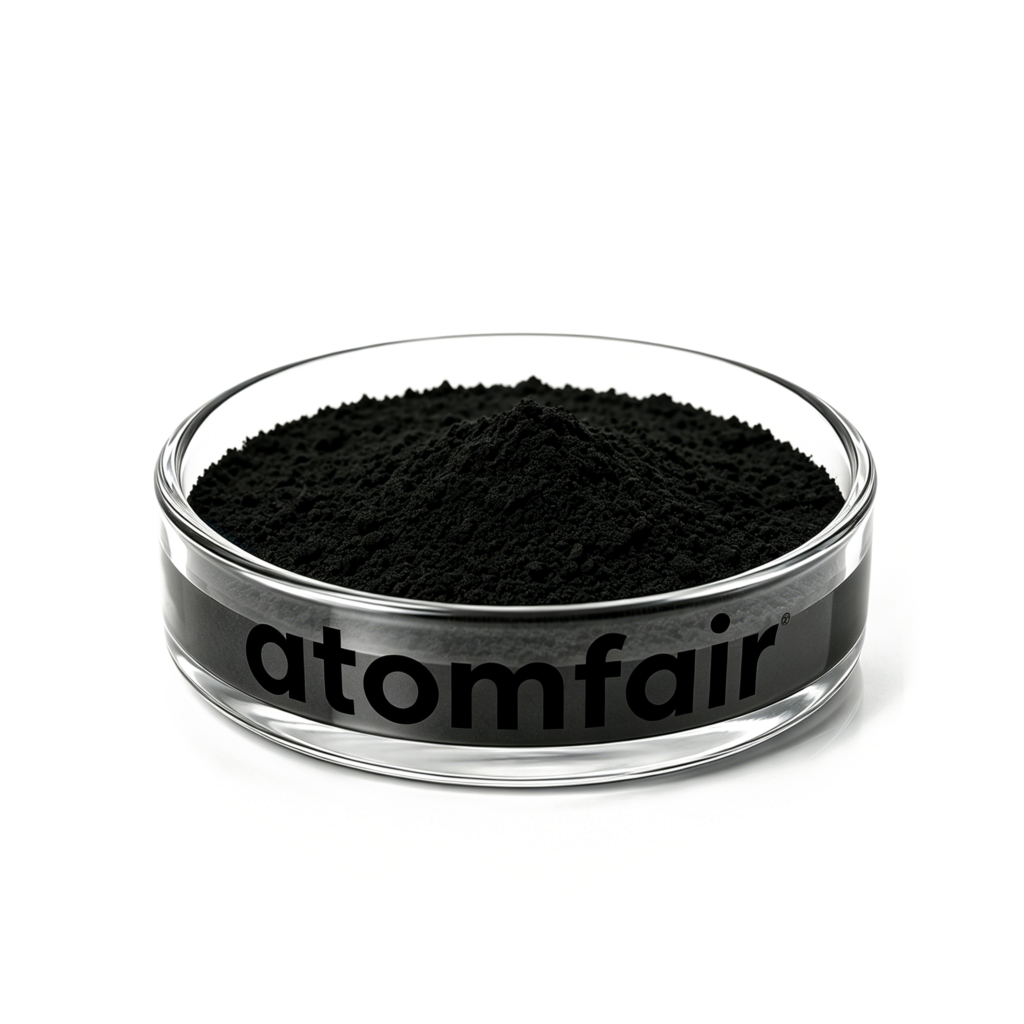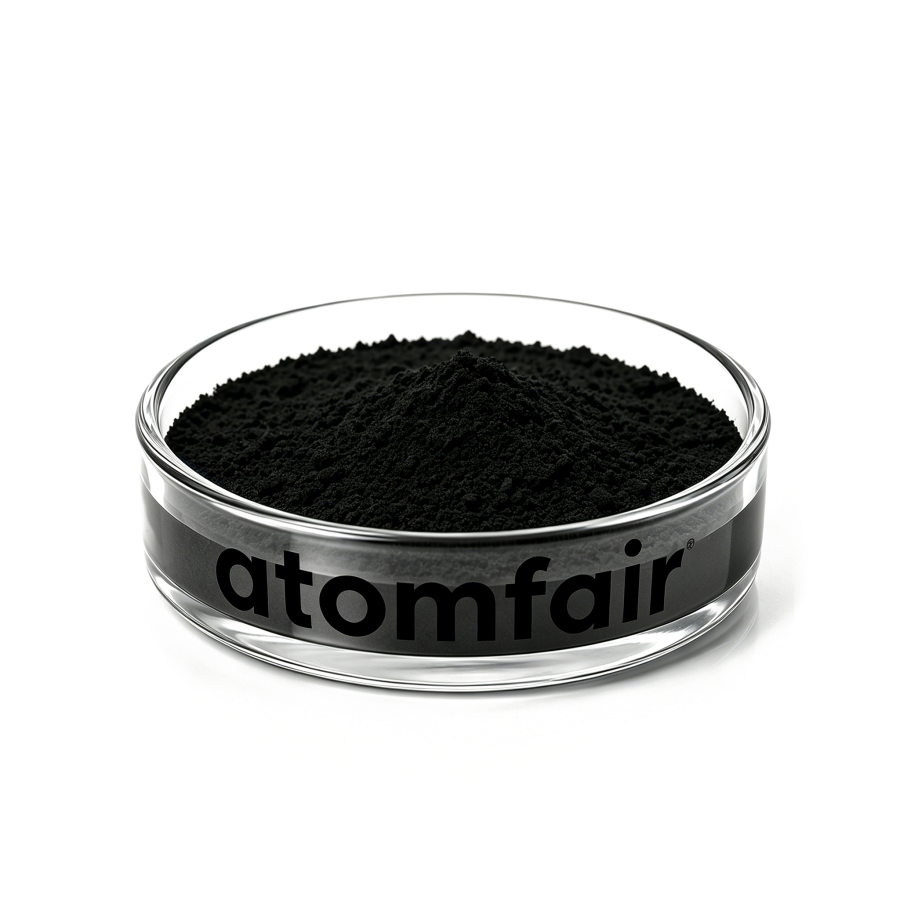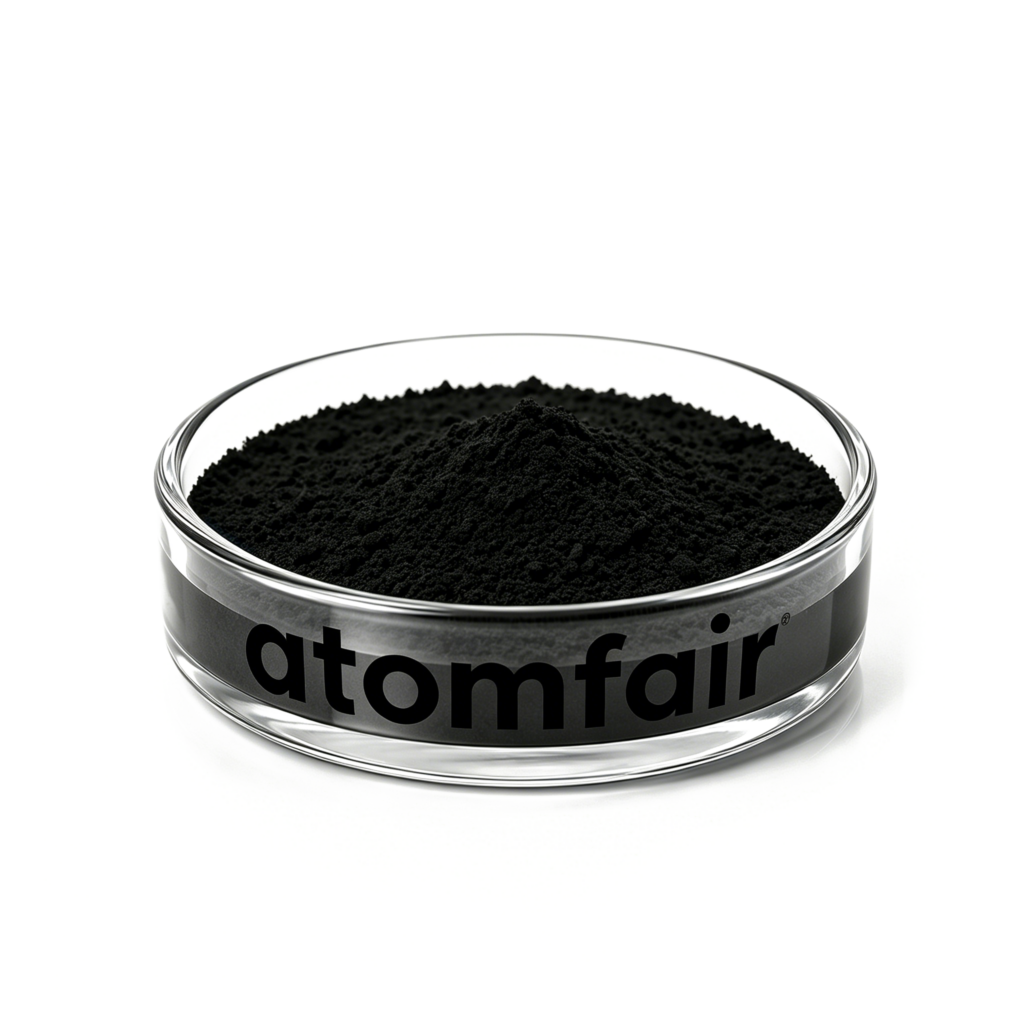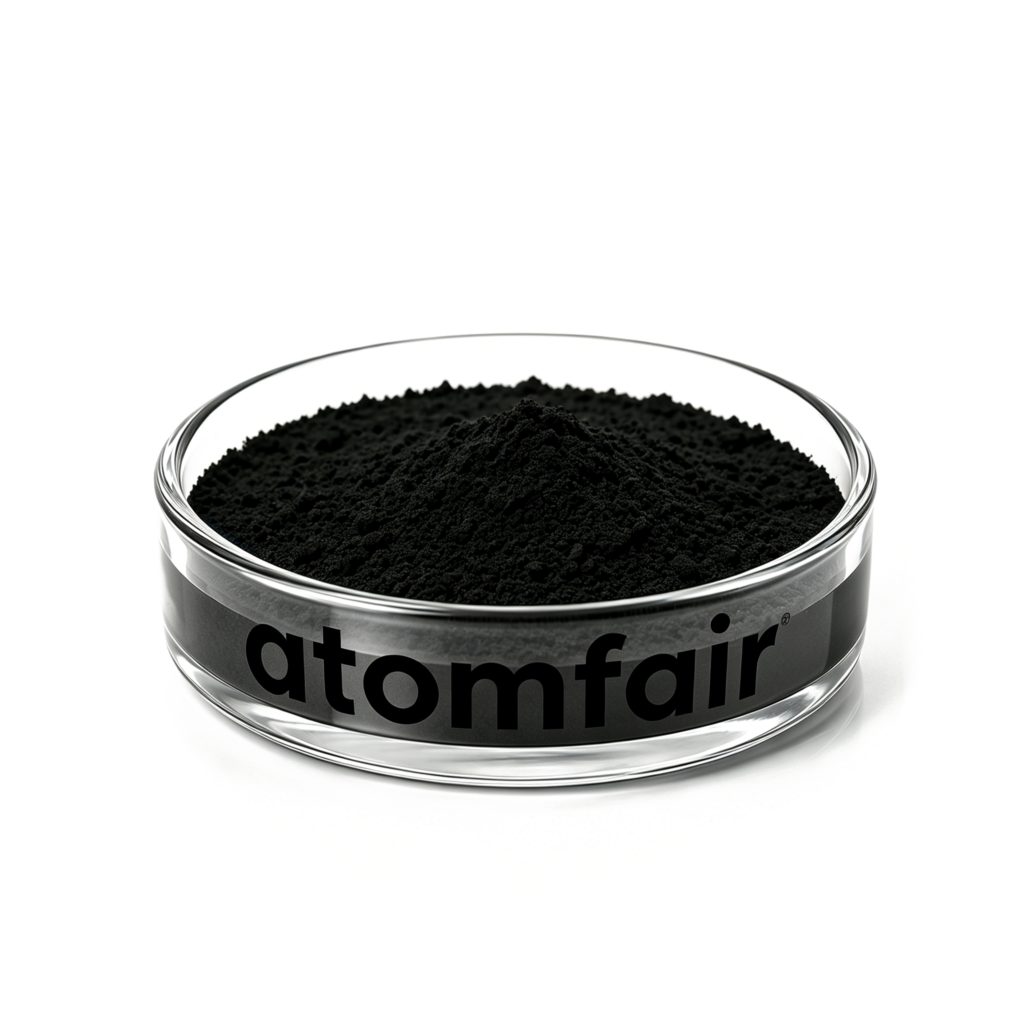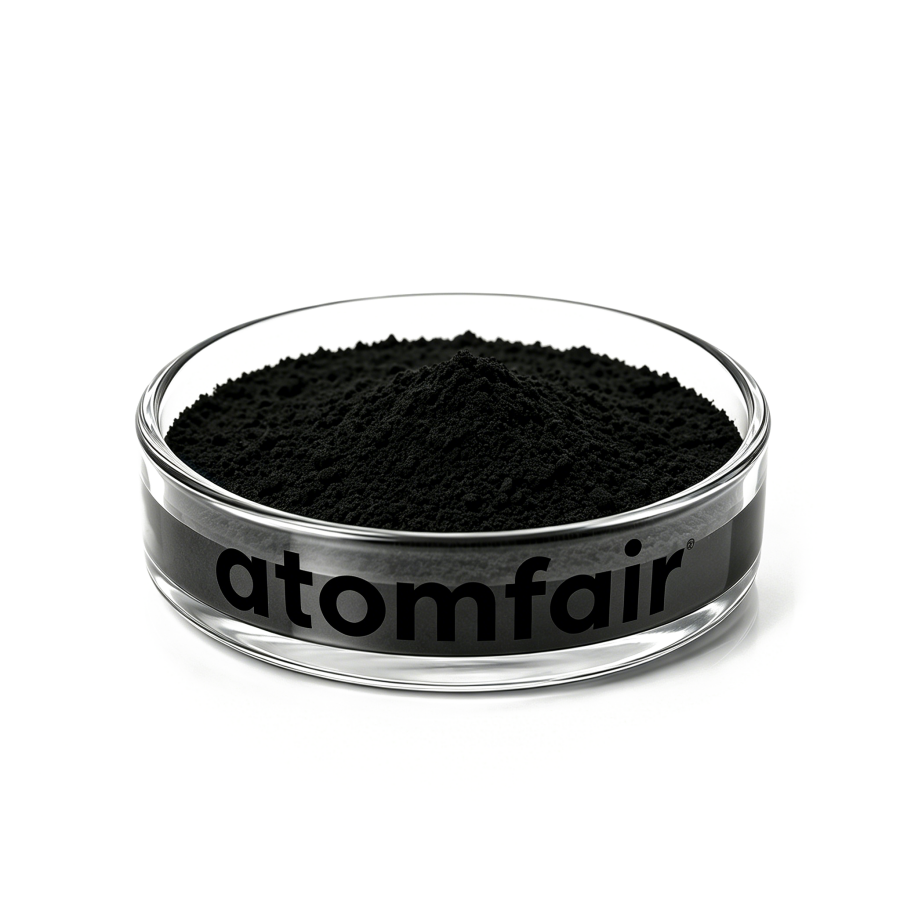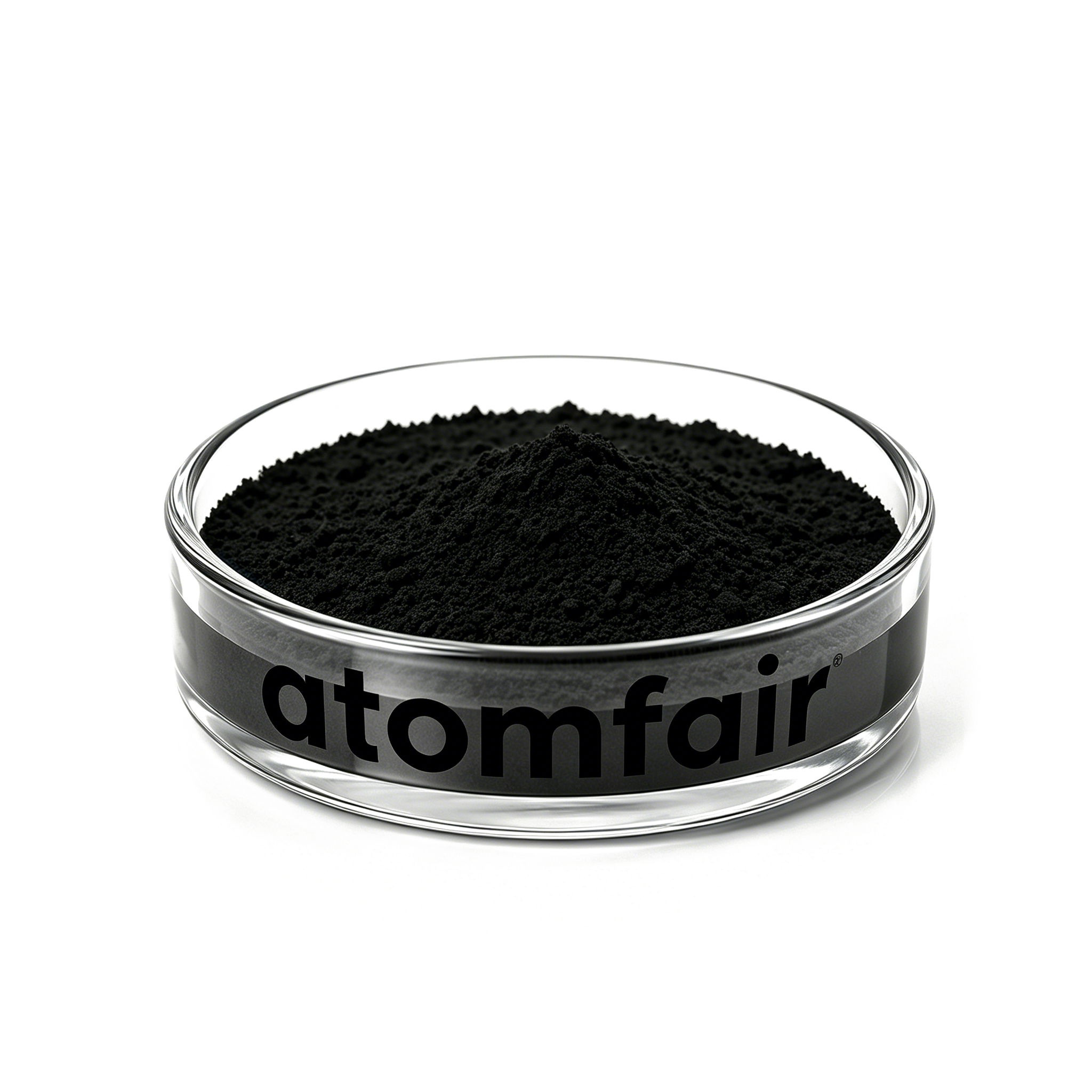
Nano Conductive Carbon Black 63.2 m²/g 400g ATOMFAIR®

$240.00

Institutional Procurement & Supply Compliance: As a verified US supplier, Atomfair accepts formal institutional Purchase Orders (POs), contract billing schedules, and custom procurement loops for university and national laboratories, and corporate R&D departments globally.

Commercial grade nano conductive carbon black powder, BET surface area 63.2 m²/g, primary particle <50 nm. CAS 1333-86-4, 400g packaging. Order now.

Description

Nano Conductive Carbon Black Powder, 400g

COMMERCIAL GRADE · PRODUCTION

Product Overview

High-energy secondary battery packaging designs require long-range percolation paths across low loading thresholds, and this premium nano conductive carbon black matrix supplies extreme electronic networks across compact electrode geometries. Engineered as an uncompromised, low-impedance ultra low iron battery additive (Country of Origin: Belgium | CAS Number: 1333-86-4), the powder incorporates an engineered structural branching setup paired with a precise 63.2 m²/g BET specific surface area and a primary particle morphology of < 50 nm. This elite carbon structure functions as a reliable standard for all solid state slurry modification and advanced silicon-mesoporous carbon anode mixing, shielding experimental data series from parasitic electronic distortion. Delivering outstanding interfacial compliance across international standard electrolyte environments, this material eliminates tracking errors during battery prototyping runs. It serves as the definitive reference baseline for academic research groups, pilot-scale formulation spaces, and automotive-grade material validation workflows.

Technical Specifications

CHEMICAL & PARTICULATE PARAMETER TECHNICAL SPECIFICATION RATINGS
BET Specific Surface Area (SSA) 63.2 m²/g Calibrated Baseline Matrix
Primary Particle Cross-Section (TEM) < 50 nm Dispersed Cluster Geometry
Apparent Powder Pour Density 0.16 g/cm³ Structural Envelope Matrix
Maximum Volatile Moisture Fraction ≤ 0.1% Internal Weight Limits
Volatile Mass Content ≤ 0.15% Carbon Loss Boundary
Total Ash Residue Threshold ≤ 0.010% Weight Fraction (Evaluated @ 600 °C)
Macro Grit Content Restrictions < 2 ppm for Particles > 45 μm (325 Mesh) | < 10 ppm for Particles > 20 μm (625 Mesh)
Suspension pH Factor Metric 9.4 Aqueous Baseline
Elemental Impurity Fractions Iron (Fe) ≤ 1 ppm | Nickel (Ni) < 1 ppm | Cobalt (Co) < 1 ppm | Sulfur (S) ≤ 0.02%
Secondary Transition Metallic Traces Vanadium (V) < 1 ppm | Chromium (Cr) < 1 ppm | Copper (Cu) < 1 ppm
Alternative Catalog Items Explore our complete component catalog for alternative volumetric capacities, high-conductivity polymer separators, aluminum-laminated protective packaging films, or multi-channel battery cycling systems.

Key Features & Advantages

  • Ultra-Low Iron Content Thresholds: Active filtering limits elemental iron traces to ≤1 ppm, preventing transition metal dissolution and self-discharge paths.
  • High Conductive Contact Efficiency: A balanced 63.2 m²/g specific surface layout delivers stable electron migration corridors across deep, high mass-loading electrodes.
  • Simplified Rheological Blending: Smooth aggregate particles blend uniformly without pre-dispersing aids, lowering NMP fluid dependency and shortening oven dry periods.
  • Hermetic Environmental Isolation Packaging: Arrives inside gas-tight laboratory containers sealed inside a protective aluminum vacuum sleeve to neutralize moisture tracking.

TECHNICAL COMPATIBILITY & CROSS-REFERENCE: This premium nano-scale carbon substrate is processed to meet strict laboratory-grade material metrics, exhibiting identical surface morphology and electrical percolation thresholds to legacy standard high-conductivity matrix powders. It functions as a highly reliable institutional alternative for research entities tracking high mass-loading electrochemical slurry formulation paths, matching physical component performance standards seamlessly.
EXPERIMENTAL APPLICATION & SETUP GUIDE: Our conductive carbon black powder is optimized for high-precision validation loops. Due to its standard particle distribution and low aggregate grit content, it mixes smoothly into cathode and anode blends. For example, when formulating solid-state composite layers or mesoporous carbon interfaces, this additive secures clean particle-to-particle electronic contact, matching mainstream blade casting or toll roll slitting configurations without demanding complex paste rework.
OPERATIONAL COMPLIANCE NOTICE: Prior to compounding the liquid coating paste, process the powder inside an anhydrous vacuum oven drying block to safely drive off any surface-adsorbed atmospheric humidity traces. Keep the laboratory containers strictly closed within deep desiccated environments to shield nano branching networks from moisture degradation. Our manufacturing chains conform fully with environmental verification tracing structures, and modules are processed through verified chemical logistics channels.

TAILORED SOLUTIONS FOR RESEARCH
Contact our engineering team for technical support or official institutional quotations.
EMAIL: INQUIRY@ATOMFAIR.COM
Manufacturer: PRODUCTION DIVISION · ADVANCED ENERGY STORAGE DIVISION
Brand: INDUSTRIAL TESTING HARDWARE
Specifications are representative and subject to change without notice. For the latest version and compliance certificates, contact official sales channel.

This carbon black powder requires careful moisture management to maintain its specified volatile fraction. Uniform dispersion in the electrode slurry is critical for achieving consistent percolation network performance.

  • Moisture Sensitivity: Protect the powder from prolonged exposure to humid environments to preserve the calibrated volatile moisture fraction.
  • Dispersion Requirement: Ensure complete and uniform dispersion in the electrode slurry to prevent localized agglomeration and maintain percolation path integrity.

How does the 63.2 m²/g BET surface area of Atomfair C65 enable ultra-low loading in battery electrodes?

The high BET specific surface area of 63.2 m²/g allows efficient conductive network formation at reduced loading levels, enabling low to ultra-low loading as specified. This minimizes inactive material in the electrode, directly improving energy density while maintaining conductivity. The 32 ml/5g adsorption stiffness value further supports consistent dispersion at minimal concentrations.

Is Atomfair C65 validated for use in all-solid-state lithium-ion batteries and Si/mesoporous carbon anodes?

Yes, Atomfair C65 is explicitly validated for all‑solid‑state lithium‑ion batteries and Si/mesoporous carbon anodes. With ultra‑high purity (1 ppm Fe, <1 ppm Ni, Co, V, Cr, Cu) and grit content <2 ppm above 45 μm, it meets the stringent contamination requirements of advanced solid‑state and silicon‑based electrode systems. This compatibility extends to both cathode and anode formulations.

What storage and handling precautions are required to maintain the ultra-low moisture and purity specifications of C65 carbon black?

Storage must be in the supplied air‑tight container sealed in an aluminum vacuum bag to preserve the 0.1% max moisture and 0.010% max ash content. The low density of 0.16 g/cm³ generates significant dust, requiring handling in a fume hood with appropriate PPE to avoid inhalation and cross‑contamination. Avoid exposure to ambient humidity to maintain the volatile content below 0.15% max.

Atomfair SUPER C65 Nano Carbon Black delivers high-purity conductive additive performance for lithium-ion battery electrodes with 63.2 m²/g BET surface area and 1 ppm Fe, but its low density and moisture sensitivity impose handling and storage constraints for lab deployment.

Positive

  • Ultra-low iron impurity at 1 ppm: Fe content of 1 ppm minimizes metallic interference with battery electrochemistry, ensuring reliable performance in high-purity applications.
  • High specific surface area for low loading: BET surface area of 63.2 m²/g enables formation of efficient conductive networks at reduced additive loadings, improving energy density.

Trade-offs

  • Low bulk density complicates handling: Density of 0.16 g/cm³ results in voluminous, dusty powder requiring careful dispersion techniques and dust control measures in laboratory processing.
  • Moisture-sensitive storage requirements: Ultra-low moisture specification (0.1% max) necessitates storage in sealed, air-tight containers under controlled humidity to prevent performance degradation.

Every advanced material, component, equipment, and instrument in our catalog is backed by rigorous testing. We maintain strict internal quality management frameworks and align with CE conformity metrics to deliver transparent, reproducible performance data via our public open-science repository.

To request raw batch performance data, submit formal vendor registration paperwork, or execute a fast-turnaround R&D manufacturing loop, contact us at inquiry@atomfair.com.

Item is dispatched under the Atomfair Shipping & Delivery Framework (Free worldwide shipping on orders over $59 USD). Return is governed by the Atomfair Return & Refund Policy (7-day technical return window).