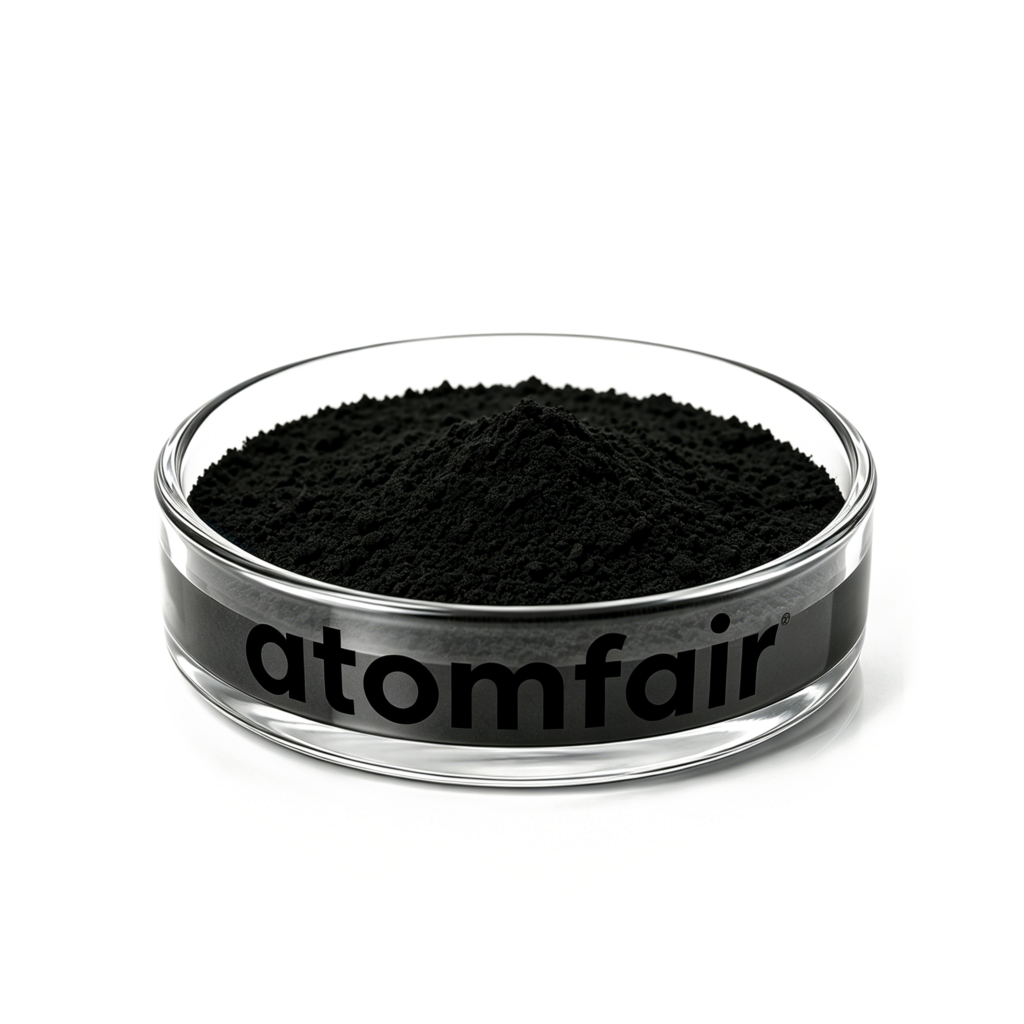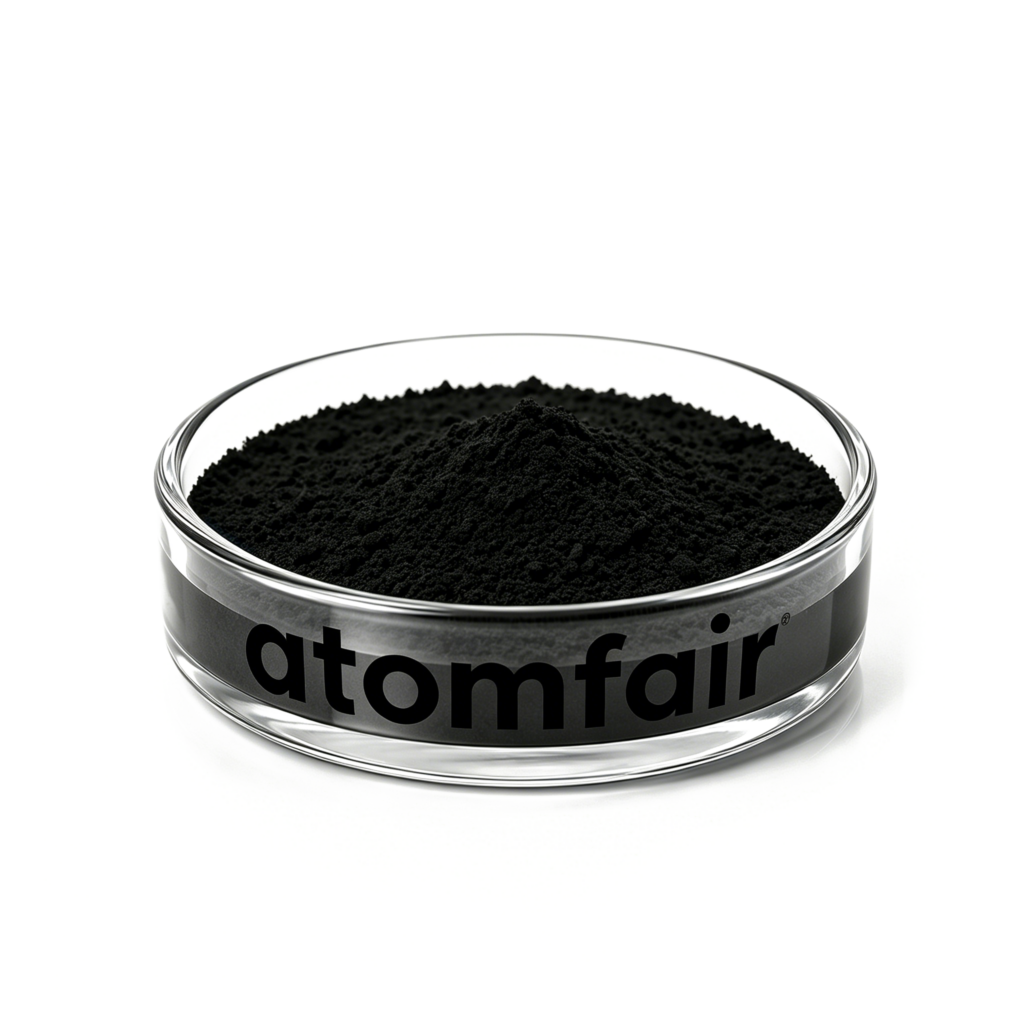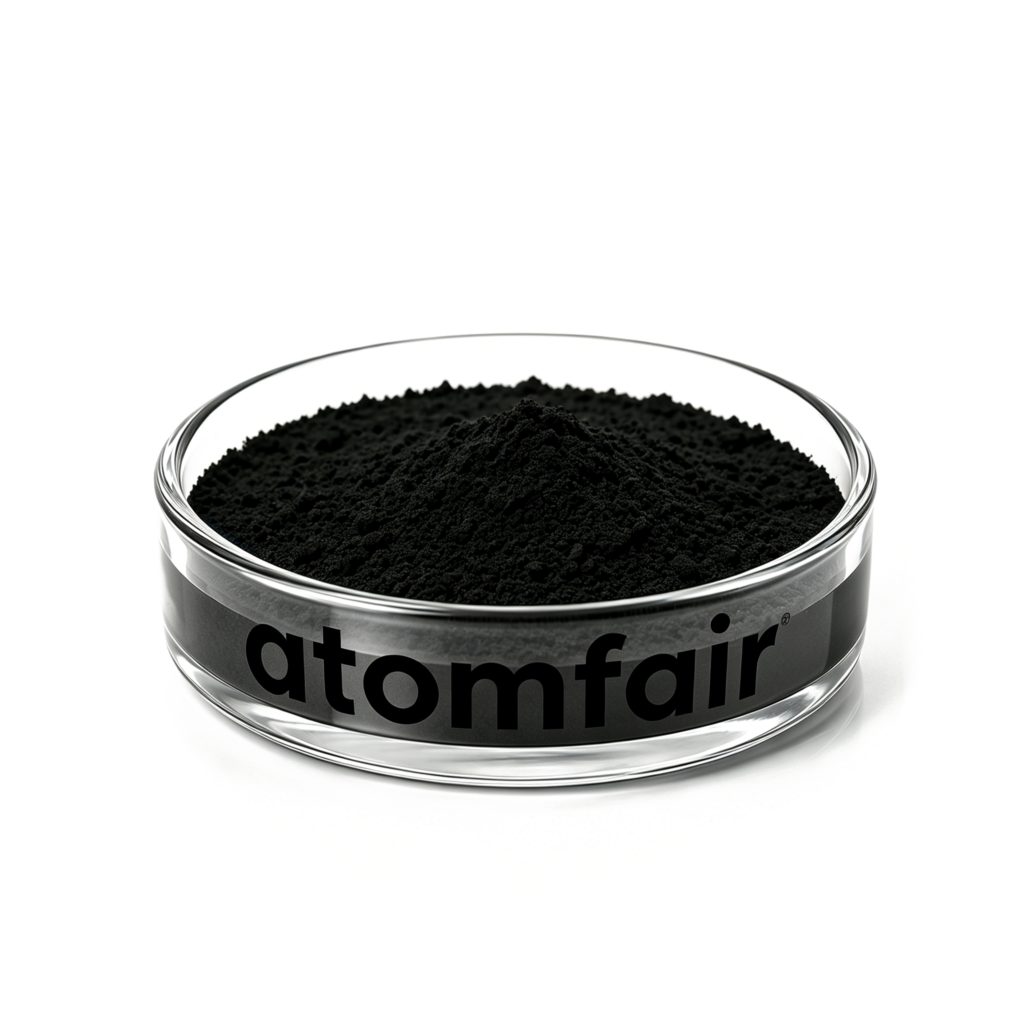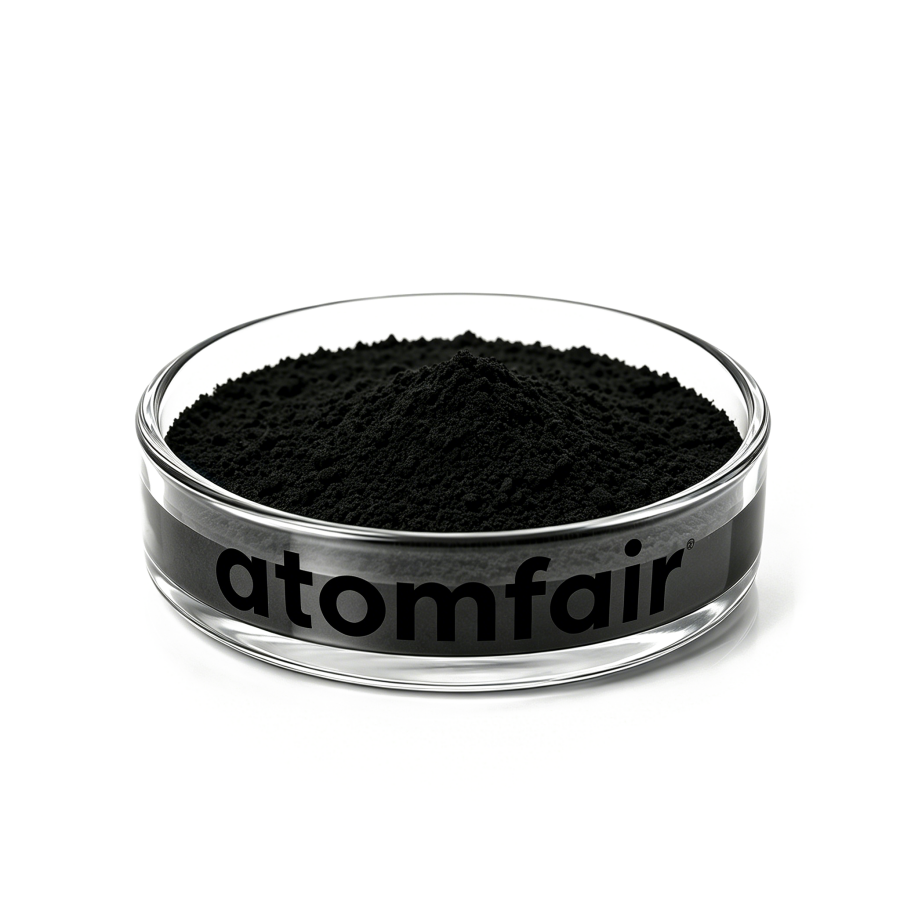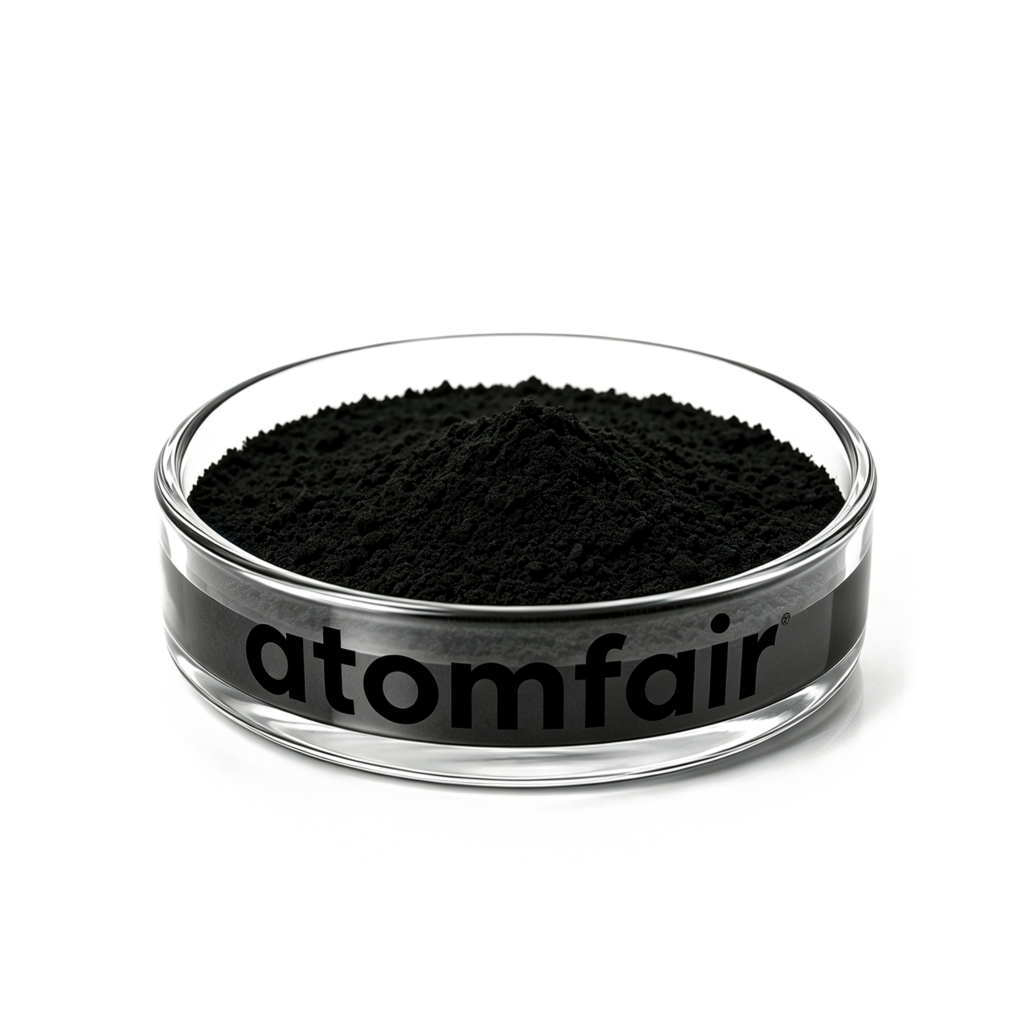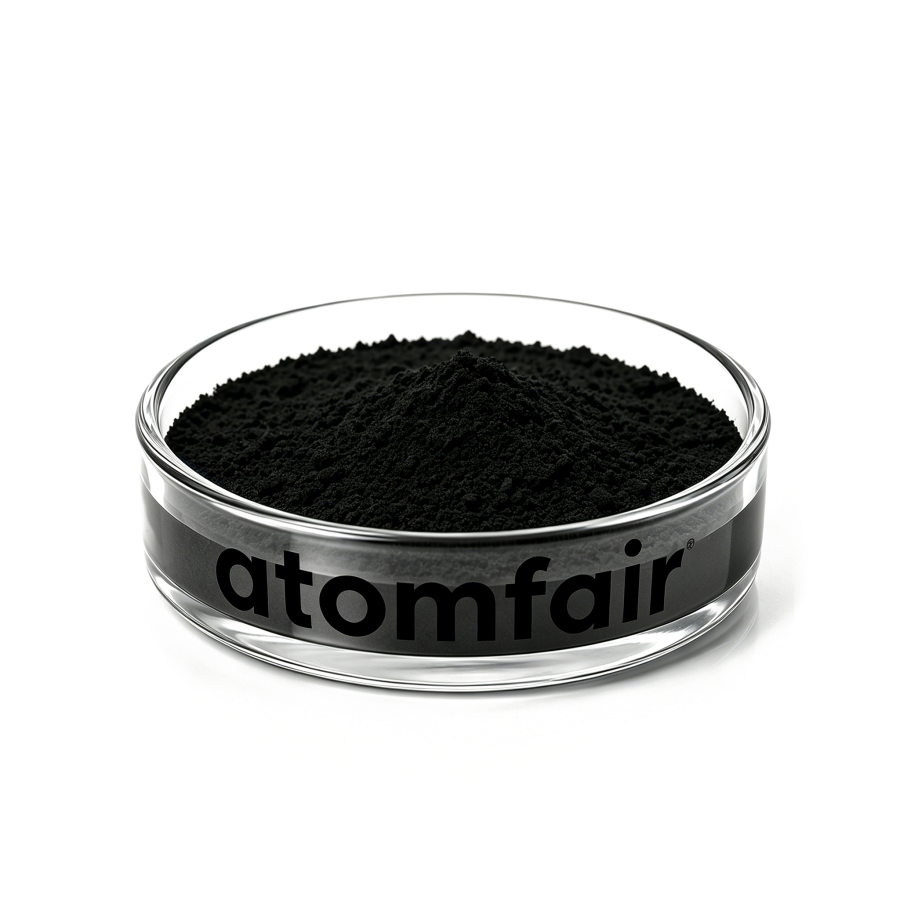
High-Conductivity Lithium Carbon Powder 400g 62m²/g ATOMFAIR®

$276.00

Institutional Procurement & Supply Compliance: As a verified US supplier, Atomfair accepts formal institutional Purchase Orders (POs), contract billing schedules, and custom procurement loops for university and national laboratories, and corporate R&D departments globally.

Commercial grade high-conductivity lithium carbon powder with 62 m²/g BET surface area and 40-50 nm primary particle size for battery slurries. Order now.

Description

High-Conductivity Lithium Carbon Powder 400g

COMMERCIAL GRADE · PRODUCTION

Product Overview

High-energy secondary battery packaging designs require continuous percolation networks within composite matrix arrays, and this premium conductive carbon black powder matrix supplies extreme electronic conductivity across dense active coatings. Engineered as an uncompromised, low-impedance high purity battery additive, the material exhibits high structural stability paired with a calibrated moderate BET specific surface area of 62 m²/g and a primary particle sizing matrix of 40 – 50 nm. This granular carbon model optimizes interstitial filling configurations during electrochemical slurry formulation routines, improving liquid electrolyte absorption kinetics without driving up paste processing viscosities. Capable of supporting high mass-loading profiles for advanced lithium-ion battery electro-chemistry, it eliminates tracking errors during battery prototyping cycles. This standard hardware component serves as the definitive reference baseline for academic research laboratories, pilot cell manufacturing lines, and automated industrial validation workflows.

Technical Specifications

CHEMICAL & PHYSICAL PARAMETER TECHNICAL SPECIFICATION RATINGS
Specific Surface Area Balance 62 m²/g (BET Baseline Evaluation Matrix)
Powder Electronic Conductivity Range 10 – 15 S/cm Core Electron Transfer Efficiency
Primary Crystallite Particle Sizing 40 – 50 nm Morphology Track
Apparent Powder Density 160 kg/m³ Structural Envelope Matrix
Maximum Volatile Moisture Fraction ≤ 0.1% Internal Weight Limits
Total Ash Residue Threshold ≤ 0.01% Ultra-Low Weight Fraction Controls
Total Metallic Iron (Fe) Contaminant ≤ 5 ppm Strict Upper Cap Limits
Suspension pH Factor Metric 10.0 Aqueous Alkaline Baseline
Alternative Catalog Items Explore our complete component catalog for alternative volumetric capacities, high-conductivity polymer separators, aluminum-laminated protective packaging films, or multi-channel battery cycling systems.

Key Features & Advantages

  • High Electron Transfer Efficiency: Native powder conductivity metrics tracking at 10 – 15 S/cm establish stable carbon branching corridors throughout the electrode sheets.
  • Rigid Trace Impurity Control: Iron thresholds are kept strictly below ≤5 ppm to neutralize risk parameters associated with internal localized short-circuit micro-loops.
  • Optimized Rheological Blending: Moderate 62 m²/g specific surface geometry prevents excessive binder absorption during planetary mixing actions, stabilizing casting slurry viscosities.
  • Flexible Prototyping Formats: Supplied inside sealed containment units optimized for high-purity laboratory small-batch testing routines and pilot-scale electrode coatings.

TECHNICAL COMPATIBILITY & CROSS-REFERENCE: This premium conductive carbon black matrix is processed to meet strict laboratory-grade material metrics, exhibiting identical surface properties and particle distributions to standard high-conductivity industrial carbon additives. It functions as a highly reliable institutional alternative for research groups currently using mainstream high-drain commercial carbon powders, matching physical component performance standards seamlessly.
EXPERIMENTAL APPLICATION & SETUP GUIDE: Our conductive carbon black powder is optimized for high-precision electrochemical validation loops. Due to its standard mechanical morphology and low grit accumulation parameters, it blends smoothly into active phase slurries. For instance, when constructing electrode pastes, this modifier provides seamless incorporation during manual blade casting or automated roll-to-roll slitting configurations without demanding custom structural slurry reformulation.
OPERATIONAL COMPLIANCE NOTICE: Prior to processing an electrode coating sequence, execute an explicit anhydrous vacuum oven drying sequence at 150 °C – 200 °C to safely eliminate surface-adsorbed ambient moisture traces. Keep storage bottles tightly sealed inside a low-humidity desiccated cleanroom room to insulate carbon branching structures from ambient atmospheric exposure. Our manufacturing chains conform fully with environmental verification tracing structures, and modules are processed through verified chemical logistics channels.

TAILORED SOLUTIONS FOR RESEARCH
Contact our engineering team for technical support or official institutional quotations.
EMAIL: INQUIRY@ATOMFAIR.COM
Manufacturer: PRODUCTION DIVISION · ADVANCED ENERGY STORAGE DIVISION
Brand: INDUSTRIAL TESTING HARDWARE
Specifications are representative and subject to change without notice. For the latest version and compliance certificates, contact official sales channel.

This conductive carbon black powder requires storage in a dry, low-humidity environment to prevent moisture uptake exceeding the 0.1% volatile limit. Proper dispersion in slurry formulation is essential to achieve the specified percolation network and avoid agglomeration.

  • Moisture Sensitivity: Ambient moisture absorption can degrade electronic conductivity and increase paste viscosity.
  • Slurry Compatibility: The powder must be compatible with the chosen binder-solvent system to ensure homogeneous dispersion and stable slurry rheology.

How does the 62 m²/g specific surface area of Super P Li affect its processing viscosity and rate performance in high-energy lithium-ion battery electrodes?

The 62 m²/g specific surface area provides a high surface-to-volume ratio that enhances electrolyte wetting and reduces charge transfer resistance, but it also increases slurry viscosity at fixed solids loading. For high-energy NMC or LFP electrodes, this trade-off requires optimizing binder content and mixing protocol to balance conductivity (10–15 S/cm) with coatability.

Is Super P Li conductive carbon black compatible with both aqueous (CMC/SBR) and organic (PVDF) electrode binder systems?

Yes, Super P Li is compatible with both aqueous and solvent-based binder systems. Its high purity (iron ≤5 ppm, ash ≤0.01%) minimizes catalytic degradation of PVDF or SBR binders. However, its pH of 10 may require pH adjustment in aqueous slurries to mitigate aluminum current collector corrosion, especially for cathodes.

What storage and handling precautions are required to preserve the low moisture content (0.1%) of Super P Li carbon black?

Store Super P Li in original sealed aluminum-plastic bags or airtight containers in a dry environment at ambient temperature. Its 0.1% moisture specification and high surface area (62 m²/g) make it hygroscopic; prolonged exposure to humid air can exceed the moisture threshold and degrade electrode performance. Use glovebox or dry room conditions when opening.

This evaluation assesses the Atomfair Super P Li Conductive Carbon Black as a high-purity, high-conductivity additive for lithium-ion battery electrodes, with key parameters including 62 m²/g surface area, 10-15 S/cm powder conductivity, and 40-50 nm particle size, optimized for R&D and pilot-scale electrode fabrication.

Positive

  • High purity with low iron contamination: Total iron content is ≤5 ppm, minimizing catalytic side reactions in lithium-ion battery electrodes that could degrade long-term cycling stability.
  • Excellent electronic conductivity: Powder conductivity of 10-15 S/cm combined with 40-50 nm primary particle size facilitates efficient electron percolation networks at low loading fractions, improving rate capability.

Trade-offs

  • Fine powder handling challenges: With a particle size range of 40-50 nm, the material is in the nanoscale range, which may lead to airborne dust generation and require careful handling with proper ventilation and personal protective equipment.
  • Alkaline pH requiring precautions: A pH value of 10 indicates mildly basic behavior; contact with skin or eyes should be avoided, and protective gloves and eyewear are recommended during dispensing and slurry preparation.

Every advanced material, component, equipment, and instrument in our catalog is backed by rigorous testing. We maintain strict internal quality management frameworks and align with CE conformity metrics to deliver transparent, reproducible performance data via our public open-science repository.

To request raw batch performance data, submit formal vendor registration paperwork, or execute a fast-turnaround R&D manufacturing loop, contact us at inquiry@atomfair.com.

Item is dispatched under the Atomfair Shipping & Delivery Framework (Free worldwide shipping on orders over $59 USD). Return is governed by the Atomfair Return & Refund Policy (7-day technical return window).