Description
ATOMFAIR® S03-GRAPHITE (GR) ELECTRODE SHEETRESEARCH GRADE MATERIAL | DRY PROCESS
|
|||||||||||||||||||||||||||||||||||||||||
|
|||||||||||||||||||||||||||||||||||||||||
|
TAILORED SOLUTIONS FOR RESEARCH
Contact our engineering team for technical support or custom fabrication inquiries.
EMAIL: inquiry@atomfair.com
|
|||||||||||||||||||||||||||||||||||||||||
|
Manufacturer: Atomfair LLC
Brand: ATOMFAIR®
|
|||||||||||||||||||||||||||||||||||||||||
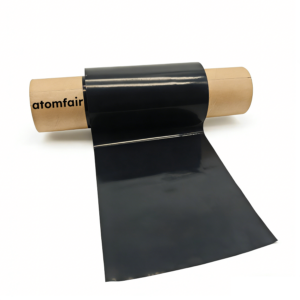
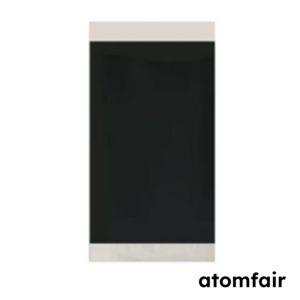
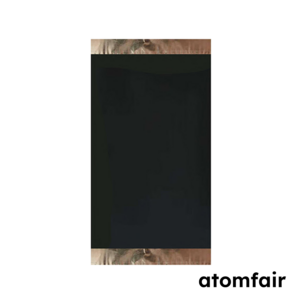
This graphite anode electrode sheet is single-side coated at 18.9 mg/cm² via dry process on a carbon-coated copper foil substrate. The high active material ratio (96.0%) and compaction density (1.31 g/cm³) require controlled handling and precise calendering to maintain electrode integrity.
- Coating Uniformity Constraint: The single-sided coating with 18.9 mg/cm² areal density requires uniform calendering to avoid local over-compaction and ensure consistent electrochemical performance.
How does the 96.0% active material ratio in the Atomfair S03 graphite anode affect electrode mechanical stability and capacity?
The 96.0% active graphite content maximizes the specific capacity of 350 mAh/g, but leaves only 4% for binder and conductive additives, which can reduce mechanical cohesion. To compensate, the carbon-coated copper foil substrate improves mechanical anchoring and lowers interface contact resistance, maintaining structural integrity during cycling.
What cell design constraints arise from using the single-sided coating on the Atomfair S03 anode?
The single-sided coating (18.9 mg/cm² on a 120×90 mm area) makes the S03 primarily suited for half-cell testing and symmetric cell configurations. For full cells, a double-sided cathode or two anode sheets per cathode are required to balance capacity, increasing assembly complexity.
What preconditioning steps are required for the Atomfair S03 graphite anode before electrochemical testing?
The product requires vacuum baking at 100°C for 12 hours to remove residual moisture before cell assembly. This step is critical for consistent performance and is explicitly recommended in the product documentation.
This research-grade graphite anode sheet offers a high active material ratio (96.0%) and dry-process coating uniformity for lithium-ion battery R&D, but requires vacuum baking conditioning and is limited to single-side coating.
Positive
- High active material ratio: The 96.0% active graphite formulation provides a specific capacity target of 350 mAh/g, delivering measurable electrochemical performance for anode evaluation.
- Dry coating uniformity: The advanced dry process yields pristine structural film properties and highly uniform 18.9 mg/cm² loading, ensuring consistency across the single-sided coating profile.
Trade-offs
- Mandatory vacuum baking: The recommended baseline conditioning protocol requires 12 hours of vacuum baking at 100°C before use, adding time and infrastructure demands to lab workflows.
- Single-side coating only: The electrode is coated on one side only, which may necessitate additional processing or assembly steps for applications requiring double-sided active material layers.
Every advanced material, component, equipment, and instrument in our catalog is backed by rigorous testing. We maintain strict internal quality management frameworks and align with CE conformity metrics to deliver transparent, reproducible performance data via our public open-science repository.
To request raw batch performance data, submit formal vendor registration paperwork, or execute a fast-turnaround R&D manufacturing loop, contact us at inquiry@atomfair.com.
Item is dispatched under the Atomfair Shipping & Delivery Framework (Free worldwide shipping on orders over $59 USD). Return is governed by the Atomfair Return & Refund Policy (7-day technical return window).