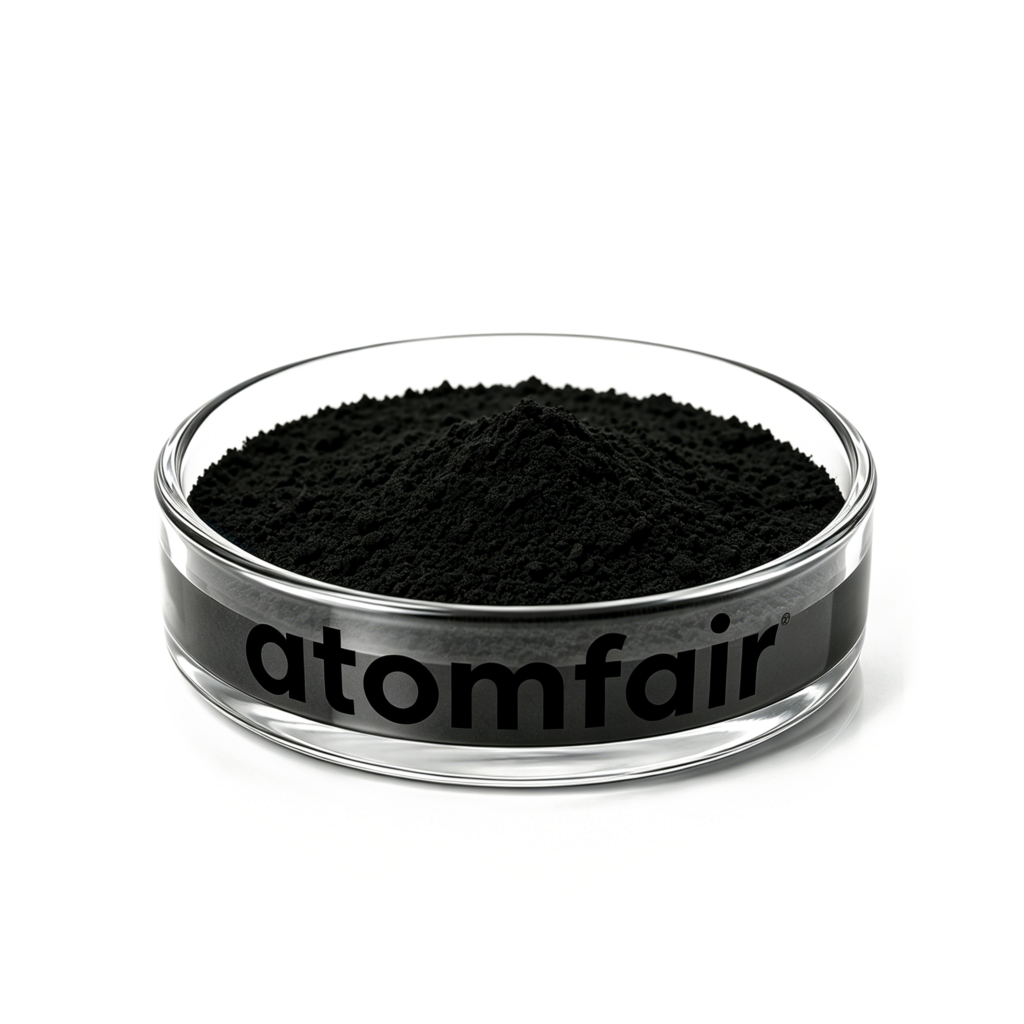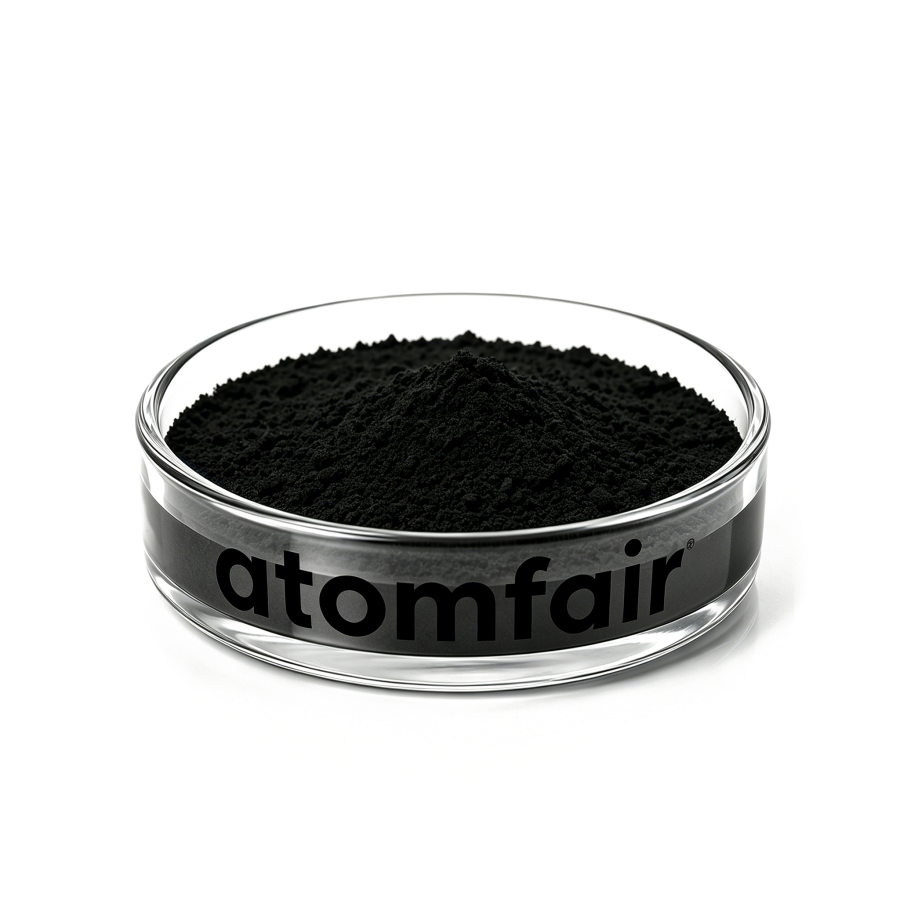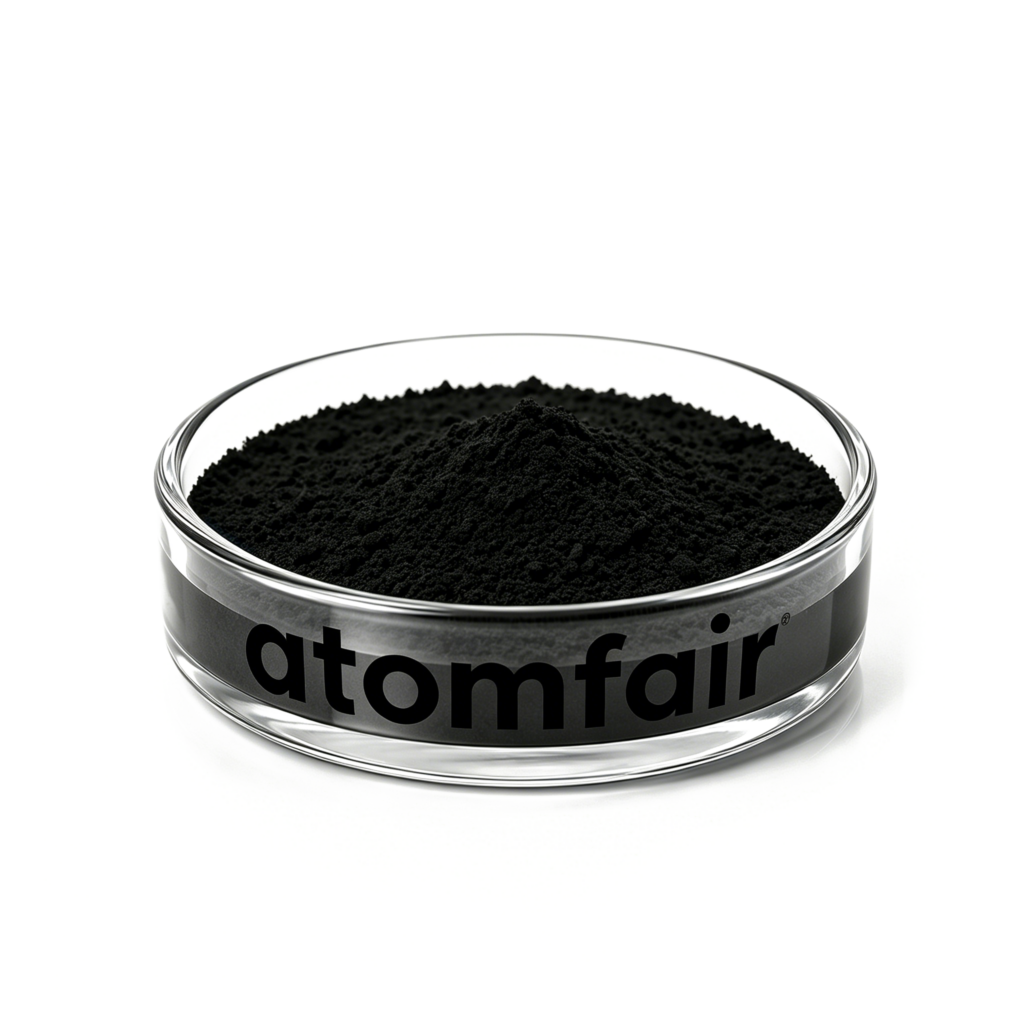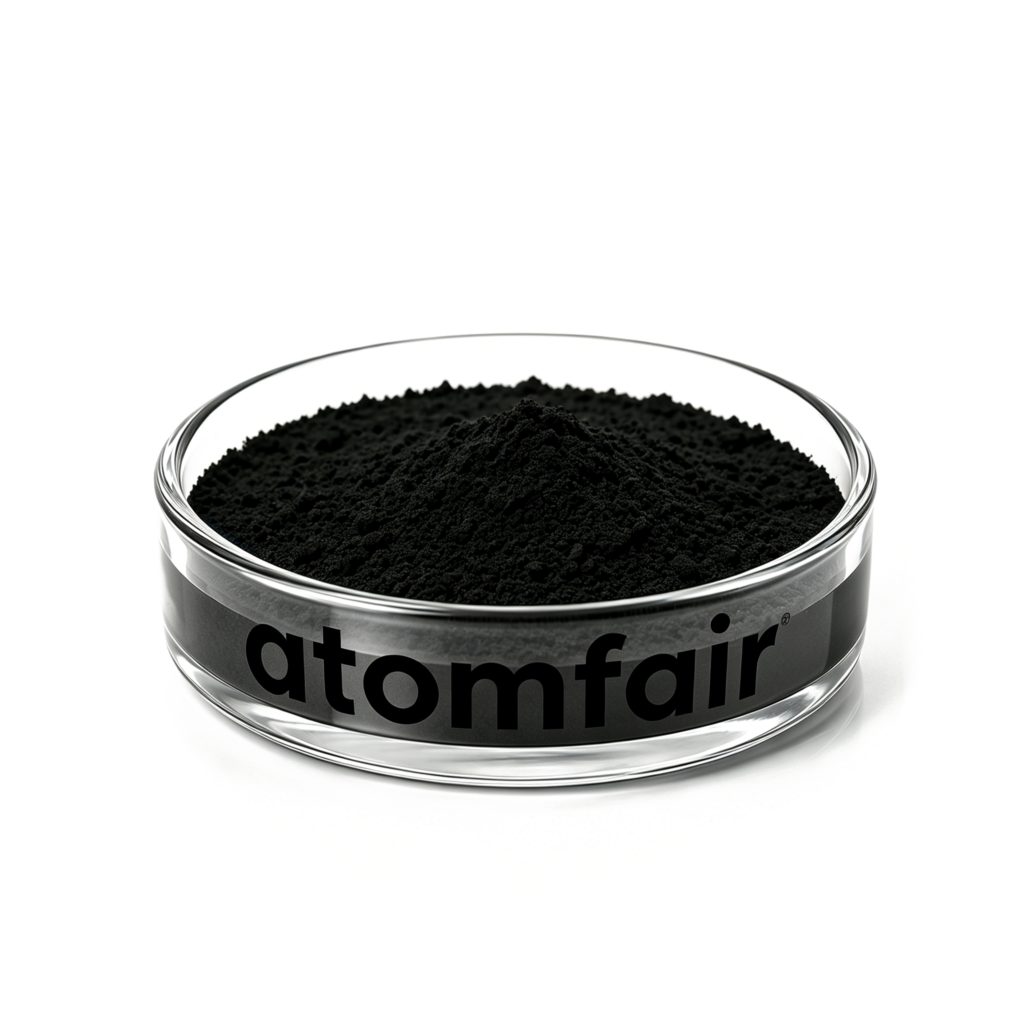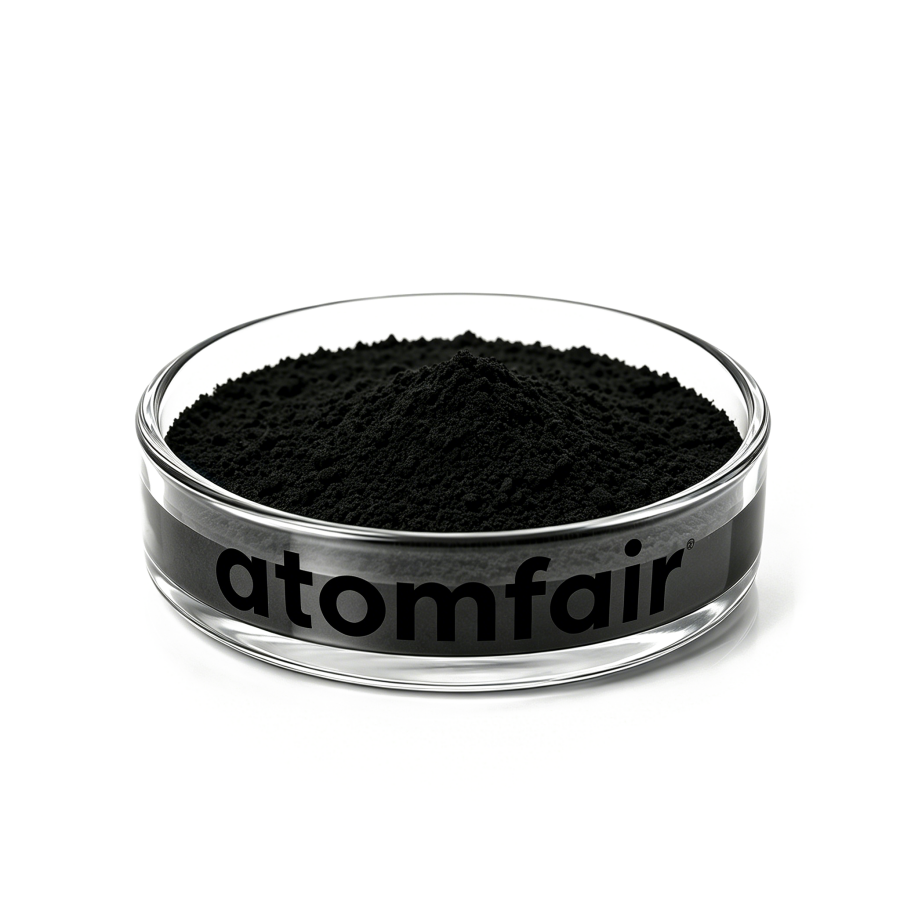
62 m²/g BET Conductive Carbon Black Powder , 400gCOMMERCIAL GRADE · PRODUCTION
|
|||||||||||||||||||||||||||||||
|
|||||||||||||||||||||||||||||||
|
TAILORED SOLUTIONS FOR RESEARCH
Contact our engineering team for technical support or official institutional quotations.
EMAIL: INQUIRY@ATOMFAIR.COM
|
|||||||||||||||||||||||||||||||
|
Manufacturer: PRODUCTION DIVISION · ADVANCED ENERGY STORAGE DIVISION
Brand: INDUSTRIAL TESTING HARDWARE
Specifications are representative and subject to change without notice. For the latest version and compliance certificates, contact official sales channel.
|
This conductive carbon black powder must be stored in a dry, airtight container to prevent moisture absorption beyond the ≤0.1% weight limit. The material should be handled in a clean environment to avoid contamination that could affect slurry formulation and electrode performance.
- Moisture Absorption Prevention: Store the powder in a sealed container within a dry atmosphere to maintain the maximum moisture fraction below 0.1% by weight.
- Contamination Control: Handle using clean, dedicated tools in a low-dust environment to preserve the total ash residue threshold of ≤0.05% and avoid volatile mass increase.
- Atmosphere Exposure Limitations: Minimize exposure to ambient air during weighing and transfer to prevent moisture pickup and volatile loss, preferably working inside a glovebox.
How does the moderate BET surface area of 62 m²/g for Super P carbon black impact its performance as a conductive additive in lithium-ion battery electrodes compared to higher surface area carbon blacks?
The 62 m²/g BET specific surface area provides an optimal balance between electrical conductivity and processability, enabling high active material loading without requiring additional dispersing agents. Higher surface area carbon blacks often demand dispersants to prevent agglomeration, but Atomfair Super P achieves consistent conductivity with a lower dosage, reducing NMP consumption and drying time while maintaining a high energy density and power density.
What are the constraints for integrating Super P carbon black into existing slurry formulations, particularly regarding compatibility with electrolyte systems and dispersant requirements?
Atomfair Super P is fully compatible with most electrolyte systems based on international standard formulations and requires no additional dispersing agent, simplifying the slurry preparation process. However, to prevent moisture-related issues, the powder must be dried at 150–200 °C before use, as its moisture content is specified at 0.1% and the sealed bottle packaging should be maintained until pre-treatment.
What are the recommended pre-treatment and storage conditions for Atomfair Super P carbon black to maintain its performance in battery electrode slurries?
The carbon black must be dried in an oven at 150–200 °C prior to slurry preparation to remove adsorbed moisture; the as-received moisture content is 0.1%. Storage should be in the original sealed bottle to prevent moisture pickup, and the product's high purity (ash content 0.05%, grit >45 μm at 5 ppm) ensures reliable performance when handled according to these specifications.
This evaluation assesses the Atomfair Super P Conductive Carbon Black for use as a conductive additive in battery electrodes. Its moderate BET surface area (62 m²/g) and high purity support consistent electrical percolation, while the elimination of a dispersant simplifies processing. However, mandatory pre-drying and alkaline pH (10) impose handling and compatibility considerations.
Positive
- No dispersant required: Eliminates the need for additional dispersing agents in slurry formulation, reducing process complexity and material costs while maintaining effective particle dispersion.
- High purity with low impurity levels: Ash content of 0.05% and trace metals (Fe ≤5 ppm, Ni ≤1 ppm, V ≤1 ppm) minimize contamination risks in electrochemical cells, supporting consistent electrode performance.
Trade-offs
- Pre-drying required before use: The powder must be dried at 150–200 °C to remove adsorbed moisture prior to slurry preparation, adding an extra processing step and energy consumption.
- Alkaline pH may limit electrolyte compatibility: With a pH of 10, the material's basicity could interact adversely with acidic electrolyte components or pH-sensitive cathode chemistries, requiring formulation verification.
Every advanced material, component, equipment, and instrument in our catalog is backed by rigorous testing. We maintain strict internal quality management frameworks and align with CE conformity metrics to deliver transparent, reproducible performance data via our public open-science repository.
To request raw batch performance data, submit formal vendor registration paperwork, or execute a fast-turnaround R&D manufacturing loop, contact us at inquiry@atomfair.com.
Item is dispatched under the Atomfair Shipping & Delivery Framework (Free worldwide shipping on orders over $59 USD excl. heavy equipment). Return is governed by the Atomfair Return & Refund Policy (7-day technical return window).