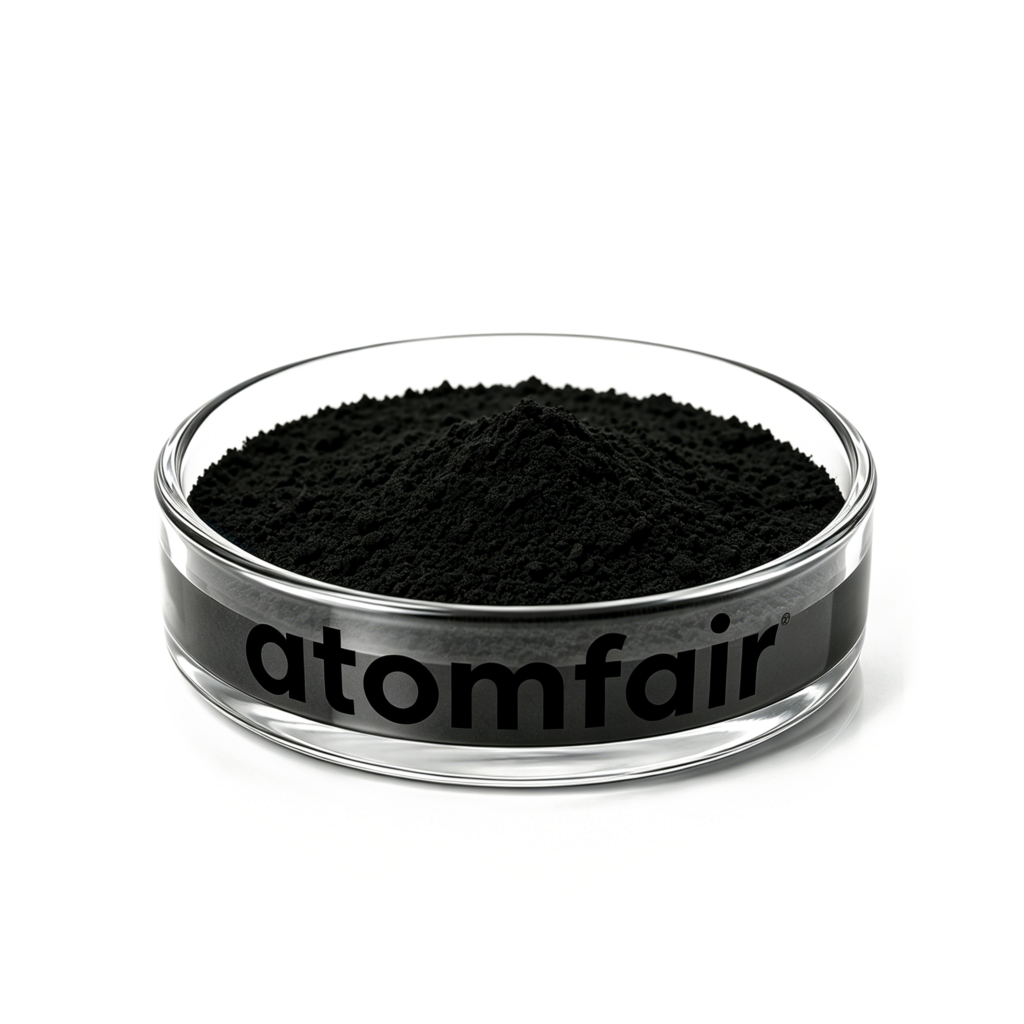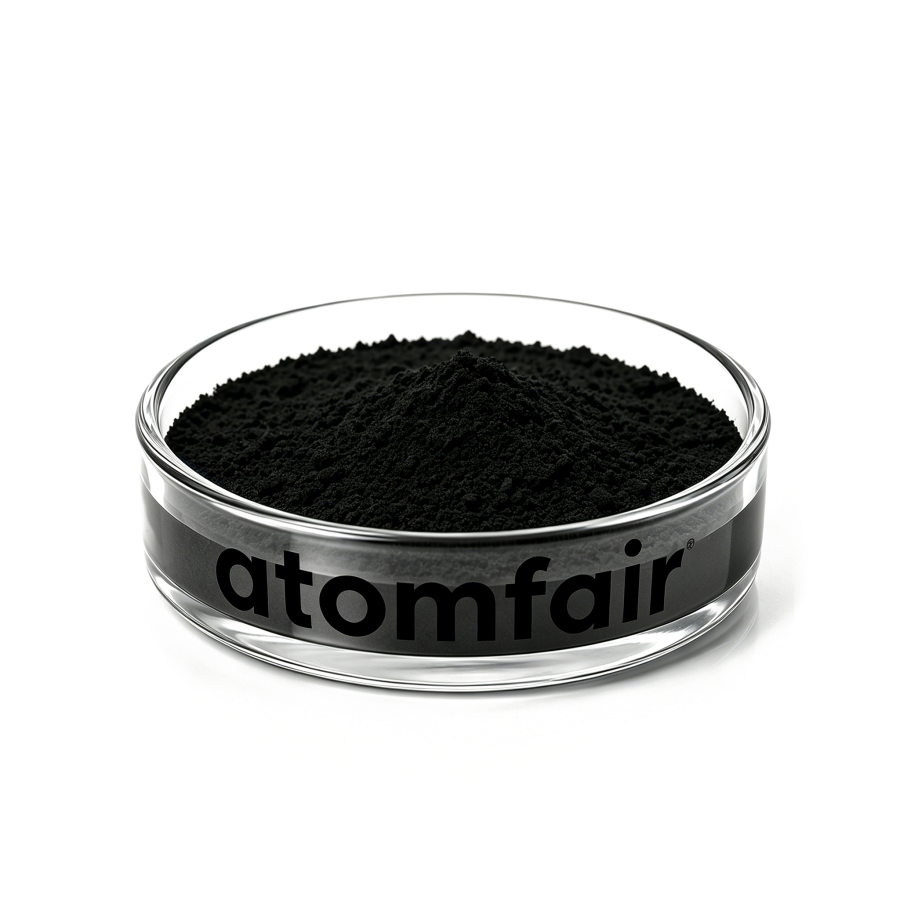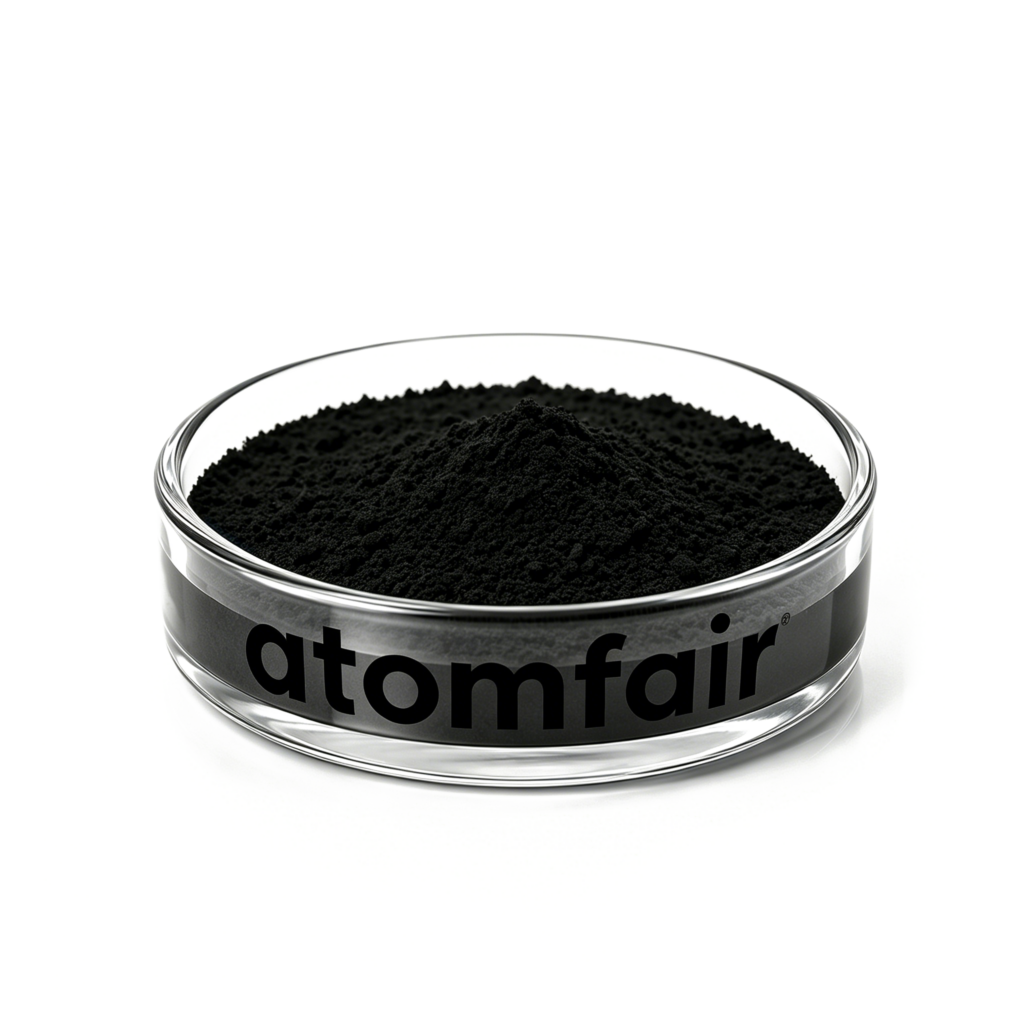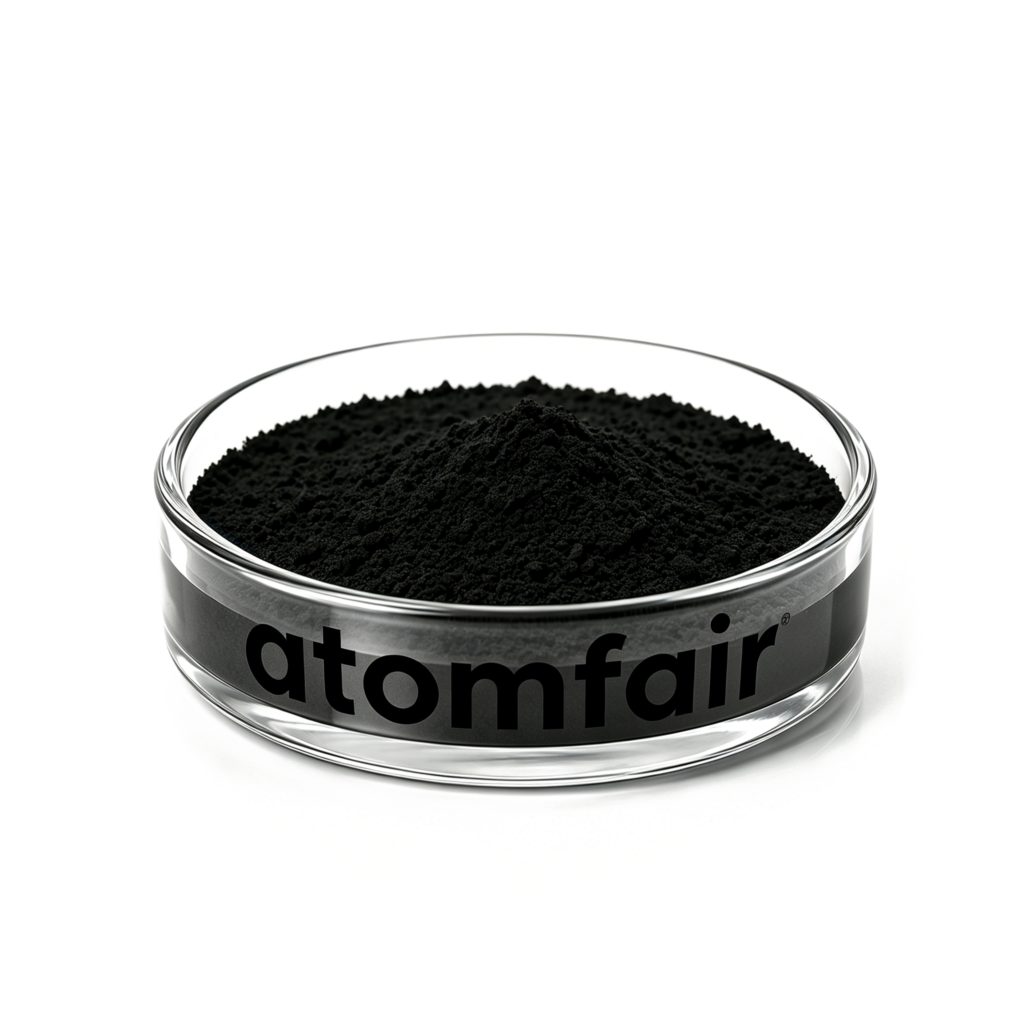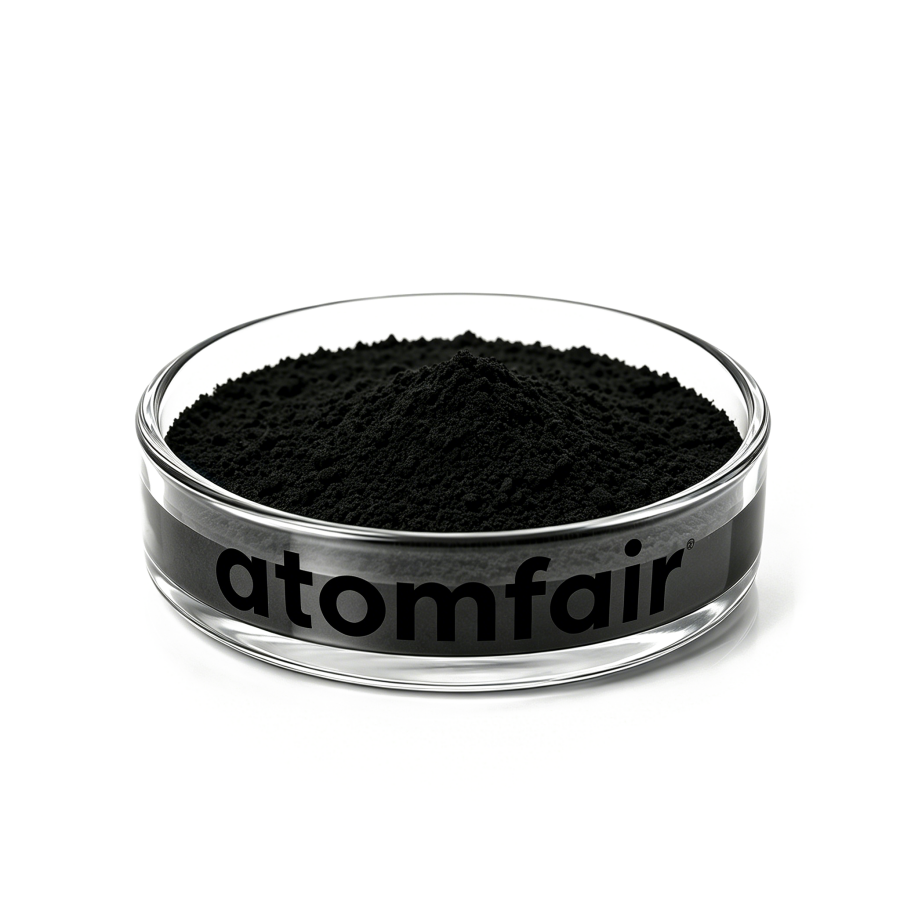
High-Porosity Conductive Carbon Black Powder, 100gCOMMERCIAL GRADE · PRODUCTION
|
|||||||||||||||||||||||
|
|||||||||||||||||||||||
|
TAILORED SOLUTIONS FOR RESEARCH
Contact our engineering team for technical support or official institutional quotations.
EMAIL: INQUIRY@ATOMFAIR.COM
|
|||||||||||||||||||||||
|
Manufacturer: PRODUCTION DIVISION · ADVANCED ENERGY STORAGE DIVISION
Brand: INDUSTRIAL TESTING HARDWARE
Specifications are representative and subject to change without notice. For the latest version and compliance certificates, contact official sales channel.
|
This high-porosity conductive carbon black powder requires careful dispersion to prevent aggregation and ensure homogeneous percolation networks. Optimal performance is achieved when integrated into slurry formulations at ultra-low loading fractions to minimize internal resistance without compromising mechanical integrity.
- Dispersion Protocol: Disperse the powder uniformly in a compatible solvent using high-shear mixing to break up agglomerates and establish stable colloidal suspension.
- Loading Optimization: Maintain loading fractions below the percolation threshold's saturation point to maximize conductivity gains without adding excessive inactive mass.
This procedure outlines the standard method for incorporating high-porosity conductive carbon black into electrode slurries. Proper dispersion and mixing ensure low internal resistance and uniform coating quality.
- Introduce Carbon Black
Gradually introduce the carbon black powder into a vessel containing the chosen solvent and binder while agitating continuously. - High-Shear Dispersion
Continue high-shear mixing until the dispersion exhibits no visible aggregates and a consistent colloidal appearance. - Blend with Active Material
Combine the resulting conductive dispersion with the active electrode material and blend to form a homogenous slurry for coating.
How does the high surface area (600 m²/g) of Ketjenblack EC-600JD impact its dispersion behavior in polymer composites compared to conventional carbon blacks?
The 600 m²/g surface area provides superior electrical percolation at lower loadings but increases the tendency for agglomeration due to strong Van der Waals forces. The fine particle size (20–30 nm) necessitates high-shear mixing or surfactant-assisted dispersion to achieve uniform distribution, as per standard practices for high-structure carbon blacks.
Can Ketjenblack EC-600JD be directly incorporated into lithium-ion battery electrode slurries using standard NMP-based processing?
Yes, Ketjenblack EC-600JD is designed as a conductive additive for energy storage applications and is compatible with NMP and PVDF binder systems. However, its aggregated, high-porosity structure may require optimized mixing sequences and prolonged dispersion time to achieve full conductivity benefits.
What storage conditions are critical for maintaining the electrical conductivity of Ketjenblack EC-600JD over time?
Store in a cool, dry place away from direct sunlight and moisture to prevent agglomeration or degradation. Use appropriate PPE when handling, as the fine powder (20–30 nm) can become airborne and pose inhalation hazards.
This Ketjenblack EC-600JD carbon black offers a BET surface area of ~600 m²/g and 20-30 nm primary particle size, providing exceptional electrical conductivity and mechanical reinforcement for energy storage and conductive composites. However, its fine, porous aggregate structure demands strict moisture-free storage and respiratory PPE during handling to maintain performance and safety.
Positive
- High surface area and fine particles: Approximately 600 m²/g surface area with 20-30 nm average particle size enables excellent conductivity and mechanical reinforcement in composites and electrodes.
- Exceptional conductivity for energy storage: Superior electrical performance makes it ideal as a conductive additive in batteries, supercapacitors, and conductive polymers, improving charge transport.
Trade-offs
- Moisture and light sensitivity: Must be stored in a cool, dry place away from direct sunlight and moisture to prevent degradation of electrical properties and avoid agglomeration.
- Respiratory hazard from fine dust: The fine particle size requires use of appropriate PPE during handling to avoid inhalation, as airborne carbon black dust can pose respiratory risks.
Every advanced material, component, equipment, and instrument in our catalog is backed by rigorous testing. We maintain strict internal quality management frameworks and align with CE conformity metrics to deliver transparent, reproducible performance data via our public open-science repository.
To request raw batch performance data, submit formal vendor registration paperwork, or execute a fast-turnaround R&D manufacturing loop, contact us at inquiry@atomfair.com.
Item is dispatched under the Atomfair Shipping & Delivery Framework (Free worldwide shipping on orders over $59 USD excl. heavy equipment). Return is governed by the Atomfair Return & Refund Policy (7-day technical return window).