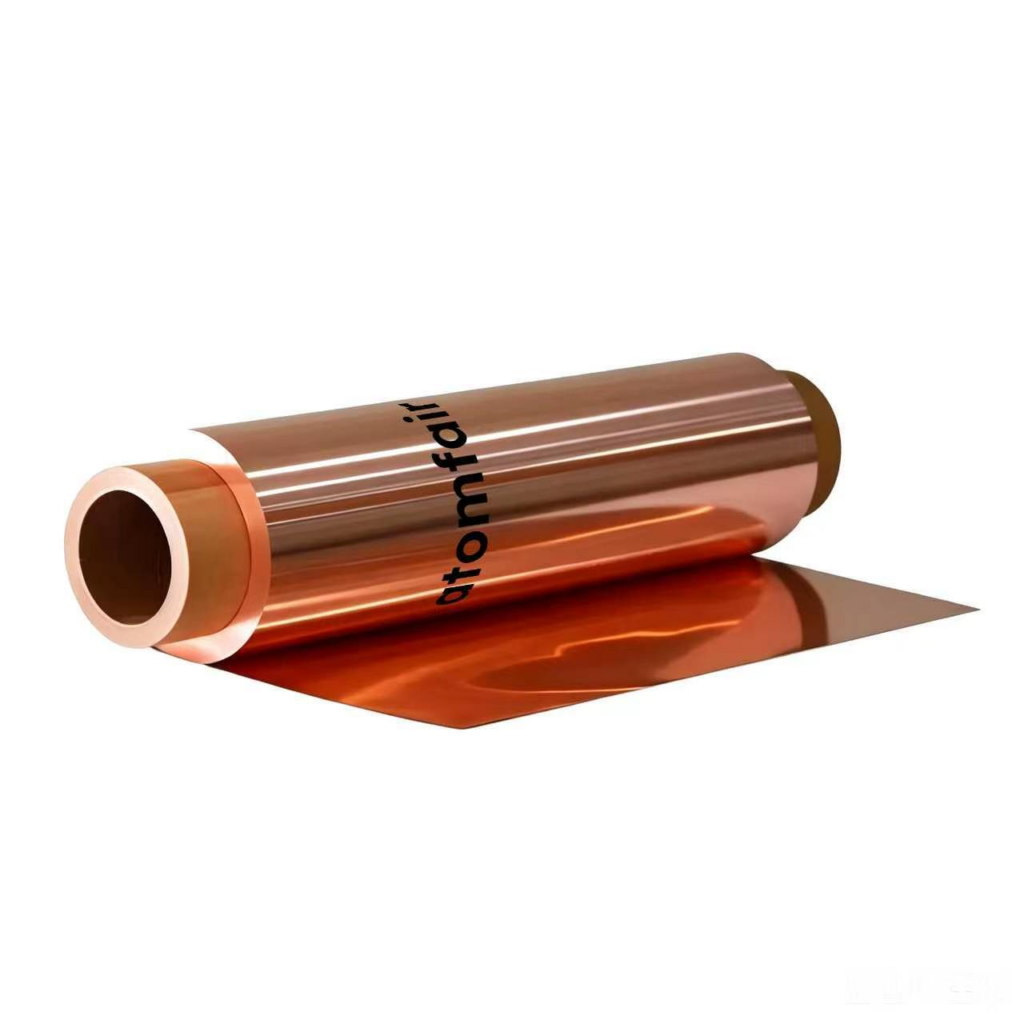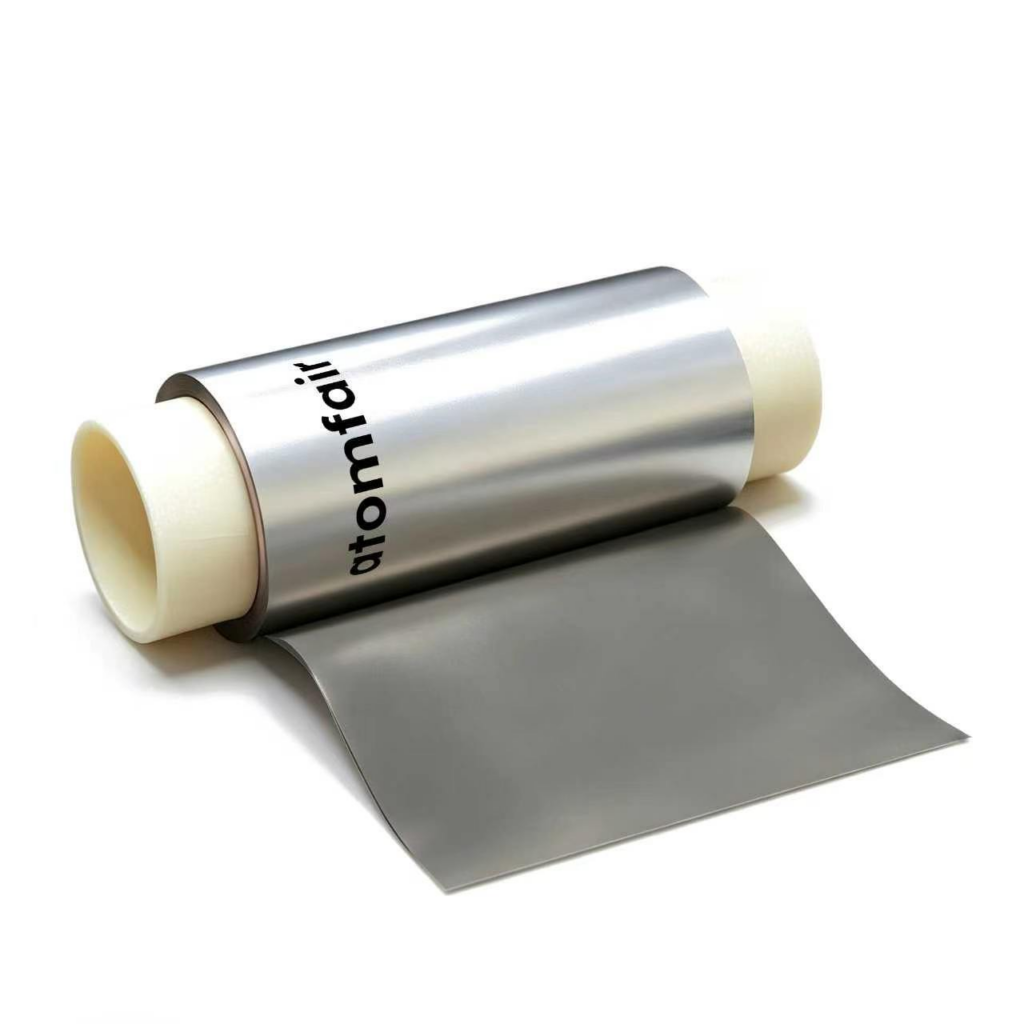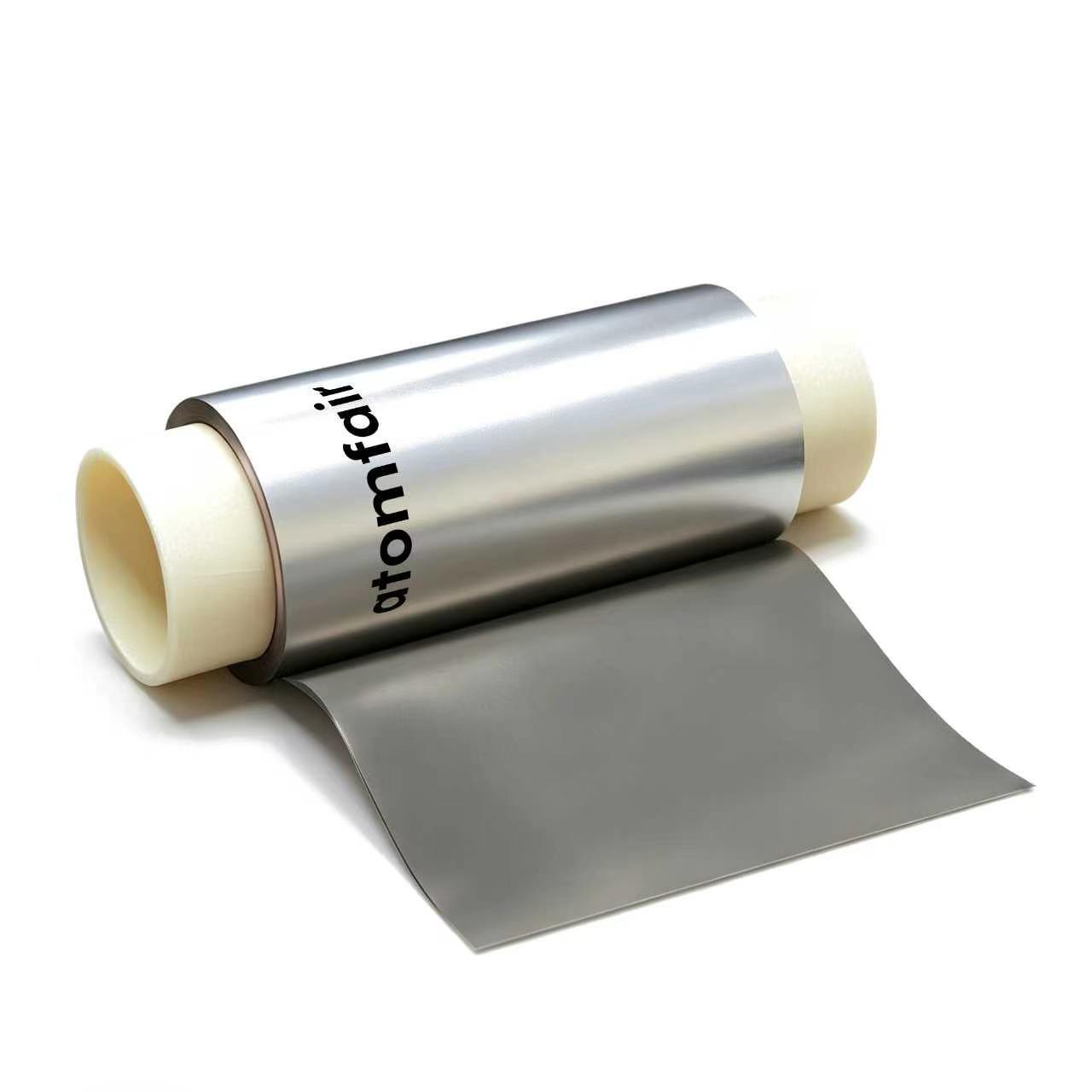
ATOMFAIR® COPPER-NICKEL (WHITE COPPER) FOILRESEARCH GRADE MATERIAL
|
||
|
|
|
|
How does the 0.01 mm minimum thickness affect the mechanical integrity and handling of Atomfair white copper foil for precision resistor applications?
The 0.01 mm thickness offers high sensitivity for strain gauges but requires extremely careful handling to avoid tearing or creasing. The foil's thickness tolerance of ±0.003 mm ensures consistent electrical properties, but mechanical robustness is reduced compared to thicker gauges. Recommended for use in controlled laboratory environments where precise mounting procedures can be followed.
Can Atomfair C70600 white copper foil be used as a direct replacement for constantan in type T thermocouple fabrication?
Yes, the C70600 grade, with 39.0–41.0% nickel content and balance copper, closely matches the composition of standard constantan used in type T thermocouples. However, because the material also contains 1.0–2.0% manganese and up to 0.5% iron, users should verify thermoelectric voltage against reference tables or perform calibration for high-accuracy applications. The foil's low temperature coefficient ensures minimal drift in the measurement circuit.
What special handling precautions are necessary when working with Atomfair white copper foil in the 0.01–0.15 mm thickness range?
The ultra-thin foil, with thickness down to 0.01 mm and tolerance of ±0.003 mm, is susceptible to mechanical damage from bends or sharp edges. It should be stored in a dry, clean environment to prevent surface contamination that could affect resistivity. Use anti-static gloves and padded fixtures during cutting or winding to avoid introducing stress that changes electrical characteristics.
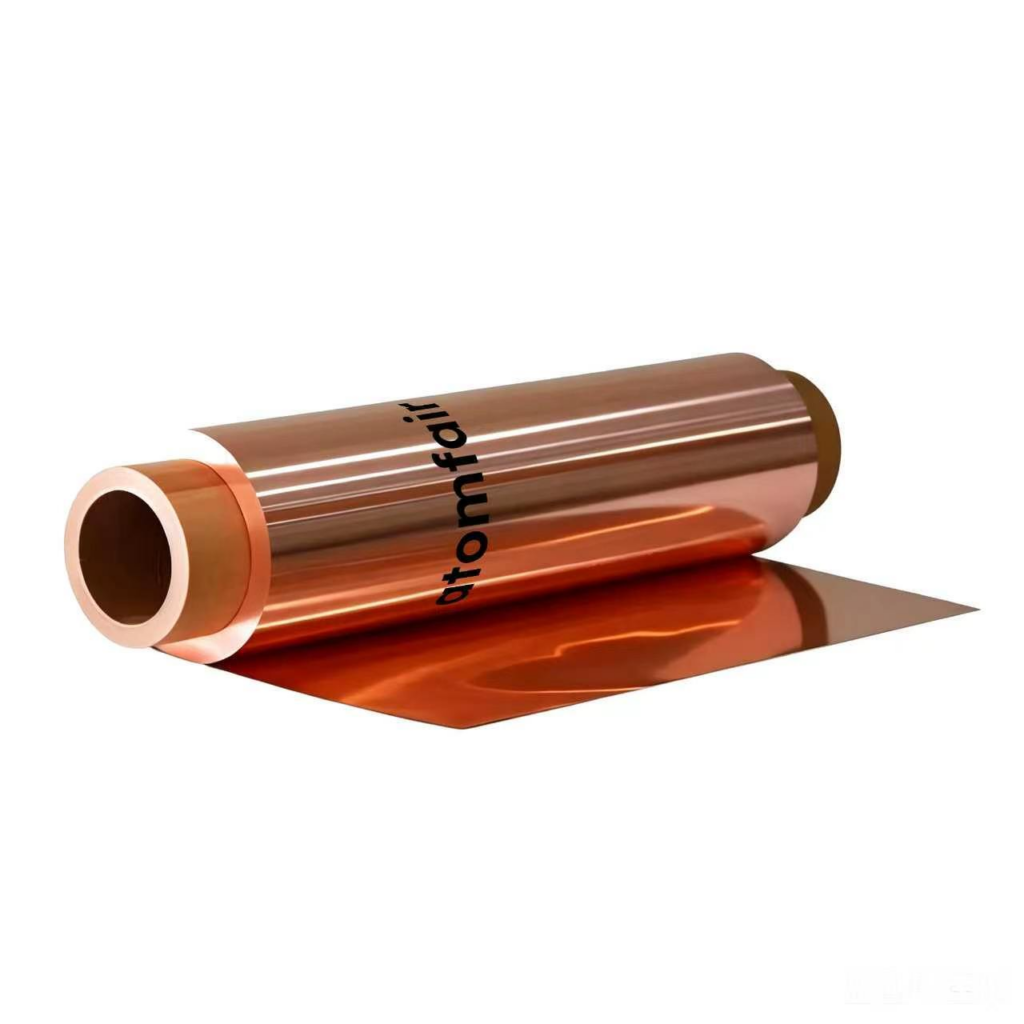
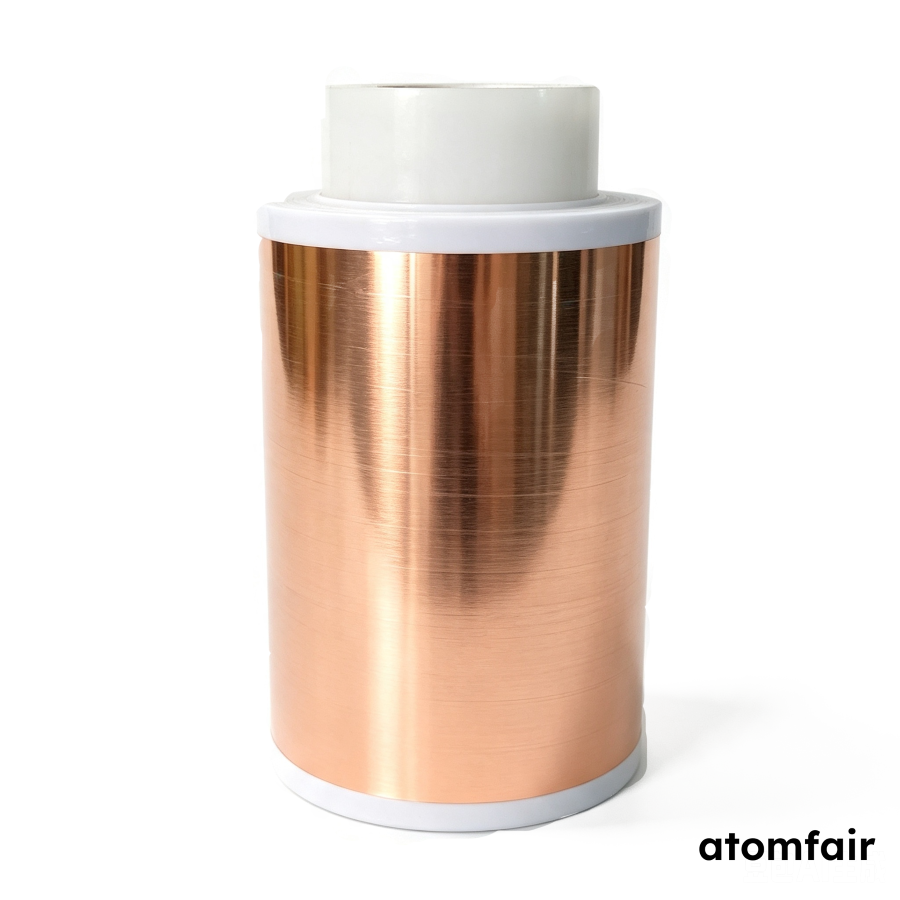
This copper-nickel (white copper) foil delivers a low temperature coefficient of resistivity and exceptional corrosion resistance, enabling precise temperature measurement and stable performance in marine, chemical, and industrial environments. The 0.01–0.15 mm thickness range supports fine-resolution applications like strain gauges and thermocouples, though it demands careful handling and its resistivity is higher than pure copper, limiting use in low-loss circuits.
Positive
- Low temperature coefficient of resistivity: The alloy’s resistivity varies minimally with temperature (up to 0.48 Ω·mm²/m), ensuring stable electrical performance across a wide temperature range for precision measurement applications.
- Outstanding corrosion resistance: The copper-nickel composition provides excellent resistance to harsh environments, including marine and chemical settings, enabling long-term reliable operation in extreme conditions.
Trade-offs
- Thin foil handling requirements: With a thickness range of 0.01–0.15 mm, the foil is delicate and requires careful handling, storage, and processing to avoid mechanical damage, creasing, or surface contamination.
- Higher resistivity than pure copper: The alloy’s resistivity (up to 0.48 Ω·mm²/m) is significantly higher than that of pure copper, making it unsuitable for applications that demand very low resistive losses or high current carrying capacity.
Every advanced material, component, equipment, and instrument in our catalog is backed by rigorous testing. We maintain strict internal quality management frameworks and align with CE conformity metrics to deliver transparent, reproducible performance data via our public open-science repository.
To request raw batch performance data, submit formal vendor registration paperwork, or execute a fast-turnaround R&D manufacturing loop, contact us at inquiry@atomfair.com.
Item is dispatched under the Atomfair Shipping & Delivery Framework (Free worldwide shipping on orders over $59 USD excl. heavy equipment). Return is governed by the Atomfair Return & Refund Policy (7-day technical return window).