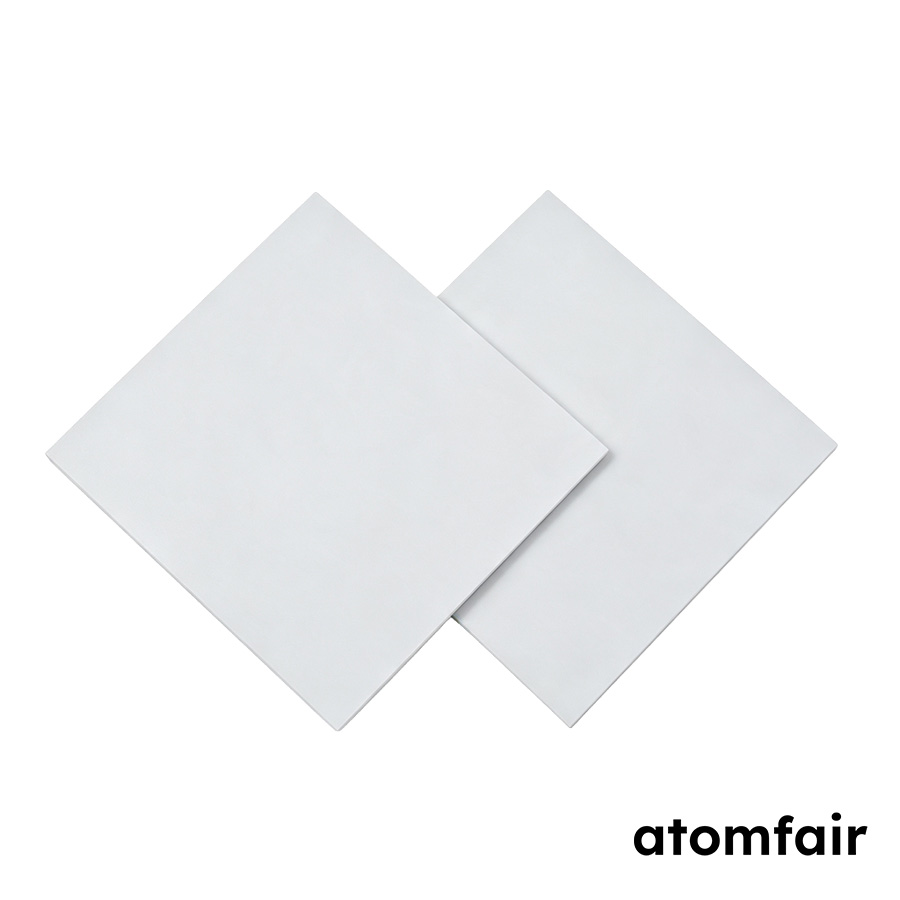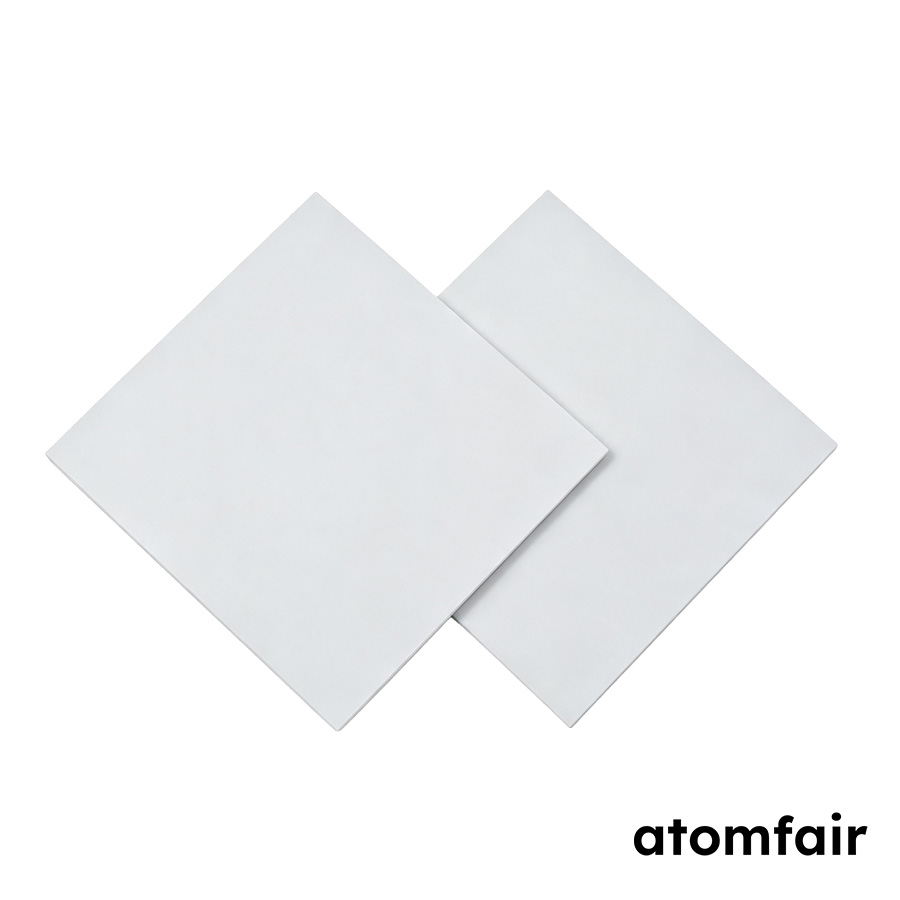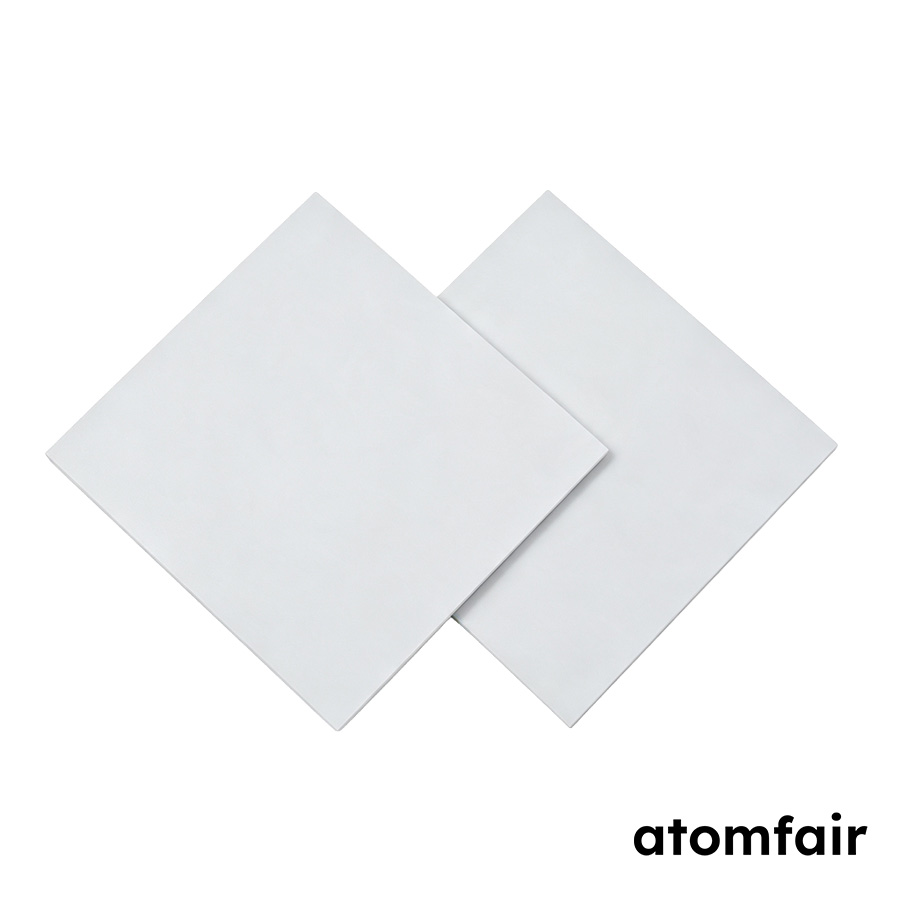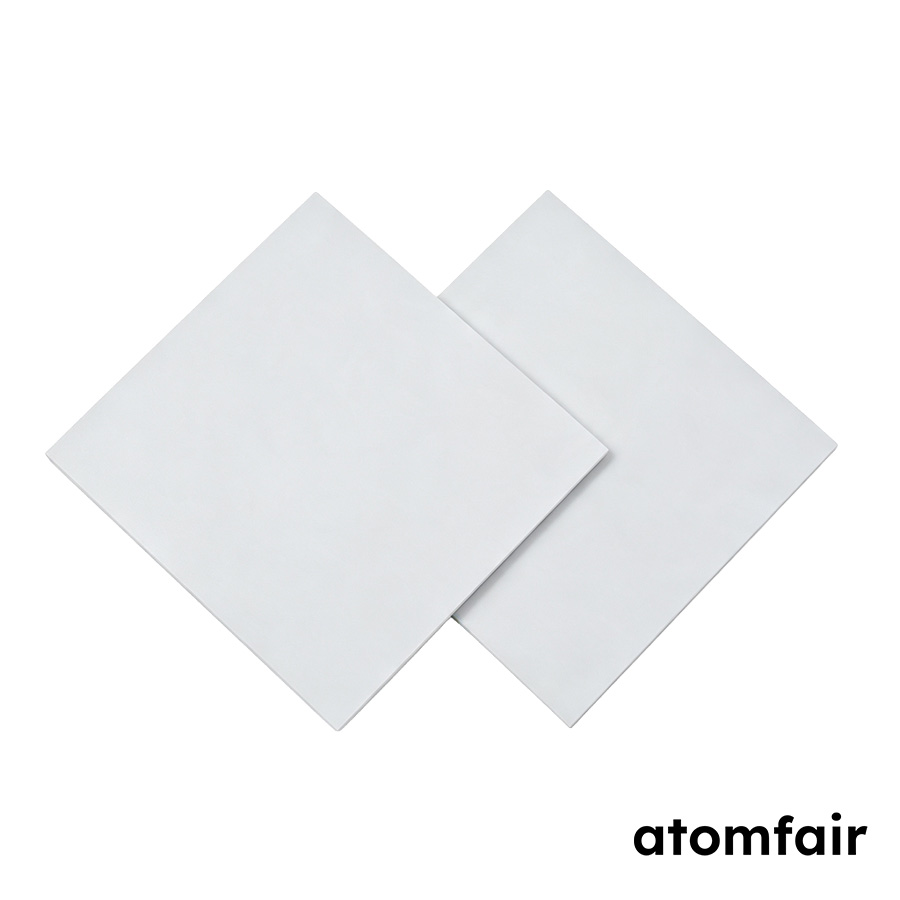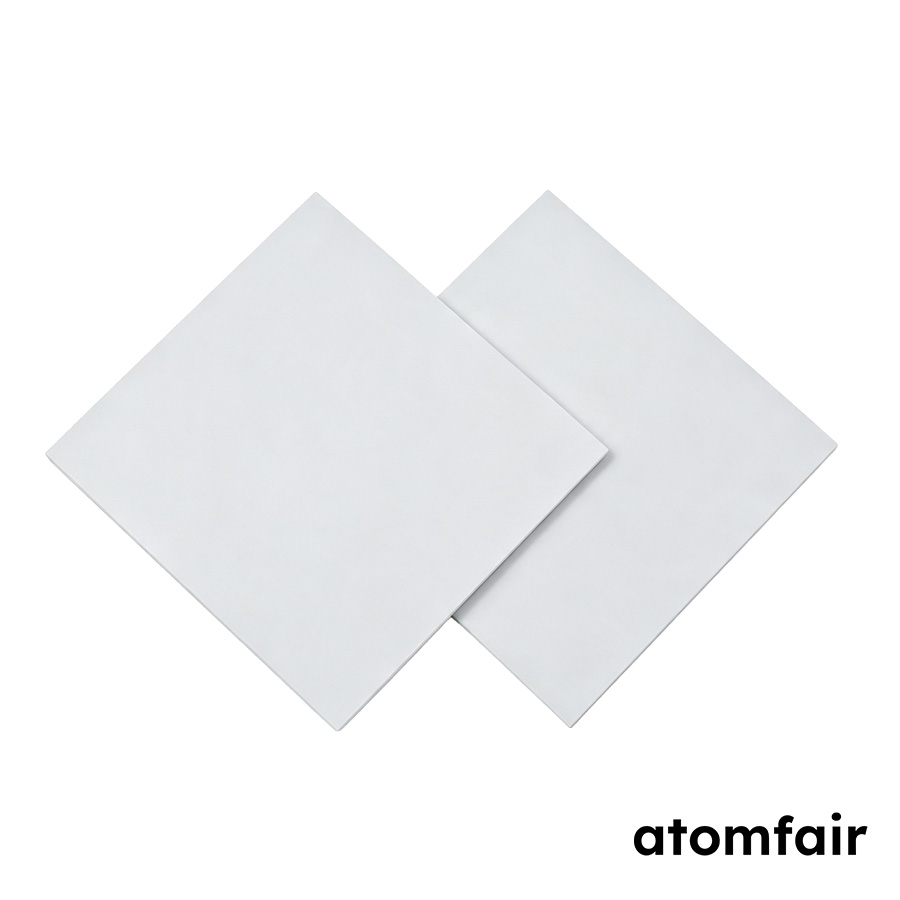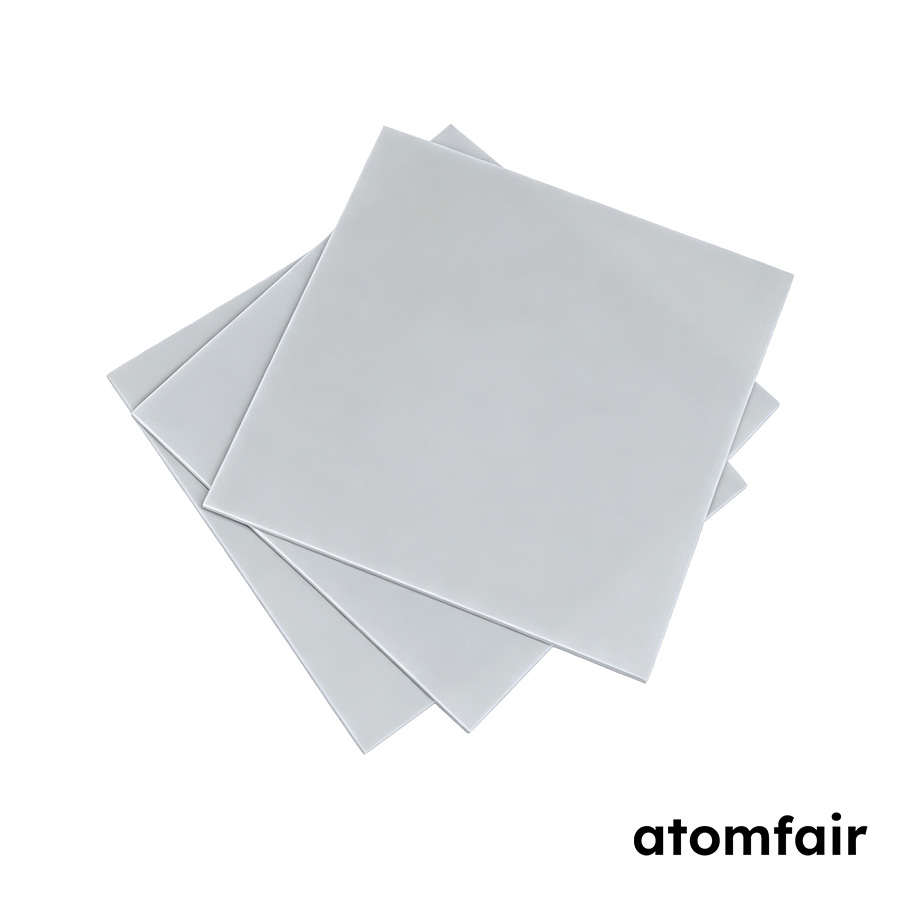
Aluminum Nitride Ceramic Substrate, 50 mm x 50 mm x 0.63 mm, Pack of 10Product Type: Technical ceramic substrate
Research-grade laboratory product
|
|||||||||||||||||||||||||||||||||
|
|||||||||||||||||||||||||||||||||
|
LABORATORY PROCUREMENT SUPPORT
For model selection, accessory matching, platform compatibility or configuration confirmation, contact our technical sales team.
E-MAIL: inquiry@atomfair.com
|
|||||||||||||||||||||||||||||||||
|
Supplier: Atomfair
Brand: ATOMFAIR®
|
Aluminum nitride ceramic substrate for electronic heat-dissipation applications requiring electrical insulation and dimensional stability. The substrate is compatible with power module and electronic component workflows where thermal expansion behavior close to silicon is required.
- Thermal expansion compatibility: The substrate is cited as having thermal expansion close to silicon for use in power module and electronic component workflows.
- Material stability and chemical resistance: The aluminum nitride ceramic material is non-toxic and resists high-temperature and chemical corrosion, per the product literature.
How does the thermal conductivity of Atomfair aluminum nitride ceramic substrate compare to standard alumina substrates?
This aluminum nitride substrate provides thermal conductivity above 170 W/(m·K), which is about 7–10 times higher than alumina ceramic, making it well-suited for high heat dissipation in power electronics and LED applications.
Is the thermal expansion of this aluminum nitride substrate compatible with silicon power devices?
Yes, the thermal expansion coefficient of this aluminum nitride substrate is close to that of silicon, enabling reliable direct bonding and reduced thermal stress in power module and electronic component assemblies.
What is the dielectric breakdown voltage rating of this aluminum nitride ceramic substrate?
The DC breakdown voltage is equal to or greater than 15 kV/mm, ensuring robust electrical insulation for high-voltage applications and safe operation in demanding environments.
The aluminum nitride (AlN) substrate offers a six-fold improvement in thermal conductivity (>170 W/m·K) relative to alumina, with a low dielectric constant and thermal expansion coefficient matched to silicon, making it a strong candidate for high-power module and insulating substrate applications.
Positive
- Superior thermal conductivity enables compact heat dissipation: With thermal conductivity >170 W/(m·K) at 25°C, AlN outperforms alumina substrates by 7–10×, allowing higher power density or reduced heatsink size in electronic assemblies.
- CTE match to silicon reduces mechanical stress: The coefficient of thermal expansion is close to silicon, minimizing thermomechanical fatigue and delamination risk during power cycling in semiconductor modules.
Trade-offs
- Surface roughness requires careful handling: As-fired surface roughness Ra of 0.2–0.3 μm may require post-processing (polishing or metallization) for certain thin-film or wire-bond applications, adding process steps.
- Fracture toughness limits machining options: Fracture toughness of 3.0 MPa·√m indicates moderate brittleness; any post-sintering cutting, drilling, or shaping must be performed with diamond tools and care to avoid edge chipping.
Every advanced material, component, equipment, and instrument in our catalog is backed by rigorous testing. We maintain strict internal quality management frameworks and align with CE conformity metrics to deliver transparent, reproducible performance data via our public open-science repository.
To request raw batch performance data, submit formal vendor registration paperwork, or execute a fast-turnaround R&D manufacturing loop, contact us at inquiry@atomfair.com.
Item is dispatched under the Atomfair Shipping & Delivery Framework (Free worldwide shipping on orders over $59 USD excl. heavy equipment). Return is governed by the Atomfair Return & Refund Policy (7-day technical return window).