Multifunctional Combination Copper Working Electrode Series | ATOMFAIRRESEARCH GRADE INSTRUMENT
|
|||||||||||||||||||||||
|
|||||||||||||||||||||||
|
TAILORED SOLUTIONS FOR RESEARCH
Contact our engineering team for technical support or official institutional quotations.
EMAIL: inquiry@atomfair.com
|
|||||||||||||||||||||||
|
Manufacturer: Atomfair LLC
Brand: ATOMFAIR®
|
|||||||||||||||||||||||
The copper electrode surface is susceptible to contamination and oxidation upon exposure to ambient conditions. All handling and storage must occur within a sealed anhydrous inert environment to preserve electrochemical integrity.
- Surface Contamination Risk: The electrode surface must be inspected for any visible or chemical contamination before each use to ensure data reliability.
- Inert Atmosphere Handling: Transfer the electrode to an anhydrous inert environment immediately after removing it from its sealed container.
- Storage Protocol: Store the electrode in its original sealed container within an inert atmosphere when not in use to prevent degradation.
This procedure describes the necessary steps to safely handle and prepare the electrode for electrochemical measurements. Proper handling prevents surface contamination and ensures reproducible performance.
Required Equipment: Anhydrous inert environment (e.g., glovebox)
- Inspect electrode surface
Inspect the electrode surface for visible contamination or physical damage before each use. - Transfer to inert environment
Transfer the electrode to an anhydrous inert environment immediately if the container has been opened outside such an atmosphere. - Store after use
Store the electrode in its sealed container within the inert environment after completion of measurements.
How does the electrode head thickness under 4mm affect electrochemical measurement accuracy compared to standard thicker working electrodes?
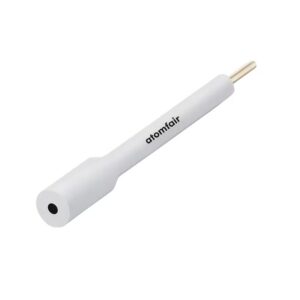
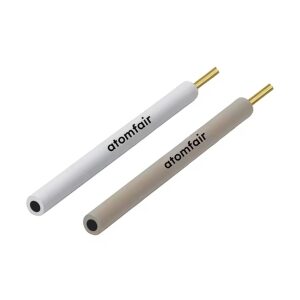
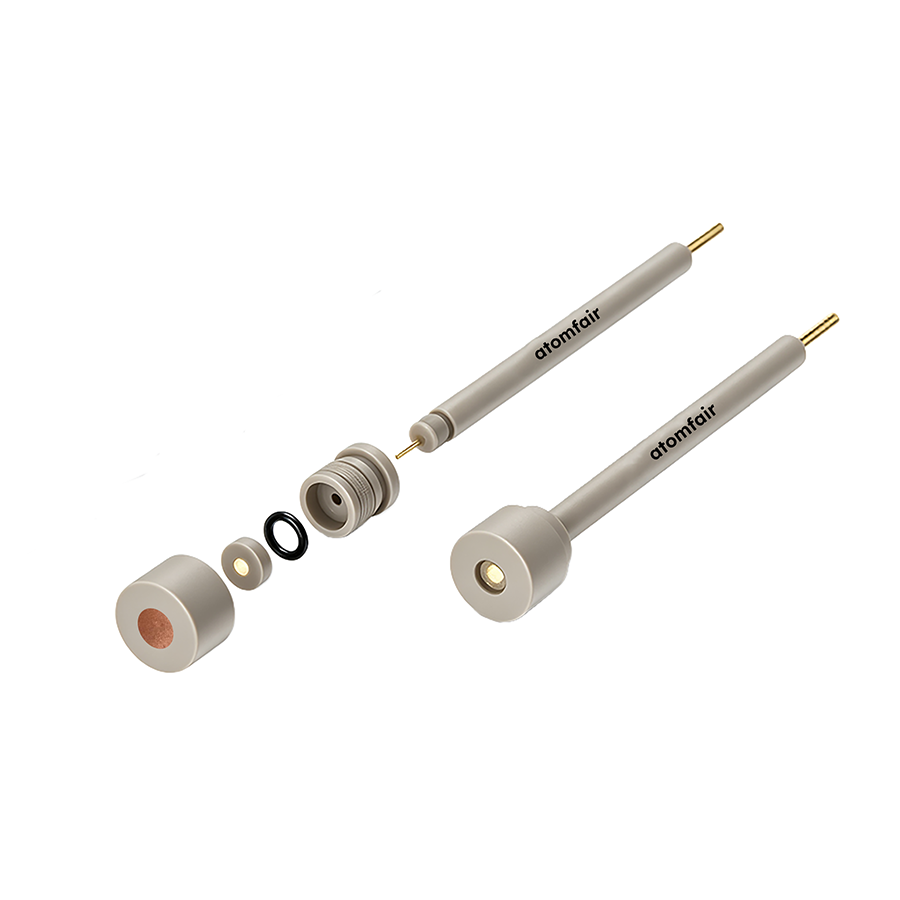
The sub-4mm head thickness minimizes ohmic drop and stray capacitance, preserving signal fidelity in high-speed cyclic voltammetry and impedance spectroscopy. This design also enables direct SEM/AFM integration without sample transfer, allowing correlative analysis on the identical copper surface. The thin profile does not compromise the embedded disk seal, maintaining a defined active area for reproducible current density calculations.
Can this copper working electrode be used directly in an SEM or AFM chamber without additional adapters or modifications?
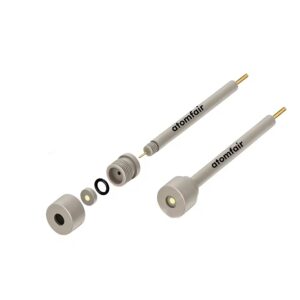
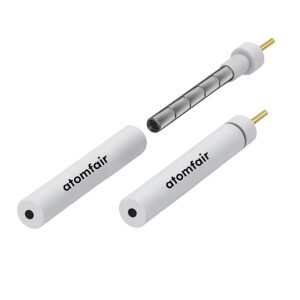
Yes, the electrode head thickness of less than 4mm is specifically designed for direct integration with SEM and AFM systems, enabling in situ or ex situ surface characterization. The modular detachable configuration allows the head to be mounted on standard microscope stages. However, the product must be handled exclusively within an anhydrous inert environment to prevent surface contamination before electrochemical validation.
What specific handling and storage conditions are required to prevent copper surface oxidation before electrochemical experiments?
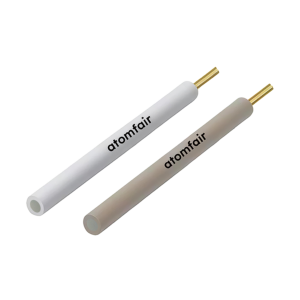
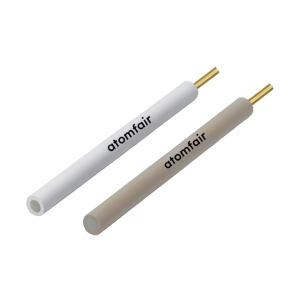
The copper disk is highly sensitive to surface contamination; containers must be kept tightly sealed or handled exclusively within an anhydrous inert environment to prevent phase contamination or degradation. The gold-plated copper rod (1.5x15mm) provides enhanced oxidation resistance for the electrical contact, but the active copper surface requires rigorous protection. Storage in a desiccator or glovebox under argon or nitrogen is recommended until immediate use.
This copper working electrode enables correlative electrochemical-microscopic analysis without sample transfer, but its thin head design and copper surface demand strict anhydrous inert handling to prevent contamination.
Positive
- Correlative electrochemical-microscopic analysis: The electrode head thickness under 4mm allows direct integration with SEM or AFM, enabling structural and topographical correlation with electrochemical data from the identical surface without sample transfer.
- Gold-plated corrosion protection: The 1.5x15mm gold-plated copper rod provides enhanced oxidation resistance and maintains stable electrical conductivity over extended use.
Trade-offs
- Surface contamination sensitivity: The electrode is highly sensitive to surface contamination; containers must be kept tightly sealed or handled exclusively within an anhydrous inert environment to prevent phase contamination or degradation before electrochemical validation.
Every advanced material, component, equipment, and instrument in our catalog is backed by rigorous testing. We maintain strict internal quality management frameworks and align with CE conformity metrics to deliver transparent, reproducible performance data via our public open-science repository.
To request raw batch performance data, submit formal vendor registration paperwork, or execute a fast-turnaround R&D manufacturing loop, contact us at inquiry@atomfair.com.
Item is dispatched under the Atomfair Shipping & Delivery Framework (Free worldwide shipping on orders over $59 USD excl. heavy equipment). Return is governed by the Atomfair Return & Refund Policy (7-day technical return window).