T-Shaped Carbon Paste Working Electrode (Adjustable) series | ATOMFAIRRESEARCH GRADE INSTRUMENT
|
|||||||||||||||||||||||
|
|||||||||||||||||||||||
|
TAILORED SOLUTIONS FOR RESEARCH
Contact our engineering team for technical support or official institutional quotations.
EMAIL: inquiry@atomfair.com
|
|||||||||||||||||||||||
|
Manufacturer: Atomfair LLC
Brand: ATOMFAIR®
|
|||||||||||||||||||||||
The electrode surface is highly sensitive to contamination from ambient moisture and airborne particulates. Storage and handling must be performed in sealed containers or under anhydrous inert atmosphere to prevent phase degradation.
- Surface Contamination Sensitivity: The carbon paste electrode surface is prone to contamination, which can compromise electrochemical performance.
- Inert Environment Handling: All handling and storage must be conducted within an anhydrous inert atmosphere to prevent moisture-induced degradation.
- Sealed Storage Requirement: Containers must be kept tightly sealed when not in use to avoid exposure to ambient contaminants.
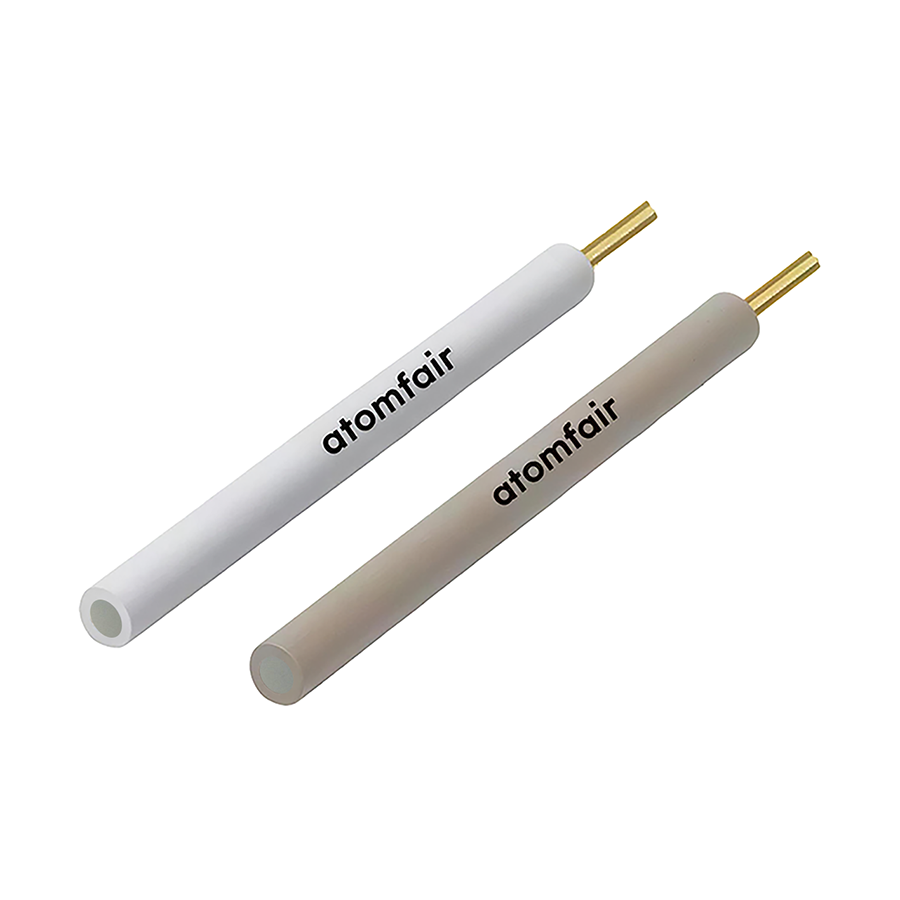
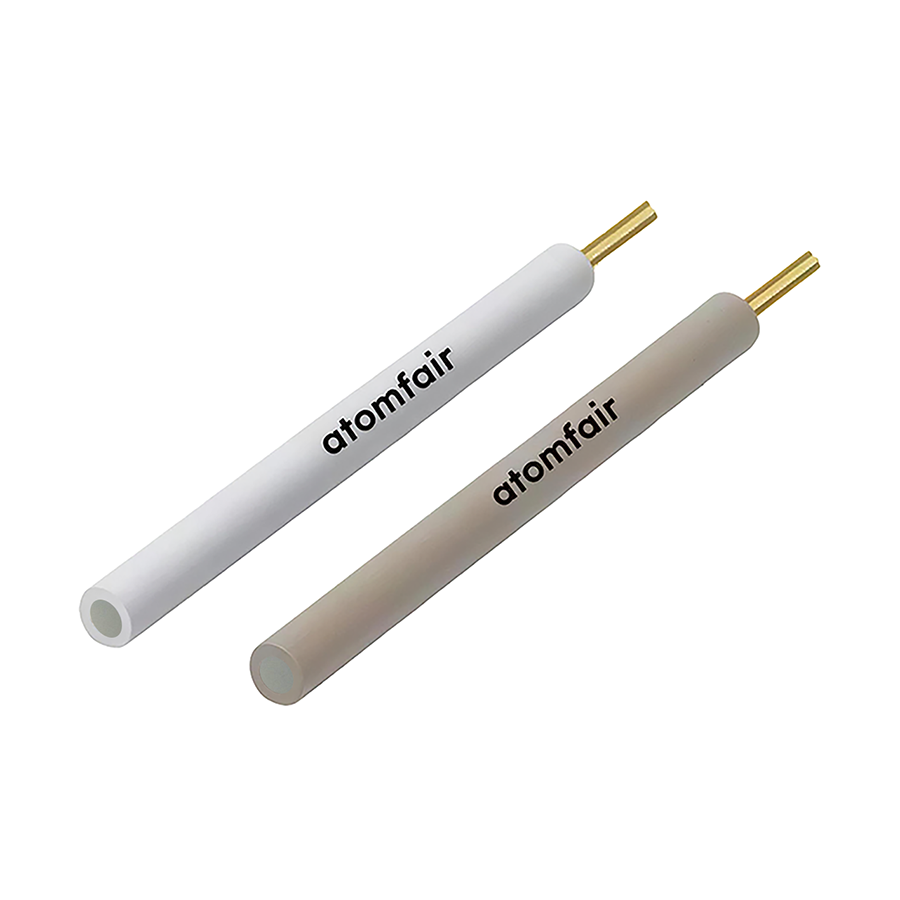
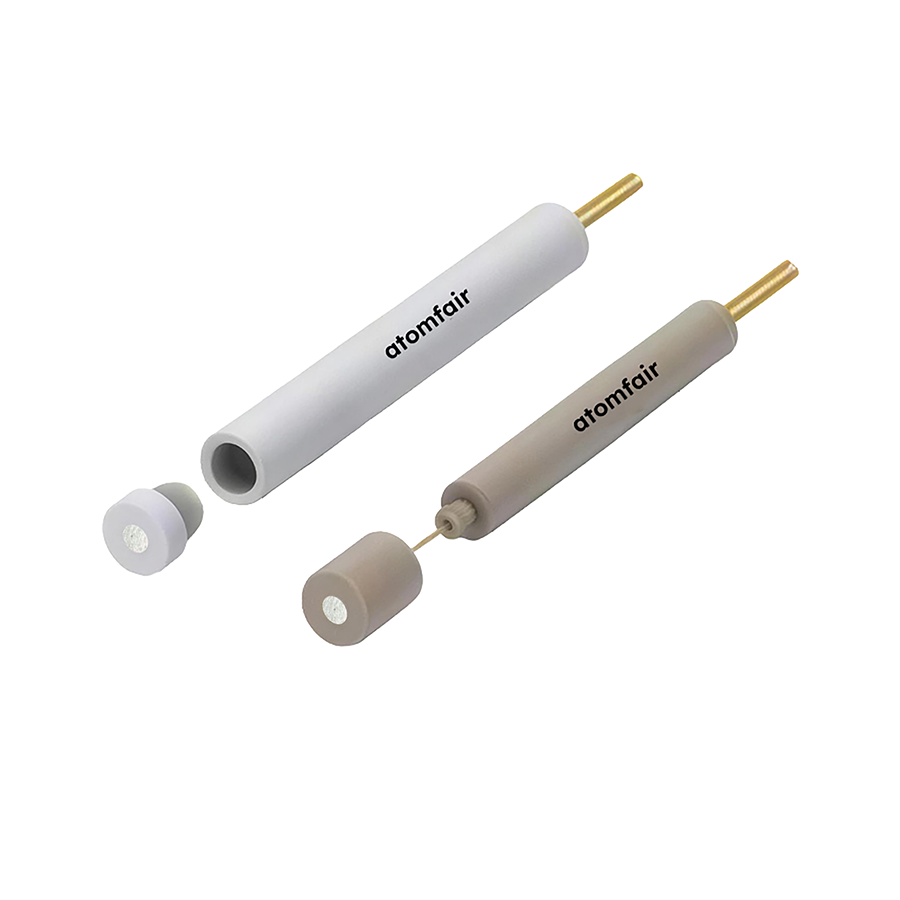
- Surface Renewal Procedure: The electrode surface can be renewed by extruding a small amount of carbon paste and mechanically polishing the tip.
The carbon paste electrode surface must be renewed before each experiment to ensure reproducibility. This procedure involves extruding fresh paste and polishing the tip in an inert environment.
- Transfer to inert environment
Transfer the electrode to an anhydrous inert environment before use. - Extrude carbon paste
Extrude a small amount of carbon paste from the electrode tip to expose a fresh surface. - Polish electrode surface
Mechanically polish the electrode surface to achieve a clean, reproducible finish.
How does the electrode diameter affect sensitivity and current density in the T-shaped carbon paste working electrode?
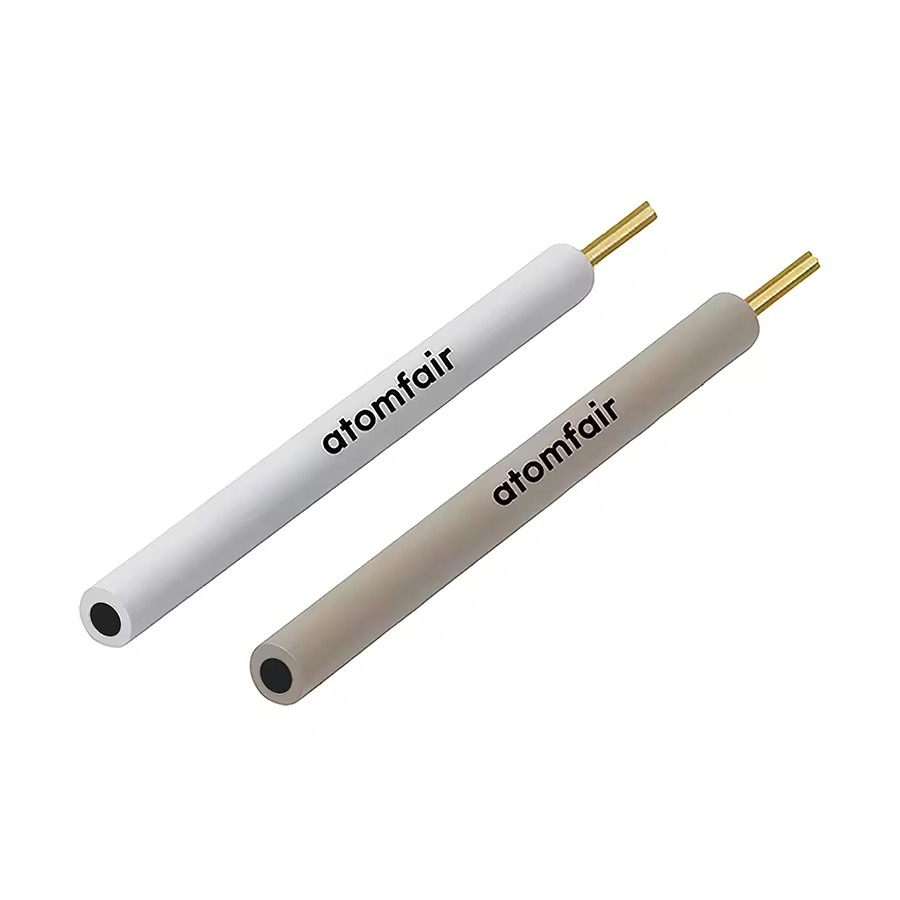
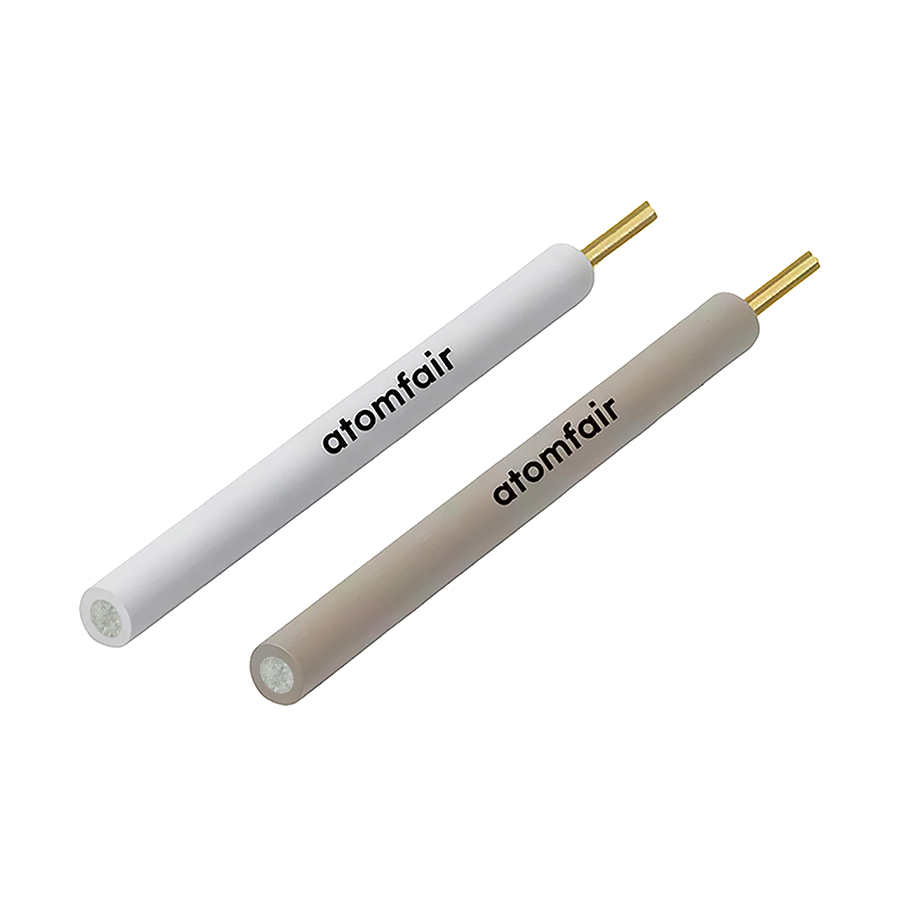
The available diameter range of 2mm to 4mm allows researchers to select the optimal size for their specific application. A larger diameter provides a greater active surface area, yielding higher absolute currents, while a smaller diameter offers higher current density and is suited for miniaturized systems or limited sample volumes. The source states that the precision embedded design ensures uniform current density distribution across all sizes, enabling reproducible electrode placement.
Can this T-shaped carbon paste working electrode be used with non-aqueous electrolytes without performance degradation?
Yes, the source explicitly states that the carbon paste material provides superior performance in both aqueous and non-aqueous electrolyte systems. The electrode offers a wide potential window, low background current, and excellent chemical stability, making it suitable for diverse redox systems in organic solvents. However, due to high sensitivity to surface contamination, handling within an anhydrous inert atmosphere is recommended to maintain performance.
What are the critical handling and storage requirements for the T-shaped carbon paste working electrode to maintain its performance?
The electrode must be stored in tightly sealed containers or handled exclusively within an anhydrous inert environment to prevent phase contamination or degradation before electrochemical validation. The carbon paste surface is renewable by extruding a small amount and mechanical polishing, but initial cleanliness is critical. The PTFE insulative body and gold-plated copper connector provide chemical resistance and stable conductivity, but surface contamination before use can compromise experimental results.
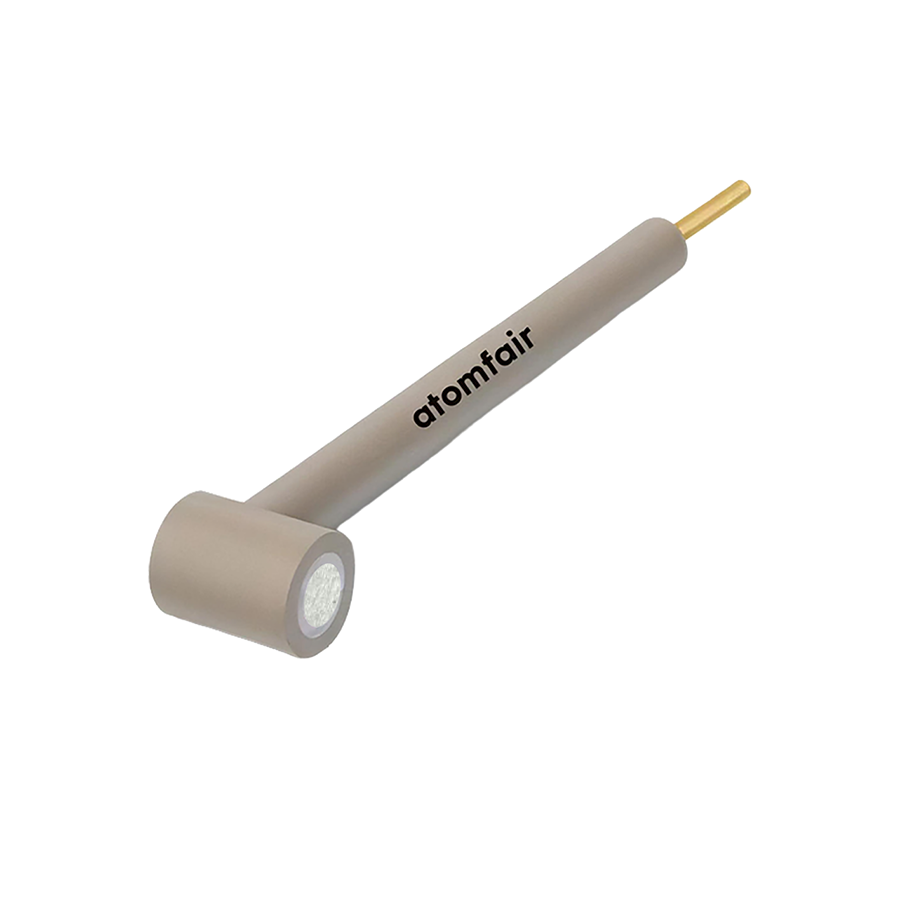
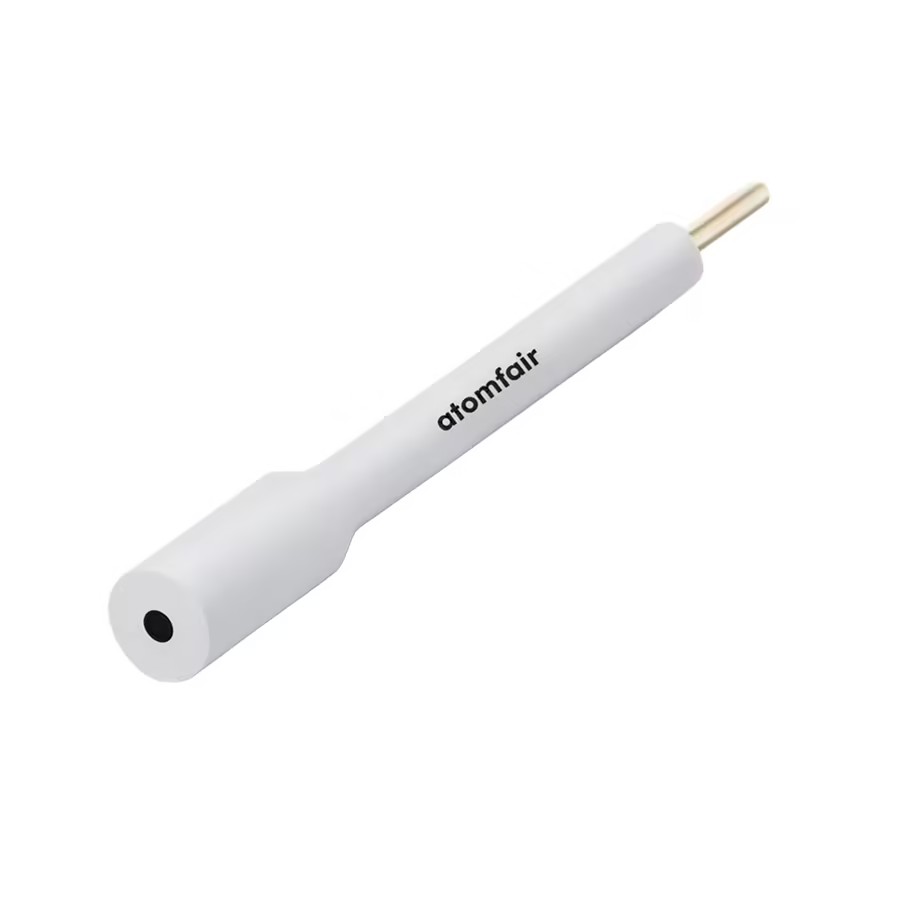
This T-shaped carbon paste working electrode provides a renewable surface through an adjustable extrusion mechanism, eliminating memory effects in electrochemical measurements, but requires careful handling to avoid surface contamination and degradation in ambient conditions.
Positive
- Adjustable surface renewal: The user-extrudable carbon paste design allows facile surface regeneration and electrode refilling, ensuring a fresh electrode surface for each experiment and eliminating memory effects.
- Low background current, wide potential window: Carbon paste as the working material provides low background current and a wide potential window, with excellent chemical stability and reproducibility in both aqueous and non-aqueous electrolytes.
Trade-offs
- Highly sensitive to surface contamination: The electrode surface is highly sensitive to contamination; containers must be kept tightly sealed and handling should occur exclusively within an anhydrous inert environment to prevent phase contamination or degradation before electrochemical validation.
- Requires inert environment handling: Optimal performance requires handling or storage in an anhydrous inert atmosphere, adding laboratory infrastructure demands for researchers working under ambient conditions.
Every advanced material, component, equipment, and instrument in our catalog is backed by rigorous testing. We maintain strict internal quality management frameworks and align with CE conformity metrics to deliver transparent, reproducible performance data via our public open-science repository.
To request raw batch performance data, submit formal vendor registration paperwork, or execute a fast-turnaround R&D manufacturing loop, contact us at inquiry@atomfair.com.
Item is dispatched under the Atomfair Shipping & Delivery Framework (Free worldwide shipping on orders over $59 USD excl. heavy equipment). Return is governed by the Atomfair Return & Refund Policy (7-day technical return window).