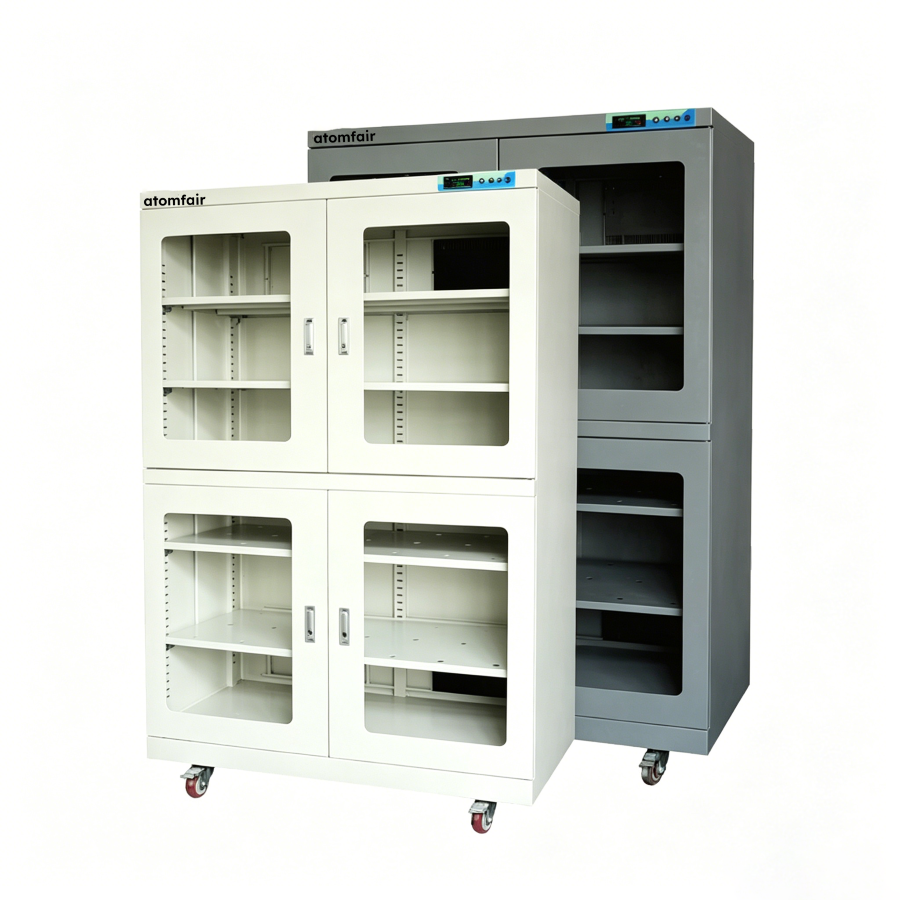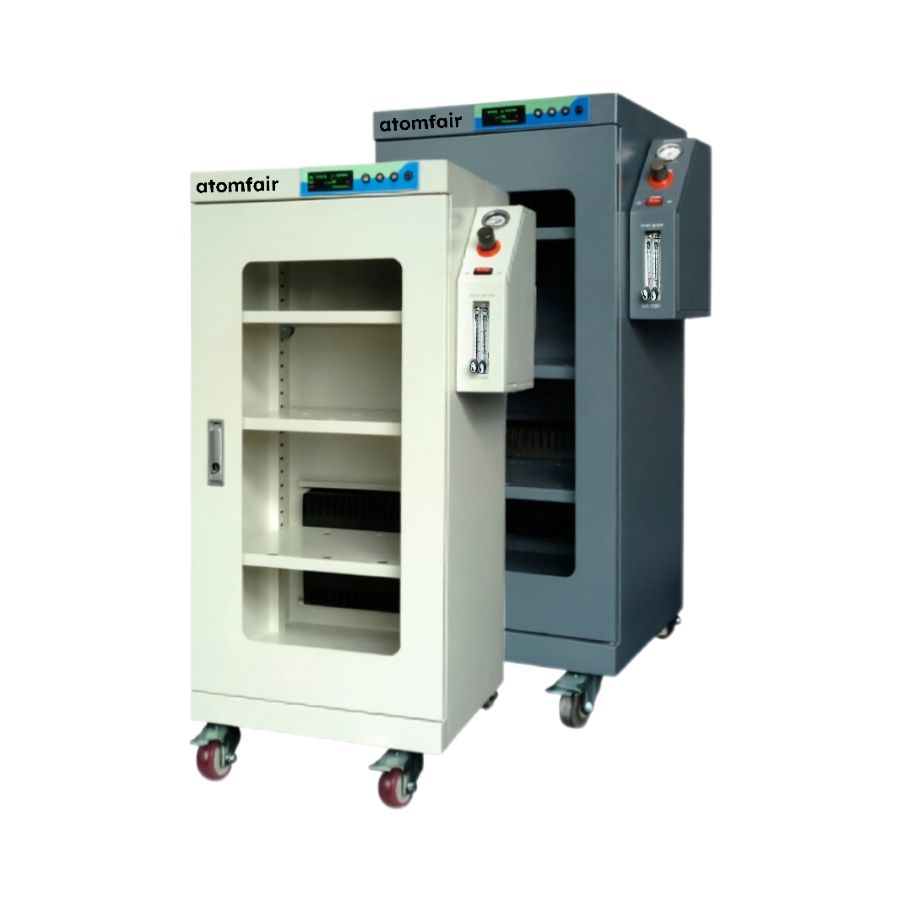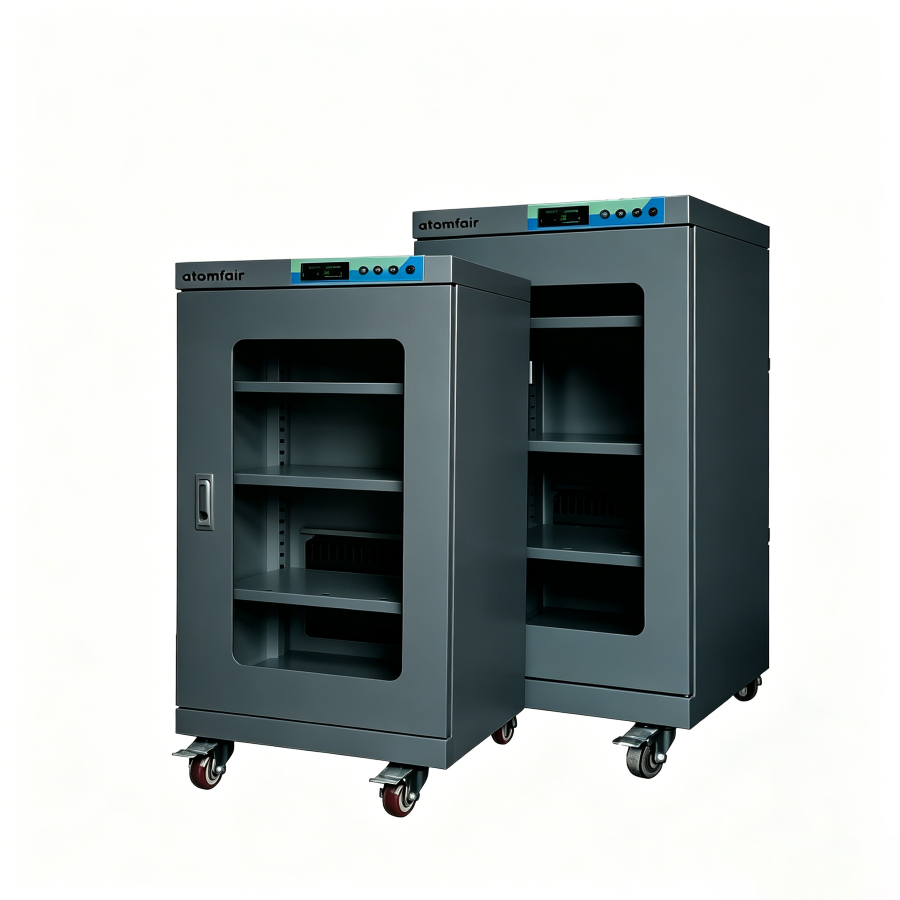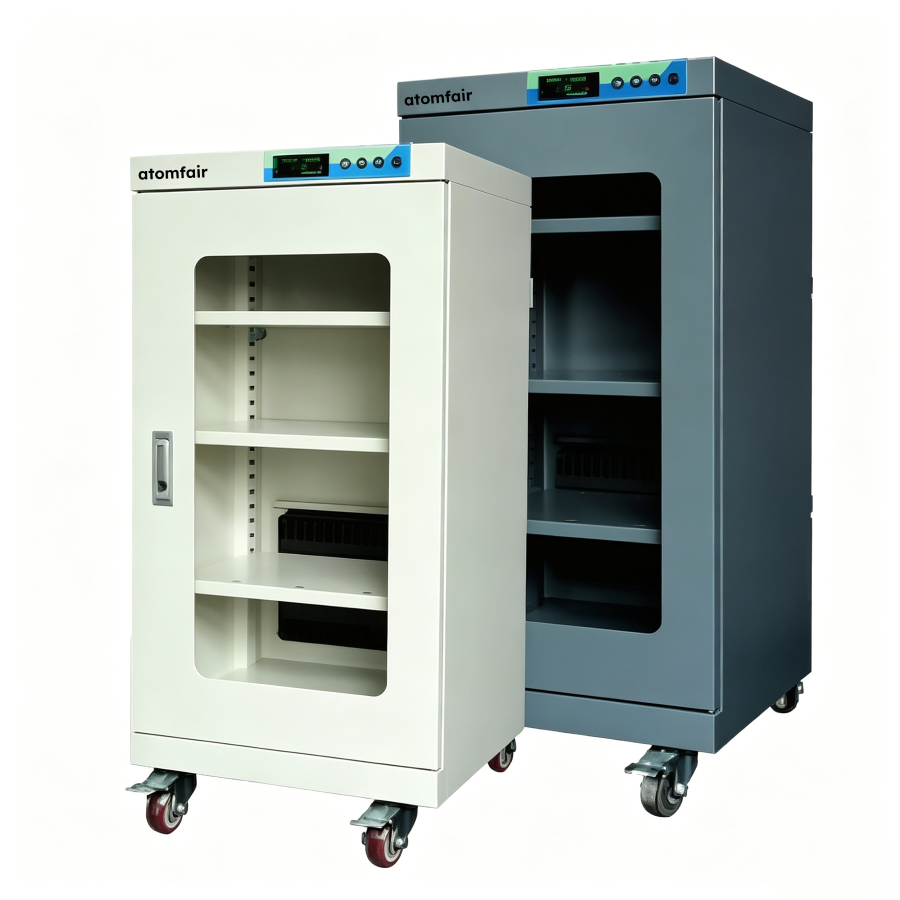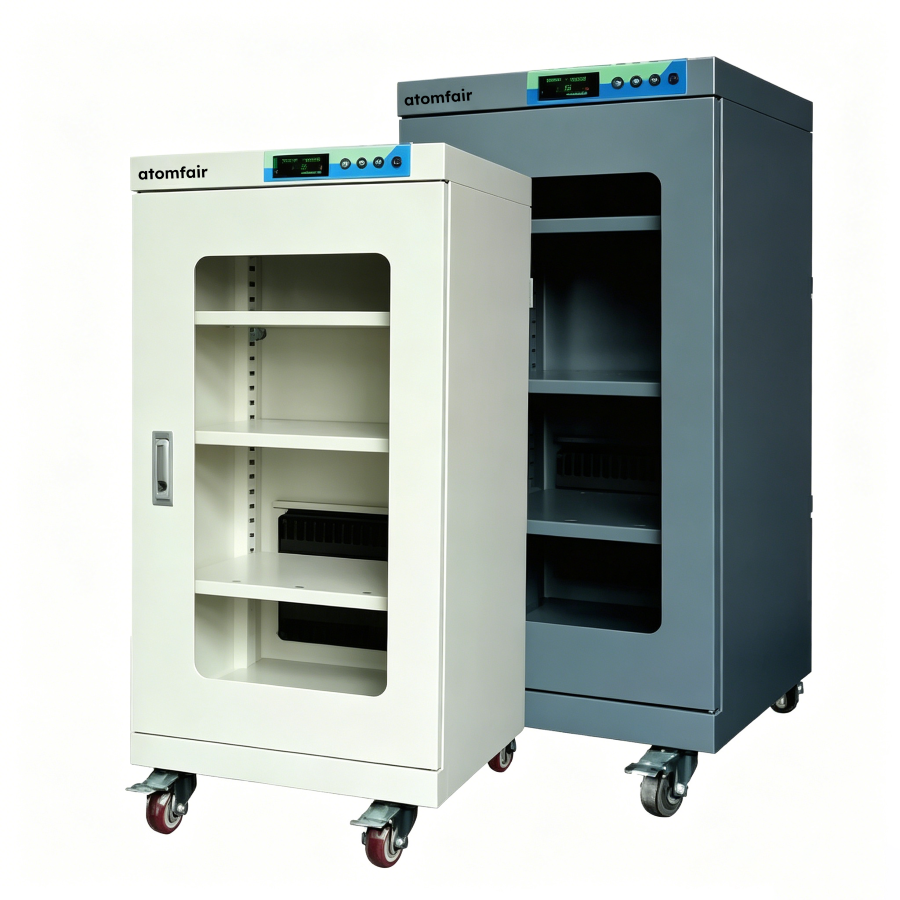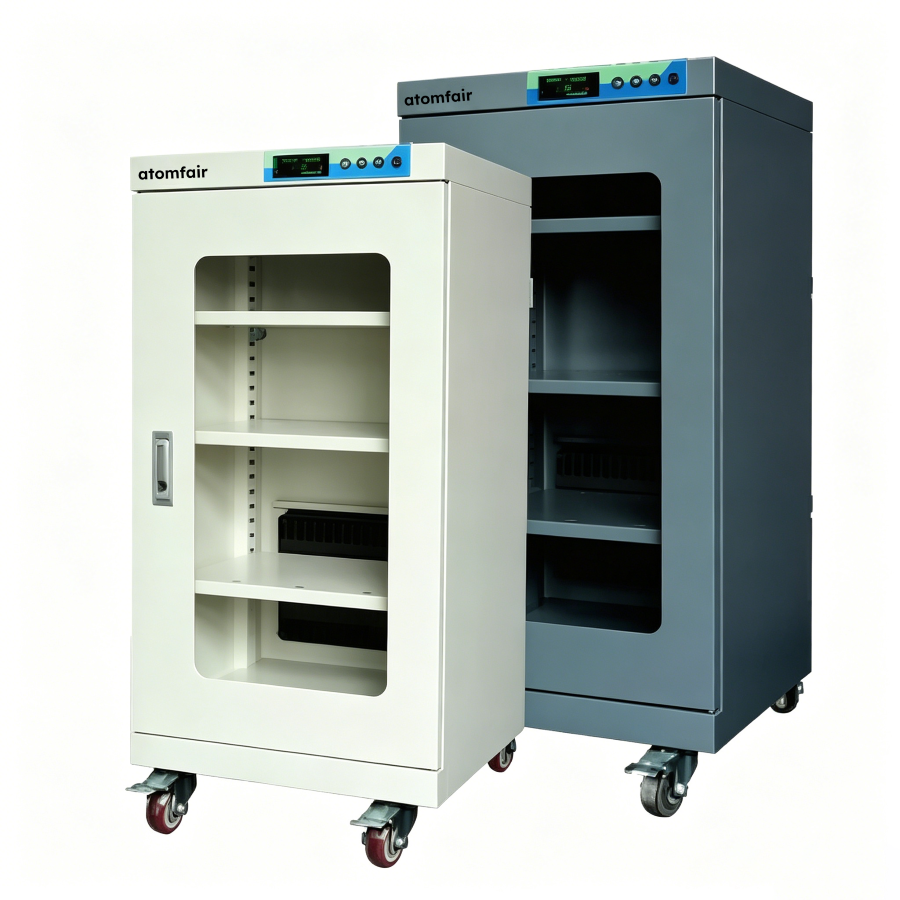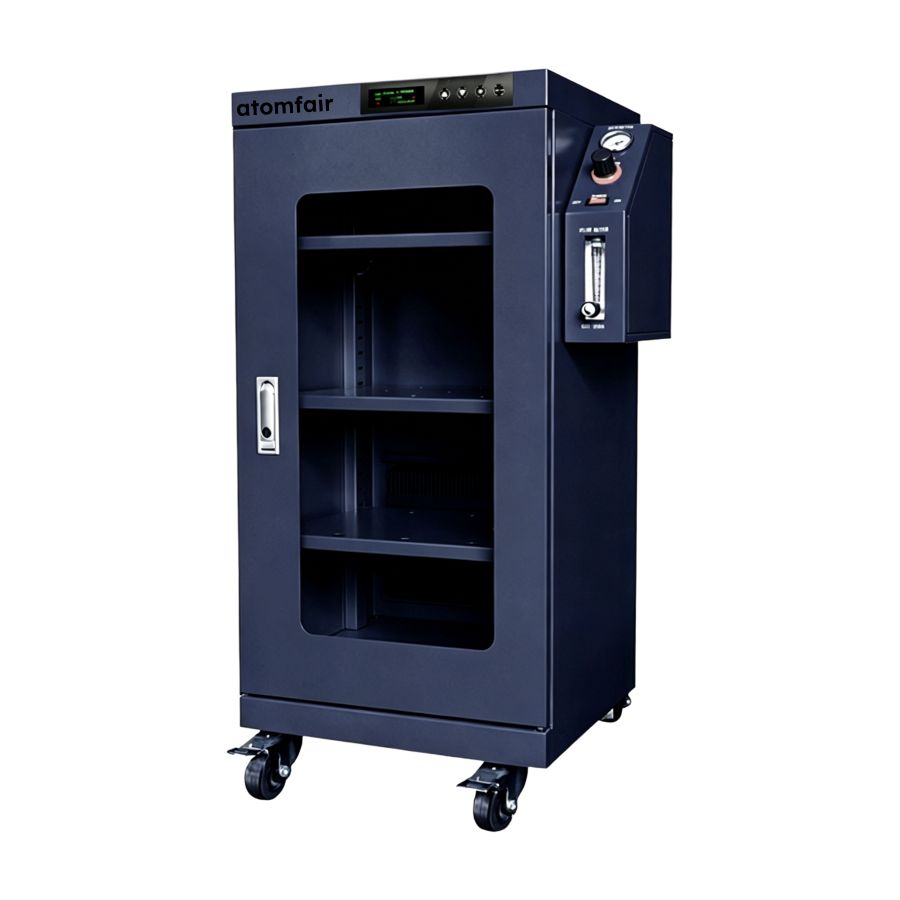
160L Moistureproof Nitrogen Integrated Cabinet, Anti-Static Cabinet BodyResearch-grade laboratory product
|
|||||||||||||||||||||||||||||||||||||||||
|
|||||||||||||||||||||||||||||||||||||||||
|
TAILORED SOLUTIONS FOR RESEARCH
For bulk orders, configuration review, accessory matching or application-specific guidance, contact our engineering sales team.
EMAIL: inquiry@atomfair.com
|
|||||||||||||||||||||||||||||||||||||||||
|
Manufacturer: Atomfair LLC
Brand: ATOMFAIR®
|
Install the cabinet on a stable, level indoor surface and confirm stable gas-supply conditions before operation. The humidity control system functions within the 1%-60% RH range only when the door remains closed during normal use.
- Installation Surface: The cabinet must be placed on a stable, level indoor surface to ensure proper door sealing and dehumidification performance.
- Gas Supply: A regulated nitrogen supply is required for the nitrogen-control mode; verify gas-supply conditions before operation.
- Humidity Range: The cabinet's humidity control is designed for 1%-60% RH; operating outside this range may reduce efficiency.
- Load Distribution: Evenly distribute stored items across the three shelves to maintain structural integrity and airflow.
- Door Seal: Keep the cabinet door closed during normal use to preserve the low-humidity environment and prevent moisture ingress.
This procedure outlines initial setup and loading of the moistureproof nitrogen integrated cabinet. Follow the steps to ensure proper humidity control and safe storage of moisture-sensitive materials.
- Inspect the cabinet
Inspect the cabinet after delivery for visible damage and verify that the door seals are intact. - Position the cabinet
Position the cabinet on a stable, level indoor surface and ensure it is properly leveled. - Connect utilities
Confirm that power and regulated nitrogen gas connections are available and secure. - Set humidity
Set the humidity control to the desired level within the 1%-60% RH range using the digital controller. - Stabilize environment
Close the door and allow the cabinet to reach the set humidity before loading materials. - Load materials
Load materials evenly across the shelves, ensuring not to exceed the stated shelf-loading limits. - Monitor operation
During operation, keep the door closed and periodically monitor the humidity display to confirm setpoint maintenance.
How does the integrated electronic dehumidification system reduce nitrogen consumption compared to a standard nitrogen-only cabinet?
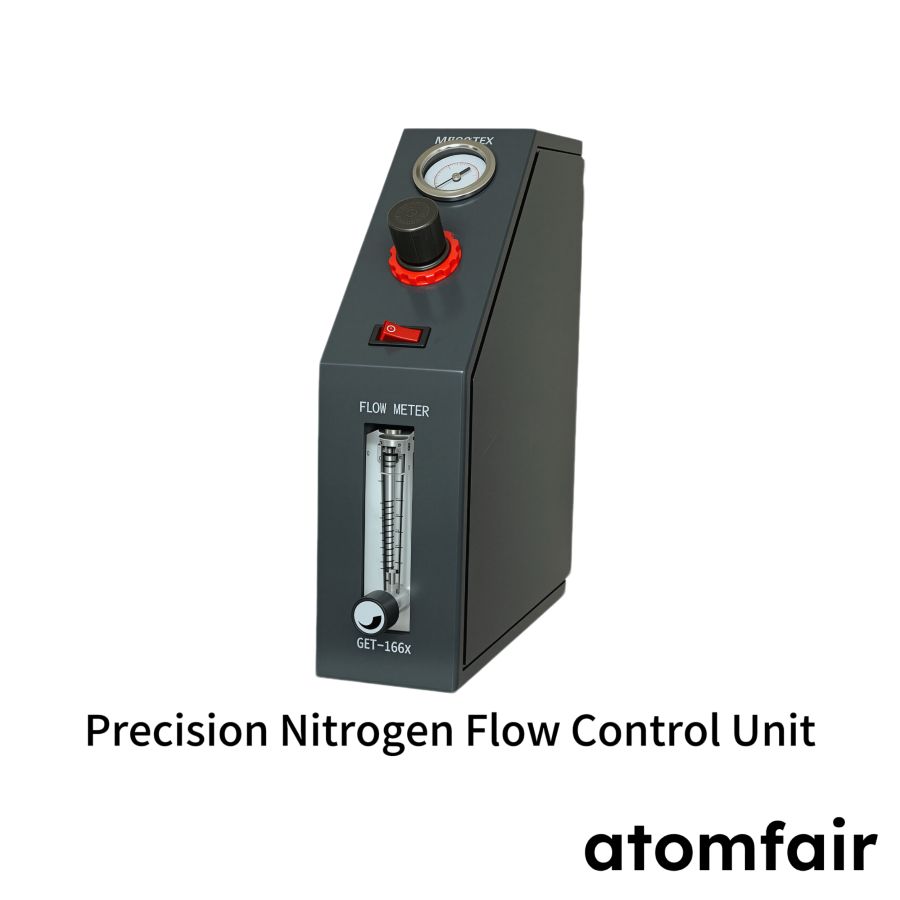
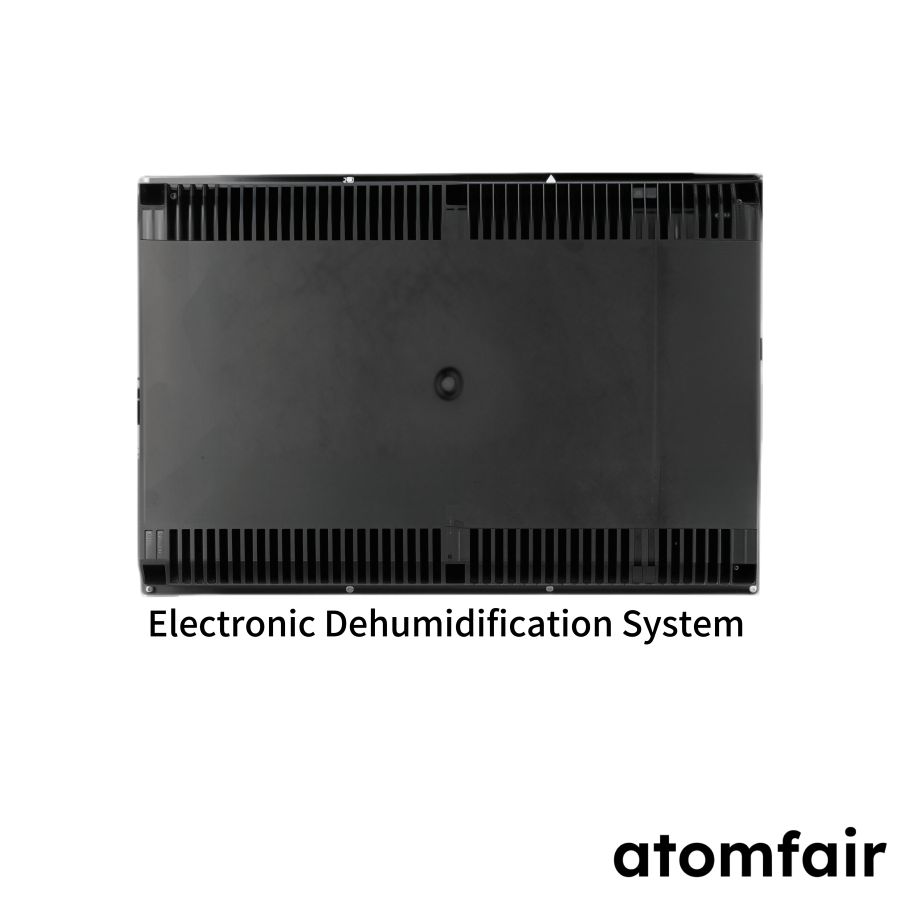
The integrated design reduces nitrogen usage by more than 50% compared with ordinary nitrogen cabinets. It combines an electronic dehumidification core with regenerative absorbent polymer that maintains low humidity, while the precision nitrogen-control device only activates to rapidly lower humidity when needed, minimizing continuous gas demand.
Is this cabinet suitable for storing ESD-sensitive electronic components under controlled humidity?
Yes, the cabinet features an anti-static cabinet body made from 1.2 mm galvanized steel with an anti-static exterior coating, making it appropriate for electrostatic-control areas and ESD-sensitive material handling. It also provides a humidity control range of 1%–60% RH, which protects moisture-sensitive electronic parts, optical components, powders, and films as specified in the application scope.
What utility infrastructure is required for installing this nitrogen integrated cabinet?
The cabinet requires stable electrical power for the electronic dehumidification core and a regulated nitrogen gas supply for the precision nitrogen-control device. Installation must be on a stable, level indoor surface with proper door sealing, and utility conditions—both power and gas connections—must be confirmed before formal use as stated in the handling and storage instructions.
This 160L moistureproof nitrogen integrated cabinet combines electronic dehumidification and nitrogen purging with an anti-static body, reducing nitrogen consumption by over 50% compared to conventional nitrogen-only cabinets, but requires stable gas supply and indoor installation.
Positive
- Integrated dual-system reduces nitrogen usage: Combines electronic dehumidification with precision nitrogen control to reduce nitrogen consumption by more than 50% compared to ordinary nitrogen-only cabinets, lowering operational gas costs.
- Anti-static cabinet body for ESD-safe storage: The 1.2 mm galvanized steel cabinet with anti-static exterior coating provides electrostatic discharge protection, suitable for handling ESD-sensitive materials in electronics and optics labs.
Trade-offs
- Requires stable nitrogen supply and power: The dual-mode operation depends on a reliable nitrogen gas line and electrical power; unstable gas supply or power interruptions may compromise humidity control performance.
- Standard coating not for corrosive environments: The anti-static paint finish is less corrosion-resistant than stainless steel; a stainless steel cabinet upgrade is recommended for long-term use in corrosive or high-humidity laboratory settings.
Every advanced material, component, equipment, and instrument in our catalog is backed by rigorous testing. We maintain strict internal quality management frameworks and align with CE conformity metrics to deliver transparent, reproducible performance data via our public open-science repository.
To request raw batch performance data, submit formal vendor registration paperwork, or execute a fast-turnaround R&D manufacturing loop, contact us at inquiry@atomfair.com.
Item is dispatched under the Atomfair Shipping & Delivery Framework (Free worldwide shipping on orders over $59 USD excl. heavy equipment). Return is governed by the Atomfair Return & Refund Policy (7-day technical return window).