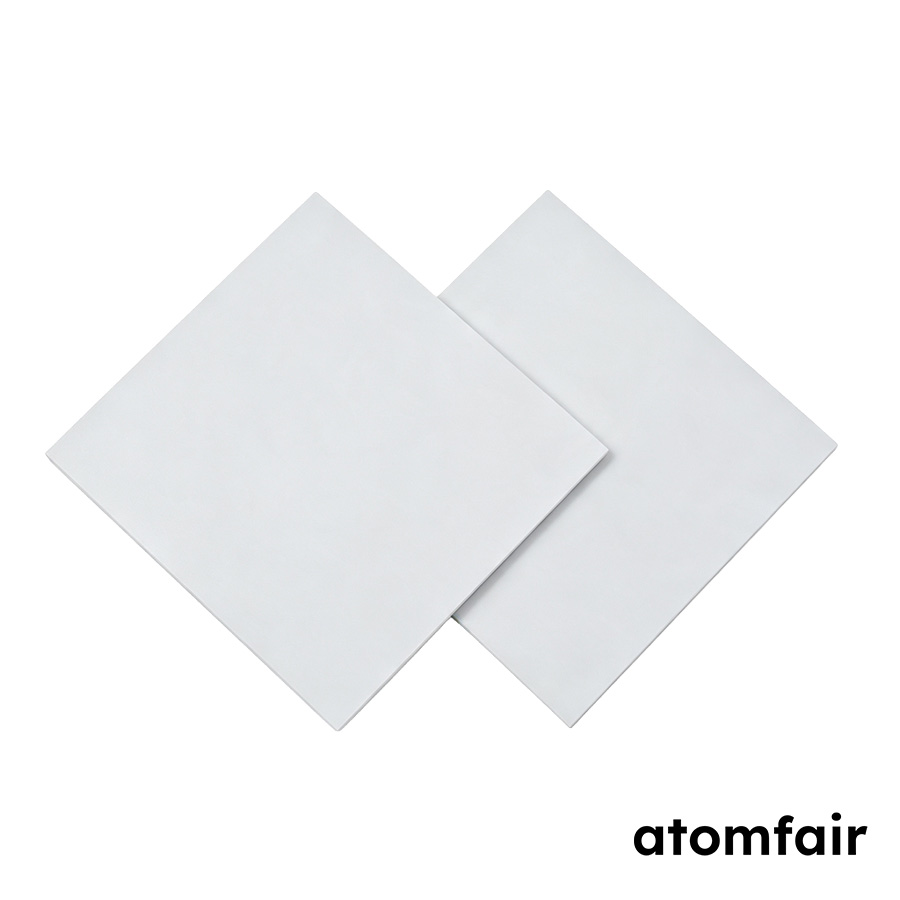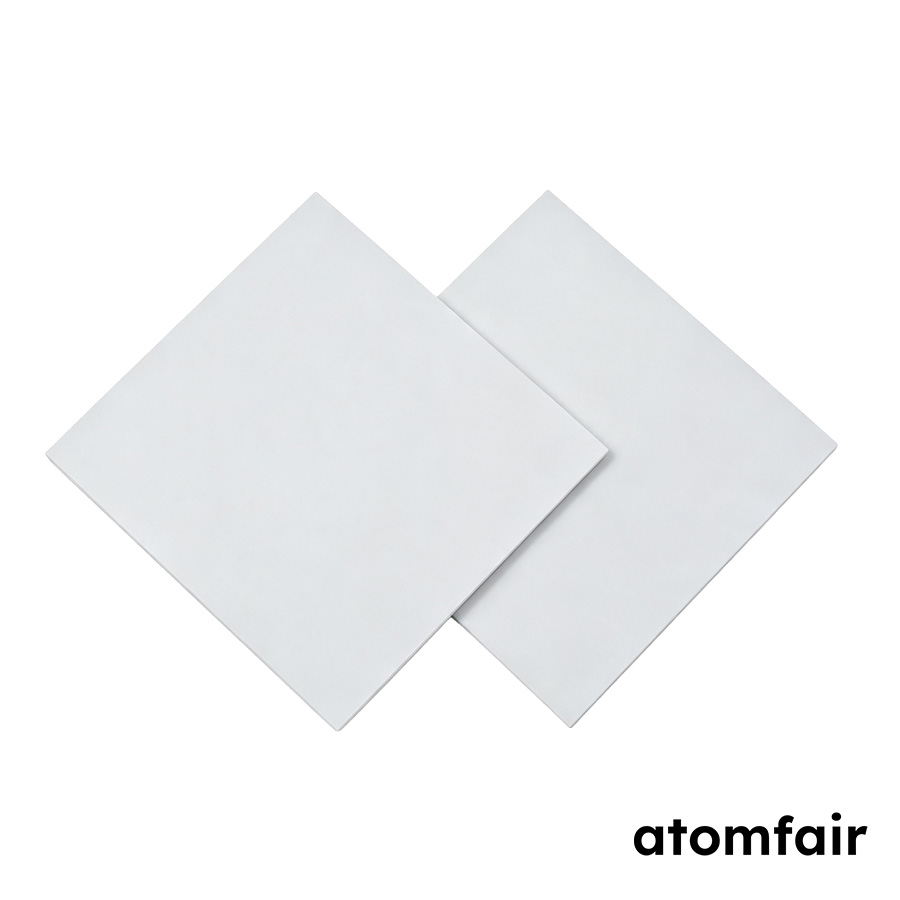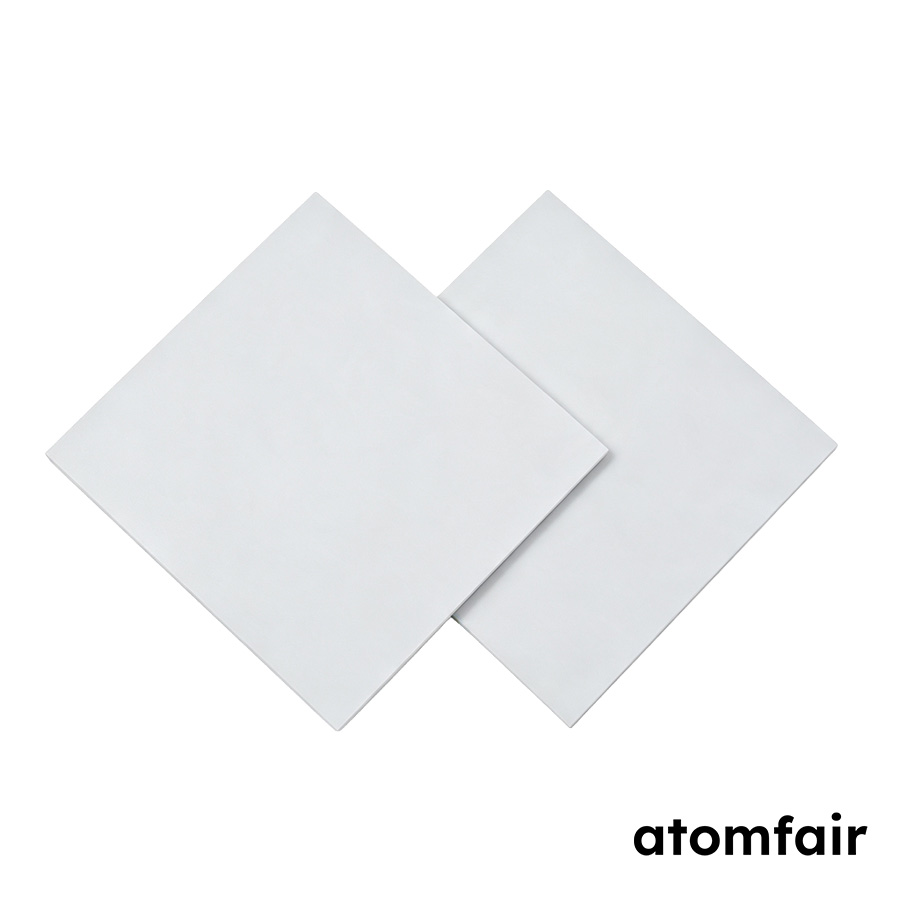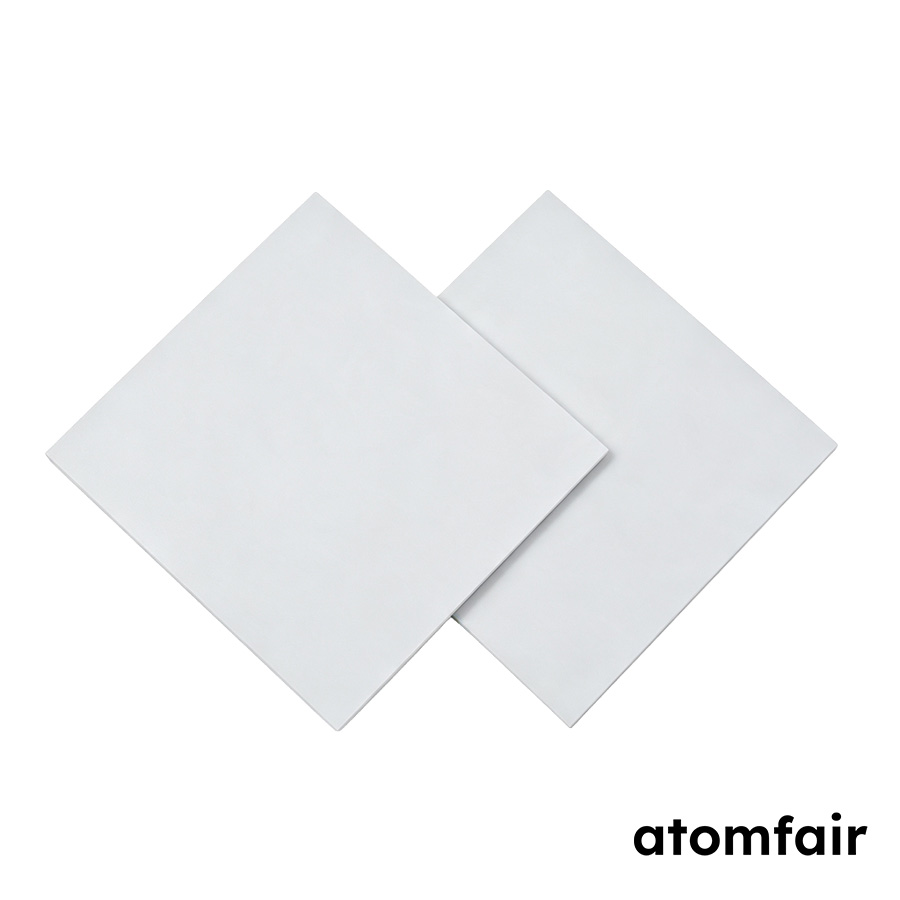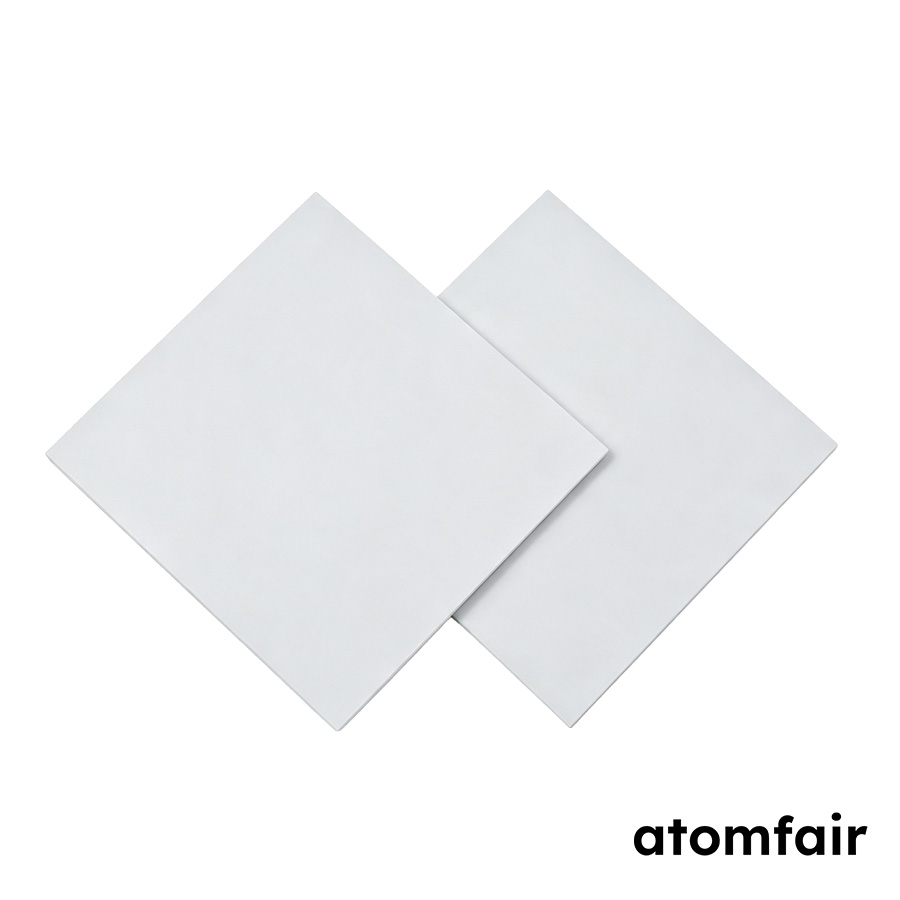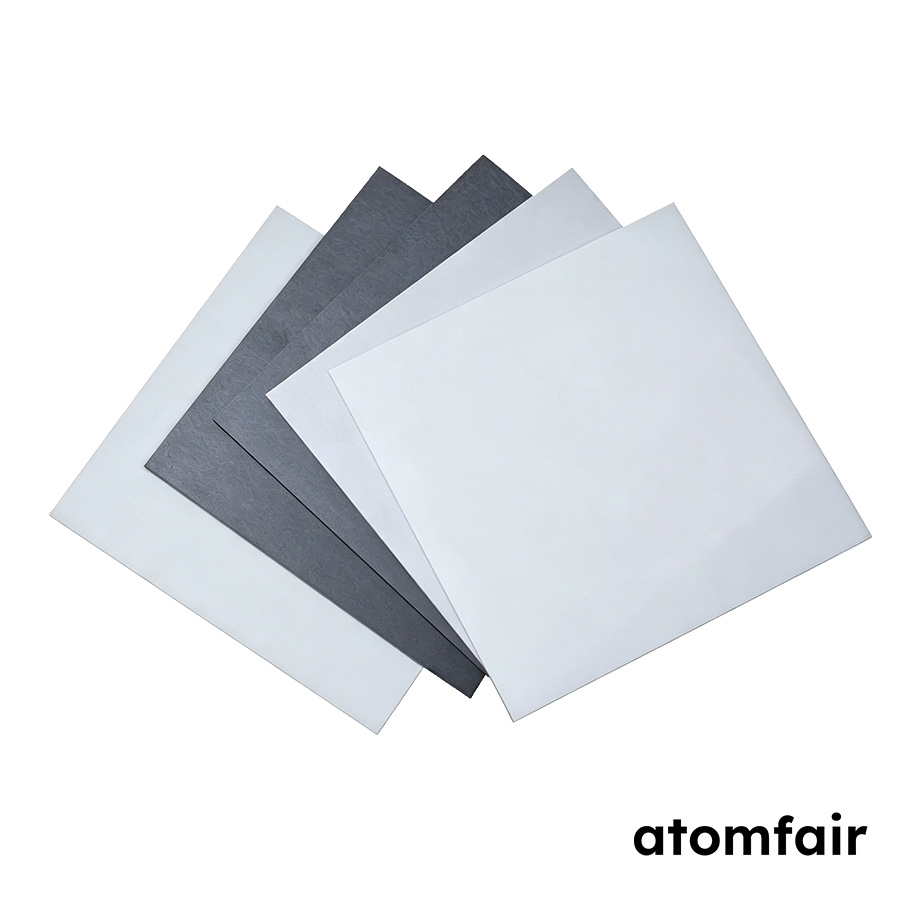
Zirconia Ceramic Plate, 20 mm x 20 mm x 2 mm, White, Pack of 10Product Type: Zirconia ceramic plate
Research-grade laboratory product
|
|||||||||||||||||||||||||||||||||||||||||||||||||||
|
|||||||||||||||||||||||||||||||||||||||||||||||||||
|
LABORATORY PROCUREMENT SUPPORT
For model selection, accessory matching, platform compatibility or configuration confirmation, contact our technical sales team.
E-MAIL: inquiry@atomfair.com
|
|||||||||||||||||||||||||||||||||||||||||||||||||||
|
Supplier: Atomfair
Brand: ATOMFAIR®
|
How does the low thermal conductivity of the zirconia ceramic plate affect its performance at high temperatures?
The plate has a thermal conductivity of 3 W/(m·K), which provides effective thermal insulation even at its maximum service temperature of 1600 °C. This combination makes it suitable for applications requiring both high-temperature stability and minimal heat transfer, such as furnace linings or thermal barriers.
What electrical insulation properties does the 20 mm x 20 mm x 2 mm zirconia ceramic plate offer?
The plate exhibits a volume resistivity greater than 1 × 10¹¹ Ω·cm and a dielectric breakdown strength of 15 KT/m, with a dielectric constant of 12.5 at 1 MHz. These properties make it suitable for high-voltage insulation and electronic substrate applications where electrical isolation is critical.
What is the thermal shock resistance of this zirconia ceramic plate and what handling precautions are recommended?
The plate has a thermal shock resistance of 350 °C, meaning it can withstand sudden temperature changes up to that delta without cracking. To avoid thermal stress failure, gradual heating or cooling should be applied when approaching or exceeding this limit, especially given the plate's low thermal conductivity of 3 W/(m·K).
This 20 mm x 20 mm x 2 mm zirconia ceramic plate (94%+ ZrO2) provides high hardness (1400 HV), compressive strength (25,000 kgf/cm²), and a maximum service temperature of 1600 °C, making it suitable for high-temperature and wear-resistant lab fixtures; however, its low thermal conductivity (3 W/(m·K)) and thermal shock resistance of only 350 °C require careful thermal management, and the 0% water absorption mandates clean, dry handling to maintain dielectric integrity.
Positive
- High hardness and compressive strength: 1400 HV hardness and 25,000 kgf/cm² compressive strength provide exceptional wear resistance and load-bearing capacity for demanding mechanical or structural applications.
- Superior electrical insulation at high temperature: Volume resistivity >1×10¹⁴ Ω·cm combined with a maximum service temperature of 1600 °C enables reliable electrical isolation in high-heat environments.
Trade-offs
- Low thermal conductivity constraints: Thermal conductivity of only 3 W/(m·K) limits heat dissipation, which may cause localized hot spots or thermal gradients in applications requiring rapid heat transfer.
- Moderate thermal shock resistance: Thermal shock resistance of 350 °C restricts sudden temperature changes; rapid heating or cooling can induce cracking, requiring controlled ramping or preheating protocols.
Every advanced material, component, equipment, and instrument in our catalog is backed by rigorous testing. We maintain strict internal quality management frameworks and align with CE conformity metrics to deliver transparent, reproducible performance data via our public open-science repository.
To request raw batch performance data, submit formal vendor registration paperwork, or execute a fast-turnaround R&D manufacturing loop, contact us at inquiry@atomfair.com.
Item is dispatched under the Atomfair Shipping & Delivery Framework (Free worldwide shipping on orders over $59 USD excl. heavy equipment). Return is governed by the Atomfair Return & Refund Policy (7-day technical return window).