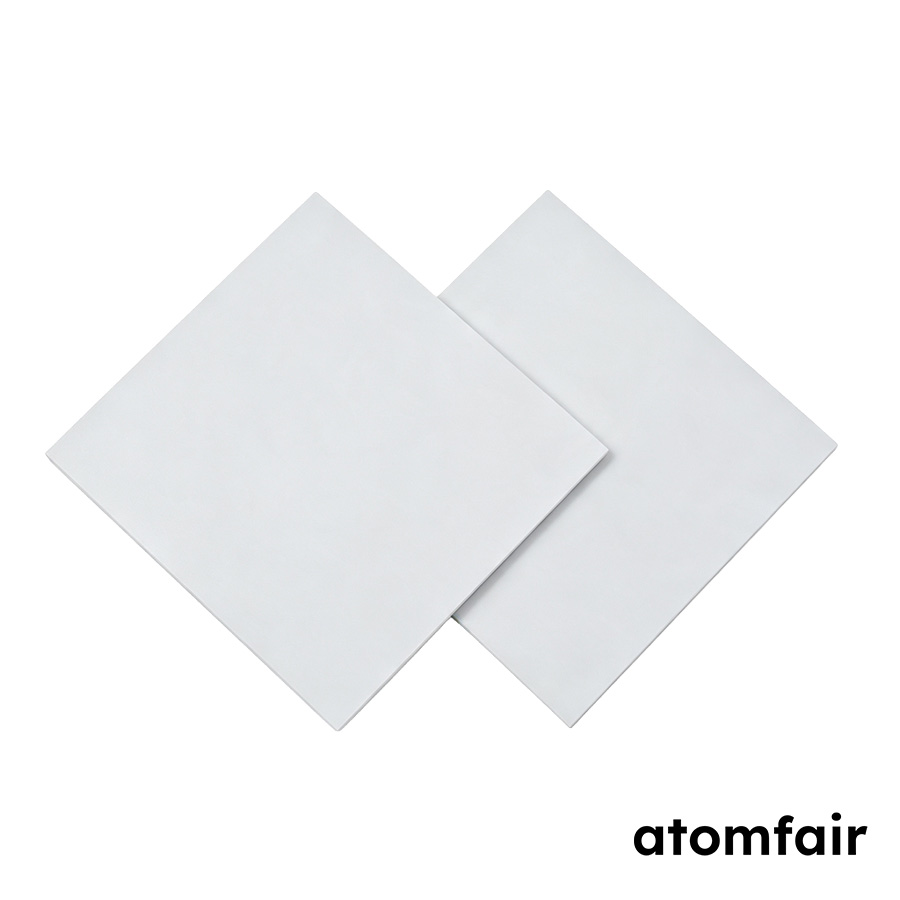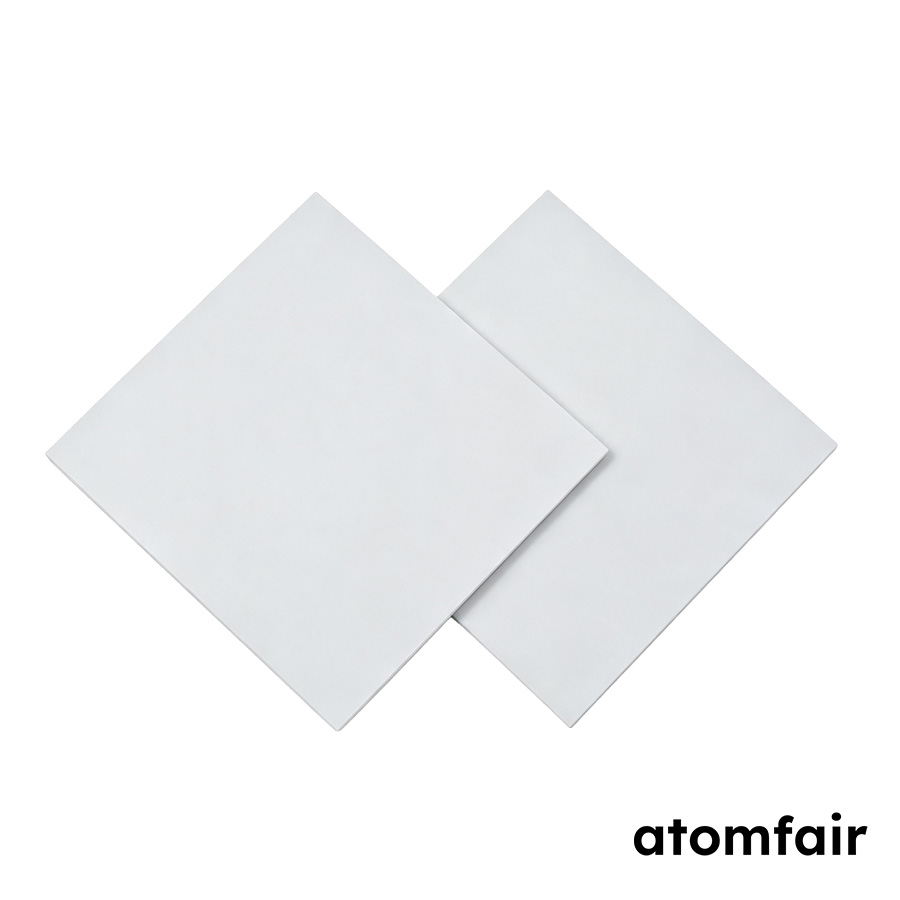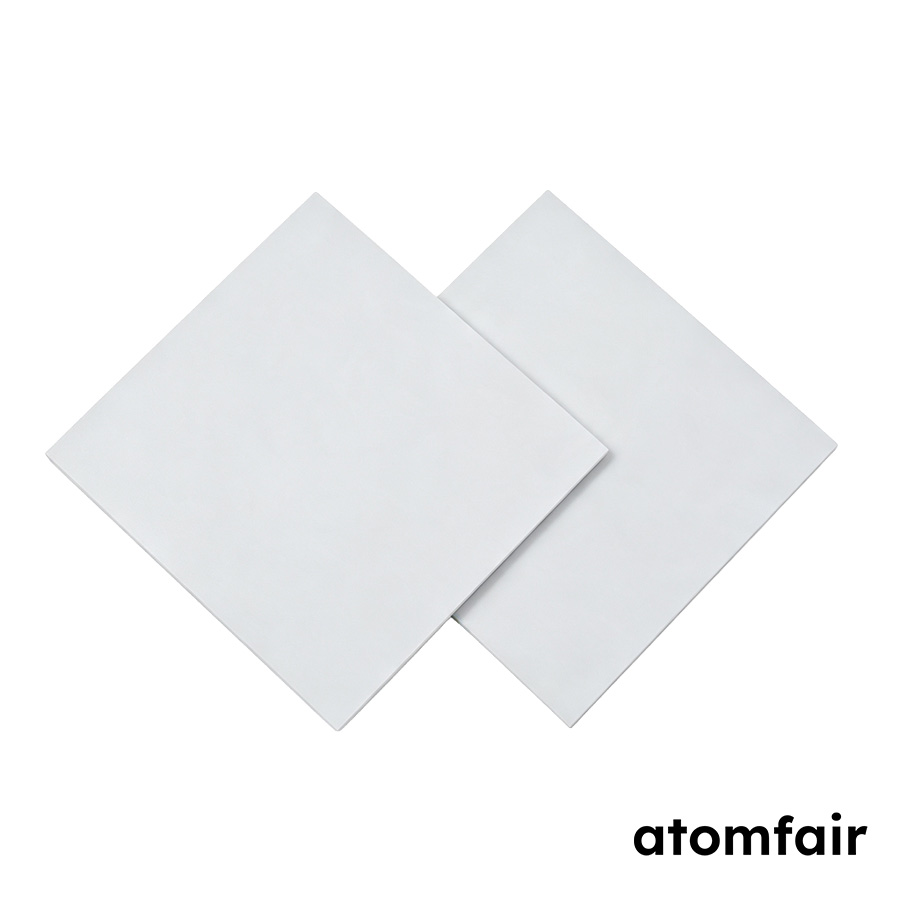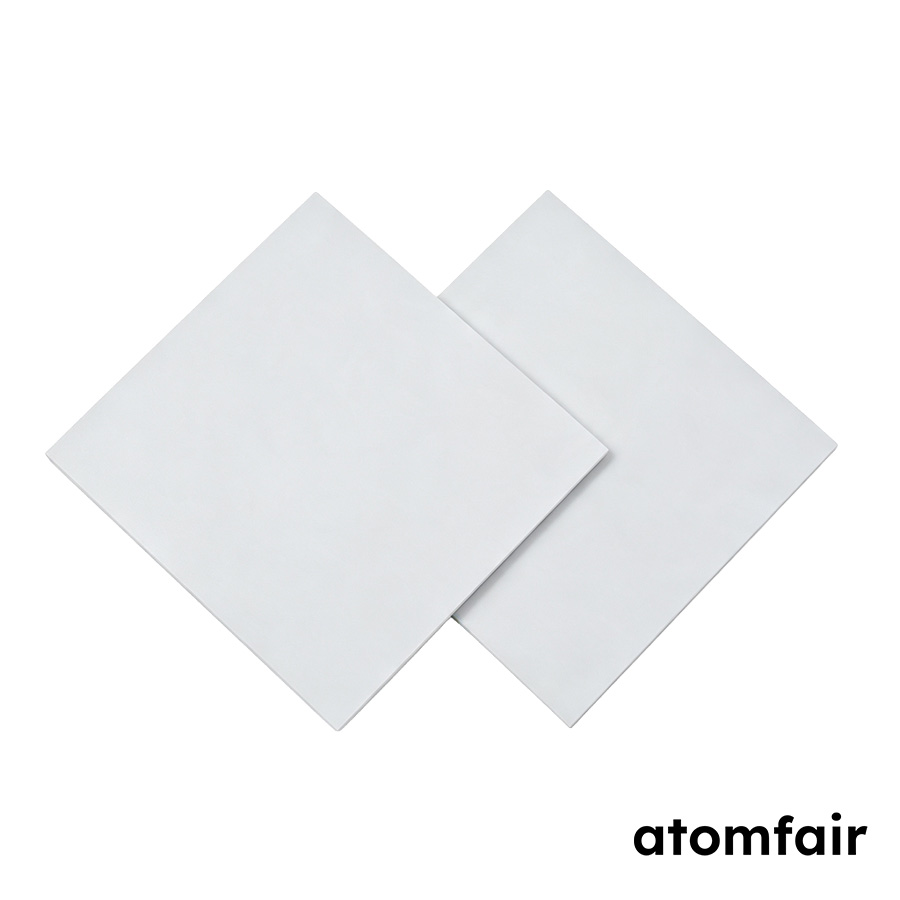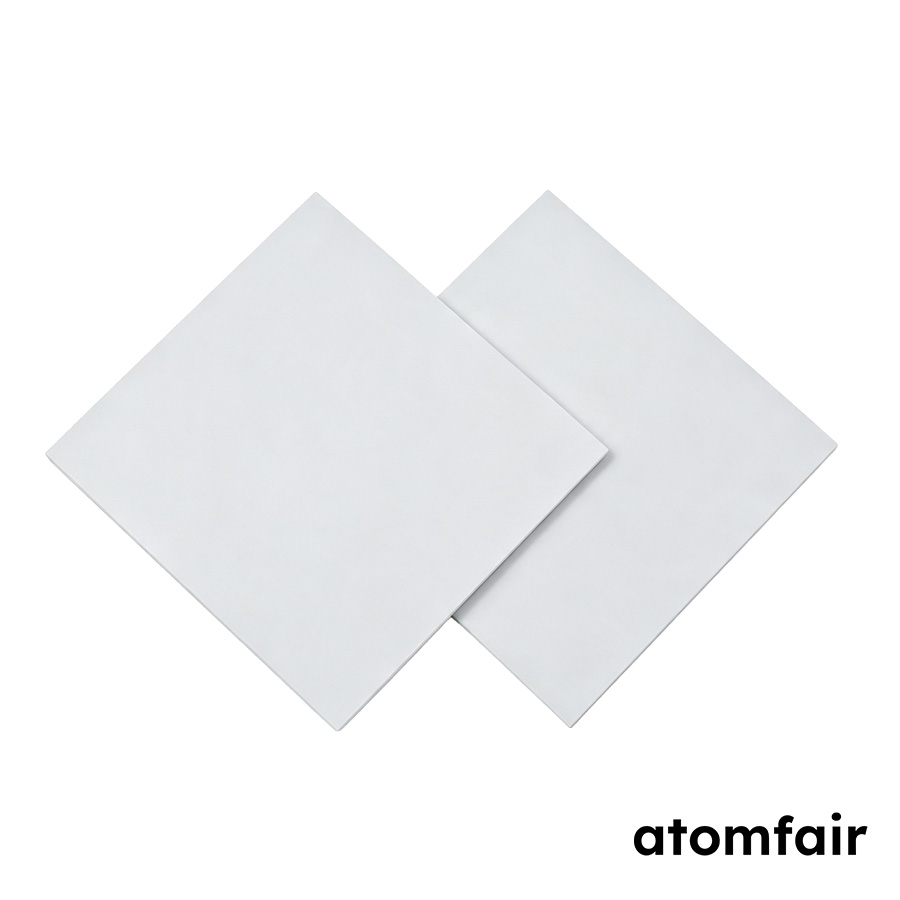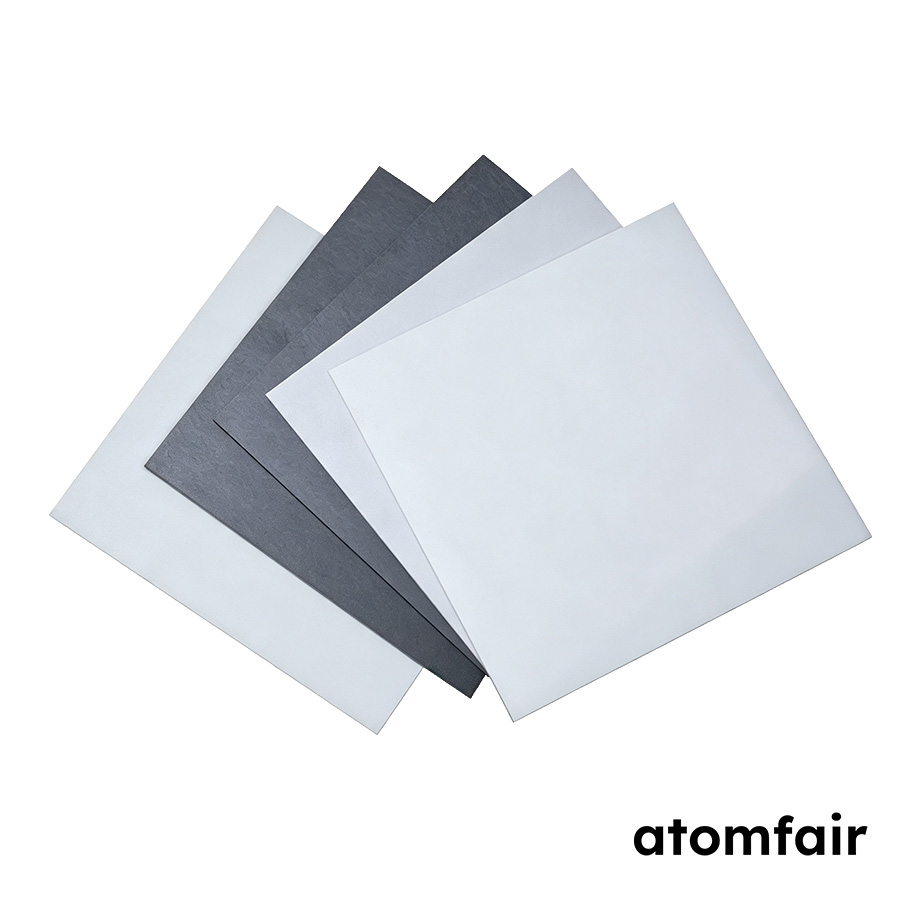
Zirconia Ceramic Plate, 100 mm x 100 mm x 5 mm, BlackProduct Type: Zirconia ceramic plate
Research-grade laboratory product
|
|||||||||||||||||||||||||||||||||||||||||||||||||
|
|||||||||||||||||||||||||||||||||||||||||||||||||
|
LABORATORY PROCUREMENT SUPPORT
For model selection, accessory matching, platform compatibility or configuration confirmation, contact our technical sales team.
E-MAIL: inquiry@atomfair.com
|
|||||||||||||||||||||||||||||||||||||||||||||||||
|
Supplier: Atomfair
Brand: ATOMFAIR®
|
This plate requires controlled sintering at 1650 °C and exhibits thermal shock sensitivity at 350 °C. Dimensional stability depends on maintaining uniform thermal gradients during heating and cooling cycles.
- Thermal Shock Constraint: Avoid rapid temperature changes exceeding 350 °C to prevent fracture from thermal stress.
- Sintering Requirement: The plate is sintered at 1650 °C and must not be re-sintered or exposed to temperatures above 1600 °C during subsequent processing.
- Electrical Insulation Constraint: Maintain surface cleanliness to preserve volume resistivity above 1 × 10¹² Ω·cm and dielectric breakdown strength of 15 kV/mm.
Inspect the plate for cracks or chips before installation and handle with clean gloves to avoid contamination. Use gradual heating and cooling to prevent thermal shock damage.
Required Equipment: Clean nitrile gloves, Controlled-rate furnace
- Inspect the plate
Inspect the plate visually for any cracks, chips, or surface defects before handling. - Clean the surface
Wipe the plate with isopropyl alcohol using a lint-free cloth to remove any particulate contamination. - Position in furnace
Place the plate on a flat, refractory support to ensure uniform thermal contact during heating. - Heat gradually
Ramp the furnace temperature at a rate not exceeding 5 °C per minute to avoid thermal shock. - Cool slowly
Allow the plate to cool naturally in the furnace to below 100 °C before removal.
How does the ZrO2 content of at least 94% affect the mechanical strength and thermal performance of this zirconia ceramic plate?
The high ZrO2 content (≥94%) directly supports the plate's density of 5.9, hardness of 1400 HV, 4-point flexural strength >11000, compressive strength of 25,000 kgf/cm², and maximum service temperature of 1600°C. These properties make it suitable for demanding mechanical and high-temperature applications.
What are the electrical insulation characteristics of this zirconia plate for use in high-temperature or high-voltage environments?
The plate exhibits volume resistivity above 1×10^12 Ω·cm, dielectric breakdown strength of 15 KT/m, and a dielectric constant of 12.5 at 1 MHz. These values confirm excellent electrical insulation performance even at elevated temperatures up to 1600°C.
What thermal shock resistance does this plate offer and what precautions should be taken during rapid temperature changes?
The thermal shock resistance is rated at 350°C, while the maximum service temperature is 1600°C. Gradual heating and cooling are recommended to avoid cracking from thermal stress, as the thermal expansion coefficient is 10×10⁻⁶/°C and thermal conductivity is 3 W/(m·K).
The AF-ZR-100X100B005 zirconia ceramic plate (100 mm x 100 mm x 5 mm) provides high hardness (1400 HV), compressive strength of 25,000 kgf/cm², and a maximum service temperature of 1600 °C, making it suitable for demanding insulation and structural applications, though its low thermal conductivity of 3 W/(m·K) and thermal shock resistance of 350 °C impose careful thermal management in rapid cycling environments.
Positive
- High-temperature stability up to 1600 °C: With a maximum service temperature of 1600 °C and low water absorption (0%), this plate maintains dimensional stability and electrical insulation under sustained high-heat conditions.
- Exceptional mechanical strength: Hardness of 1400 HV, compressive strength of 25,000 kgf/cm², and 4-point flexural strength over 11000 units support use in load-bearing ceramic components and wear-resistant setups.
Trade-offs
- Low thermal conductivity limits heat dissipation: A thermal conductivity of only 3 W/(m·K) restricts heat transfer, potentially causing localized hot spots in applications requiring rapid thermal equilibration.
- Moderate thermal shock resistance at 350 °C: The thermal shock resistance of 350 °C requires careful ramp-rate control to avoid cracking during rapid temperature changes, limiting use in cyclic thermal processes.
Every advanced material, component, equipment, and instrument in our catalog is backed by rigorous testing. We maintain strict internal quality management frameworks and align with CE conformity metrics to deliver transparent, reproducible performance data via our public open-science repository.
To request raw batch performance data, submit formal vendor registration paperwork, or execute a fast-turnaround R&D manufacturing loop, contact us at inquiry@atomfair.com.
Item is dispatched under the Atomfair Shipping & Delivery Framework (Free worldwide shipping on orders over $59 USD excl. heavy equipment). Return is governed by the Atomfair Return & Refund Policy (7-day technical return window).