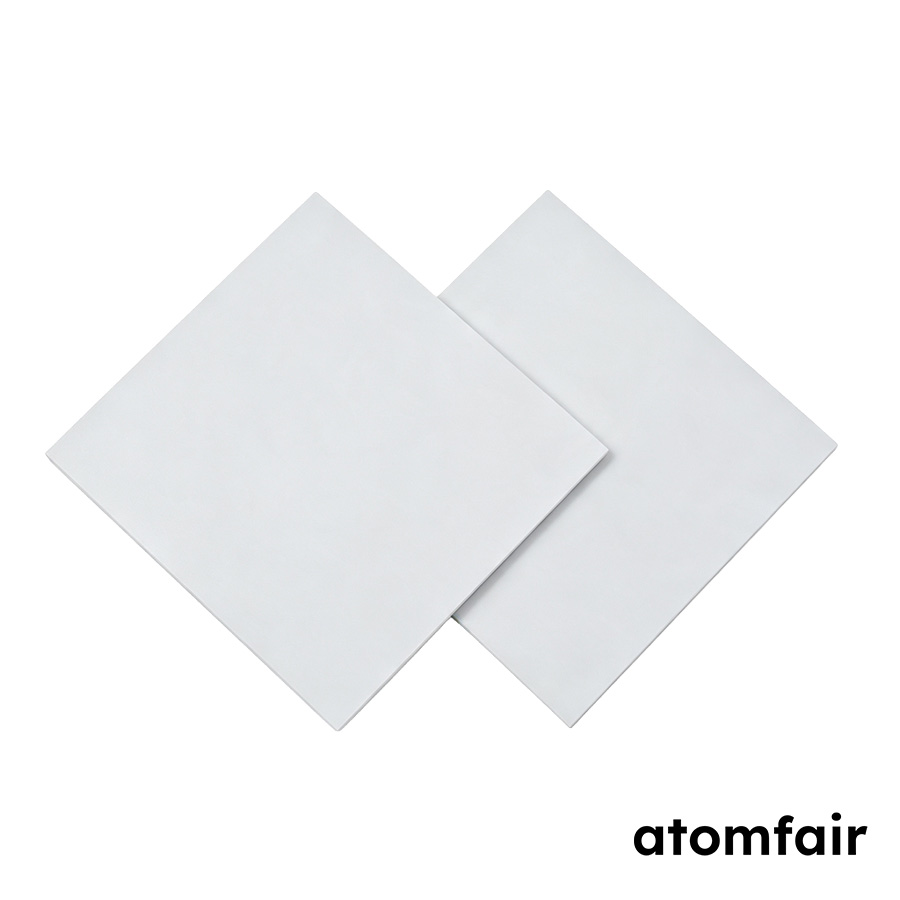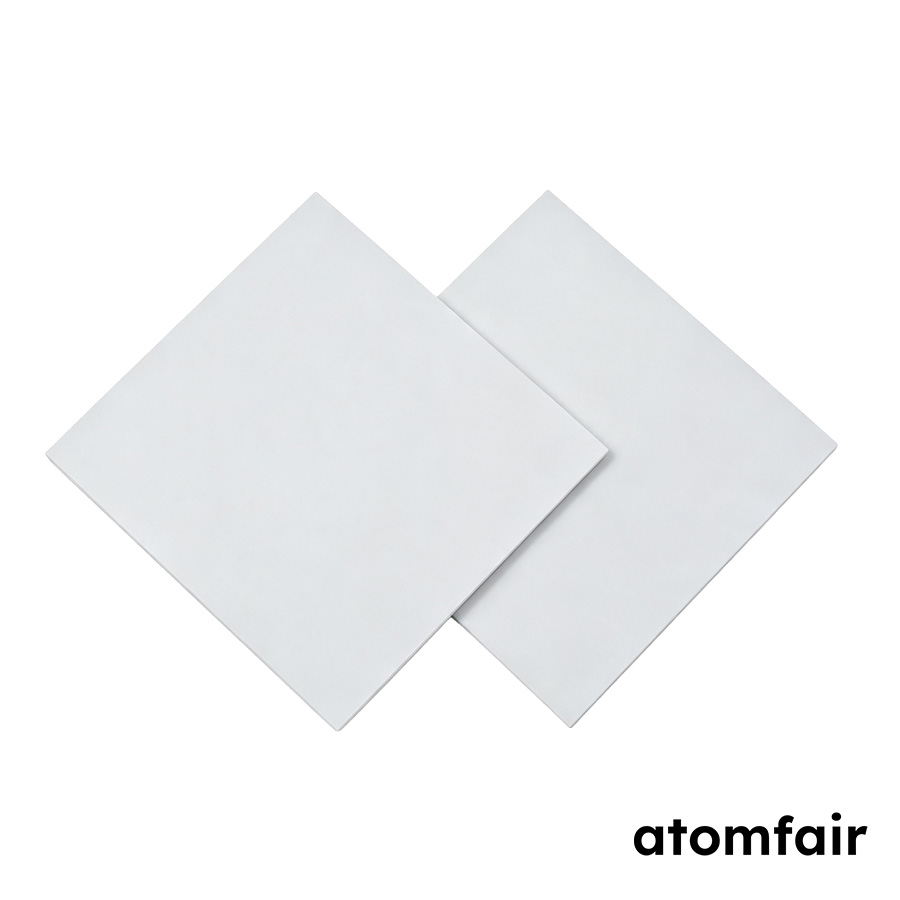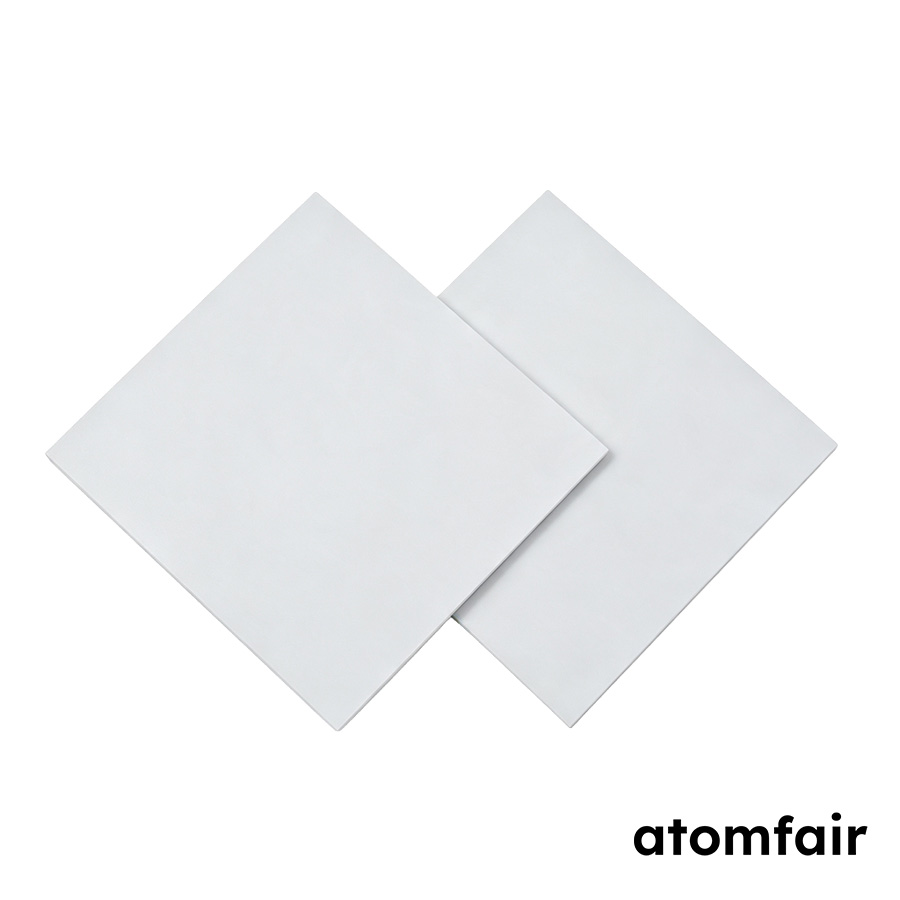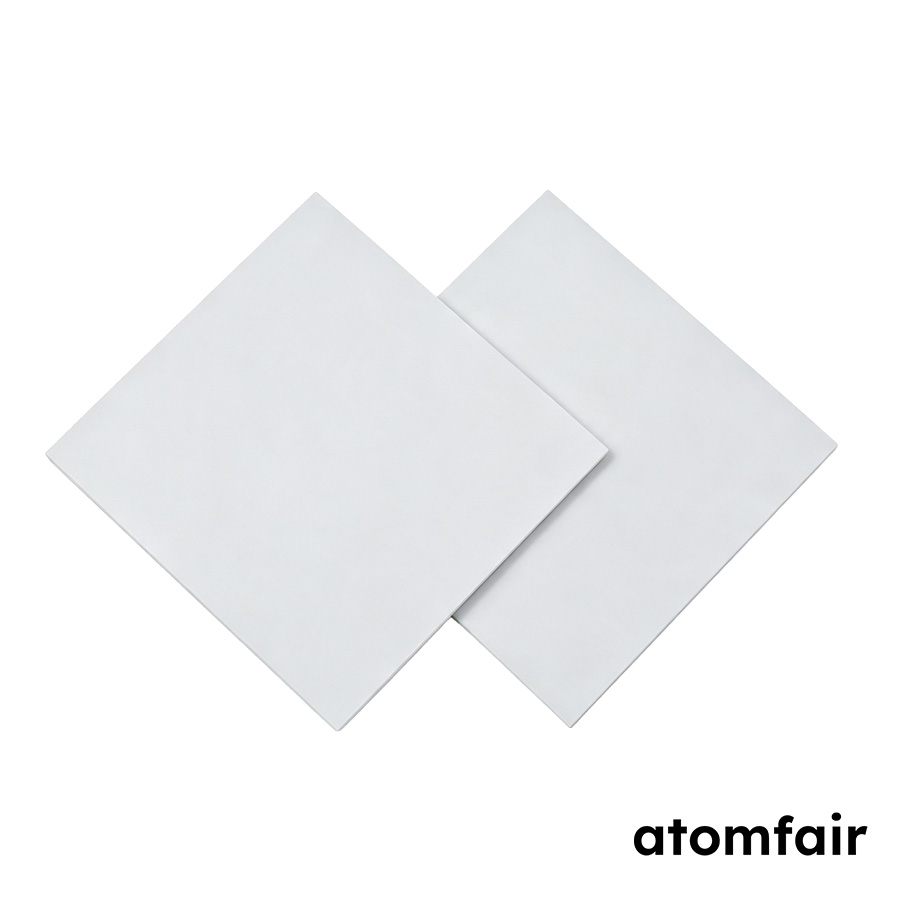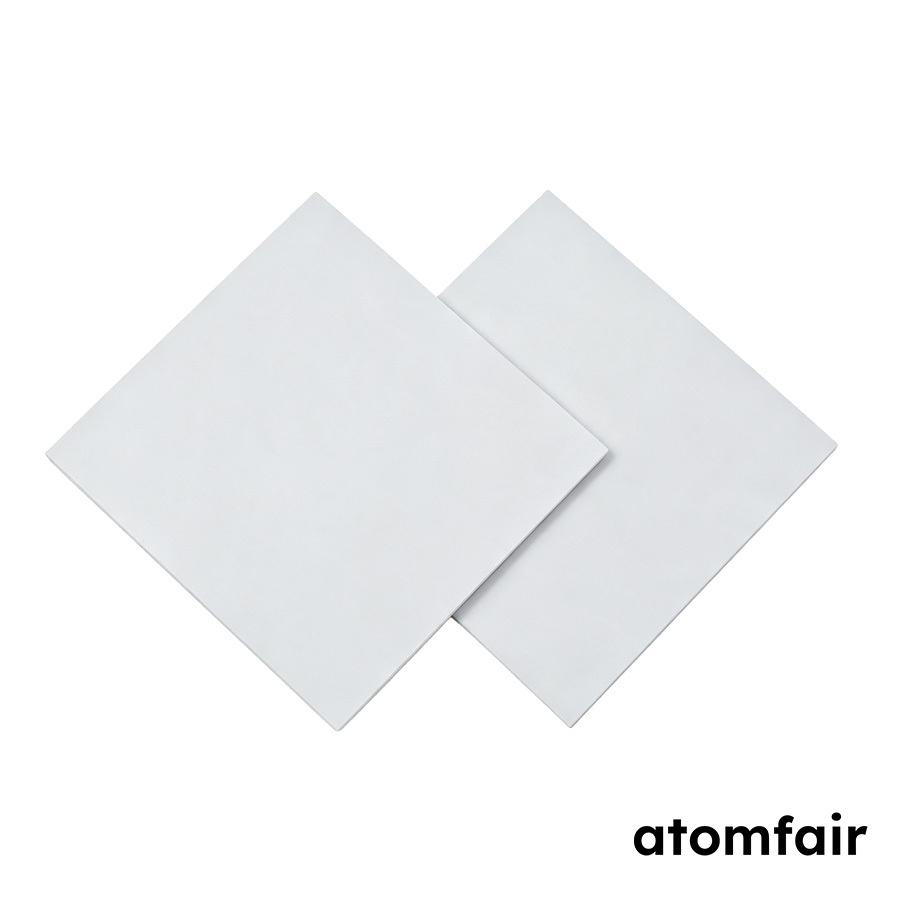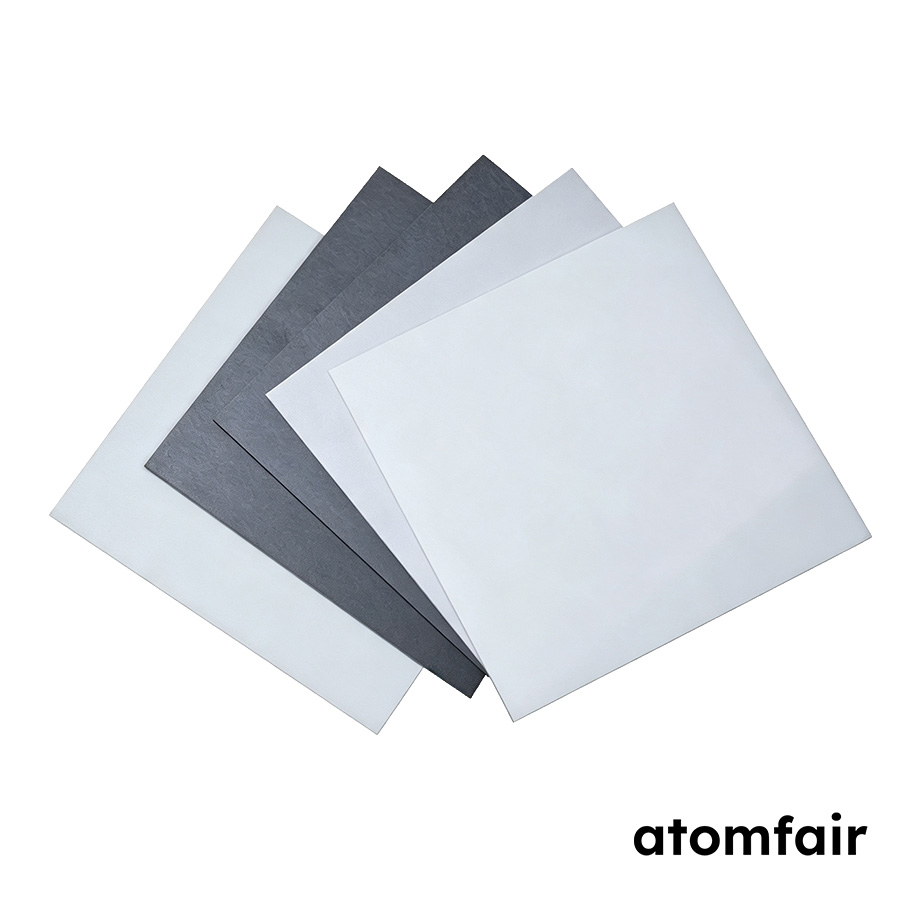
Zirconia Ceramic Plate, 100 mm x 100 mm x 4 mm, BlackProduct Type: Zirconia ceramic plate
Research-grade laboratory product
|
|||||||||||||||||||||||||||||||||||||||||||||||||
|
|||||||||||||||||||||||||||||||||||||||||||||||||
|
LABORATORY PROCUREMENT SUPPORT
For model selection, accessory matching, platform compatibility or configuration confirmation, contact our technical sales team.
E-MAIL: inquiry@atomfair.com
|
|||||||||||||||||||||||||||||||||||||||||||||||||
|
Supplier: Atomfair
Brand: ATOMFAIR®
|
The plate exhibits high hardness and compressive strength but is susceptible to thermal shock at temperature gradients exceeding 350 °C. Sintering at 1650 °C and low water absorption require controlled atmosphere processing to prevent contamination or cracking.
- Thermal Shock Sensitivity: Avoid rapid temperature changes exceeding 350 °C to prevent fracture due to thermal shock.
- Sintering Requirement: Process the plate at a sintering temperature of 1650 °C to achieve full densification and specified mechanical properties.
- Electrical Insulation Constraint: Maintain volume resistivity above 1 × 10¹⁴ Ω·cm by avoiding moisture absorption or surface contamination.
Inspect the plate for cracks or chips before any thermal or mechanical processing. Use gradual heating and cooling cycles to avoid thermal shock during sintering or high-temperature exposure.
Required Equipment: Furnace with programmable temperature ramp, Diamond cutting or grinding tool, Cleanroom gloves
- Inspect the plate
Inspect the zirconia ceramic plate for visible cracks, chips, or surface defects before any processing. - Preheat the furnace
Set the furnace to a starting temperature of 200 °C and ramp at a rate not exceeding 5 °C per minute to avoid thermal shock. - Load the plate
Transfer the plate into the furnace using cleanroom gloves to prevent contamination. - Sinter the plate
Heat the plate to 1650 °C and hold for the required dwell time to achieve full densification. - Cool gradually
Cool the plate at a controlled rate of 3 °C per minute to below 200 °C before removal to prevent thermal shock.
What is the maximum service temperature and thermal conductivity of the AF-ZR-100X100B004 zirconia ceramic plate, and how do these properties influence its use in high-temperature insulation applications?
The maximum service temperature is 1600 °C and thermal conductivity is 3 W/(m·K). This combination allows the plate to function as an effective thermal insulator at extreme temperatures while maintaining structural integrity, as supported by the ZrO₂ content of at least 94% and volume resistivity above 1 × 10¹⁰ Ω·cm.
What is the thermal shock resistance of this 100 mm × 100 mm × 4 mm zirconia plate, and what precautions are needed for rapid temperature changes?
The thermal shock resistance is 350 °C. This means the plate can withstand sudden temperature differences up to 350 °C without cracking. For applications involving rapid heating or cooling, engineers should ensure temperature gradients do not exceed this threshold to avoid thermal stress failure.
What are the key mechanical properties that affect machining and handling of this zirconia ceramic plate?
The plate has a hardness of 1400 HV and compressive strength of 25,000 kgf/cm², indicating extreme hardness and resistance to deformation. However, like most ceramics, it is brittle; diamond tooling is recommended for any cutting or drilling, and careful handling is required to avoid impact damage. The 0% water absorption also means it will not degrade in humid environments.
This 100 mm x 100 mm x 4 mm black zirconia ceramic plate, with ≥94% ZrO2 content, provides high hardness (1400 HV), compressive strength of 25,000 kgf/cm², electrical insulation (volume resistivity >1×10¹⁰ Ω·cm), and a maximum service temperature of 1600°C, making it suitable for demanding high-temperature and insulating applications in laboratory settings.
Positive
- Extreme thermal stability and insulation: Maximum service temperature of 1600°C and low thermal conductivity of 3 W/(m·K) enable sustained operation in high-heat environments with minimal heat transfer, supporting dimensional retention and electrical insulation.
- Exceptional mechanical strength and corrosion resistance: High hardness (1400 HV), compressive strength of 25,000 kgf/cm², and ≥94% ZrO2 content provide robust durability against mechanical stress and chemical attack, with zero water absorption ensuring long-term stability.
Trade-offs
- Moderate thermal shock resistance limits rapid cycling: With a thermal shock resistance of 350°C, the plate requires controlled heating and cooling rates to avoid cracking from abrupt temperature changes, adding procedural constraints in dynamic thermal processes.
- High-density material demands careful handling: A density of 5.9 g/cm³ and brittle ceramic nature require secure mounting and impact protection during lab deployment to prevent fracture, increasing operational precautions.
Every advanced material, component, equipment, and instrument in our catalog is backed by rigorous testing. We maintain strict internal quality management frameworks and align with CE conformity metrics to deliver transparent, reproducible performance data via our public open-science repository.
To request raw batch performance data, submit formal vendor registration paperwork, or execute a fast-turnaround R&D manufacturing loop, contact us at inquiry@atomfair.com.
Item is dispatched under the Atomfair Shipping & Delivery Framework (Free worldwide shipping on orders over $59 USD excl. heavy equipment). Return is governed by the Atomfair Return & Refund Policy (7-day technical return window).