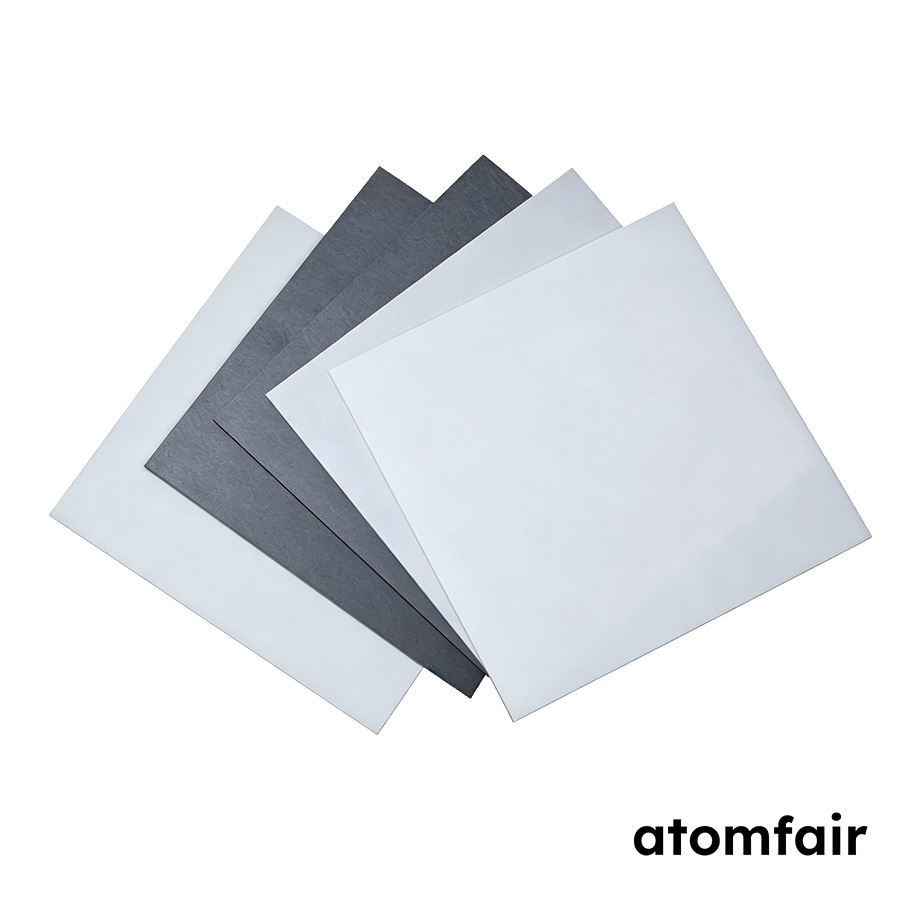
Zirconia Ceramic Plate, 100 mm x 100 mm x 1.5 mm, Pack of 10, WhiteProduct Type: Zirconia ceramic plate
Research-grade laboratory product
|
|||||||||||||||||||||||||||||||||||||||||||||||||
|
|||||||||||||||||||||||||||||||||||||||||||||||||
|
LABORATORY PROCUREMENT SUPPORT
For model selection, accessory matching, platform compatibility or configuration confirmation, contact our technical sales team.
E-MAIL: inquiry@atomfair.com
|
|||||||||||||||||||||||||||||||||||||||||||||||||
|
Supplier: Atomfair
Brand: ATOMFAIR®
|
Storage below 1600 °C maximum service temperature is required to prevent thermal degradation. The plate's low water absorption and 350 °C thermal shock resistance necessitate gradual thermal cycling during processing.
- Thermal Shock Limitation: Avoid rapid temperature changes exceeding 350 °C to prevent cracking due to thermal shock.
- Electrical Insulation Constraint: Maintain volume resistivity above 1 × 10¹⁴ Ω·cm by keeping the surface clean and free of conductive contaminants.
- Sintering History Note: The plate was sintered at 1650 °C; re-exposure above 1600 °C may alter dimensional stability.
Inspect the plate for chips or cracks before any thermal or mechanical processing. Preheat gradually to the target temperature at a rate not exceeding 10 °C per minute to avoid thermal shock.
Required Equipment: Infrared thermometer or thermocouple
- Inspect for damage
Examine the plate visually for edge chips, surface cracks, or delamination before use. - Clean surface
Wipe the plate with isopropyl alcohol and lint-free cloth to remove any dust or oily residues. - Preheat gradually
Place the plate in a furnace at room temperature and ramp the temperature at ≤10 °C per minute to the desired set point. - Cool after use
Allow the plate to cool naturally in the furnace to below 200 °C before removal to prevent thermal shock. - Store in dry environment
Keep the plate in a sealed container with desiccant if stored for extended periods to maintain surface resistivity.
How does the maximum service temperature of 1600°C relate to the thermal shock resistance of 350°C for this zirconia ceramic plate?
The plate can operate continuously up to 1600°C but rapid temperature changes exceeding 350°C may cause thermal stress failure. This is due to its thermal expansion coefficient of 10×10⁻⁶/°C and thermal conductivity of 3 W/(m·K). Engineers must consider both limits for cyclic heating applications.
What are the electrical insulation capabilities of this zirconia plate for high-voltage or high-resistivity applications?
The plate offers volume resistivity >1×10¹⁰ Ω·cm and dielectric breakdown strength of 15 kV/mm (assuming KT/m = kV/mm). With a dielectric constant of 12.5 at 1 MHz, it is suitable for electrical insulation in high-temperature environments up to 1600°C.
What is the significance of the 0% water absorption for this zirconia plate in humid laboratory environments?
The plate has zero water absorption, meaning it will not degrade or change dimensions in humid conditions, ensuring dimensional stability for precision applications. This property, combined with a density of 5.9 g/cm³ and low thermal expansion, supports reliable performance in moisture-sensitive setups.
This 100 mm x 100 mm x 1.5 mm zirconia ceramic plate (≥94% ZrO2) provides high hardness (1400 HV), compressive strength (25,000 kgf/cm²), and a maximum service temperature of 1600 °C with low thermal conductivity (3 W/(m·K)) and high volume resistivity (>1×10¹² Ω·cm), making it suited for high-temperature electrical insulation applications in lab furnaces or test fixtures.
Positive
- High-temperature capability to 1600 °C: Maximum service temperature of 1600 °C enables use in extreme thermal environments such as annealing or sintering processes, with thermal shock resistance of 350 °C for moderate thermal cycling.
- Electrical insulation with low water absorption: Volume resistivity above 1×10¹² Ω·cm and zero water absorption (0%) provide stable dielectric performance in humid laboratory conditions, with dielectric breakdown strength of 15 KT/m.
Trade-offs
- Thermal shock sensitivity above 350 °C delta: Thermal shock resistance of 350 °C limits rapid temperature changes, requiring controlled heating and cooling ramps to avoid fracture.
- High hardness complicates post-processing: With a hardness of 1400 HV and density of 5.9 g/cm³, the plate is difficult to cut, drill, or machine without diamond tooling, increasing preparation effort for custom geometries.
Every advanced material, component, equipment, and instrument in our catalog is backed by rigorous testing. We maintain strict internal quality management frameworks and align with CE conformity metrics to deliver transparent, reproducible performance data via our public open-science repository.
To request raw batch performance data, submit formal vendor registration paperwork, or execute a fast-turnaround R&D manufacturing loop, contact us at inquiry@atomfair.com.
Item is dispatched under the Atomfair Shipping & Delivery Framework (Free worldwide shipping on orders over $59 USD excl. heavy equipment). Return is governed by the Atomfair Return & Refund Policy (7-day technical return window).