|
||||||||||||||||||||||||||||||||||||||||||
|
|
|||||||||||||||||||||||||||||||||||||||||||||||||||||||||||||||||||||||||||||||||||||||||||||||||||||||||||||||||||||||||||||||||||||||||
|
TAILORED SOLUTIONS FOR RESEARCH
Contact our engineering team for technical support or official institutional quotations.
EMAIL: inquiry@atomfair.com
|
|||||||||||||||||||||||||||||||||||||||||||||||||||||||||||||||||||||||||||||||||||||||||||||||||||||||||||||||||||||||||||||||||||||||||
|
Manufacturer: Atomfair LLC
Brand: ATOMFAIR®
|
This polyethylene separator is sensitive to moisture and high temperatures. Store sealed in a dry, ventilated environment away from heat sources to prevent shrinkage and degradation.
- Moisture Sensitivity: Seal the product in its original plastic bag when not in use to prevent moisture absorption.
- Thermal Exposure: Keep below the melting temperature of 135°C and away from any ignition sources to avoid melting or shrinkage.
- Mechanical Integrity: Handle with care to avoid punctures or tears, despite a high puncture strength of 722 g.
- Storage Environment: Maintain storage in a normal or low temperature, dry, and well-ventilated area.
- Transport Precautions: Avoid exposure to direct sunlight, rain, and severe mechanical shock during transport.
Proper handling ensures the separator retains its dimensional stability and electrochemical performance. Follow these steps to minimize contamination and mechanical damage.
Required Equipment:
- Inspect Packaging
Inspect the sealed plastic bag for any punctures or tears before opening to confirm integrity. - Select Storage Area
Transfer the separator to a cool, dry, and well-ventilated location with ambient temperature below 30°C. - Avoid Heat Sources
Keep the product away from open flames, sparks, and any surfaces exceeding 60°C to prevent thermal degradation. - Prevent Mechanical Stress
Handle the roll with clean hands and avoid contact with sharp objects or excessive force to preserve the film structure.
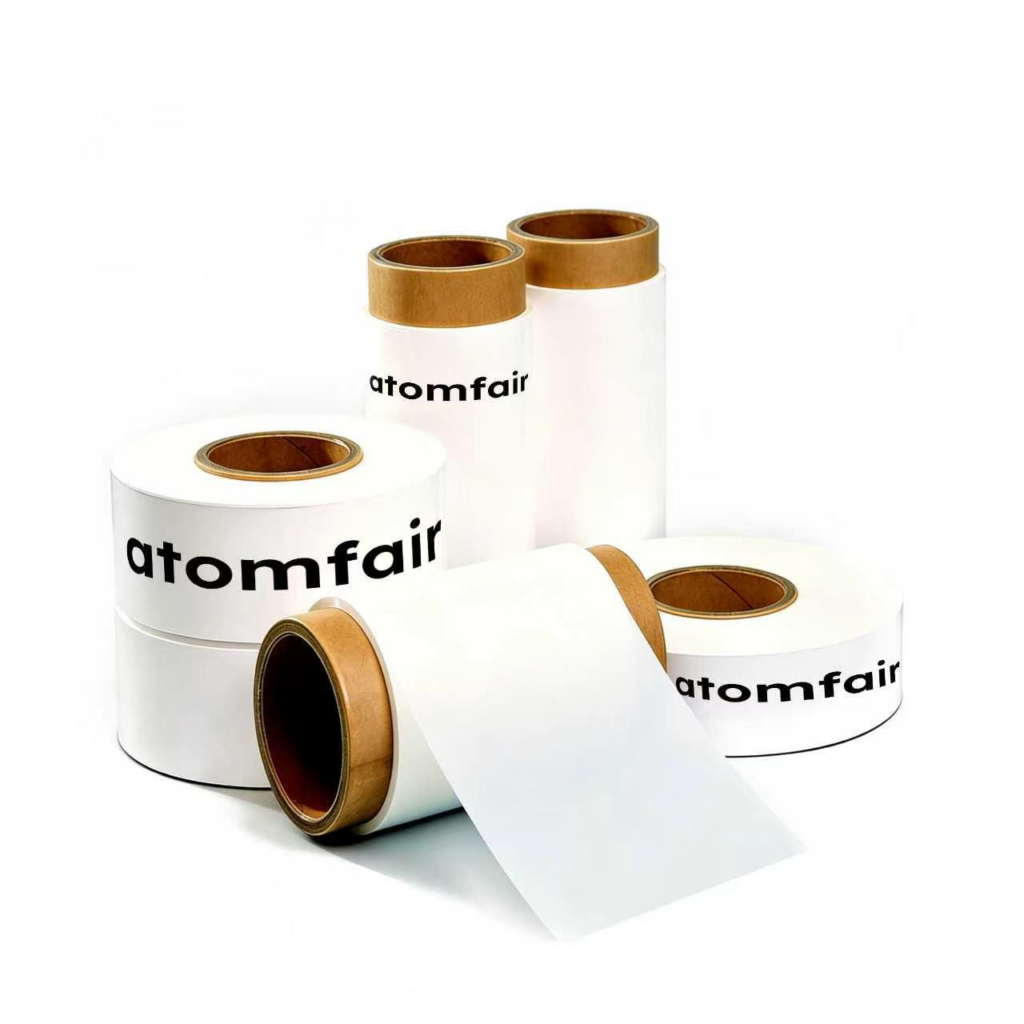
How does the 41% porosity combined with 224s air permeability of the AF-PE20 separator balance ionic conductivity and mechanical integrity for high-rate cycling experiments?
The 41% porosity and 224s Gurley value represent a moderate pore architecture that supports ionic transport adequate for 1C rate testing, but the 722g puncture strength indicates a mechanically robust film capable of resisting dendrite penetration over long cycles. For high-rate operation above 5C, the air permeability is higher than thinner PE variants like the 7μm separator with 155s, making this 20μm thickness better suited for studies prioritizing cycle life over rate capability.
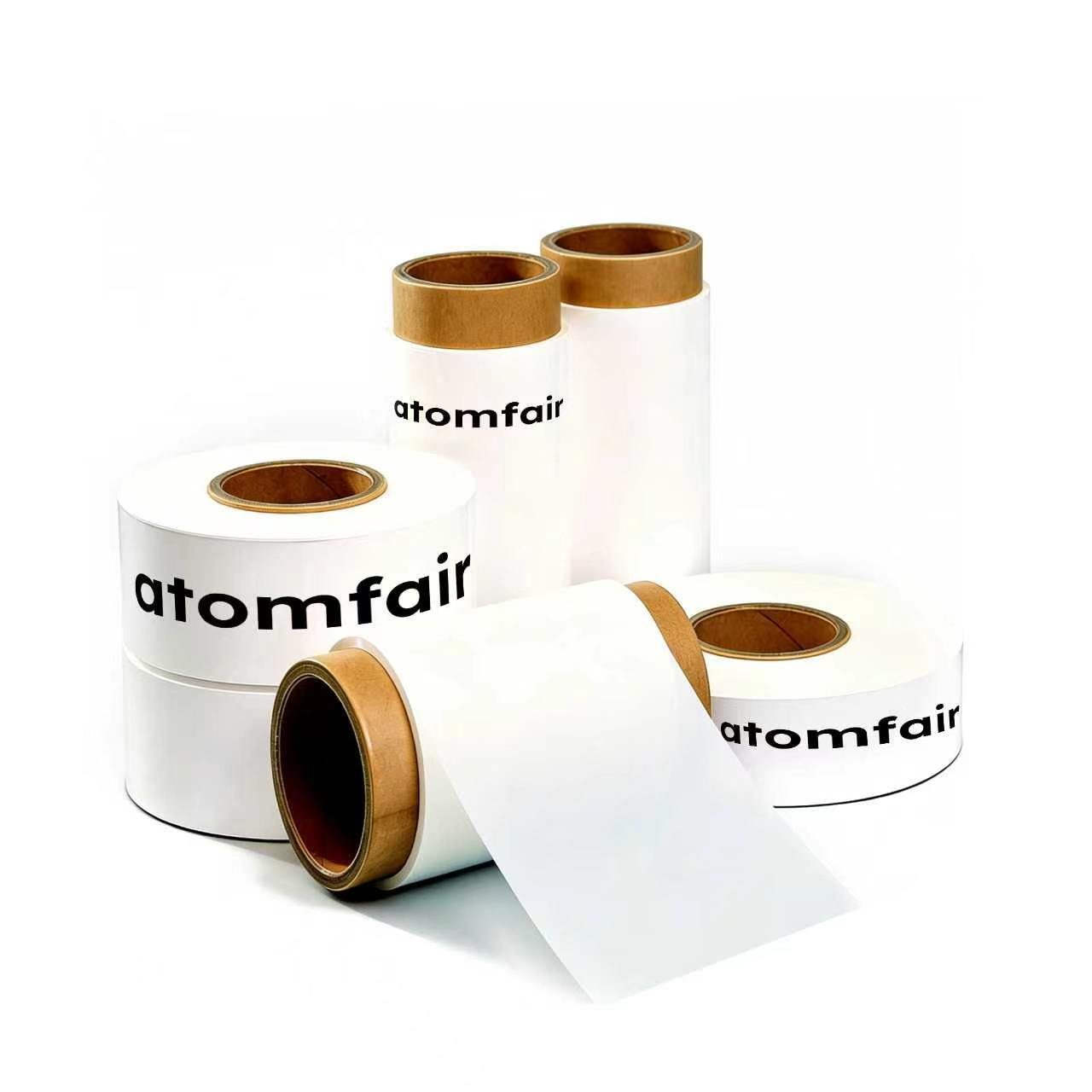
Is the 60mm width of the wet-process PE separator intended for standard coin cell assembly or for pouch cell fabrication in research?
The 60mm width and 10m length are optimized for roll-to-roll processing typical of pouch cell fabrication, where sheets are cut to custom dimensions. For 2032 coin cells requiring approximately 19mm diameter discs, the 60mm width yields multiple punches per row, making it suitable for both formats. The single-layer PE construction without ceramic coating means it is best used in baseline experiments where coating is applied separately.
What storage conditions must be maintained to preserve the mechanical and thermal properties of the AF-PE20 separator before experimental use?
The separator must be stored sealed in a dry, well-ventilated environment at normal or low temperature, away from fire, heat sources, and flammable materials as specified in the packaging instructions. The 135°C melting point requires avoiding prolonged exposure above 50°C to prevent thermal shrinkage and preserve the 1.4% MD shrinkage specification, and the sealed packaging prevents moisture ingress that could compromise electrolyte compatibility.
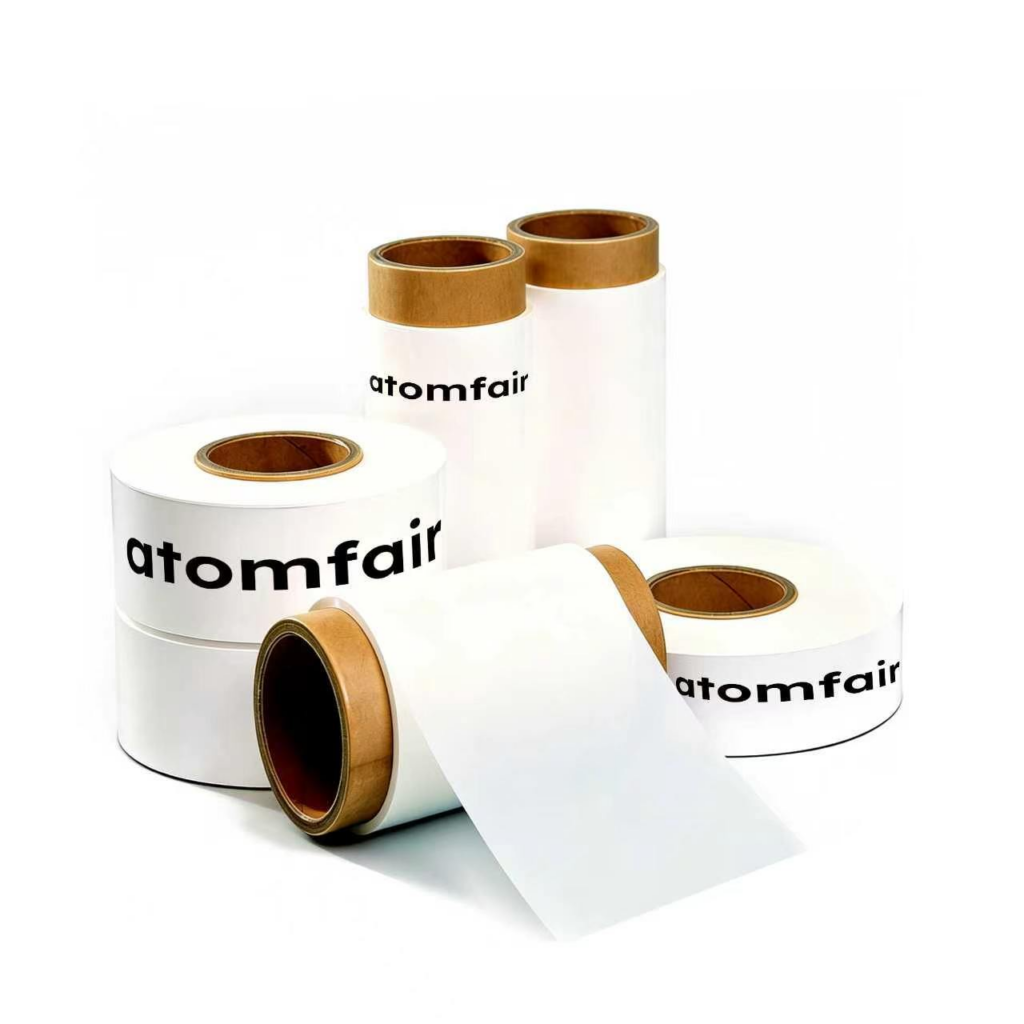
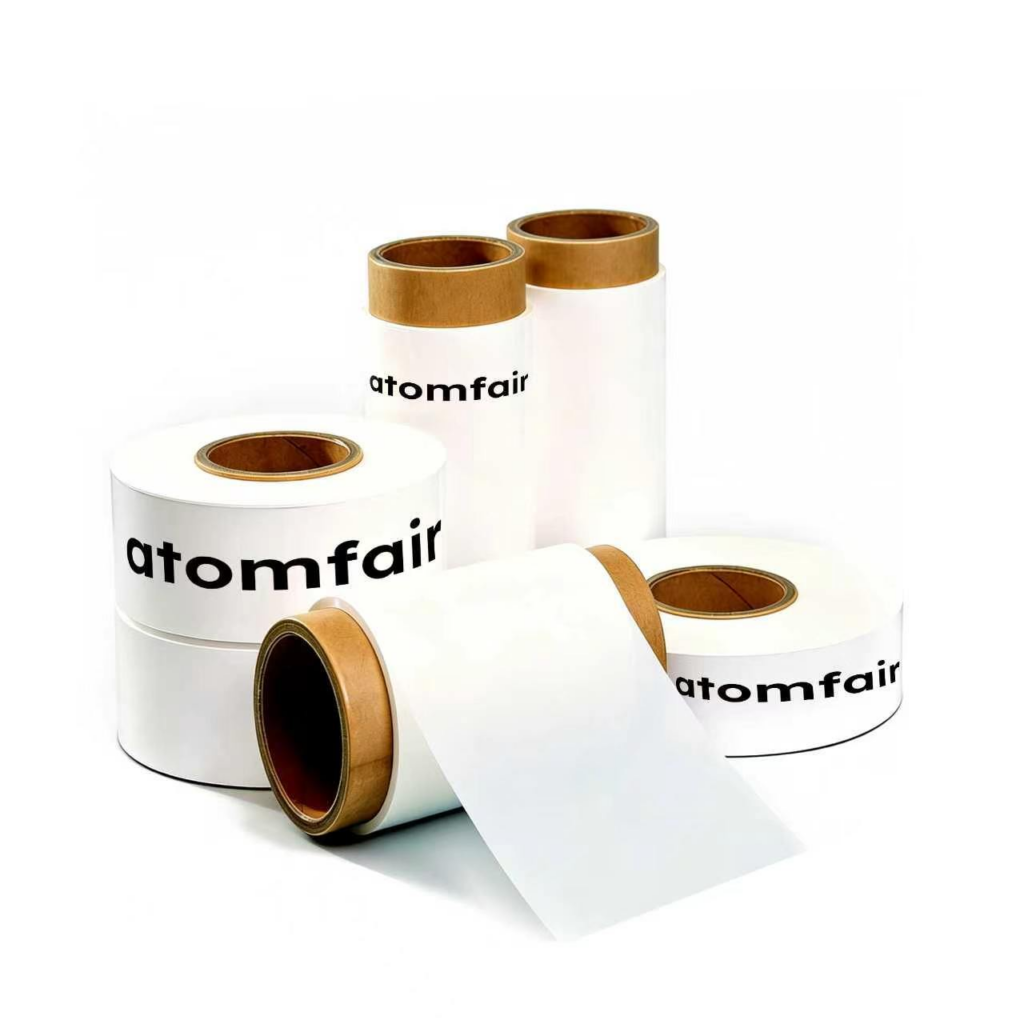
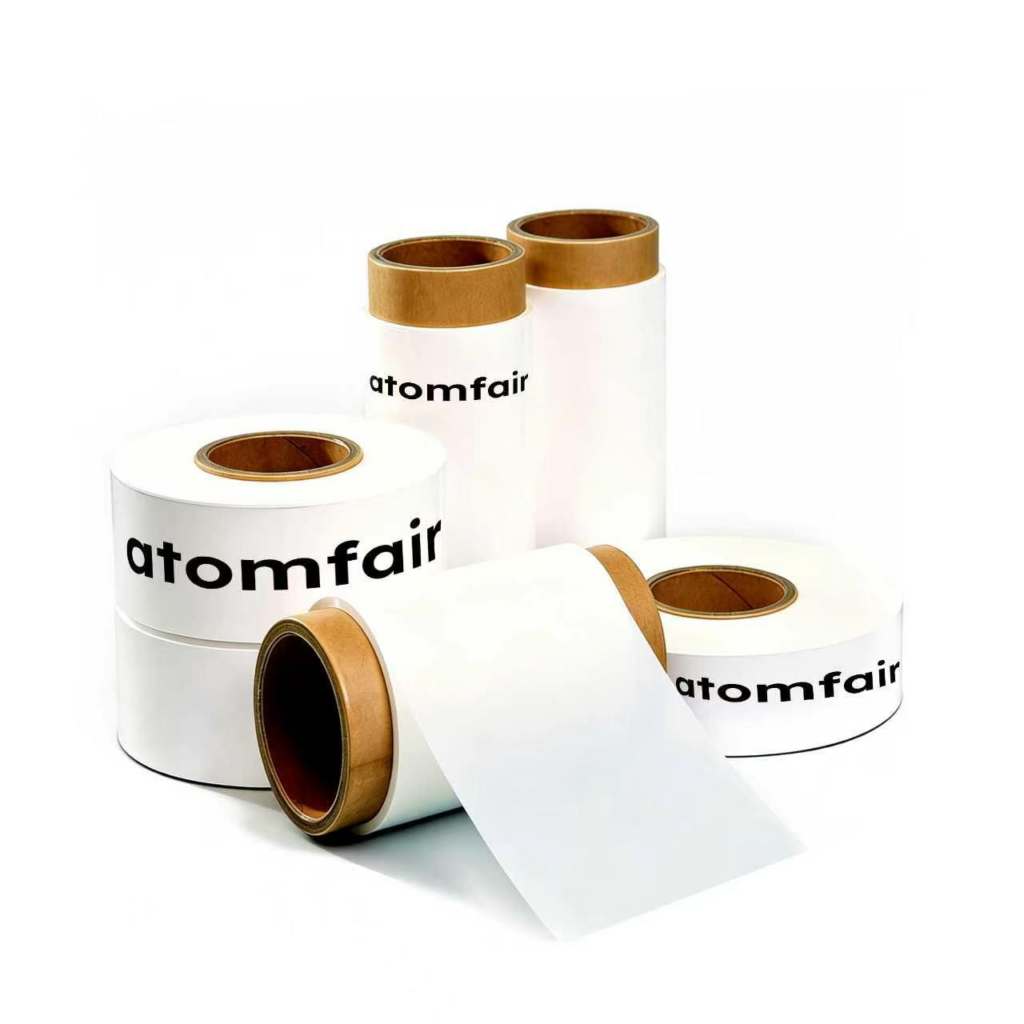
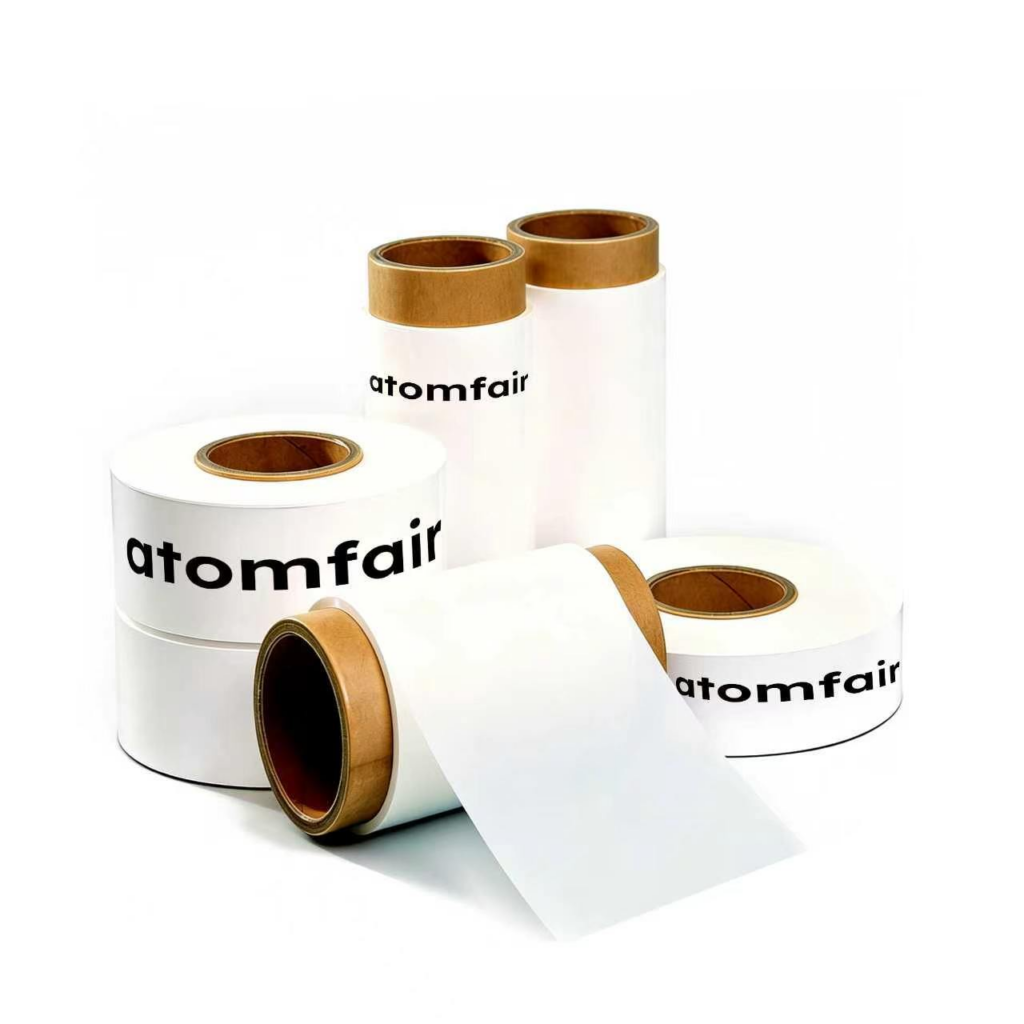
This 20μm wet-process PE separator offers a balanced combination of mechanical strength and permeability for laboratory battery research, with a puncture strength of 722g and porosity of 41%, but its 135°C melting point and sensitivity to environmental conditions impose operational constraints.
Positive
- High puncture strength: With a puncture strength of 722g, the separator provides robust mechanical integrity to withstand electrode compression and prevent short circuits during cell assembly and cycling.
- Low transverse thermal shrinkage: Transverse thermal shrinkage of only 0.1% ensures minimal dimensional change in the width direction under elevated temperatures, contributing to stable electrode isolation.
Trade-offs
- Moderate melting temperature: With a melting point of 135°C, the separator has limited thermal tolerance; extended operation above this temperature can cause shrinkage or melting, compromising safety and performance.
- Controlled storage environment required: The separator must be stored sealed in a dry, well-ventilated area away from heat sources, fire, and flammable materials, and transported carefully to avoid moisture ingress, UV exposure, and mechanical damage.
Every advanced material, component, equipment, and instrument in our catalog is backed by rigorous testing. We maintain strict internal quality management frameworks and align with CE conformity metrics to deliver transparent, reproducible performance data via our public open-science repository.
To request raw batch performance data, submit formal vendor registration paperwork, or execute a fast-turnaround R&D manufacturing loop, contact us at inquiry@atomfair.com.
Item is dispatched under the Atomfair Shipping & Delivery Framework (Free worldwide shipping on orders over $59 USD excl. heavy equipment). Return is governed by the Atomfair Return & Refund Policy (7-day technical return window).