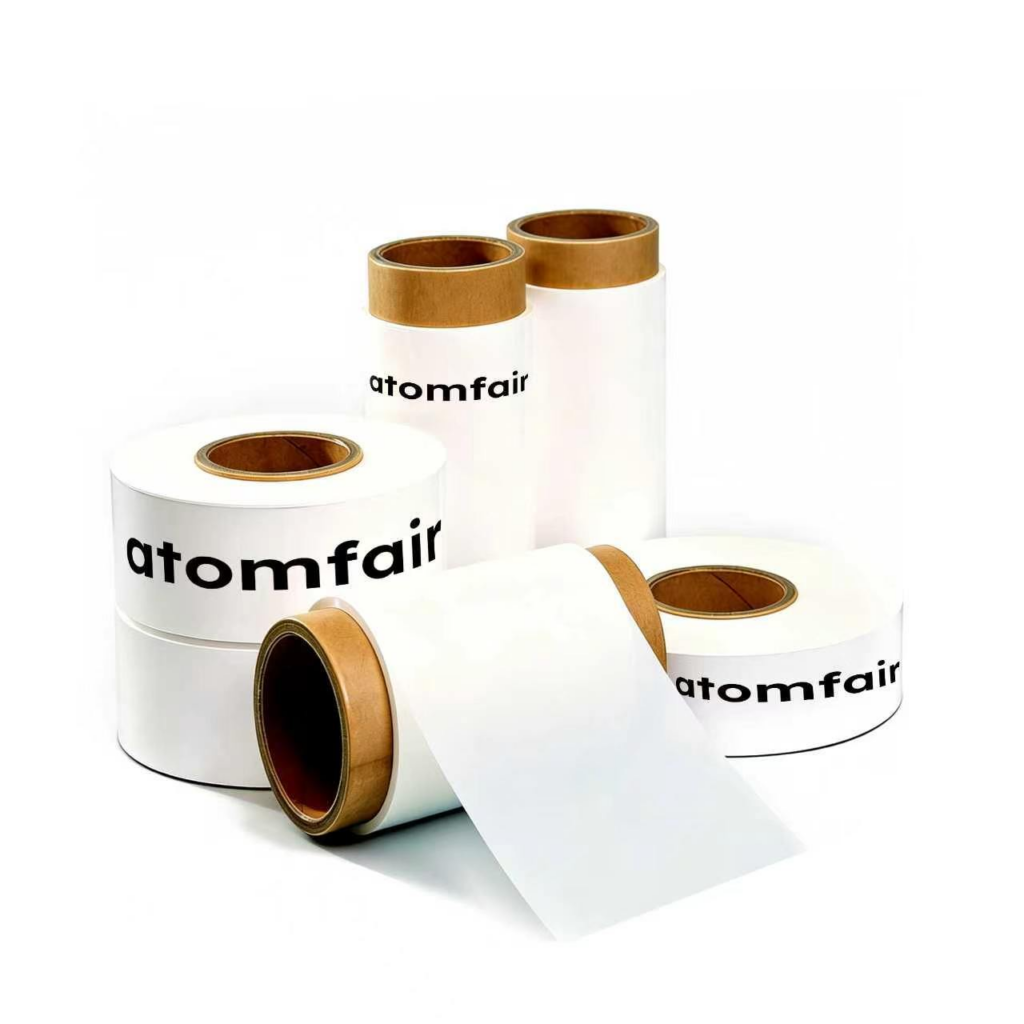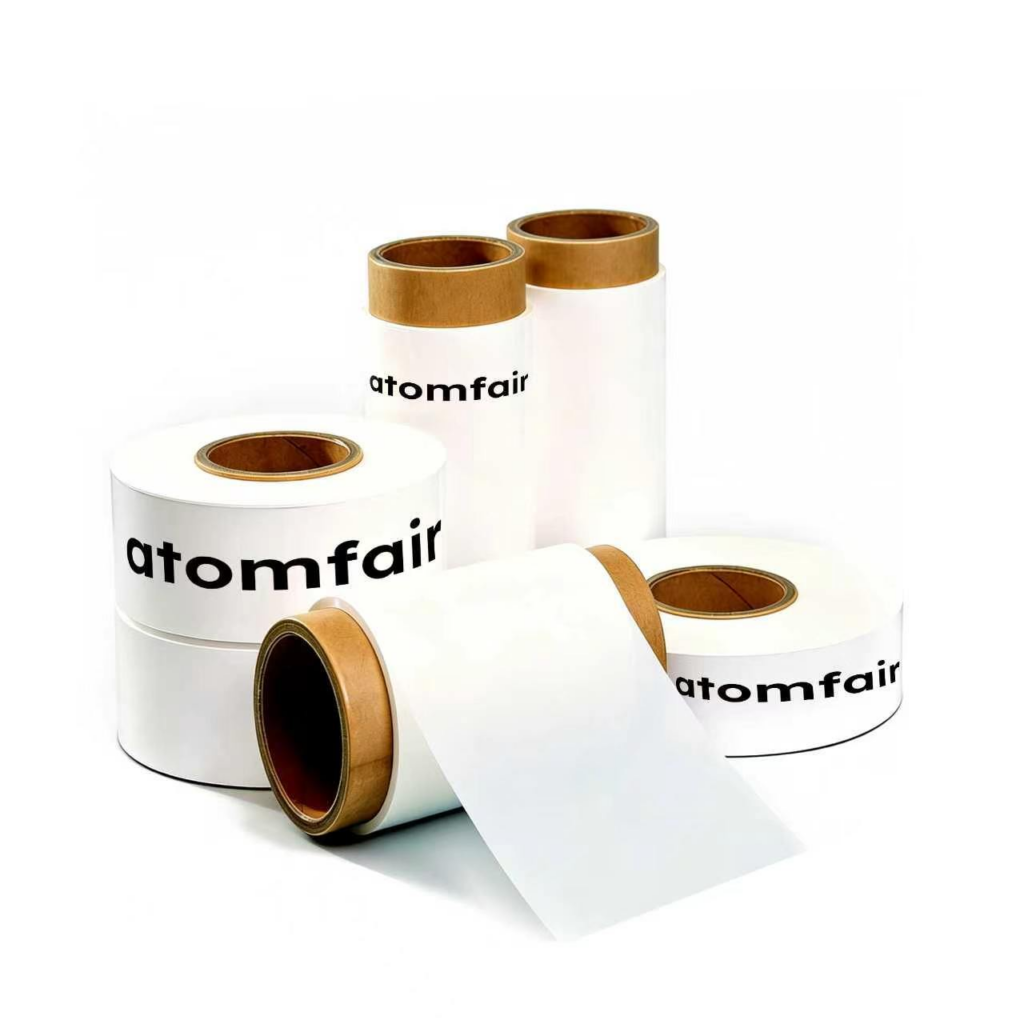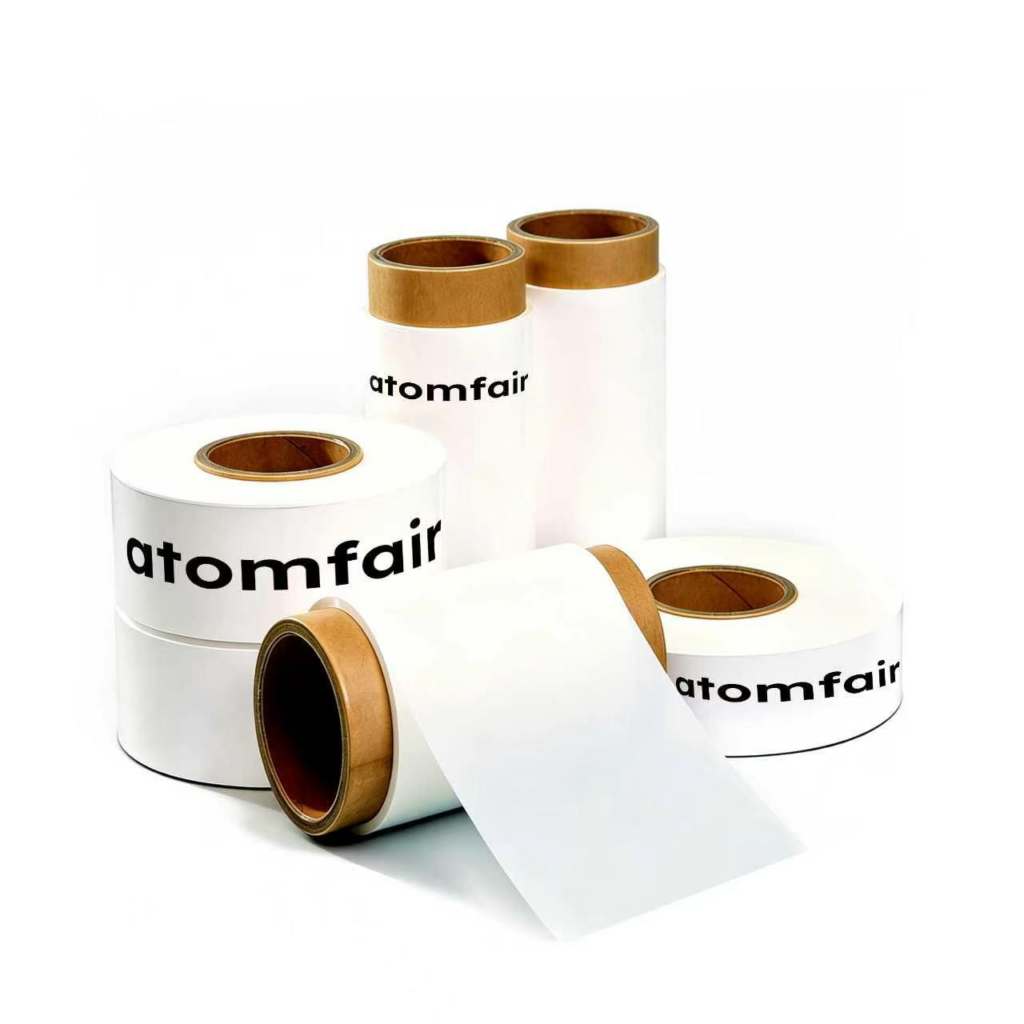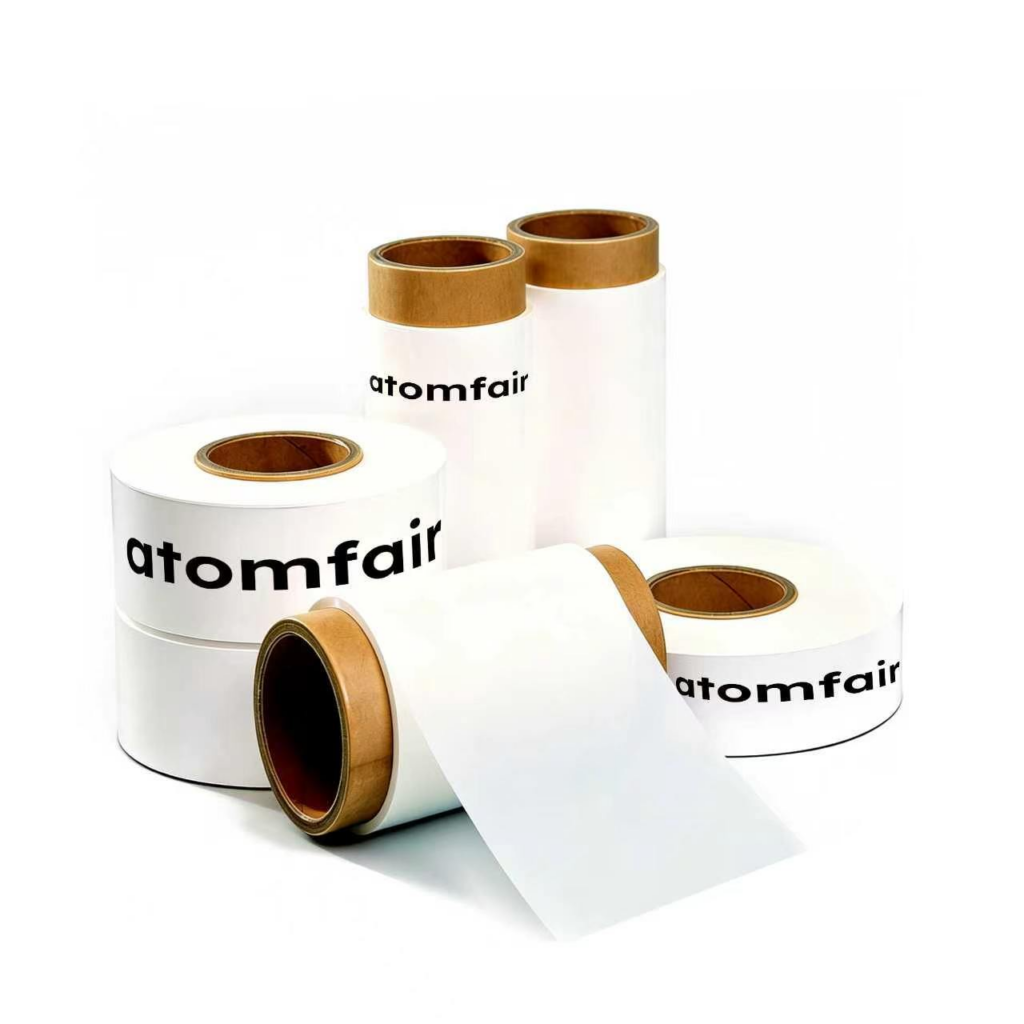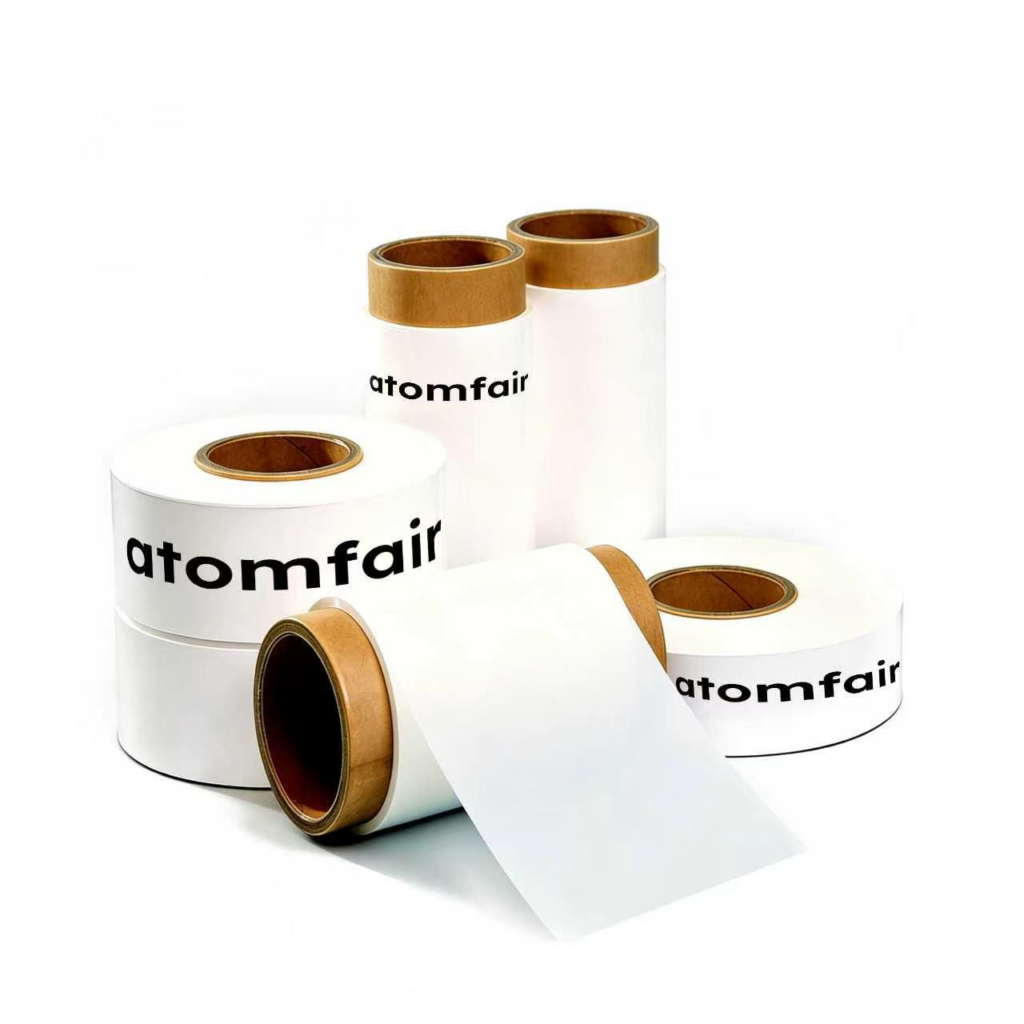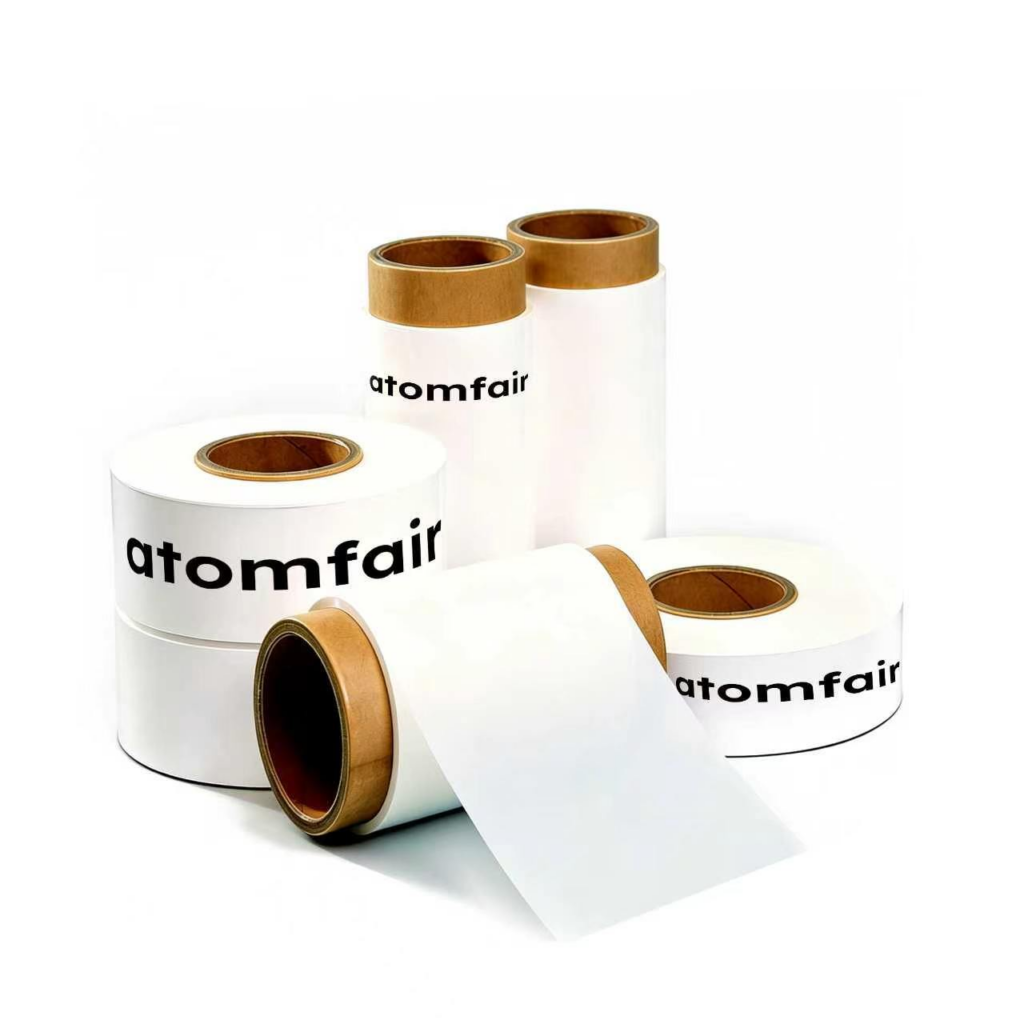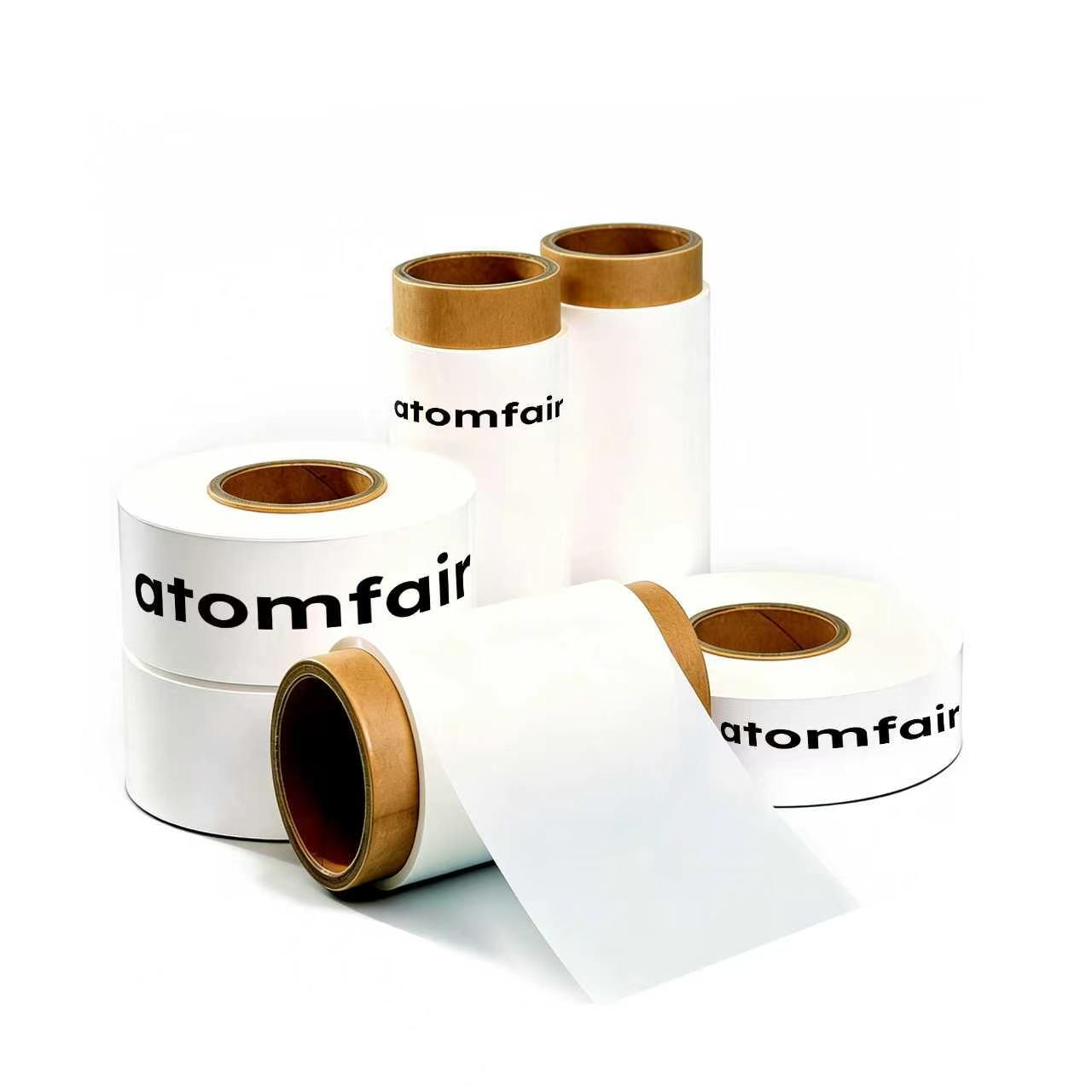
ATOMFAIR® WET-PROCESS PE SEPARATOR 16UMRESEARCH GRADE MATERIAL
|
||||||||||||||||||||||||||||||||
|
||||||||||||||||||||||||||||||||
|
|||||||||||||||||||||||||||||||||||||||||||||||||||||||||||||||||||||||||||||||||||||||||||||||||||||||||||||||||||||||||||
|
|||
|
TAILORED SOLUTIONS FOR RESEARCH
Contact our engineering team for technical support or official institutional quotations.
EMAIL: INQUIRY@ATOMFAIR.COM
|
|||
|
MANUFACTURER: ATOMFAIR LLC
|
This polyethylene separator requires sealed storage in a dry, ventilated environment at room or low temperature, away from heat sources and flammable materials. During transportation, it must be shielded from sunlight, moisture, and physical impacts to prevent performance degradation.
- Storage Conditions: Store the separator sealed in a dry, ventilated area at room or low temperature, keeping it away from fire and heat sources.
- Transportation Requirements: Protect the separator from sun exposure, heating, and rain during transit, and avoid violent collision and extrusion.
- Thermal Sensitivity: The separator exhibits MD thermal shrinkage of 1.2% and TD shrinkage of 0.1% at elevated temperatures, with a melting point of 135°C, requiring careful temperature management.
- Handling Care: Handle the separator with care during all operations to prevent mechanical damage such as tearing or puncturing.
What is the trade-off between porosity and puncture strength for the AF-PE16 wet-process PE separator?
The AF-PE16 has a porosity of 39% and puncture strength of 535g, balancing ionic transport with mechanical robustness at 16 μm thickness. Lower porosity typically improves puncture resistance but reduces ionic conductivity; this separator’s air permeability of 224 seconds indicates a moderate pore structure suited for R&D electrode evaluations without sacrificing mechanical integrity.
Can the AF-PE16 wet-process PE separator be used with high-voltage cathode materials in lithium-ion batteries?
No, the AF-PE16 separator has a melting temperature of 135°C, which is too low for high-voltage cathodes that generate elevated internal temperatures during operation. For such applications, a dry-process PP separator from the same family—such as AF-PP16 with a melting point of 167°C—offers greater thermal stability. The PE separator is best suited for standard Li-ion chemistries where its shutdown functionality at 135°C provides an additional safety mechanism.
What are the critical storage and handling conditions to prevent performance degradation of the AF-PE16 wet-process PE separator?
The separator must be stored sealed at room or low temperature in a dry, ventilated environment away from fire, heat sources, and flammable materials. During transport, avoid sun exposure, heating, rain, violent collision, and extrusion to prevent physical damage and thermal shrinkage; the separator exhibits MD thermal shrinkage of 1.2% and TD shrinkage of 0.1%, so improper handling can cause dimensional instability leading to electrode short circuits.
This 16 μm wet-process PE separator offers a balanced combination of mechanical strength (535 g puncture) and dimensional stability (0.1% TD shrinkage) suitable for R&D coin cell or pouch cell assembly, though its moderate air permeability of 224 sec/100ml and required careful handling under dry conditions are important deployment considerations.
Positive
- High puncture strength: With a puncture strength of 535 g, this separator offers robust mechanical resistance against dendritic penetration, enhancing cell safety in R&D battery assemblies.
- Low transverse thermal shrinkage: TD thermal shrinkage is only 0.1%, ensuring minimal dimensional change during cell drying or thermal cycling, preserving electrode alignment.
Trade-offs
- Moderate air permeability: An air permeability of 224 sec/100ml indicates a relatively denser pore structure, which may slightly increase ionic resistance compared to higher-porosity separators, potentially affecting rate capability in high-power cells.
- Handling and storage sensitivity: The separator requires sealed storage in dry, ventilated conditions away from heat sources, and must be protected from sun, rain, and mechanical stress during transport, as exposure can degrade its electrochemical properties.
Every advanced material, component, equipment, and instrument in our catalog is backed by rigorous testing. We maintain strict internal quality management frameworks and align with CE conformity metrics to deliver transparent, reproducible performance data via our public open-science repository.
To request raw batch performance data, submit formal vendor registration paperwork, or execute a fast-turnaround R&D manufacturing loop, contact us at inquiry@atomfair.com.
Item is dispatched under the Atomfair Shipping & Delivery Framework (Free worldwide shipping on orders over $59 USD excl. heavy equipment). Return is governed by the Atomfair Return & Refund Policy (7-day technical return window).