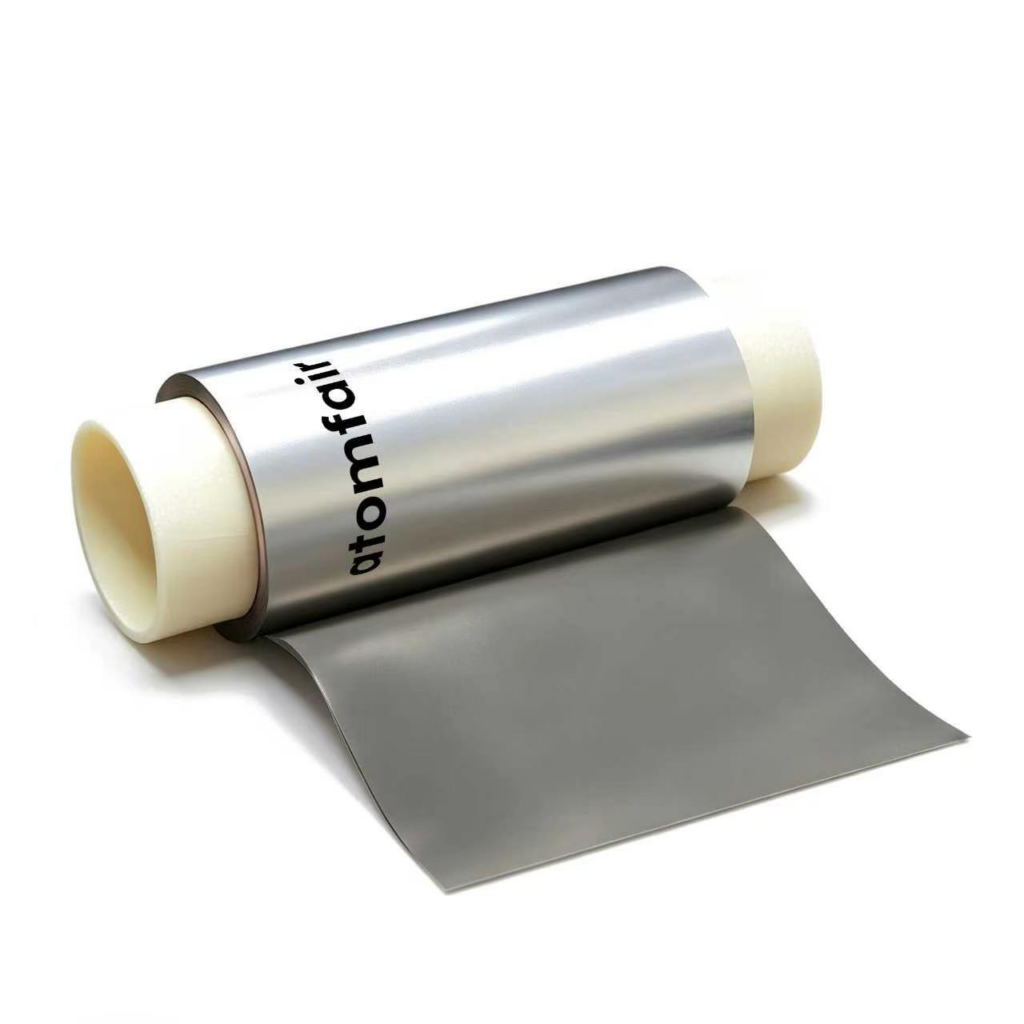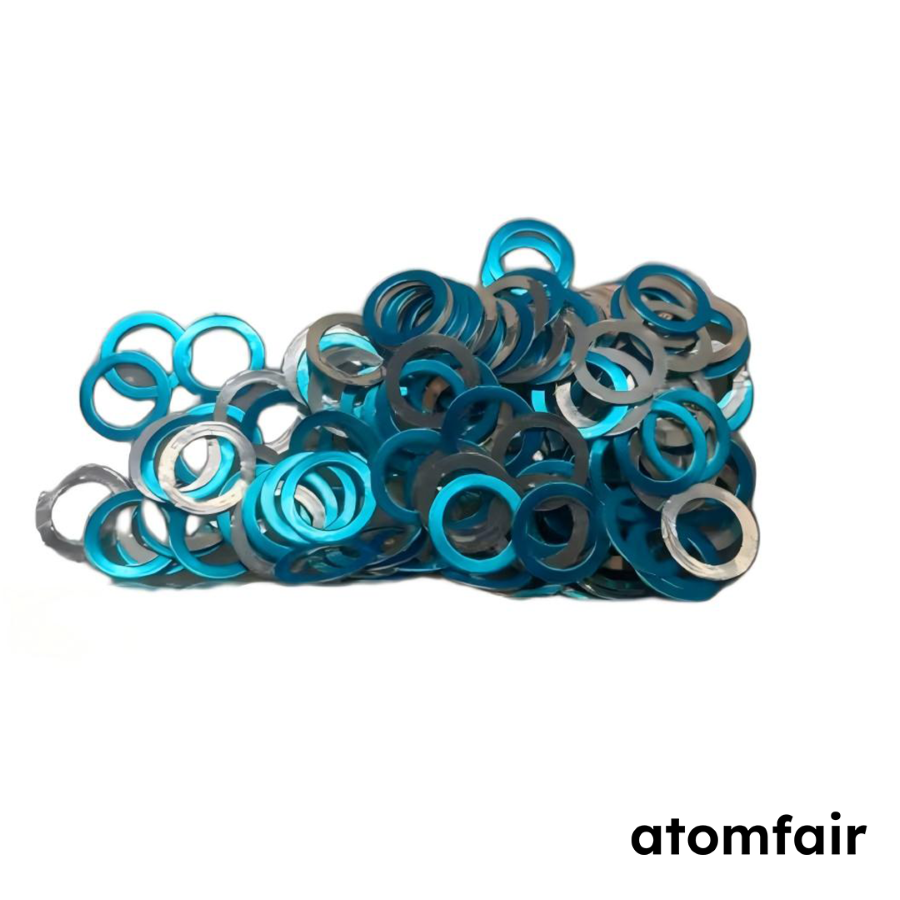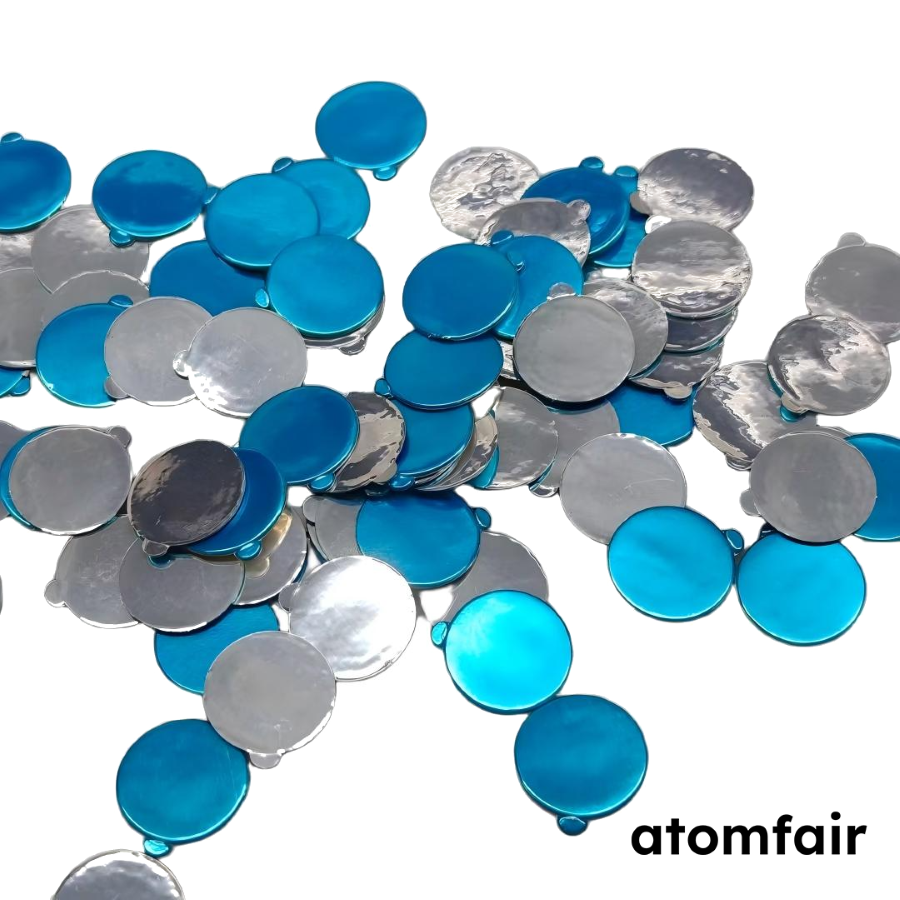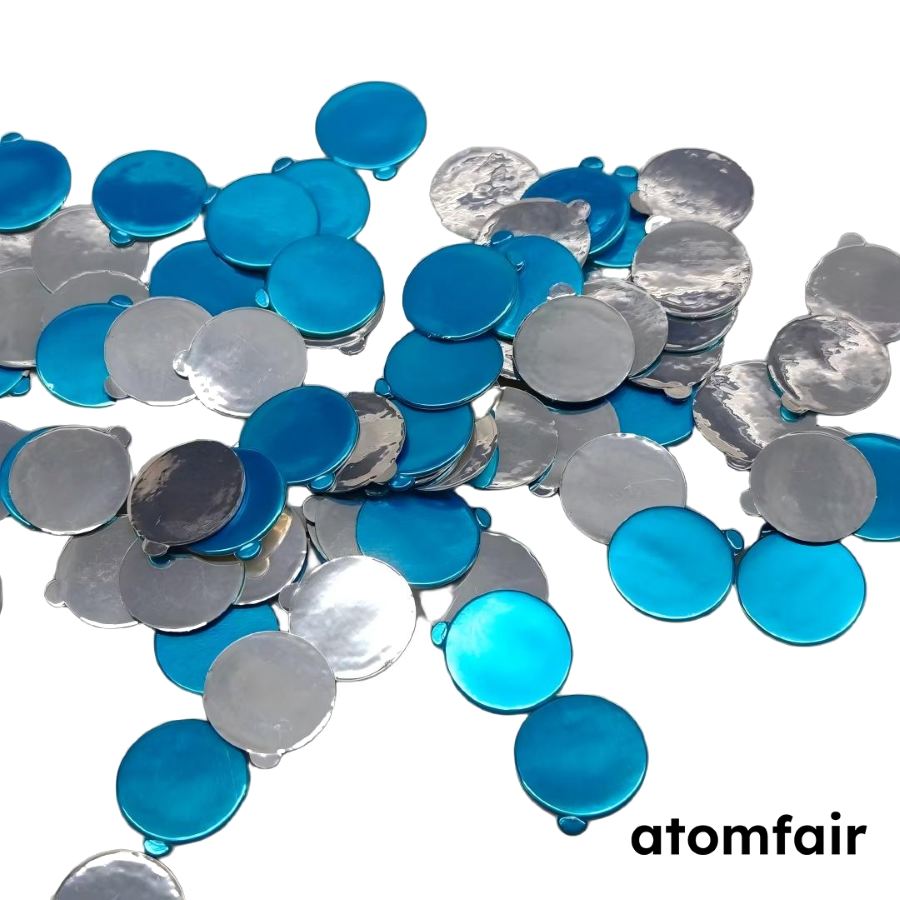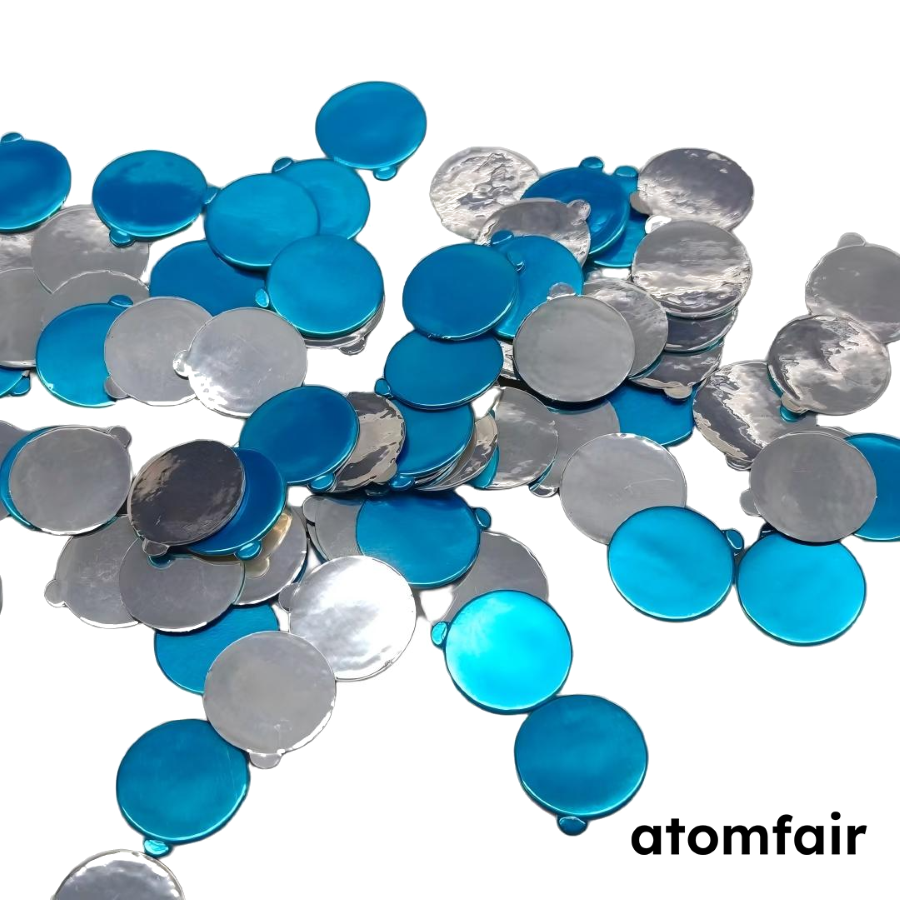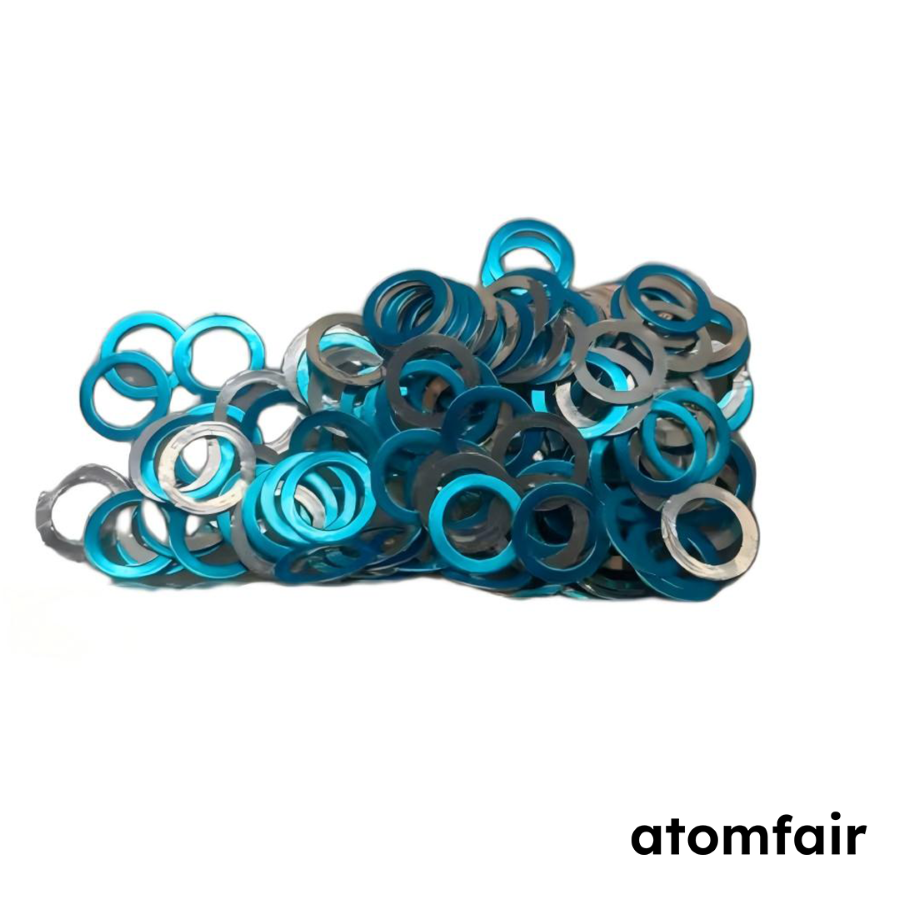
ATOMFAIR® SODIUM RING FOIL (0.45MM THICKNESS) WITH CURRENT COLLECTORRESEARCH GRADE MATERIAL
|
|||||||||||||||||||||||||||||||||||||||
|
|||||||||||||||||||||||||||||||||||||||
|
TAILORED SOLUTIONS FOR RESEARCH
Contact our engineering team for technical support or official institutional quotations.
EMAIL: inquiry@atomfair.com
|
|||||||||||||||||||||||||||||||||||||||
|
Manufacturer: Atomfair LLC
Brand: ATOMFAIR®
|
|||||||||||||||||||||||||||||||||||||||
This high-purity sodium metal ring is highly reactive with moisture and oxygen, requiring storage and handling in an inert atmosphere to prevent oxidation and degradation. The material's ductility and softness necessitate careful mechanical handling to avoid deformation or tearing during cell assembly.
- Environmental Storage Constraint: Store the sodium ring foil in an argon-filled glovebox with oxygen and moisture levels below 0.1 ppm to maintain chemical integrity.
- Mechanical Handling Constraint: Use non-marring, PTFE-coated tweezers to handle the foil, as metal tools can cause surface contamination or physical damage.
- Assembly Compatibility Constraint: Ensure the current collector variant (aluminum or copper) is compatible with the intended electrolyte system to avoid galvanic corrosion.
- Safety Constraint: Never expose the sodium metal to water or alcohols, as violent exothermic reactions will occur.
This procedure outlines the safe handling and integration of the reactive sodium ring foil as an anode in a standard coin cell. Strict adherence to inert atmosphere conditions is required throughout all steps.
Required Equipment: Argon-filled glovebox (O2 and H2O < 0.1 ppm), PTFE-coated tweezers, Coin cell crimping machine
- Prepare Glovebox Environment
Verify that the glovebox atmosphere is inert with oxygen and moisture levels below 0.1 ppm before introducing any materials. - Retrieve Sodium Ring Foil
Transfer the sealed sodium ring foil package into the glovebox antechamber and purge it three times with argon before opening. - Inspect Foil Integrity
Visually inspect the sodium ring for any discoloration, pitting, or mechanical damage using PTFE-coated tweezers to handle it. - Position on Current Collector
Center the sodium ring foil onto the pre-cut current collector disk (aluminum or copper) ensuring full contact without air gaps. - Assemble Coin Cell Stack
Place the sodium ring/collector assembly into the coin cell case bottom, followed by the separator, electrolyte, and cathode stack in sequence. - Crimp Coin Cell
Transfer the assembled cell stack to the crimping machine and apply the manufacturer-specified pressure to seal the coin cell hermetically. - Remove Cell from Glovebox
Transfer the sealed coin cell out of the glovebox only after confirming the crimp is complete and no sodium is exposed.
How does the 0.45 mm thickness of the ATOMFAIR sodium ring foil affect electrochemical performance compared to thinner sodium foils?
The 0.45 mm thickness provides superior mechanical stability and handling compared to standard thin disks (≤0.2 mm) that are highly ductile and deform easily. However, this increased cross-section introduces a performance trade-off: while it reduces the risk of short circuits from foil deformation during cell assembly, the thicker foil may lead to higher internal resistance and lower sodium utilization efficiency, which must be accounted for in capacity modeling. The high-purity sodium metal matrix ensures homogeneous elemental distribution across the 0.45 mm profile.
Which current collector variant is recommended for standard sodium-ion coin cell assembly with the ATOMFAIR sodium ring foil?
The Aluminum Foil Current Collector variant is the most widely selected industry configuration for seamless cell integration, as stated in the product specifications. Available variants include aluminum, copper, or no current collector, allowing researchers to tailor the configuration to specific anode or cathode requirements. For standard half-cell testing, aluminum is preferred to avoid alloying reactions with sodium metal.
What storage and handling conditions are required for the ATOMFAIR sodium ring foil to maintain its integrity before use?
The sodium ring foils are packaged in a sealed inner vacuum pack under an argon (Ar) gas environment to prevent oxidation and moisture contamination. They should be stored in an inert-atmosphere glovebox and handled with care to avoid exposure to air and humidity, as sodium metal is highly reactive. The product is processed under strict SJ/T11363-2006 compliance conditions and supplied in a standard packaging of 100 pieces per box.
This 0.45mm sodium ring foil with current collector offers enhanced mechanical stability over standard thin disks, but requires strict inert atmosphere handling and careful selection of current collector variant for optimal cell integration.
Positive
- Enhanced mechanical stability: The 0.45mm thickness provides superior handling characteristics and reduced deformation compared to standard thin disks (≤0.2mm), improving cell assembly consistency.
- Homogeneous material purity: High-purity sodium metal with uniform elemental distribution across the matrix ensures reliable baseline testing and minimizes operational variables in electrolyte validation.
Trade-offs
- Strict inert atmosphere required: The product is sealed in an argon gas environment vacuum pack; exposure to ambient air or moisture will rapidly degrade the sodium metal, necessitating glovebox handling for all operations.
- Current collector variant dependency: While the aluminum foil current collector variant is the most widely selected for seamless integration, other variants may require additional compatibility testing with specific cell architectures.
Every advanced material, component, equipment, and instrument in our catalog is backed by rigorous testing. We maintain strict internal quality management frameworks and align with CE conformity metrics to deliver transparent, reproducible performance data via our public open-science repository.
To request raw batch performance data, submit formal vendor registration paperwork, or execute a fast-turnaround R&D manufacturing loop, contact us at inquiry@atomfair.com.
Item is dispatched under the Atomfair Shipping & Delivery Framework (Free worldwide shipping on orders over $59 USD excl. heavy equipment). Return is governed by the Atomfair Return & Refund Policy (7-day technical return window).