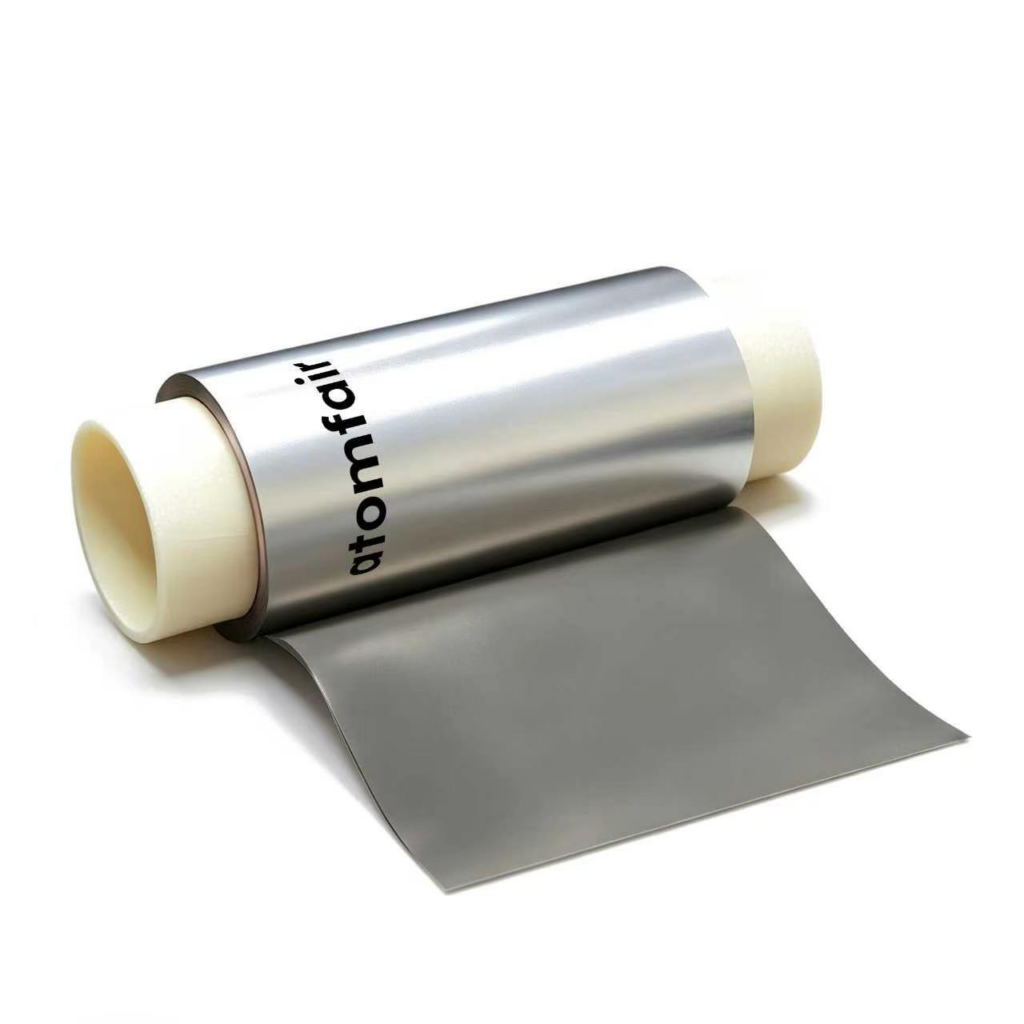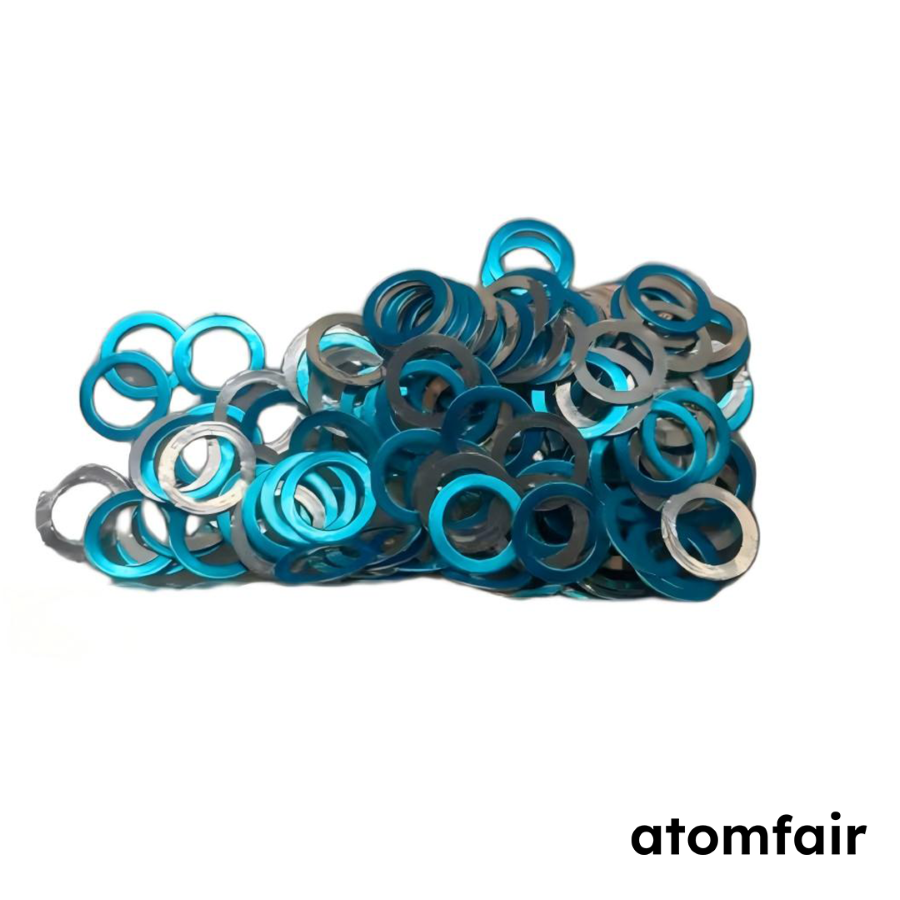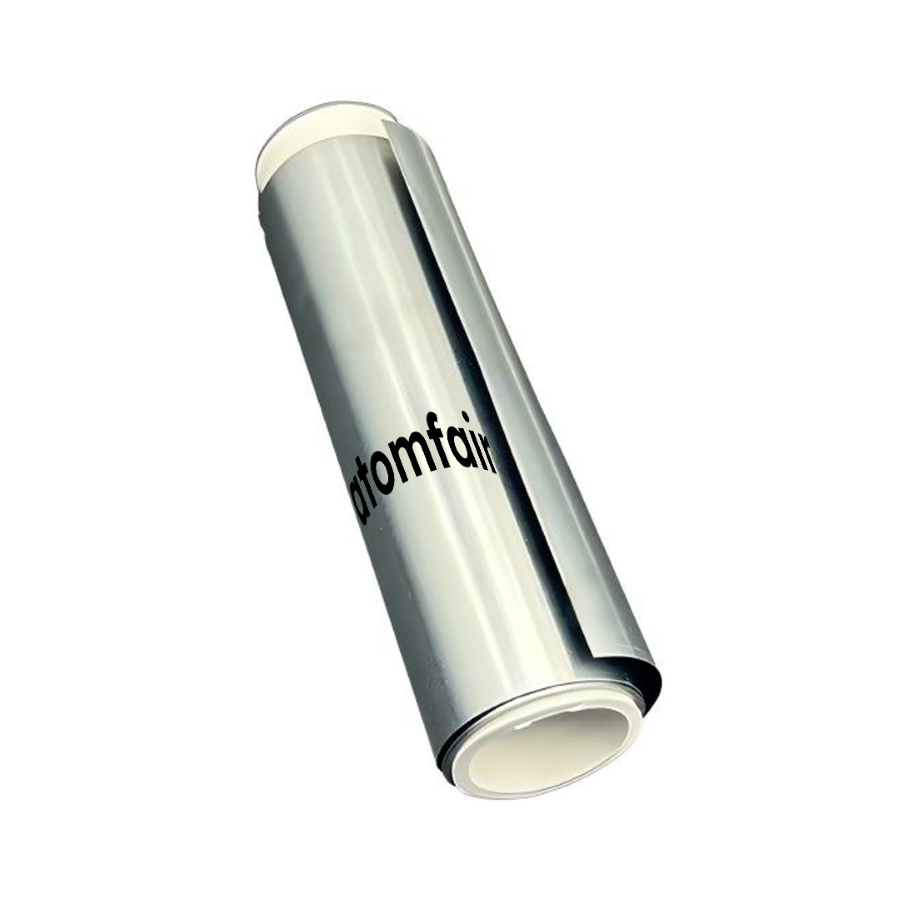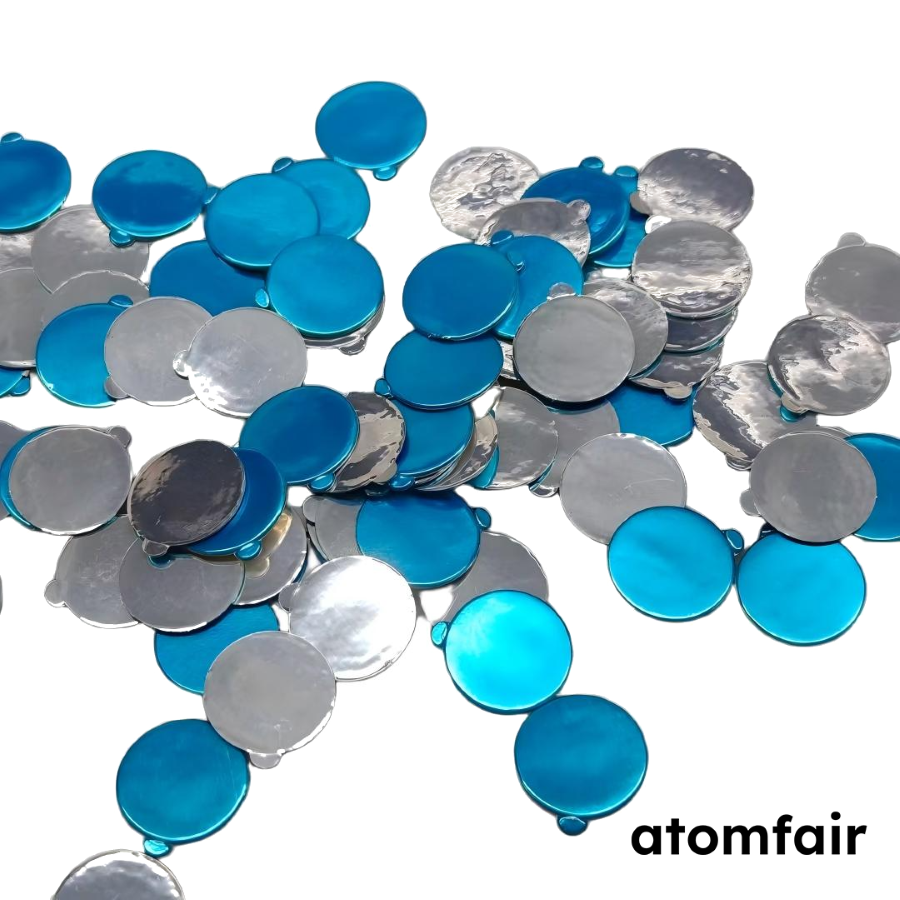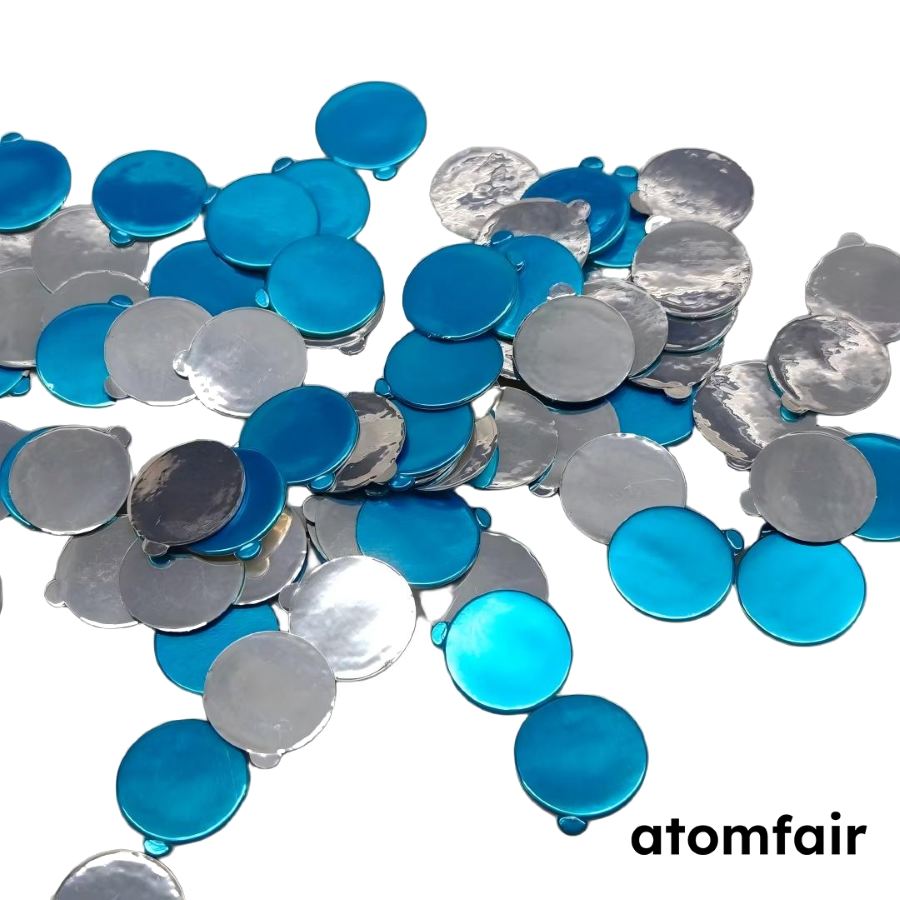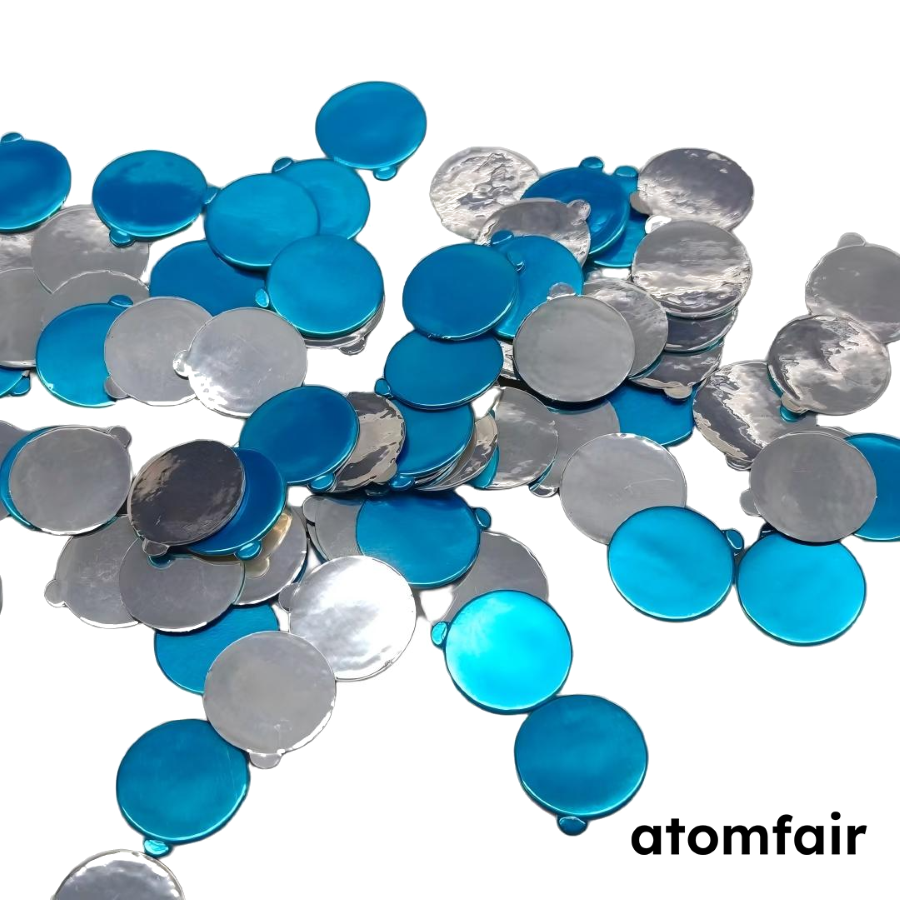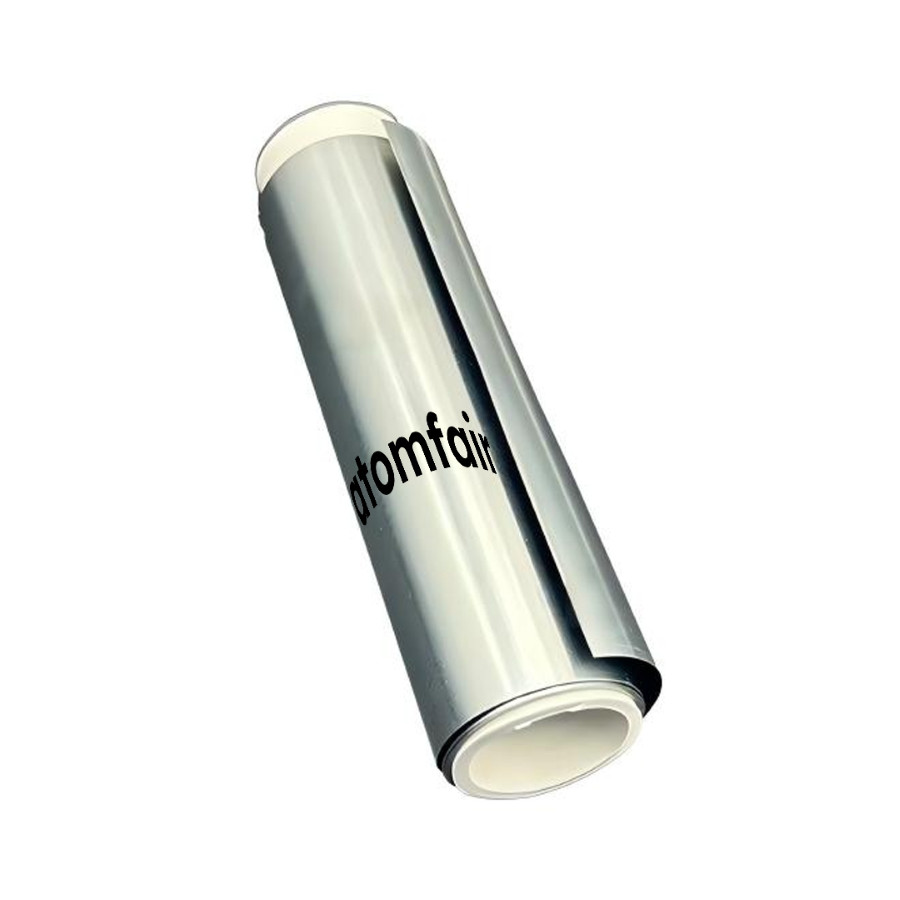
ATOMFAIR® NA-N2000 SODIUM METAL STRIP BANDRESEARCH GRADE MATERIAL
|
|||||||||||||||||||||||||||||||||
|
|||||||||||||||||||||||||||||||||
|
TAILORED SOLUTIONS FOR RESEARCH
Contact our engineering team for technical support or official institutional quotations.
EMAIL: inquiry@atomfair.com
|
|||||||||||||||||||||||||||||||||
|
Manufacturer: Atomfair LLC
Brand: ATOMFAIR®
|
|||||||||||||||||||||||||||||||||
Store sodium metal strips under inert atmosphere (e.g., argon) at controlled room temperature to prevent oxidation and moisture adsorption. Handle exclusively in an oxygen- and moisture-free glovebox to mitigate pyrophoric risk.
- Atmosphere Requirement: Sodium metal must be kept under an inert gas blanket at all times to avoid rapid surface oxidation and potential ignition.
- Moisture Sensitivity: Exposure to humid air causes immediate corrosion and may lead to exothermic reaction with water vapor.
- Temperature Stability: Avoid temperatures above 30°C to prevent softening or accelerated reactivity with trace oxygen.
- Container Integrity: Store in hermetically sealed metalized bags under vacuum or argon to maintain purity and prevent contamination.
- Disposal Protocol: Dispose of reacted or waste sodium as reactive metal hazardous waste following local regulations.
Transfer the sodium strip from storage to an argon-filled glovebox for all subsequent steps. Assemble the half-cell under inert atmosphere to maintain electrochemical integrity and prevent hazardous reactions.
Required Equipment: Argon-filled glovebox with O₂ and H₂O sensors, Stainless steel cutting blade or scissors, Teflon or polypropylene tweezers, Vacuum oven (optional for pre-drying components)
- Verify storage integrity
Inspect the sealed package for any punctures or discoloration indicating oxygen exposure before opening. - Introduce to glovebox
Transfer the sealed sodium strip through the antechamber into an argon glovebox with O₂ < 0.1 ppm and H₂O < 0.1 ppm. - Cut to size
Using a clean stainless steel blade, cut the strip to the required electrode dimensions on a non-stick surface inside the glovebox. - Attach current collector
If using freestanding sodium, press the cut strip onto the pre-cleaned current collector foil gently to ensure uniform adhesion. - Assemble half-cell
Place the sodium electrode into the cell casing, add separator and electrolyte, and seal the cell completely while still inside the glovebox. - Verify electrical contact
Measure the open-circuit voltage using a multimeter to confirm proper electrical connection before removing the cell from the glovebox. - Remove and test
Transfer the sealed cell out of the glovebox and proceed with electrochemical testing under ambient conditions.
What performance trade-offs should be considered when using an ultra-thin 0.07 mm sodium metal foil versus a thicker foil for sodium-ion battery half-cell tests?
The 0.07 mm ultra-thin profile minimizes dead volume and enables stable baseline testing in high-rate cycling, but such thin foils are highly susceptible to severe mechanical deformation. The integrated aluminum or copper foil current collector backplane mitigates wrinkling and provides structural rigidity, ensuring high-yield validation without sacrificing kinetic performance.
Which current collector configuration is recommended for integrating this sodium metal strip into standard coin cell half-cell assemblies to optimize electrolyte validation?
The aluminum-backed configuration is deployed in the majority of standard research projects because it offers optimized interface kinetics and uniform current distribution directly on the reactive sodium matrix. The copper-backed and free-standing options are also available, but the integrated collector is essential for minimizing interfacial resistance and ensuring reliable electrolyte screening.
What specific storage and handling procedures are required to maintain the integrity of the ultra-thin sodium metal band before use?
The sodium band is packaged in a hermetic argon-filled vacuumed aluminum foil bag to shield the reactive metal from ambient moisture degradation. For free-standing configurations, pre-heating the band above 50°C on a laboratory hotplate or thermal oven alleviates release resistance and prevents wrinkling or tearing during matrix peeling. All handling should preserve the dual-layer protective packaging until use.
The ATOMFAIR NA-N2000 sodium metal strip band provides a high-purity (≥99.9%) ultra-thin 0.07 mm foil platform for sodium-ion battery research, with integrated aluminum or copper current collectors to mitigate mechanical deformation during cell assembly. Its hermetic argon-filled packaging preserves reactive sodium integrity, though the material's extreme thinness and reactivity demand careful handling and thermal-assisted release for free-standing configurations.
Positive
- Integrated current collector stability: Ultra-thin structures (≤0.2 mm) are prone to mechanical deformation; the integrated aluminum or copper foil backplane prevents wrinkling and ensures high-yield validation during cell assembly.
- Hermetic dual-layer preservation: Packaged under premium ultra-pure protective matrices in argon-filled vacuum-sealed bags, shielding the reactive sodium from ambient moisture degradation to maintain analytical repeatability.
Trade-offs
- Thermal-assisted release required: Free-standing configurations have low substrate grip and sub-optimal structural integrity; pre-heating above 50°C on a hotplate or oven is necessary to avoid wrinkling or tearing during matrix peeling.
- Extreme thinness handling sensitivity: The 0.07 mm ultra-thin foil profile is highly susceptible to mechanical deformation, requiring careful handling and specialized techniques to maintain structural integrity during lab deployment.
Every advanced material, component, equipment, and instrument in our catalog is backed by rigorous testing. We maintain strict internal quality management frameworks and align with CE conformity metrics to deliver transparent, reproducible performance data via our public open-science repository.
To request raw batch performance data, submit formal vendor registration paperwork, or execute a fast-turnaround R&D manufacturing loop, contact us at inquiry@atomfair.com.
Item is dispatched under the Atomfair Shipping & Delivery Framework (Free worldwide shipping on orders over $59 USD excl. heavy equipment). Return is governed by the Atomfair Return & Refund Policy (7-day technical return window).