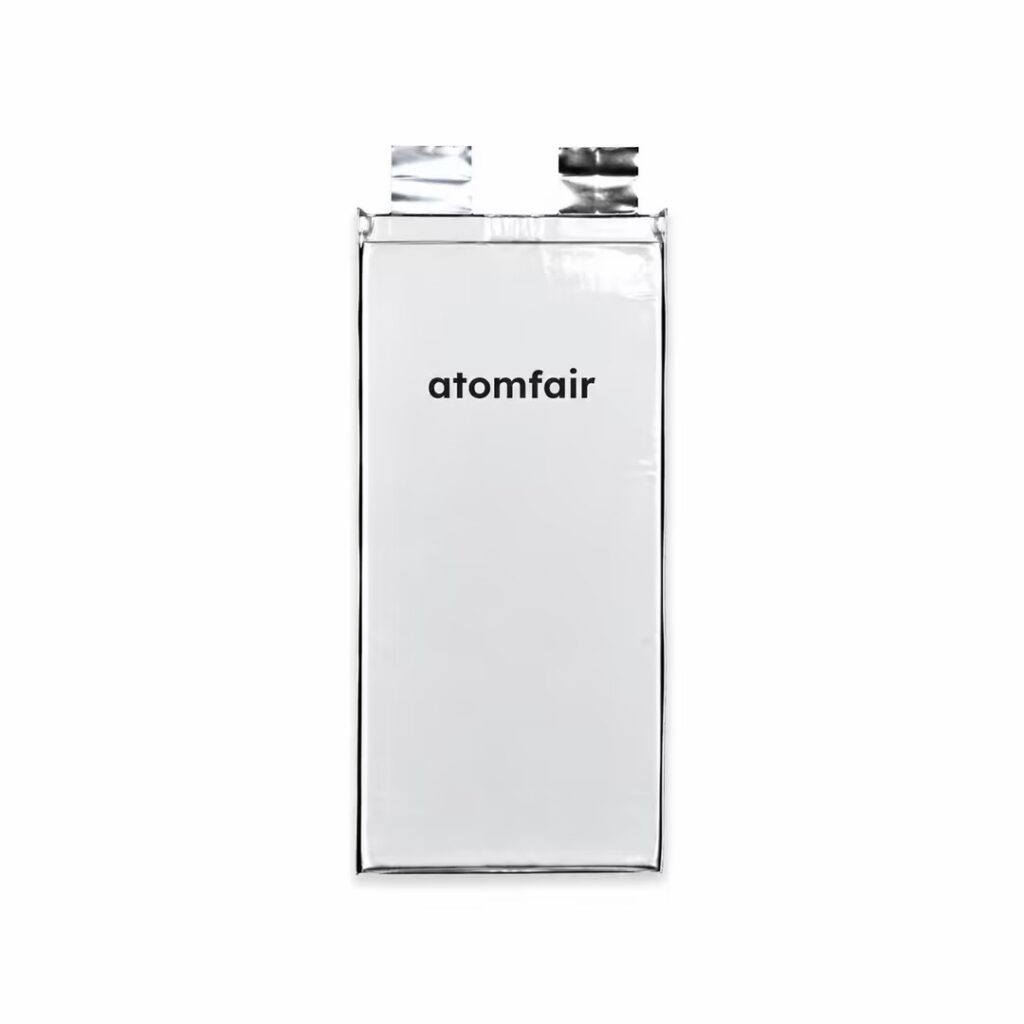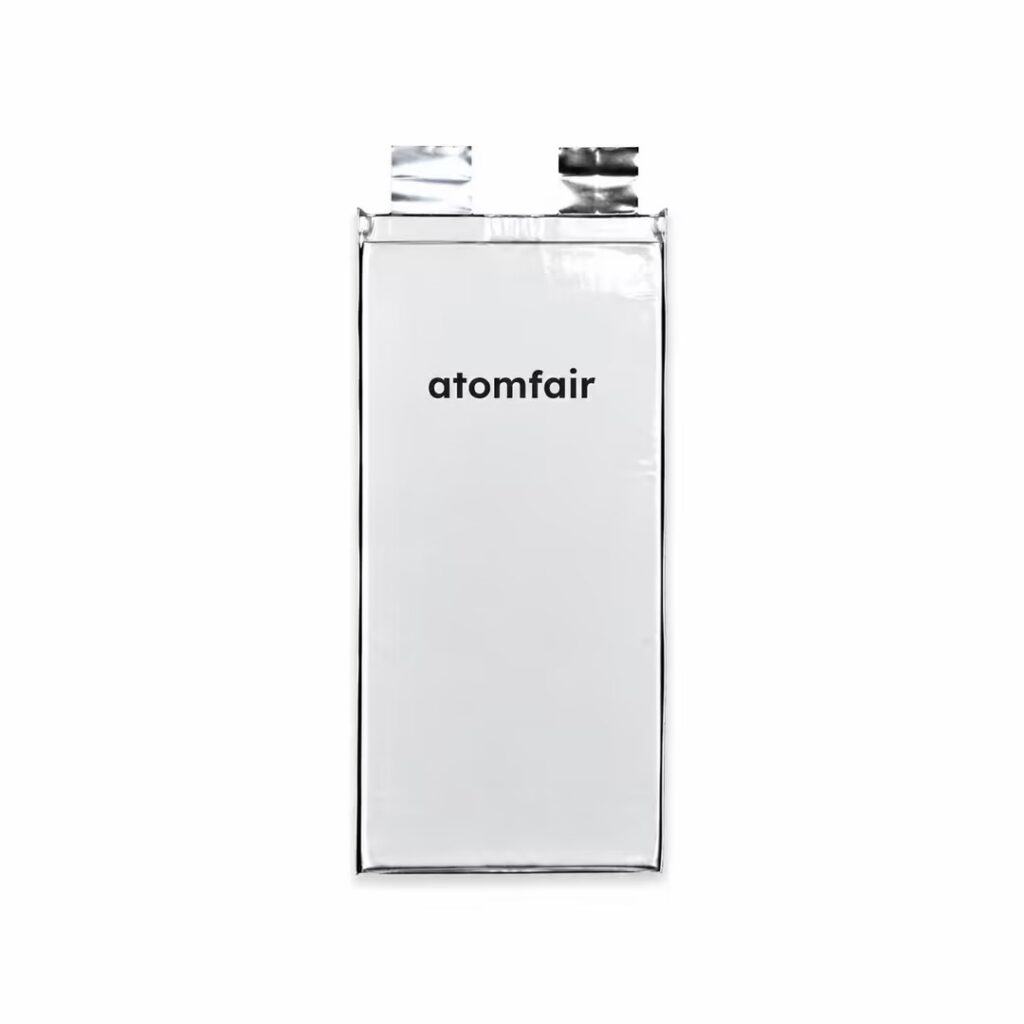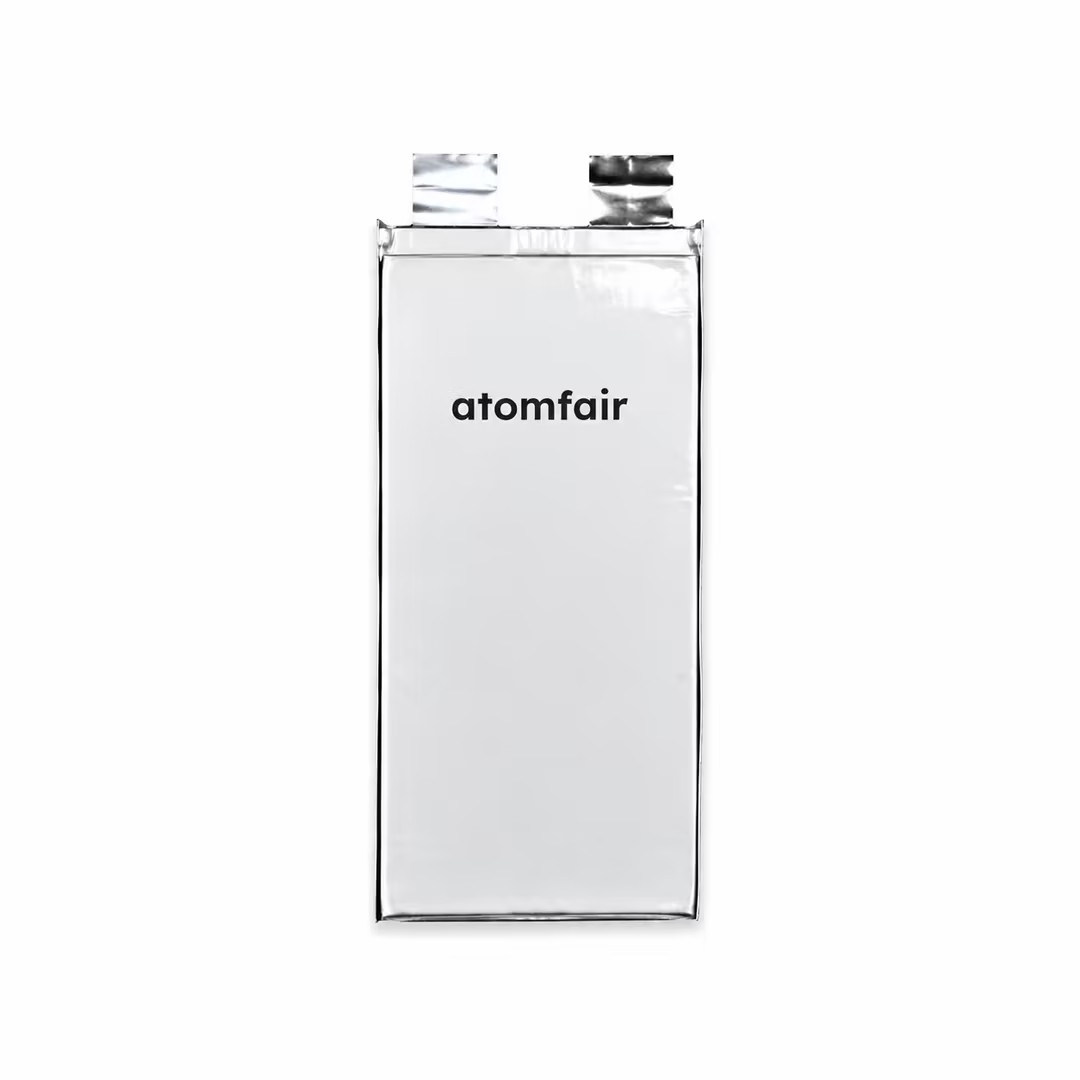
ULTRA HIGH-POWER SODIUM-ION BATTERY | ATOMFAIRCOMMERCIAL GRADE · PRODUCTION
|
|||||||||||||||||||||||||||||||||||||||||||||||||||||
|
|||||||||||||||||||||||||||||||||||||||||||||||||||||
|
TAILORED SOLUTIONS FOR RESEARCH
Contact our engineering team for technical support or official institutional quotations.
EMAIL: INQUIRY@ATOMFAIR.COM
|
|||||||||||||||||||||||||||||||||||||||||||||||||||||
|
MANUFACTURER: ATOMFAIR LLC
BRAND: ATOMFAIR®
|
|||||||||||||||||||||||||||||||||||||||||||||||||||||
This high-power sodium-ion pouch cell requires storage in a dry, ventilated area between 15-30°C. Do not disassemble, expose to fire, or operate outside the specified temperature and current limits.
- Storage Conditions: Store the battery in its original packaging in a dry, ventilated environment at 15-30°C to prevent performance degradation.
- Charge Temperature Range: Charge only within -10°C to +60°C to avoid irreversible damage to the cell chemistry.
- Discharge Temperature Range: Discharge is permitted from -40°C to +60°C, but pre-conditioning may be required below -40°C.
- Electrical Safety Limits: Do not exceed a continuous discharge current of 20C or a 30-second pulse of 25C to prevent thermal runaway.
- Prohibited Actions: Never disassemble, puncture, incinerate, or short-circuit the cell under any circumstances.
Upon receipt, inspect the cell packaging for damage and store under recommended conditions before first use. For operation at extreme low temperatures, follow pre-conditioning steps to ensure reliable performance.
Required Equipment:
- Inspect Packaging
Inspect the shipping container and cell packaging for any signs of damage, swelling, or leakage before unpacking. - Store Under Recommended Conditions
Place the cell in a dry, ventilated storage area maintained at 15-30°C and away from heat sources or combustible materials. - Pre-condition for Low-Temperature Use
If operating below -40°C, allow the cell to equilibrate at -40°C for at least 1 hour before discharging to stabilize internal chemistry.
How does the ultra-low internal resistance of this sodium-ion cell enable its 20C continuous and 25C pulse discharge ratings?
The ultra-low AC internal resistance of ≤1.2 mΩ (at 50% SoC) minimizes heat generation and energy loss during high-rate operation, directly enabling the 20C continuous discharge and 25C pulse discharge (30s) performance. This low resistance is critical for extreme power delivery without thermal runaway, as specified in the technical parameters.
Can this sodium-ion pouch cell replace lithium-ion cells in existing high-rate power tool or UPS designs?
The NFM/HC chemistry operates at a nominal voltage of 2.95V with a voltage range of 3.90V–1.50V, which differs from typical lithium-ion chemistries. While it is recommended for high-rate power tools, UPS, and start-stop vehicle architectures, direct drop-in replacement may require system voltage adjustments and charge profile modifications. The cell's 20C continuous discharge and wide temperature range make it suitable for these applications with proper system integration.
What storage and preconditioning procedures are required for optimal performance at -40°C discharge?
For optimal performance at extreme low temperatures (-40°C), the supplier states that pre-conditioning may be required. The cell should be stored in a dry, ventilated area between 15°C and 30°C in its original packaging until use. The discharge temperature range is -40°C to +60°C, so the cell can function at -40°C, but pre-conditioning ensures maximum power delivery and cycle life.
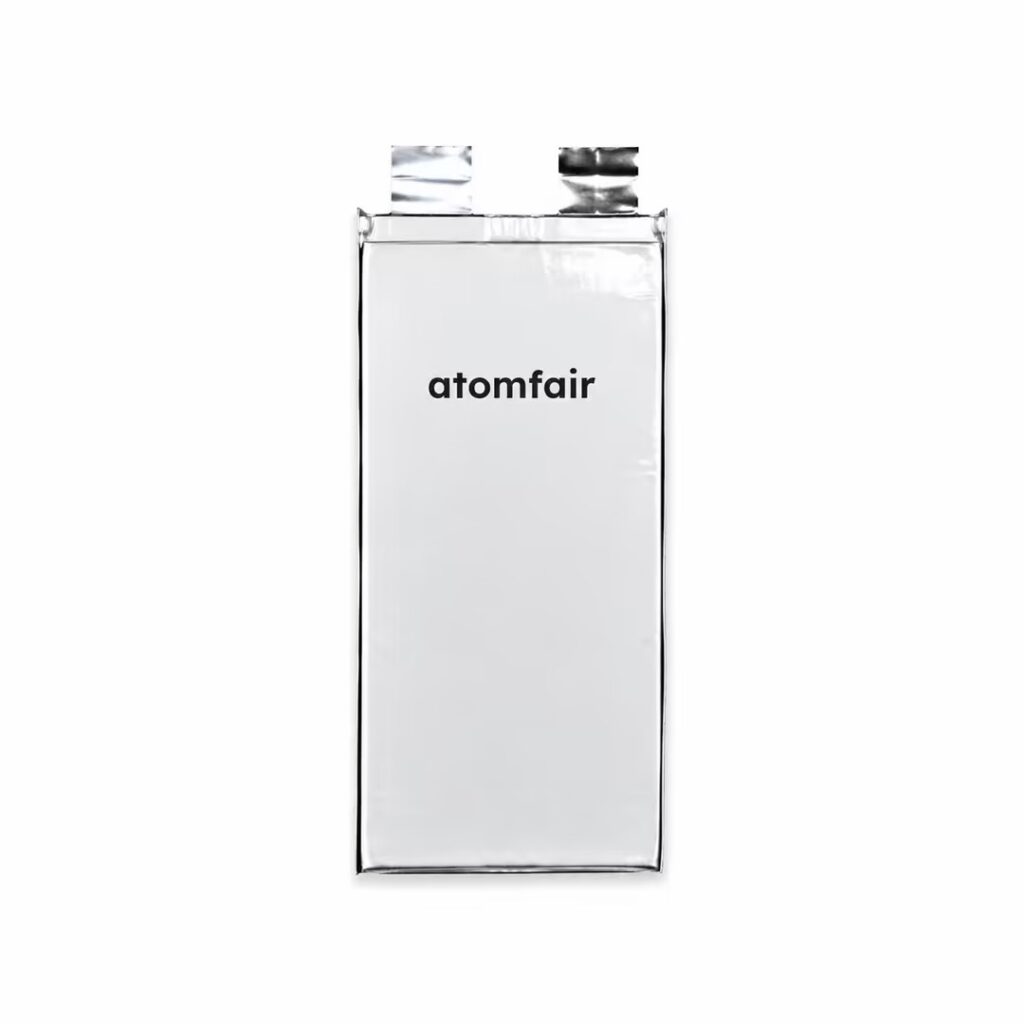
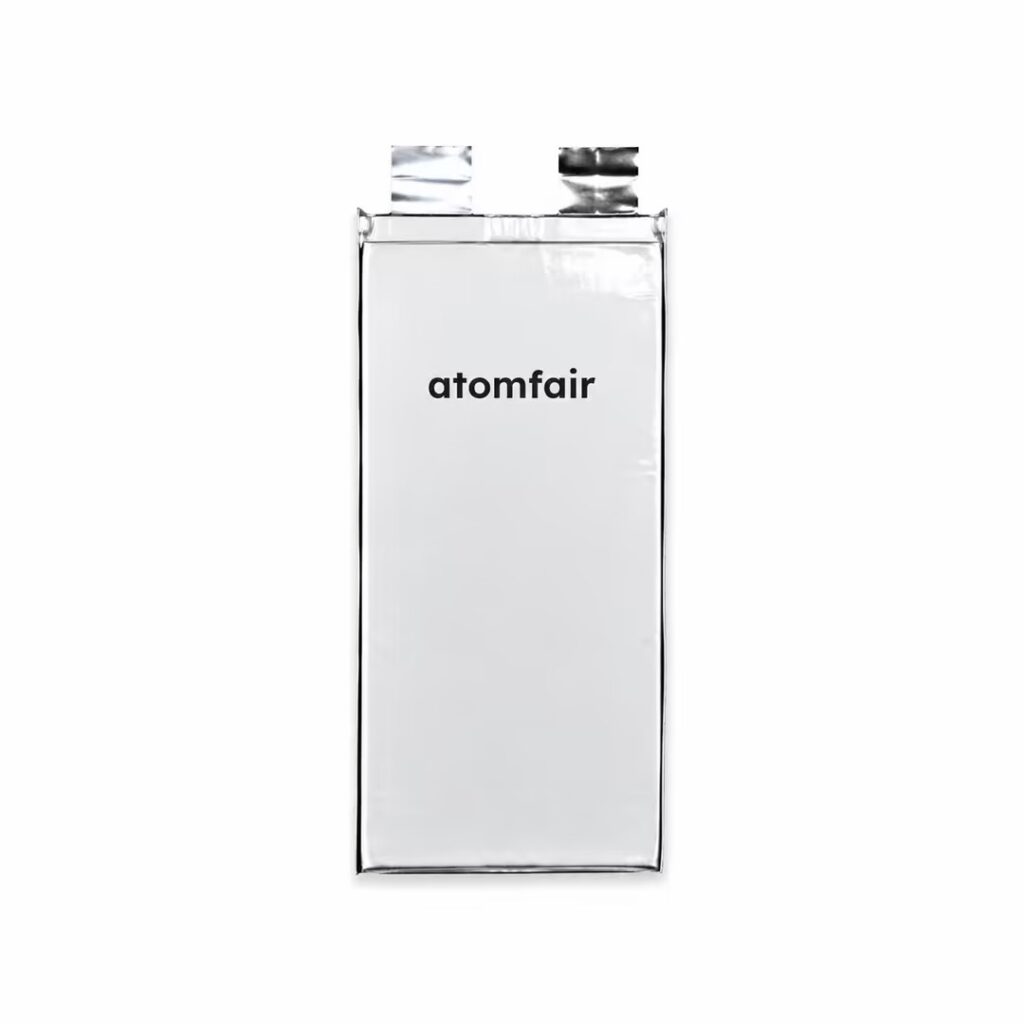
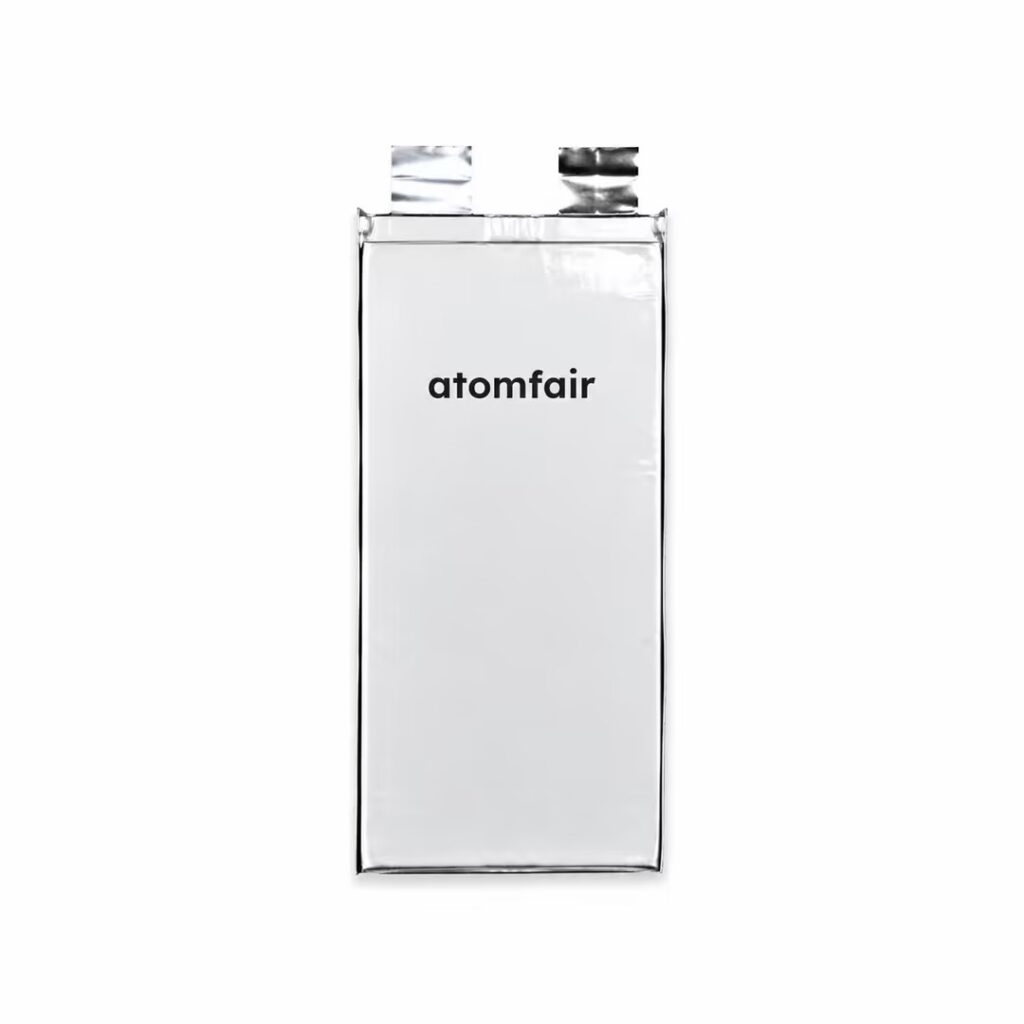
This 7.0 Ah NFM/HC pouch cell delivers ultra-high 20C continuous discharge and 25C pulse capability with ultra-low internal resistance (≤1.2 mΩ), enabling extreme power applications but with modest energy density (≥105 Wh/kg, ≥180 Wh/L) and a narrower charge temperature range (-10°C to +60°C) requiring pre-conditioning for discharge at -40°C.
Positive
- Ultra-high power discharge capability: Supports 20C continuous discharge and 25C pulse (30s) with ≤1.2 mΩ AC resistance, enabling extreme power delivery for demanding applications such as power tools, start-stop systems, and UPS backup.
- Ultra-wide temperature operation: Discharge from -40°C to +60°C and charge from -10°C to +60°C, allowing reliable performance in cold climates and harsh environments without thermal management overhead.
Trade-offs
- Modest energy density: Gravimetric energy density is ≥105 Wh/kg and volumetric ≥180 Wh/L, lower than typical lithium-ion chemistries, which may limit use in weight- or volume-sensitive applications.
- Low-temperature charge constraint: Charge temperature range is narrower (-10°C to +60°C) than discharge; pre-conditioning may be required for optimal performance at extreme low temperatures (-40°C), adding operational steps.
Every advanced material, component, equipment, and instrument in our catalog is backed by rigorous testing. We maintain strict internal quality management frameworks and align with CE conformity metrics to deliver transparent, reproducible performance data via our public open-science repository.
To request raw batch performance data, submit formal vendor registration paperwork, or execute a fast-turnaround R&D manufacturing loop, contact us at inquiry@atomfair.com.
Item is dispatched under the Atomfair Shipping & Delivery Framework (Free worldwide shipping on orders over $59 USD excl. heavy equipment). Return is governed by the Atomfair Return & Refund Policy (7-day technical return window).