|
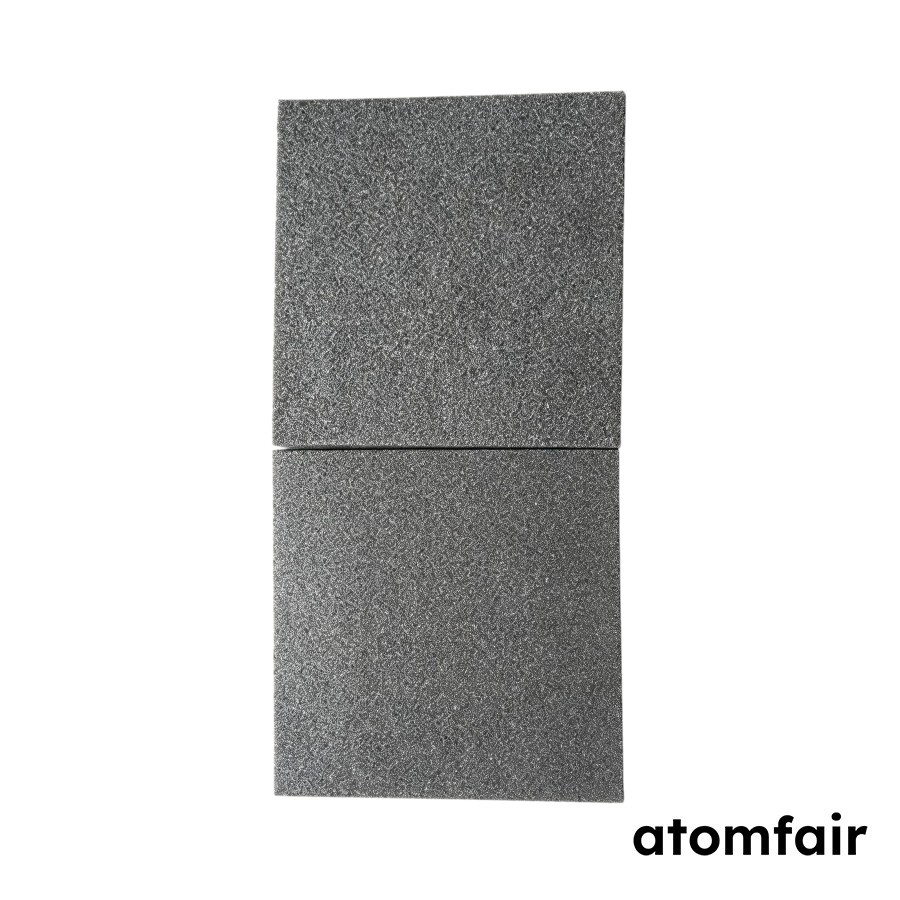
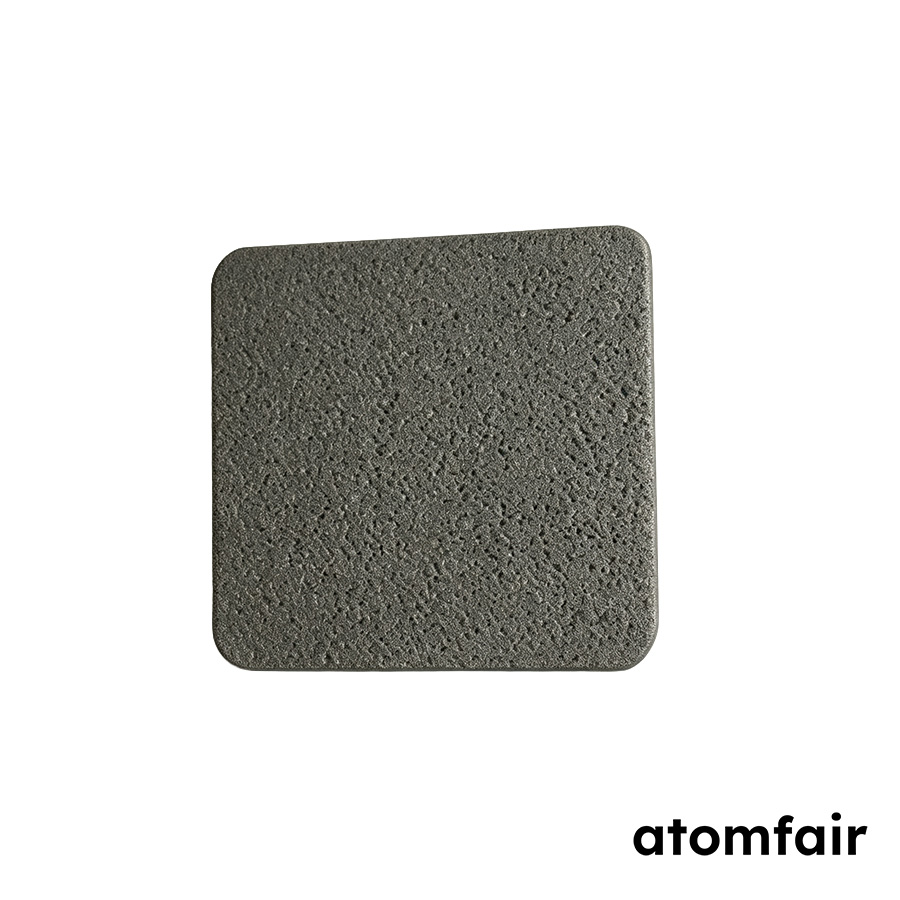
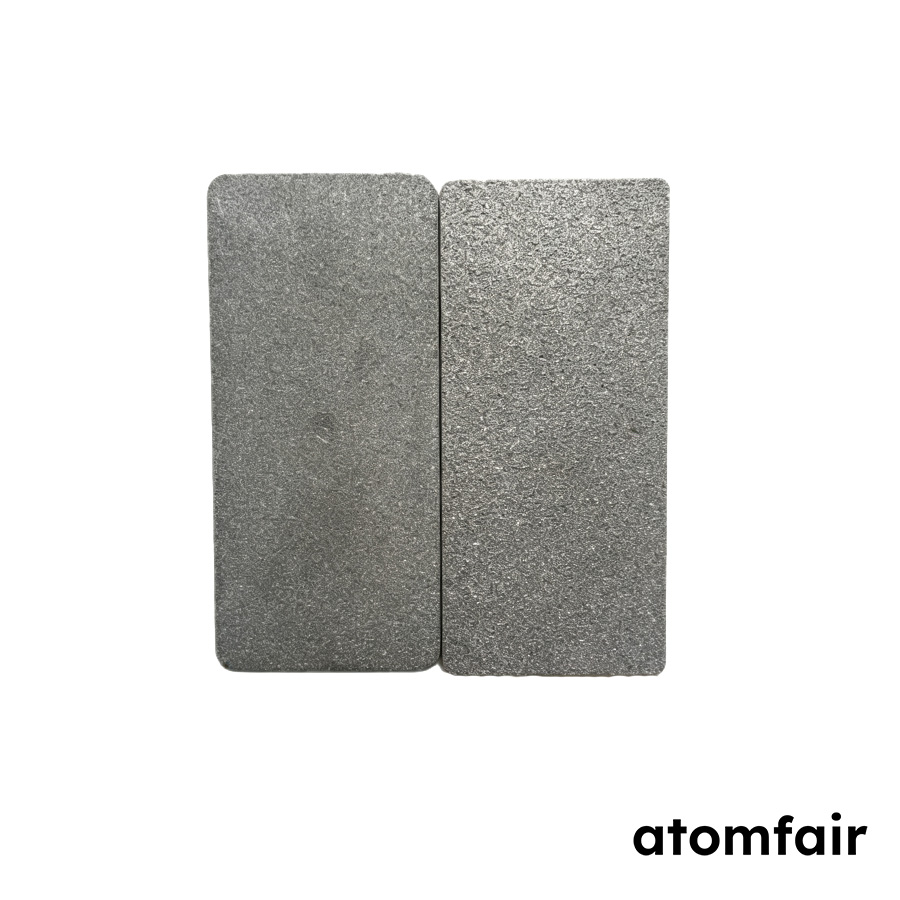
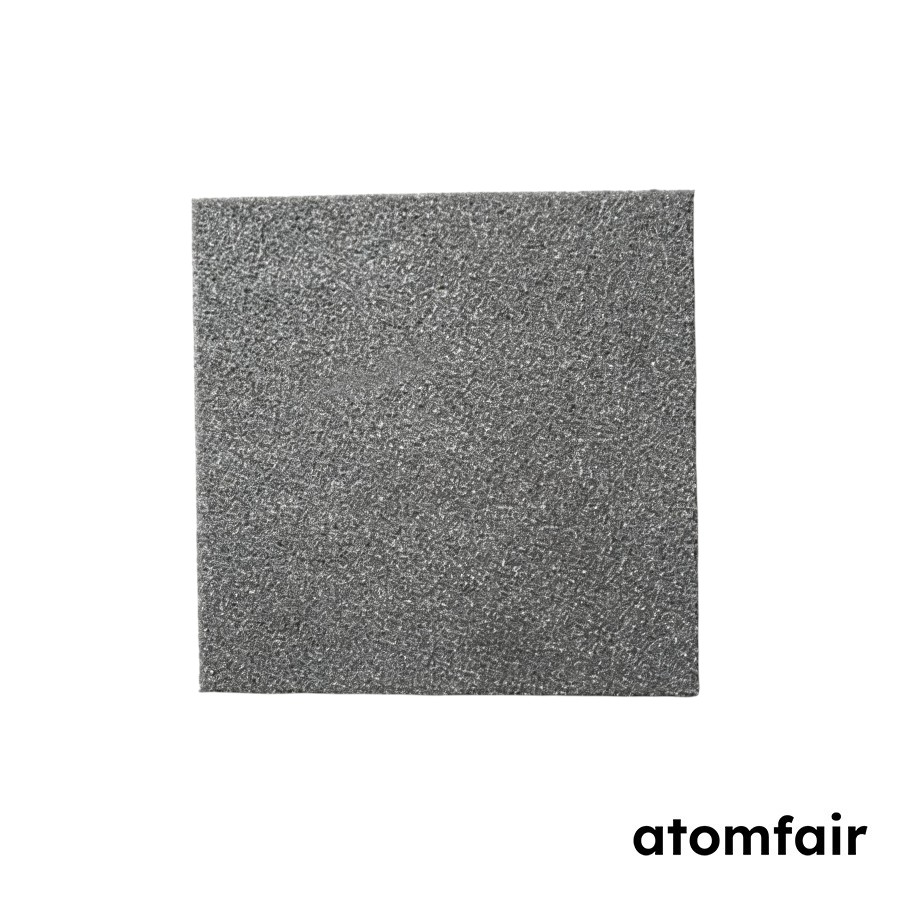
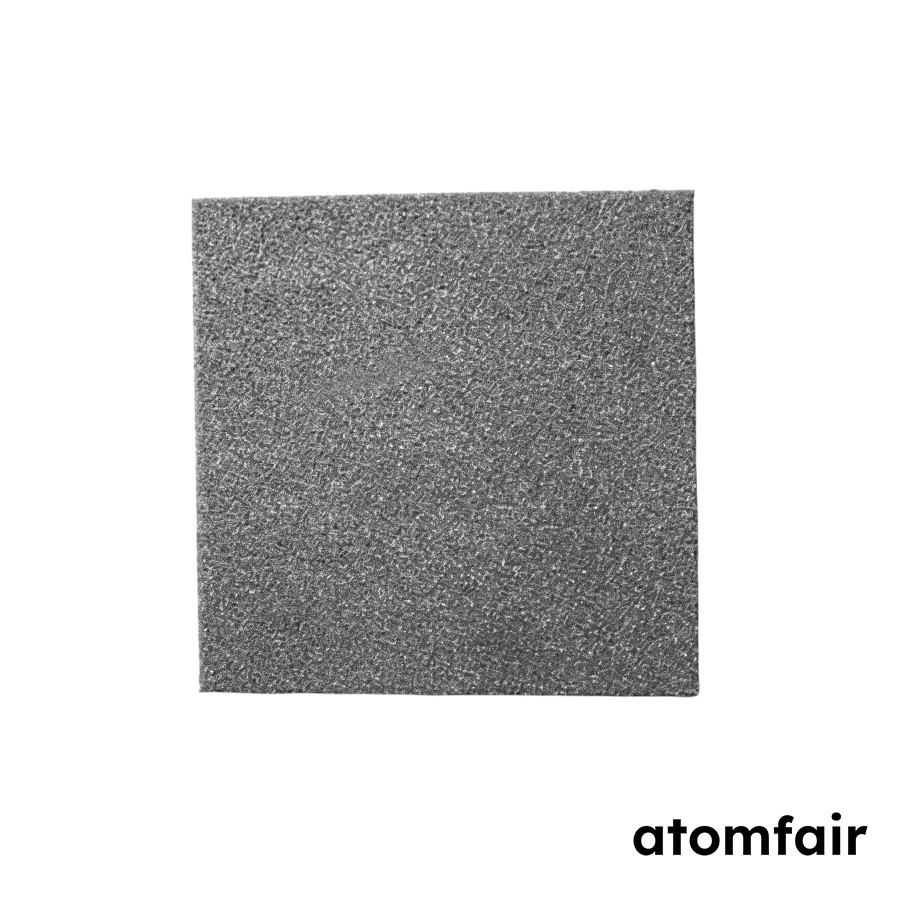
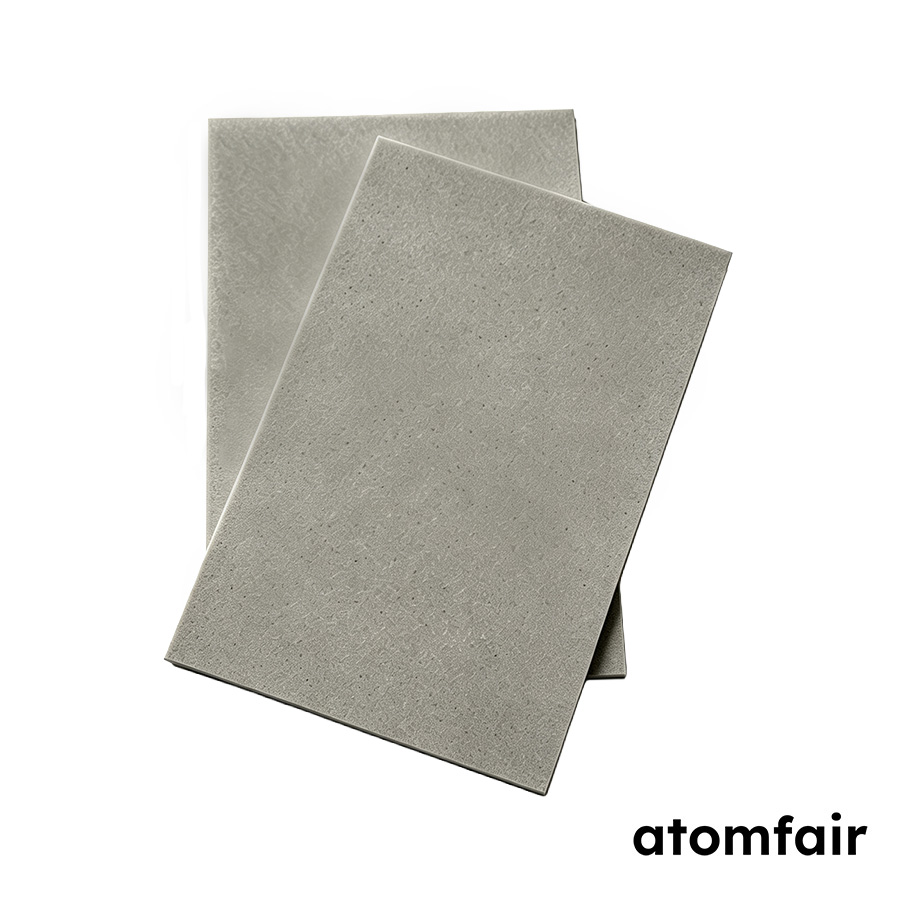
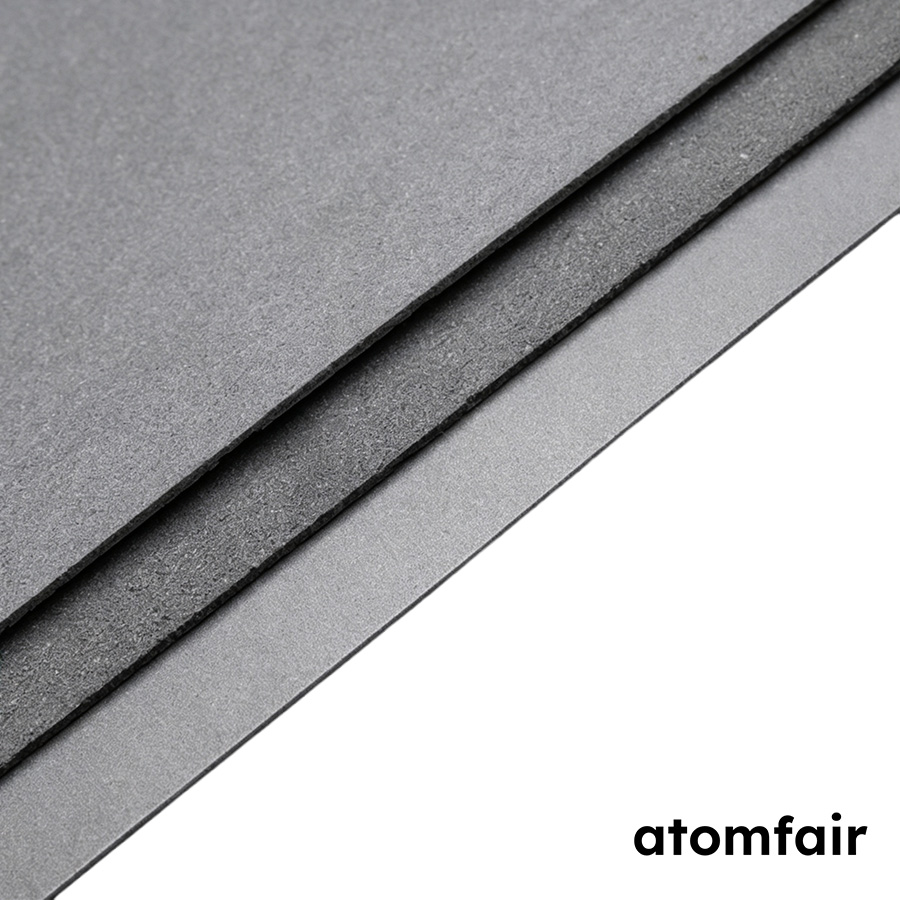
Sintered Titanium and Porous Titanium Foam Sheet, 100 µm Filtration Rating, 200 × 200 × 3 mm, 110 PPI, 1 Piece
Research-grade laboratory product
|
|||||||||||||||||||||||||||||||||||||||||||||
|
|||||||||||||||||||||||||||||||||||||||||||||
|
LABORATORY PROCUREMENT SUPPORT
For filtration accuracy, dimensional confirmation, material compatibility or custom configuration review, contact our technical sales team.
E-MAIL: inquiry@atomfair.com
|
|||||||||||||||||||||||||||||||||||||||||||||
|
Manufacturer: Atomfair LLC
Brand: ATOMFAIR®
|
This document summarizes the stated technical constraints for the 200 × 200 × 3 mm sintered titanium porous foam sheet when used in filtration or separation assemblies. It covers handling, cleaning, service-temperature, and compatibility requirements that must be reviewed before installation.
- Media Compatibility Review: Confirm target media compatibility, operating pressure, temperature, target flow, and dimensional tolerance before quotation or installation.
- Service Temperature Limit: Do not exceed the recommended service temperature of 300°C.
- Surface Protection: Protect the porous surface from crushing and contamination during handling and storage.
- Cleaning Compatibility: Select backflushing, steam, ultrasonic, or compatible chemical cleaning based on the process medium and operating procedure.
- Assembly Integration: Cutting, welding, and basic machining are permitted for assembly integration on this titanium-based porous structure.
This procedure covers the stated handling, assembly, and cleaning steps for the sintered titanium porous foam sheet. Follow these steps to avoid surface damage and maintain filtration performance.
- Confirm application requirements
Confirm the required filtration rating, PPI, sheet dimensions, material grade, target flow, operating pressure, temperature, and media compatibility before quotation. - Verify temperature limit
Verify that the operating temperature remains within the recommended 300°C service limit. - Protect the porous surface
Protect the porous surface from crushing and contamination when handling or storing the sheet. - Integrate into assembly
Integrate the sheet using cutting, welding, or basic machining only where the assembly requires modification. - Select cleaning method
Choose backflushing, steam, ultrasonic, or compatible chemical cleaning according to the process medium and operating procedure.
How does the 110 PPI pore density correlate with the 100 µm filtration rating in this sintered titanium foam sheet?
The 110 PPI (pores per inch) describes the cellular structure density, while the 100 µm filtration rating indicates the particle size that the sheet is designed to retain. These are independent parameters; the PPI affects flow characteristics and mechanical strength, while the filtration rating determines the separation cut-off. Both values must be reviewed together when matching the sheet to a specific filtration application.
What is the maximum service temperature for this 100 µm titanium foam sheet, and are there any pressure limitations?
The recommended service temperature for this sintered porous titanium sheet is ≤300°C. The product description does not specify a maximum operating pressure; users should consult the manufacturer for pressure ratings based on the specific assembly and media conditions.
What cleaning procedures are compatible with this sintered titanium foam sheet to maintain its filtration performance?
The titanium foam sheet can be cleaned using backflushing, steam, ultrasonic, or compatible chemical cleaning methods. It is important to protect the porous surface from crushing and contamination during cleaning and handling. The appropriate method depends on the process medium and operating procedure.
This 100 µm, 110 PPI sintered titanium foam sheet (200 × 200 × 3 mm) offers a corrosion-resistant, cleanable porous metal medium for solid-liquid and gas separation, with a 35–45% porosity and 0.23 mm cell spacing that balances flow and filtration precision, but requires careful media compatibility and temperature review due to a ≤300°C service limit and sensitivity to surface damage.
Positive
- Corrosion-resistant and thermally stable: Titanium-based porous structure provides corrosion resistance and thermal stability in compatible media, with a recommended service temperature up to 300°C, enabling use in aggressive chemical and high-temperature filtration environments.
- Cleanable and reusable metallic medium: The sintered titanium construction supports backflushing, steam, ultrasonic, and chemical cleaning procedures, allowing repeated use and reduced consumable waste in laboratory and process filtration.
Trade-offs
- Limited service temperature ≤300°C: The recommended maximum service temperature is 300°C, which restricts use in high-temperature gas or liquid filtration applications above this threshold without material degradation risk.
- Surface vulnerable to crushing and contamination: The porous surface must be protected from crushing and contamination during handling and cleaning, requiring careful procedural control to maintain filtration integrity and avoid permanent damage.
Every advanced material, component, equipment, and instrument in our catalog is backed by rigorous testing. We maintain strict internal quality management frameworks and align with CE conformity metrics to deliver transparent, reproducible performance data via our public open-science repository.
To request raw batch performance data, submit formal vendor registration paperwork, or execute a fast-turnaround R&D manufacturing loop, contact us at inquiry@atomfair.com.
Item is dispatched under the Atomfair Shipping & Delivery Framework (Free worldwide shipping on orders over $59 USD excl. heavy equipment). Return is governed by the Atomfair Return & Refund Policy (7-day technical return window).