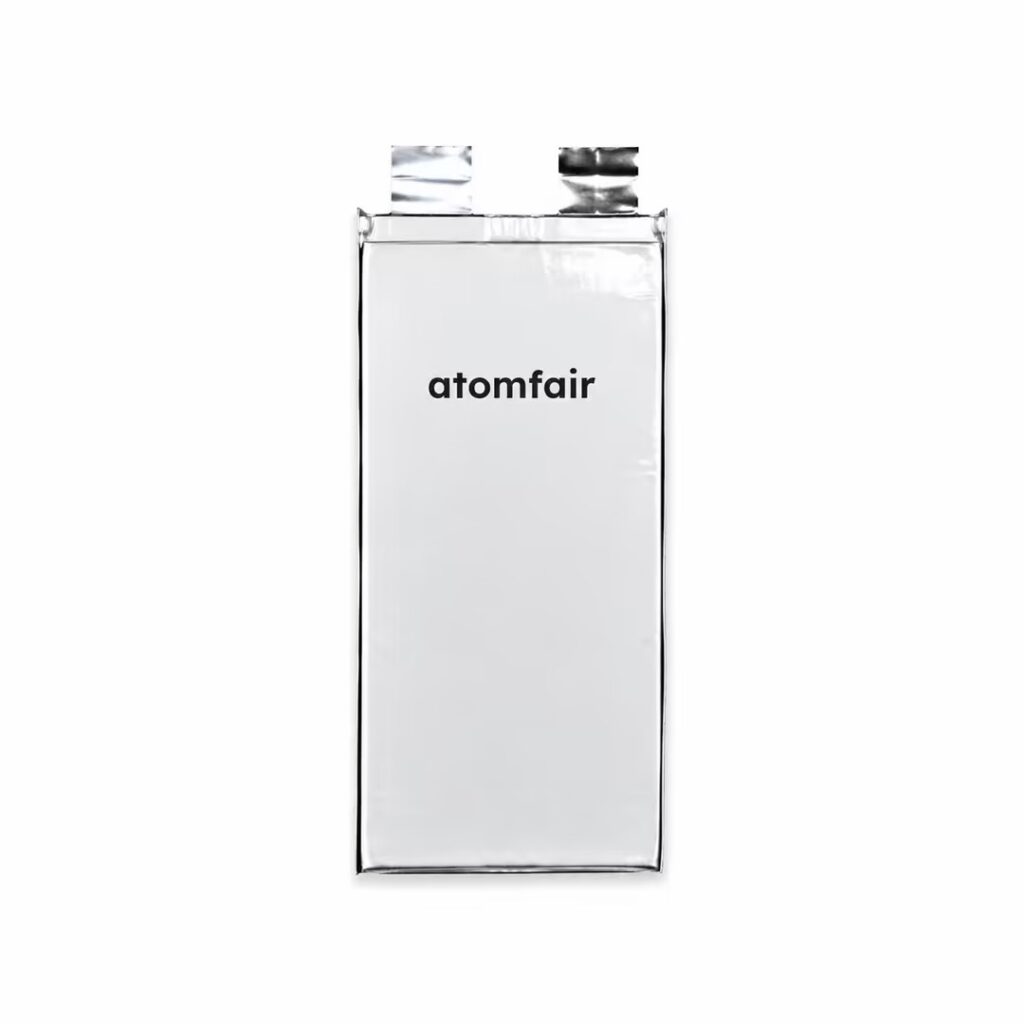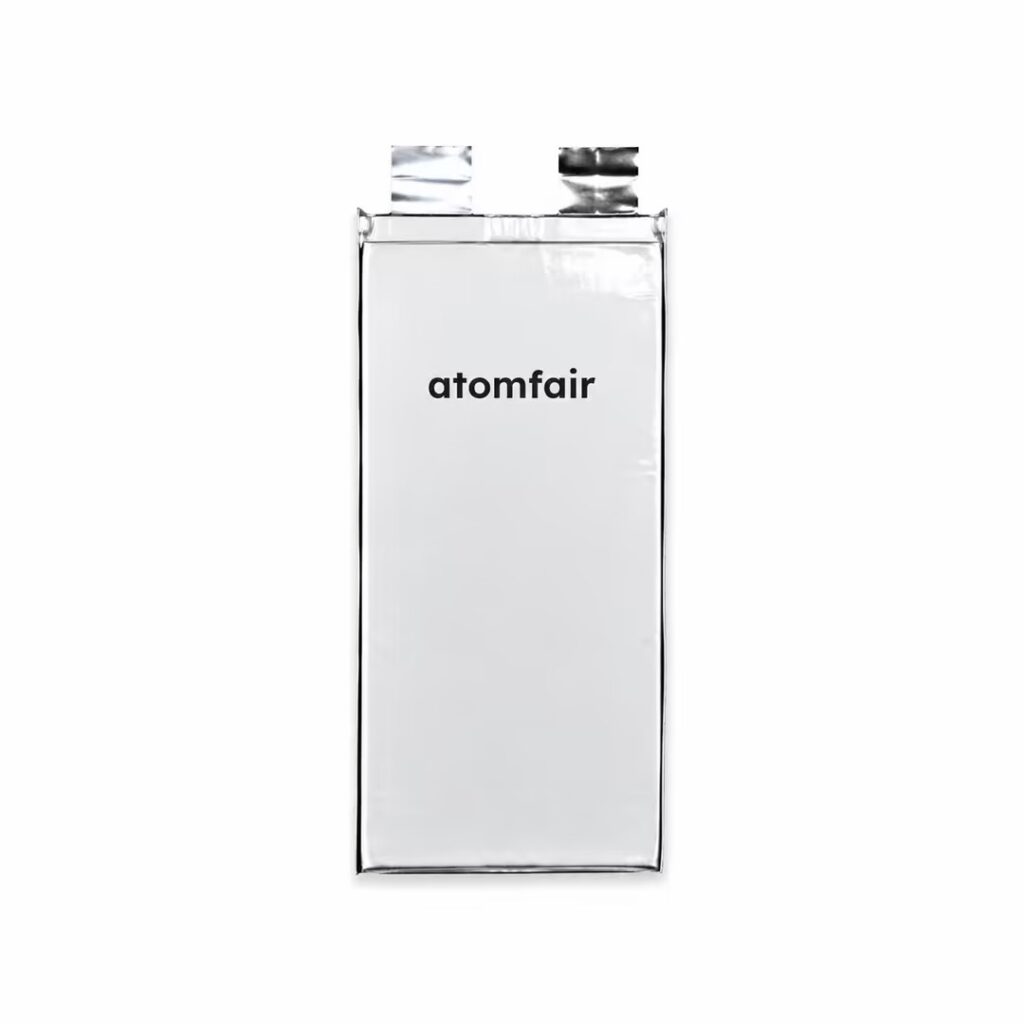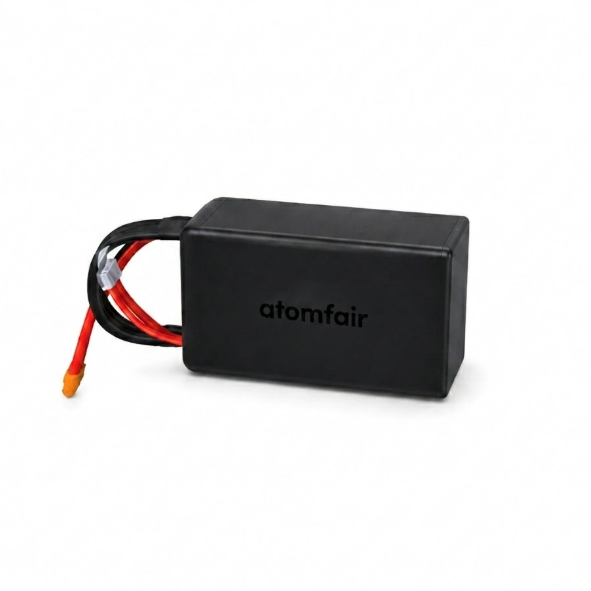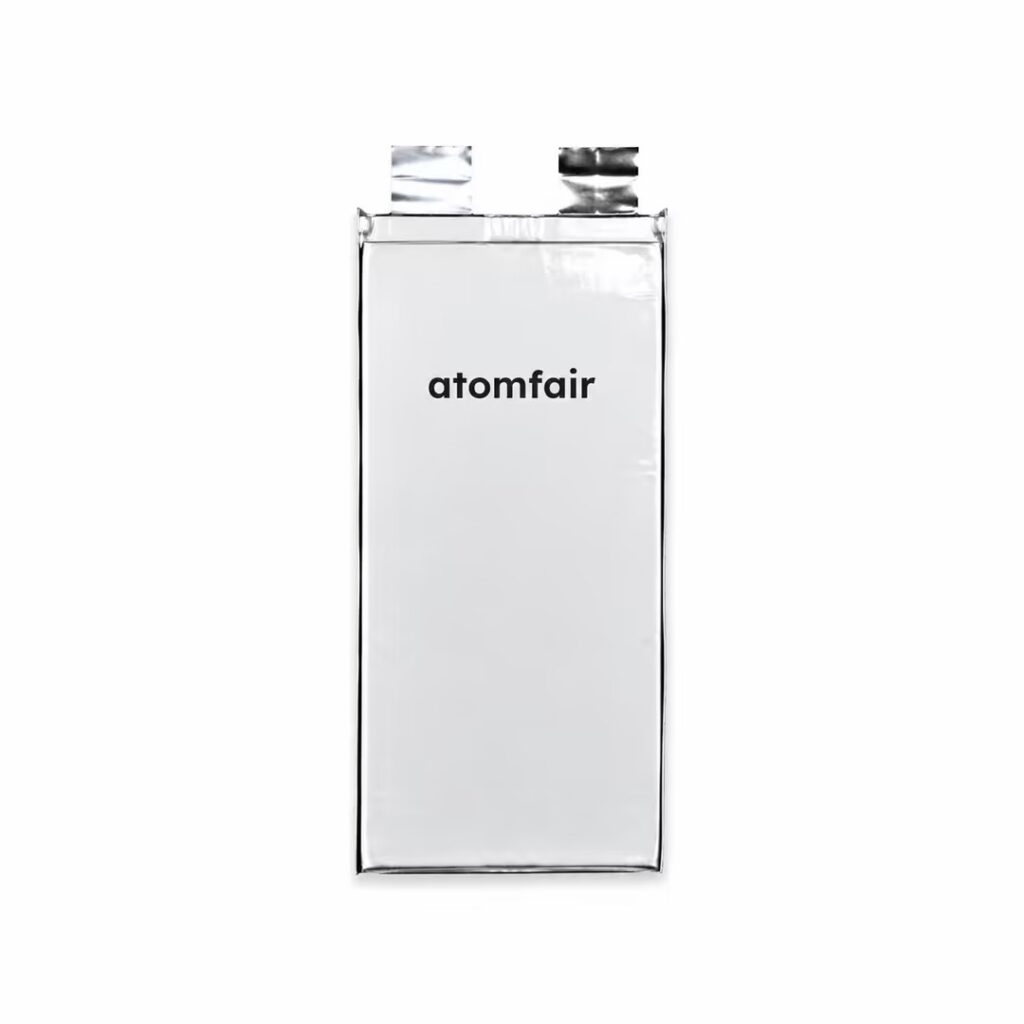
High-Energy-Density High-Safety Semi-Solid Battery Series | ATOMFAIRCOMMERCIAL GRADE · PRODUCTION
|
||||||||||||||||||||||||||||||||||||||||||||||||||||||||||||||||||||||||||||
|
||||||||||||||||||||||||||||||||||||||||||||||||||||||||||||||||||||||||||||
|
TAILORED SOLUTIONS FOR RESEARCH
Contact our engineering team for technical support or official institutional quotations.
EMAIL: inquiry@atomfair.com
|
||||||||||||||||||||||||||||||||||||||||||||||||||||||||||||||||||||||||||||
|
Manufacturer: Atomfair LLC
Brand: ATOMFAIR®
|
||||||||||||||||||||||||||||||||||||||||||||||||||||||||||||||||||||||||||||
This document outlines the storage and safety constraints for the ATOMFAIR Semi-Solid Battery High Safety Series. These cells require controlled voltage, temperature, and mechanical integrity to ensure safe operation and longevity.
- Voltage Range Constraint: Maintain cell voltage between 2.5V and 4.2V to prevent damage.
- Temperature Exposure Limit: Avoid sustained exposure to temperatures above 60°C to prevent thermal runaway.
- BMS Integration Requirement: Always use a battery management system with overcurrent, short-circuit, and low-temperature protection.
- Mechanical Integrity Constraint: Avoid mechanical deformation, puncture, or extrusion of the cell casing.
- Preconditioning Requirement: Pre-condition cells at 25°C before first use to ensure optimal performance.
This procedure describes the steps to safely initialize and handle the semi-solid battery cells. Follow these steps before first use and during operation to prevent damage or hazards.
Required Equipment: Battery management system
- Preconditioning
Pre-condition cells at 25°C before first use. - Connect BMS
Connect a battery management system that provides overcurrent, short-circuit, and low-temperature protection. - Voltage Monitoring
Verify cell voltage is within 2.5V to 4.2V before initial charging. - Temperature Monitoring
Monitor cell temperature during operation to avoid sustained exposure above 60°C.
How does the semi-solid electrolyte design in the ATOMFAIR Semi-Solid Battery series impact the trade-off between energy density and safety compared to conventional liquid electrolyte cells?
The semi-solid electrolyte design achieves a high energy density of ≥220Wh/kg while passing nail penetration, overcharge, and extrusion tests, offering a safety-performance balance that is typically difficult to achieve with liquid electrolytes. This leak-proof, low-flammability design improves mechanical stability without compromising cycle life, which is ≥2000 cycles to 80% SOH at 1C/1C.
What are the mandatory voltage and temperature limits for the AFESS series semi-solid cells, and what BMS protections are required?
The cells must be operated within 2.5V–4.2V and avoid sustained temperatures above 60°C. The manufacturer mandates using a BMS with overcurrent, short-circuit, and low-temperature protection, and pre-conditioning cells at 25°C before first use to ensure safe and stable operation.
What pre-conditioning and first-use procedures are specified for the ATOMFAIR AFESS series semi-solid pouch cells?
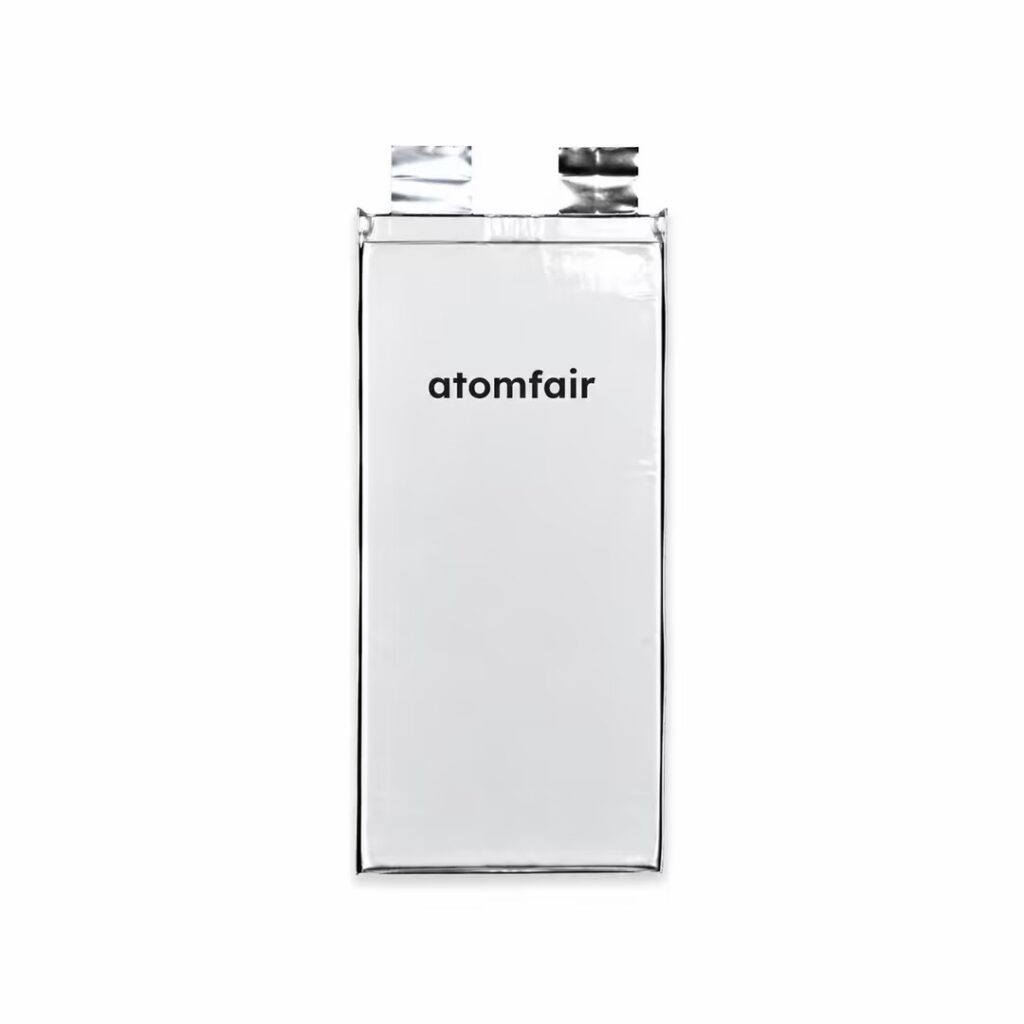
Before first use, cells must be pre-conditioned at 25°C. They are shipped in moisture-barrier vacuum-sealed aluminum foil bags. Operation must stay within 2.5V–4.2V, and sustained temperatures above 60°C must be avoided. A BMS with overcurrent, short-circuit, and low-temperature protection is always required.
The ATOMFAIR Semi-Solid Battery High Safety Series offers ≥220Wh/kg energy density with a semi-solid electrolyte that passes nail penetration, overcharge, and extrusion tests, but requires strict voltage limits (2.5–4.2V), avoids sustained temperatures above 60°C, and mandates a BMS with overcurrent, short-circuit, and low-temperature protection.
Positive
- High energy density and semi-solid electrolyte: Energy density ≥220Wh/kg enables compact pack design; semi-solid electrolyte provides leak-proof, low-flammability operation with improved mechanical stability.
- Verified safety via nail penetration and overcharge: Cells pass nail penetration, overcharge, and extrusion tests, ensuring robust safety for stationary and mobile applications.
Trade-offs
- Strict voltage and temperature limits: Operation must stay within 2.5V–4.2V and avoid sustained temperatures above 60°C; pre-conditioning at 25°C before first use is required.
- Mandatory BMS with multi-protection features: Always use a BMS with overcurrent, short-circuit, and low-temperature protection; cycle life (≥2000 cycles to 80% SOH) is specified at 1C/1C and may degrade under different charge/discharge rates.
Every advanced material, component, equipment, and instrument in our catalog is backed by rigorous testing. We maintain strict internal quality management frameworks and align with CE conformity metrics to deliver transparent, reproducible performance data via our public open-science repository.
To request raw batch performance data, submit formal vendor registration paperwork, or execute a fast-turnaround R&D manufacturing loop, contact us at inquiry@atomfair.com.
Item is dispatched under the Atomfair Shipping & Delivery Framework (Free worldwide shipping on orders over $59 USD excl. heavy equipment). Return is governed by the Atomfair Return & Refund Policy (7-day technical return window).