|
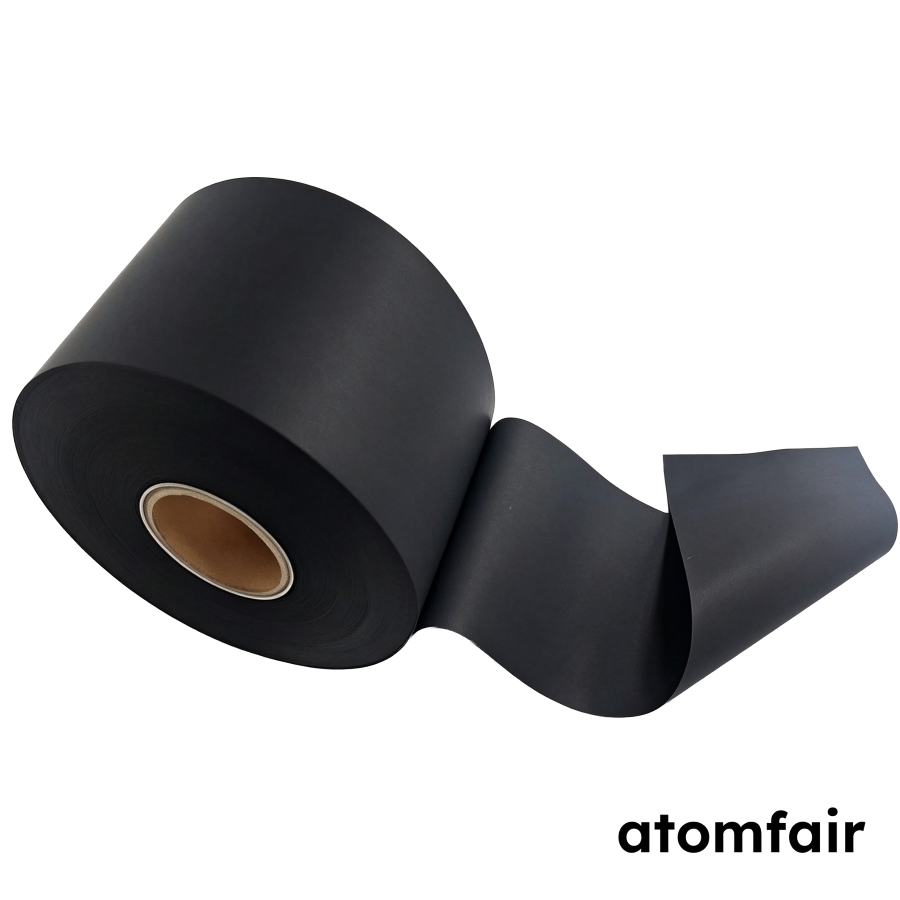
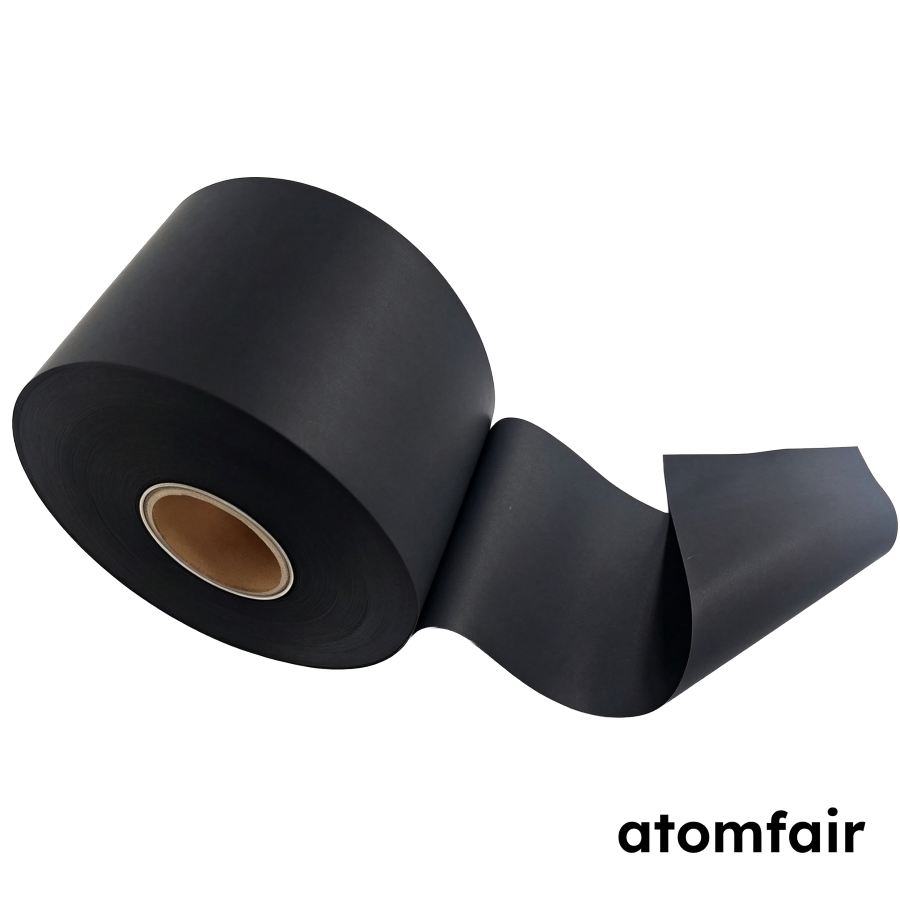
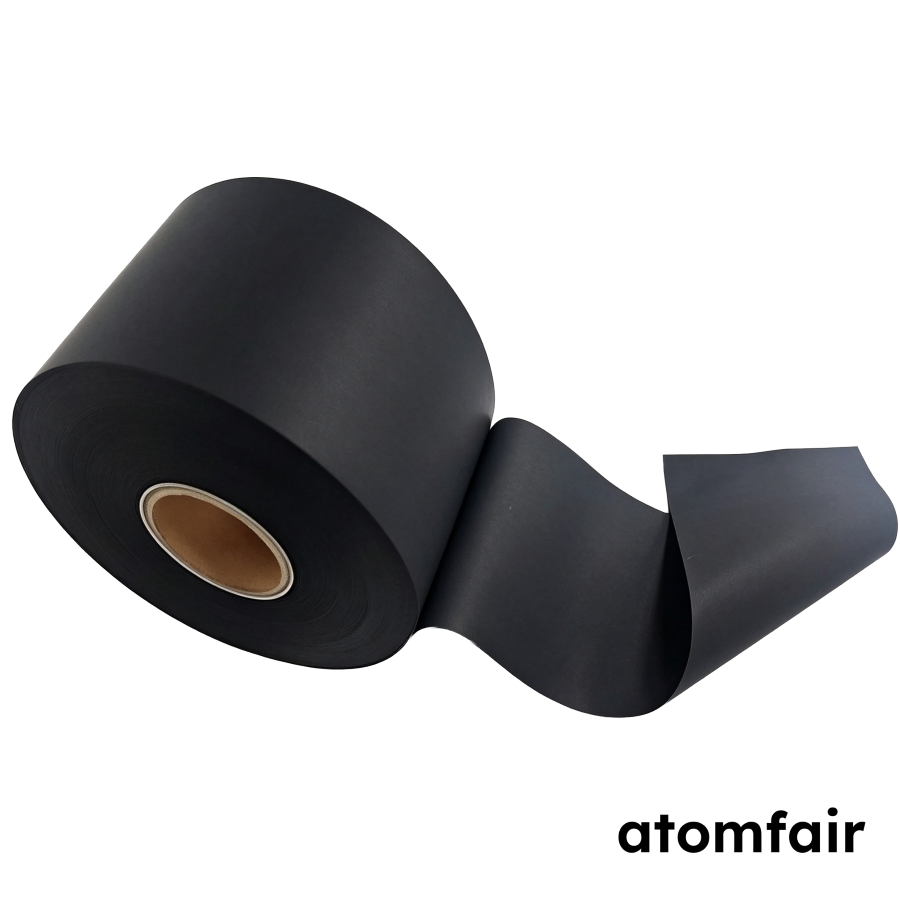
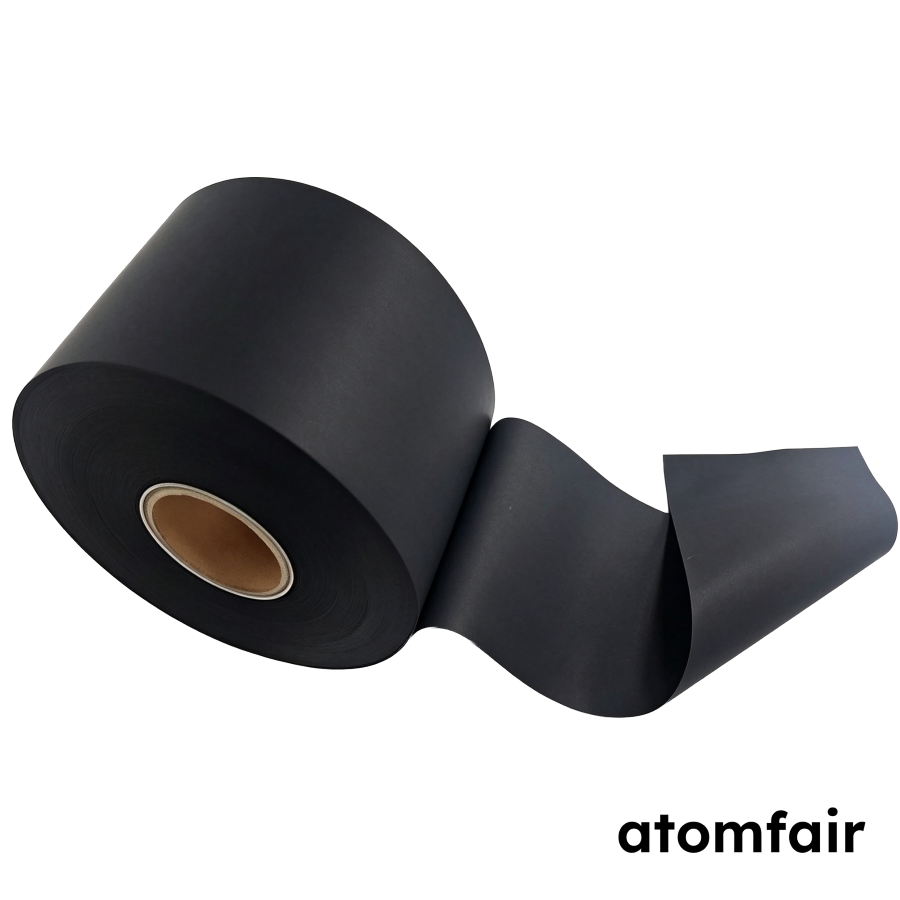
PTFE-Bonded Acetylene Black Electrode Sheet for Primary Batteries, 500 μm
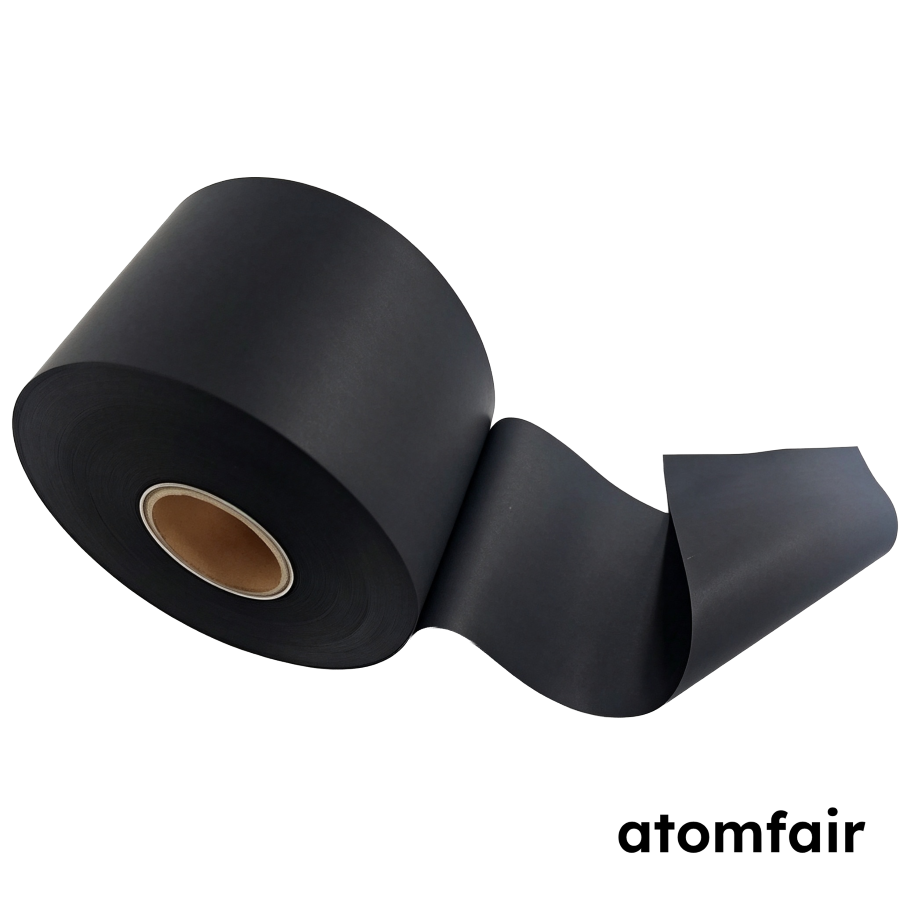
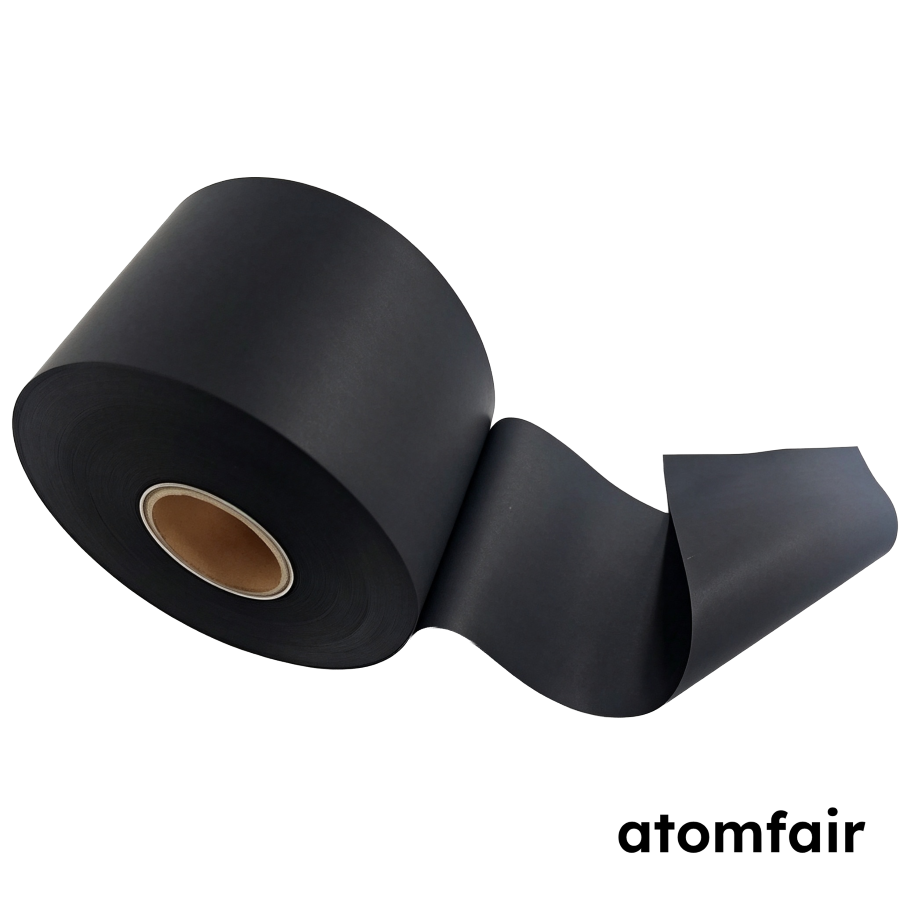
PTFE-Bonded Roll-Form Carbon Electrode Sheet
|
||||||||||||||||||||||||||||||||||||||||||||||||||||||
|
This electrode sheet requires controlled drying prior to cell assembly to remove residual moisture. The sheet must be handled in a clean, dry environment to avoid mechanical damage and contamination.
- Drying Requirement: Dry the electrode sheet at 90-100°C for 12-24 hours before cell assembly.
- Handling Environment: Use a clean, dry handling environment after drying to prevent moisture uptake and contamination.
- Mechanical Integrity: Avoid bending, scratching, or contaminating the coated surface during cutting, punching, transfer, and stacking.
This procedure outlines the drying and handling steps required to prepare the electrode sheet for primary battery cell assembly. Proper drying and careful handling ensure electrode integrity and performance.
- Dry the sheet
Dry the electrode sheet at 90-100°C for 12-24 hours. - Transfer to clean environment
Transfer the dried sheet to a clean, dry handling environment. - Cut or punch to size
Cut or punch the sheet to the required dimensions while avoiding bending or scratching the surface. - Stack carefully
Stack the cut electrode pieces carefully to avoid contamination.
What is the compaction density and areal density of the 500 µm acetylene black-based carbon electrode sheet for primary batteries?
The listed compaction density is 0.33 ± 0.01 g/cm³, and the areal density is 18.15 ± 0.5 mg/cm². These parameters are specific to the 500 µm thickness configuration and should be interpreted alongside loading, porosity, and the source measurement method for accurate electrode design.
Can this PTFE-bonded acetylene black sheet be used directly in Li-SOCl2 primary battery research without additional coating?
Yes, this preformed roll-form sheet is specified for primary-battery research including Li-SOCl2-related work, where the selected model is indicated for that chemistry. It is supplied as a ready-to-use carbon electrode sheet with PTFE binder, eliminating the need for loose powder handling and enabling direct cell assembly after drying.
What are the drying and handling requirements for this 500 µm carbon electrode sheet before cell assembly?
Dry the electrode sheet at 90–100 °C for 12–24 hours prior to cell assembly. After drying, maintain a clean, dry handling environment and avoid bending, scratching, or contaminating the coated surface during cutting, punching, transfer, and stacking to preserve electrode integrity.
This 500 µm acetylene black-based carbon electrode sheet with PTFE binder is supplied as a roll-form material for primary battery research, offering preformed consistency and customizable width, though requiring extended drying and careful mechanical handling during cell assembly.
Positive
- Preformed Roll-Form Carbon Electrode Sheet: Supplied as a ready-to-use PTFE-bonded acetylene black sheet in roll form, eliminating the need for in-house powder mixing, casting, and drying steps common with loose acetylene black powders.
- Customizable Width and Areal Density: Available in widths from 50 to 300 mm with controlled areal density (18.15 ± 0.5 mg/cm²) and compaction density (0.33 ± 0.01 g/cm³), allowing the researcher to select a configuration matching specific cell geometries and loading requirements.
Trade-offs
- Pre-Assembly Drying Required: The electrode sheet must be dried at 90–100 °C for 12–24 hours prior to cell assembly, requiring a convection oven and careful scheduling to avoid moisture adsorption before use.
- Mechanical Handling Sensitivity: The PTFE-bonded carbon sheet has a tensile strength >5 N but is susceptible to bending, scratching, and surface contamination during cutting, punching, and transfer, demanding cleanroom-like handling procedures.
Every advanced material, component, equipment, and instrument in our catalog is backed by rigorous testing. We maintain strict internal quality management frameworks and align with CE conformity metrics to deliver transparent, reproducible performance data via our public open-science repository.
To request raw batch performance data, submit formal vendor registration paperwork, or execute a fast-turnaround R&D manufacturing loop, contact us at inquiry@atomfair.com.
Item is dispatched under the Atomfair Shipping & Delivery Framework (Free worldwide shipping on orders over $59 USD excl. heavy equipment). Return is governed by the Atomfair Return & Refund Policy (7-day technical return window).