|
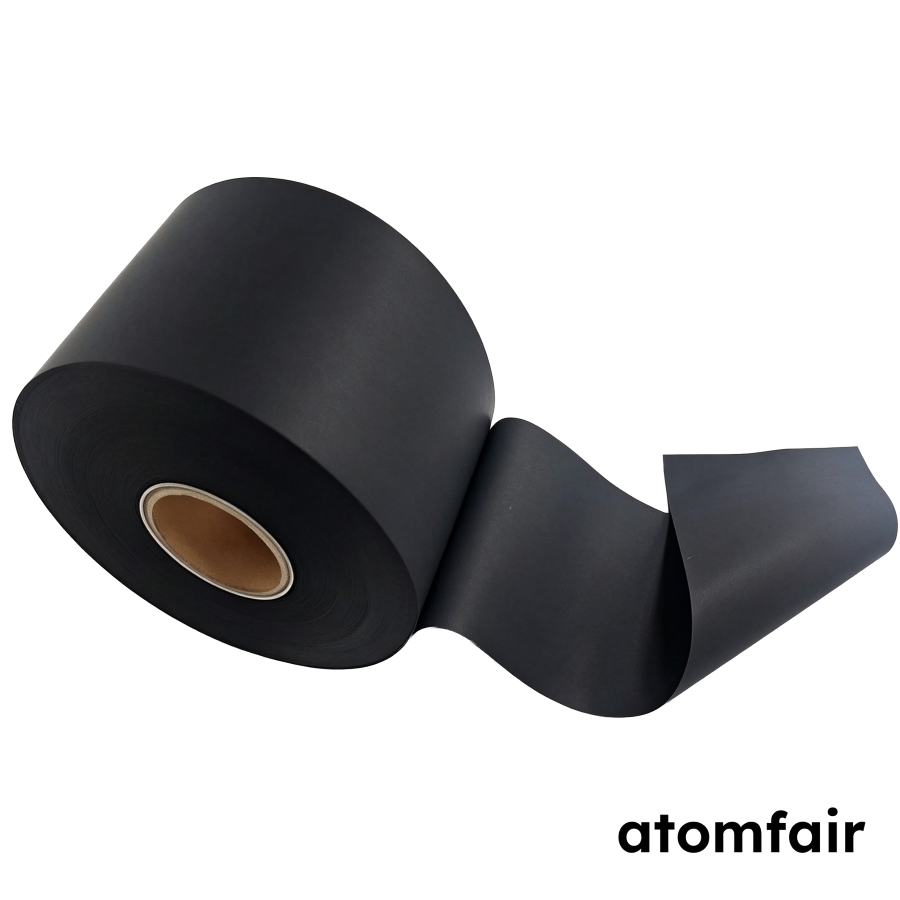
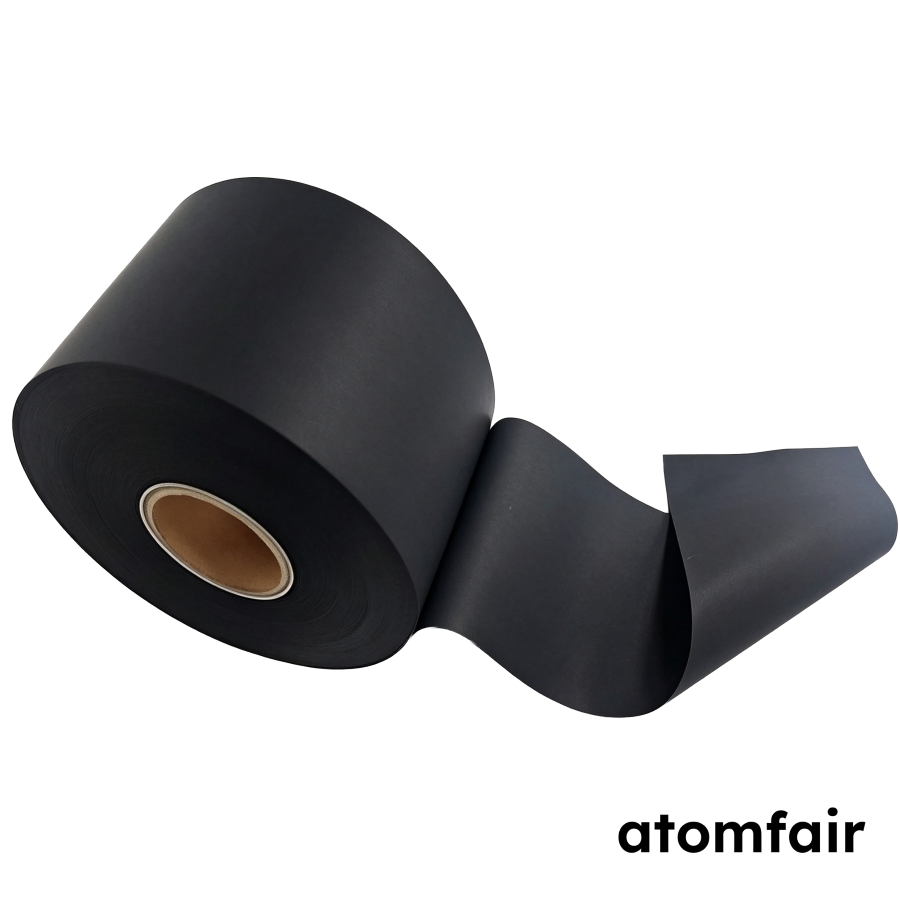
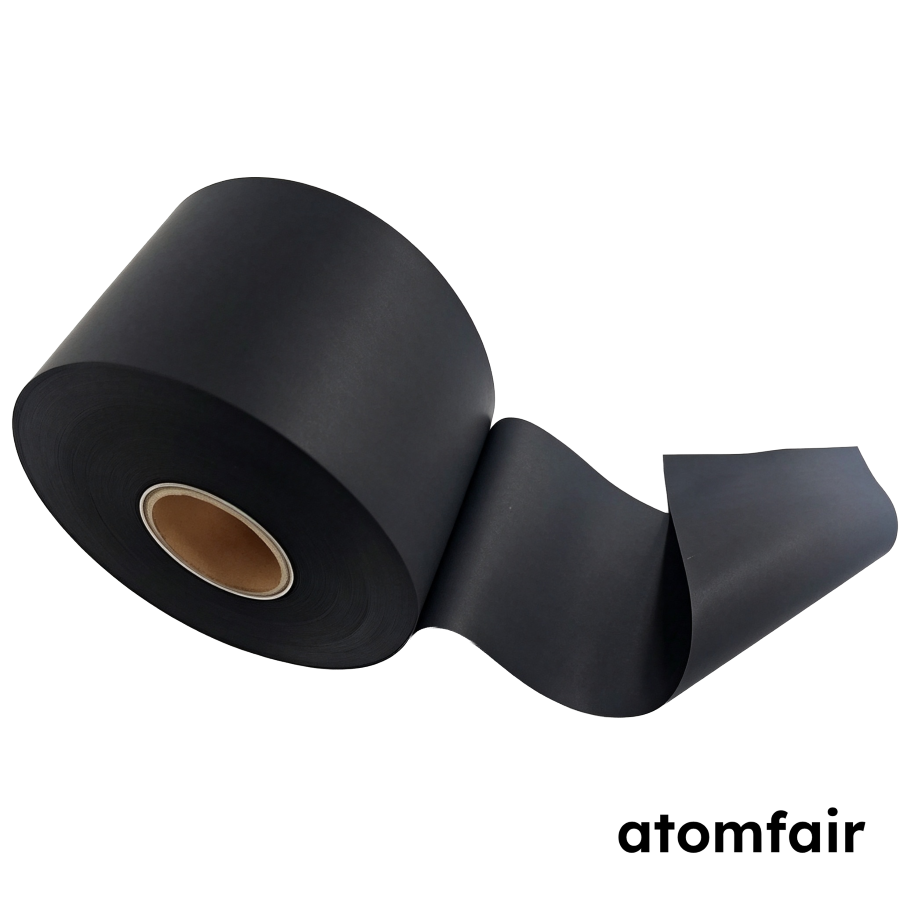
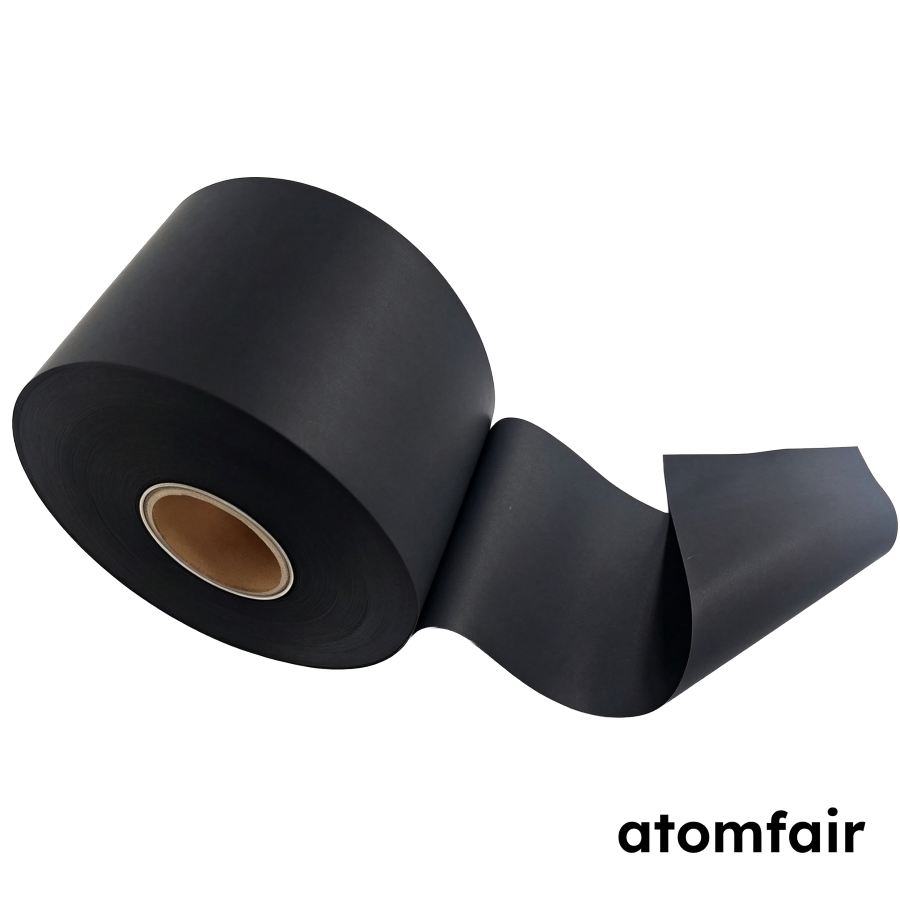
PTFE-Bonded Acetylene Black Electrode Sheet for Primary Batteries, 1000 μm
PTFE-Bonded Roll-Form Carbon Electrode Sheet
|
||||||||||||||||||||||||||||||||||||||||||||||||||||||
|
The electrode sheet requires vacuum or forced-air drying at 90–100°C for 12–24 hours prior to cell assembly to remove adsorbed moisture. The sheet is susceptible to mechanical damage and contamination during cutting, punching, and transfer operations.
- Drying Requirement: Dry the electrode sheet at 90–100°C for 12–24 hours before cell assembly to remove adsorbed moisture.
- Handling Environment: Use a clean, dry handling environment after drying to prevent contamination and moisture reabsorption.
- Mechanical Sensitivity: Avoid bending, scratching, or contaminating the coated surface during cutting, punching, transfer, and stacking.
This procedure describes the drying and handling steps for the acetylene black-based carbon electrode sheet. Proper execution ensures electrode integrity and performance in primary battery research.
Required Equipment: Drying oven capable of maintaining 90–100°C, Clean, dry handling area (e.g., glovebox or clean bench), Sharp cutting tool (e.g., scalpel or rotary cutter)
- Dry the electrode sheet
Dry the electrode sheet at 90–100°C for 12–24 hours in a drying oven to remove adsorbed moisture. - Transfer to clean environment
Transfer the dried sheet to a clean, dry handling environment to prevent contamination and moisture reabsorption. - Cut to dimensions
Cut the sheet to the required dimensions using a sharp cutting tool without bending or scratching the coated surface. - Punch electrode shapes
Punch electrode discs or shapes as needed for cell assembly, ensuring the cutting edges remain clean and sharp. - Stack or transfer for assembly
Stack or transfer the prepared electrodes for immediate cell assembly, avoiding contamination from gloves or surfaces.
What is the trade-off between acetylene black content and PTFE binder content in this electrode sheet?
This acetylene black-based electrode sheet contains up to 95% acetylene black for high conductivity, balanced with PTFE binder from 5% to provide mechanical cohesion. The tensile strength specification of >5 N confirms sufficient mechanical integrity for handling and downstream preparation despite the high carbon loading.
Which primary battery chemistries is this 1000 µm acetylene black electrode sheet compatible with?
The sheet is designed for primary battery research, specifically for Li-SOCl2 chemistry applications. It is supplied as a preformed, PTFE-bonded roll-form electrode for use in laboratory cell assembly and can be used in downstream current-collector lamination workflows.
What are the required drying and handling precautions for this roll-form carbon electrode sheet?
Drying at 90–100 °C for 12–24 hours is required before cell assembly. After drying, the sheet must be handled in a clean, dry environment and protected from bending, scratching, or contamination of the coated surface during cutting, punching, transfer, and stacking.
This 1000 μm acetylene black-based carbon electrode sheet in PTFE-bonded roll form is designed for primary battery research, including Li-SOCl2 cells. Its preformed construction eliminates slurry preparation, while the customizable width and controlled areal density ensure reproducible electrode fabrication. However, the required drying at 90-100°C and careful handling after drying impose additional preparation steps.
Positive
- Preformed roll-form electrode sheet: Supplied as a ready-to-use PTFE-bonded sheet, eliminating the need for in-house slurry mixing and coating, saving time and ensuring batch consistency.
- Customizable width and controlled areal density: Available in widths from 50 to 300 mm with a tight tolerance of ±0.3 mm and an areal density of 33.0±0.5 mg/cm2, enabling precise adaptation to specific cell geometries.
Trade-offs
- Required drying before use: The electrode sheet must be dried at 90-100°C for 12-24 hours prior to cell assembly, adding preparation time and requiring an oven with temperature control.
- Handling sensitivity after drying: After drying, the sheet is sensitive to bending, scratching, and contamination, necessitating a clean, dry environment and careful manipulation during cutting, punching, and stacking.
Every advanced material, component, equipment, and instrument in our catalog is backed by rigorous testing. We maintain strict internal quality management frameworks and align with CE conformity metrics to deliver transparent, reproducible performance data via our public open-science repository.
To request raw batch performance data, submit formal vendor registration paperwork, or execute a fast-turnaround R&D manufacturing loop, contact us at inquiry@atomfair.com.
Item is dispatched under the Atomfair Shipping & Delivery Framework (Free worldwide shipping on orders over $59 USD excl. heavy equipment). Return is governed by the Atomfair Return & Refund Policy (7-day technical return window).