|
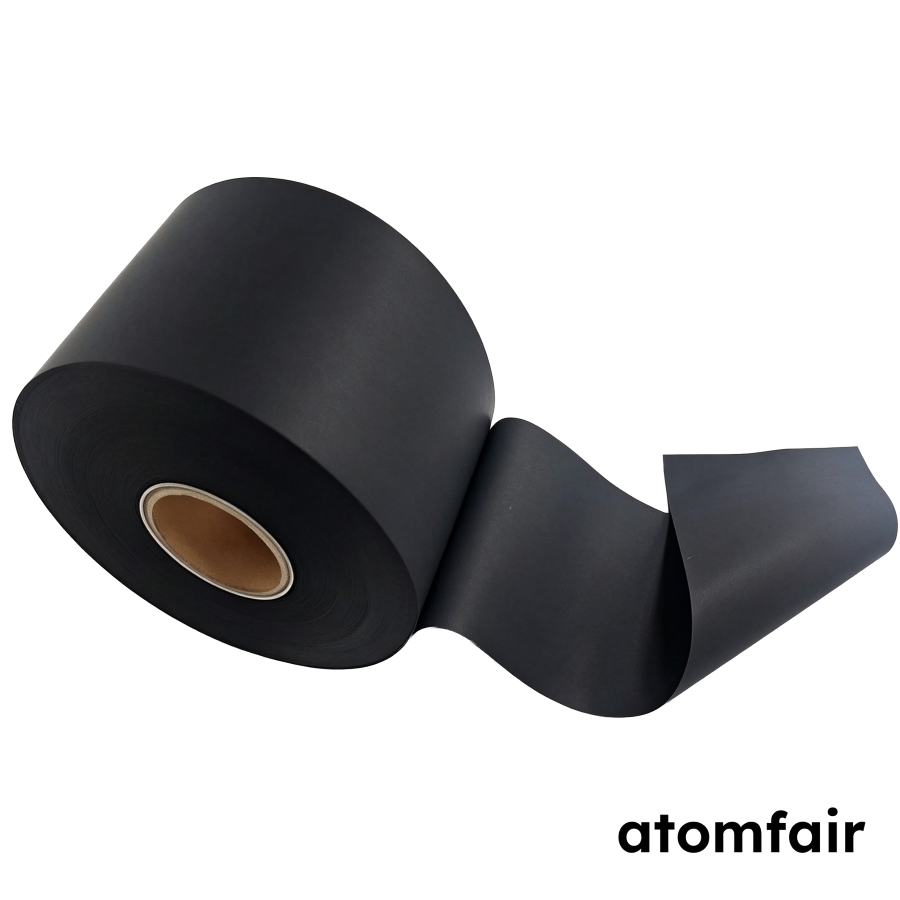
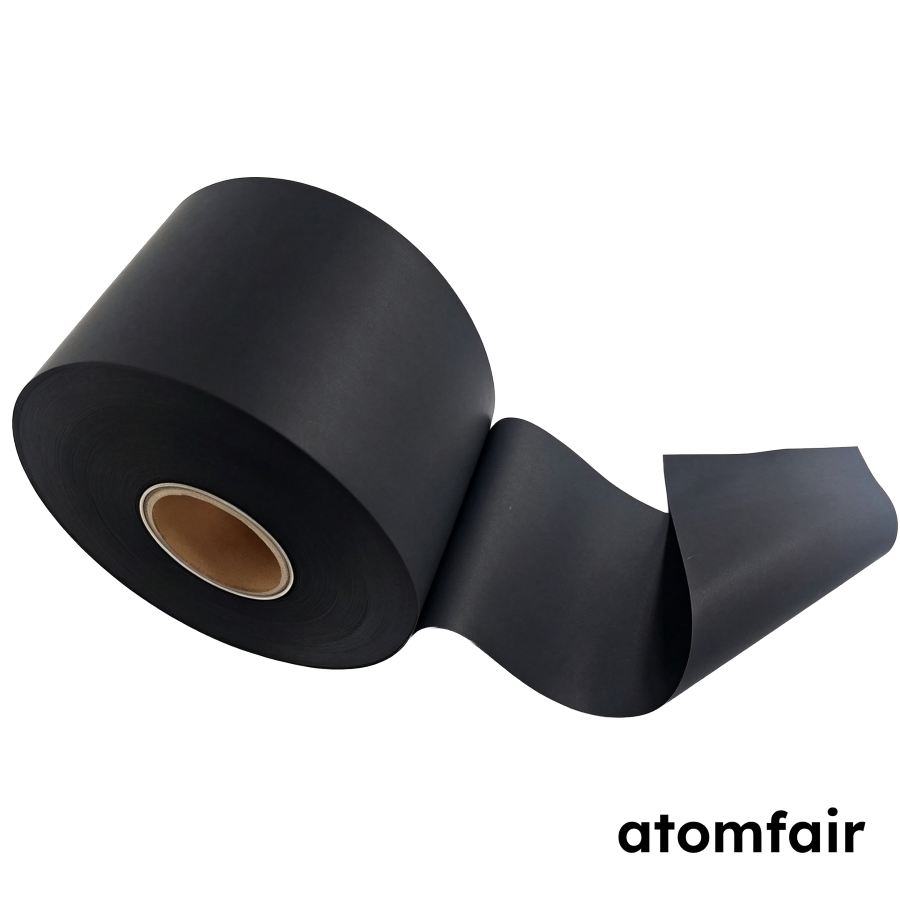
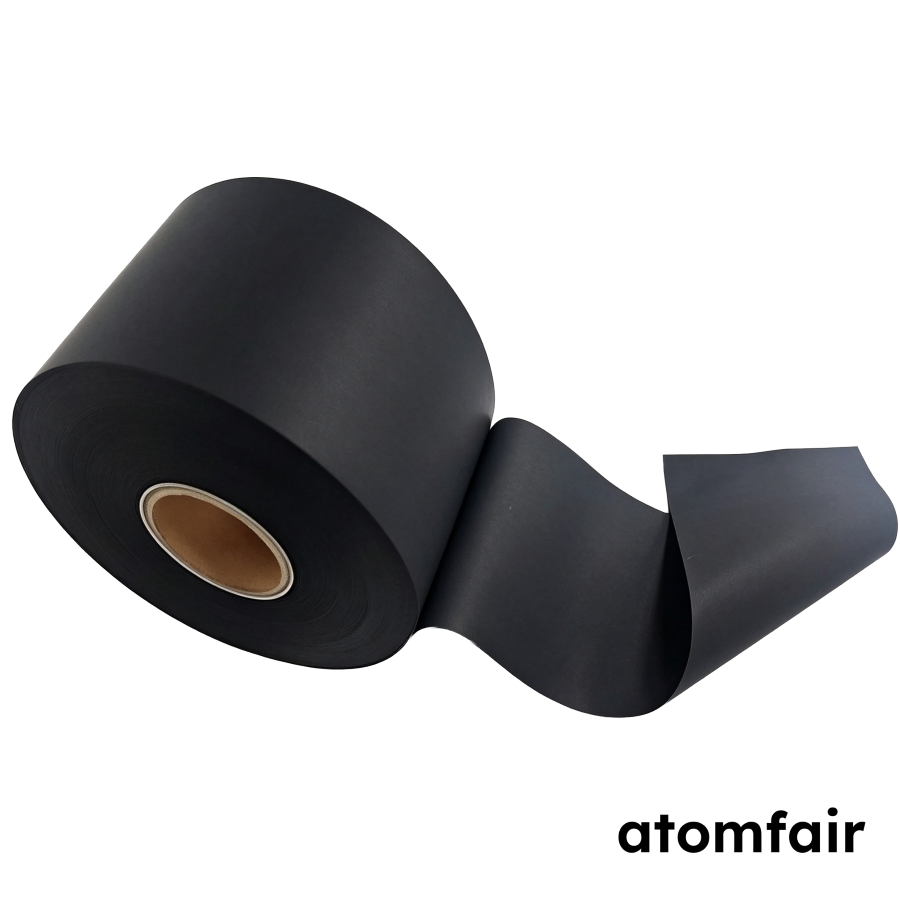
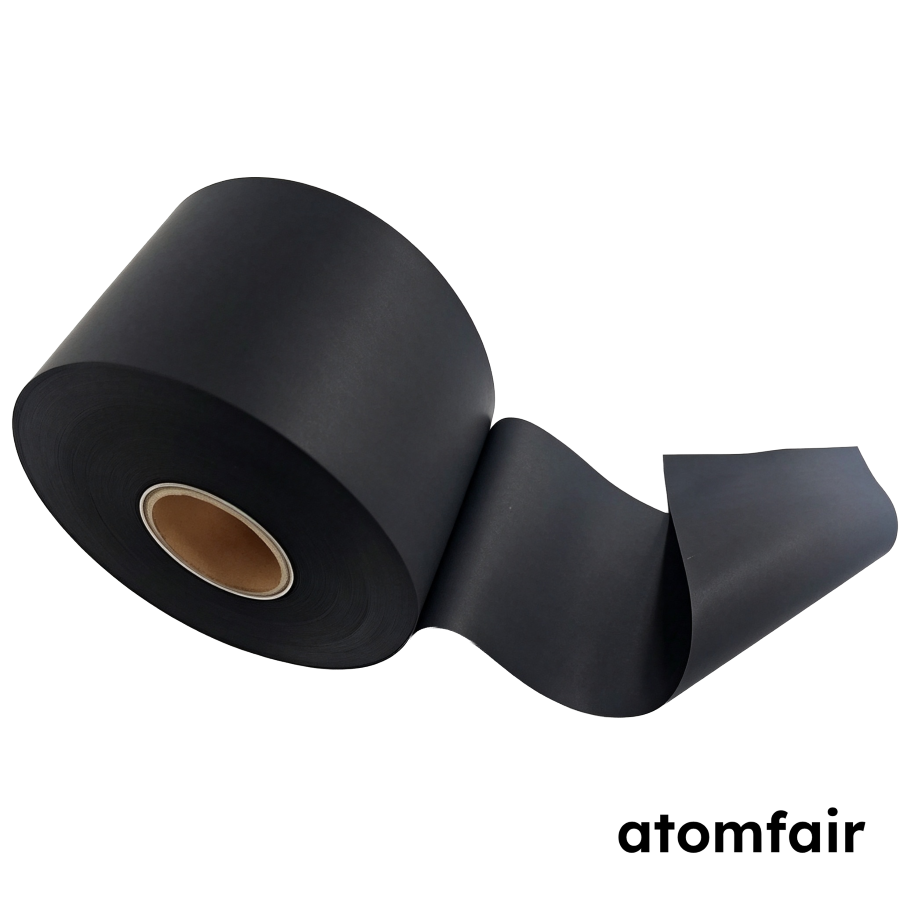
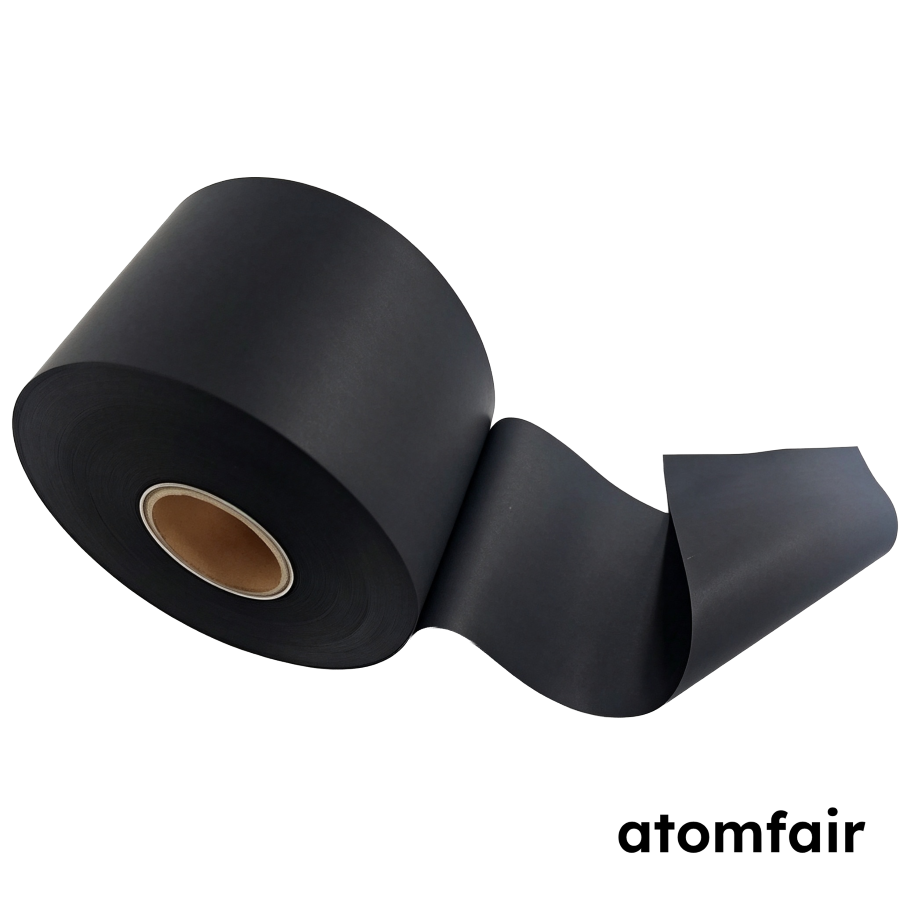
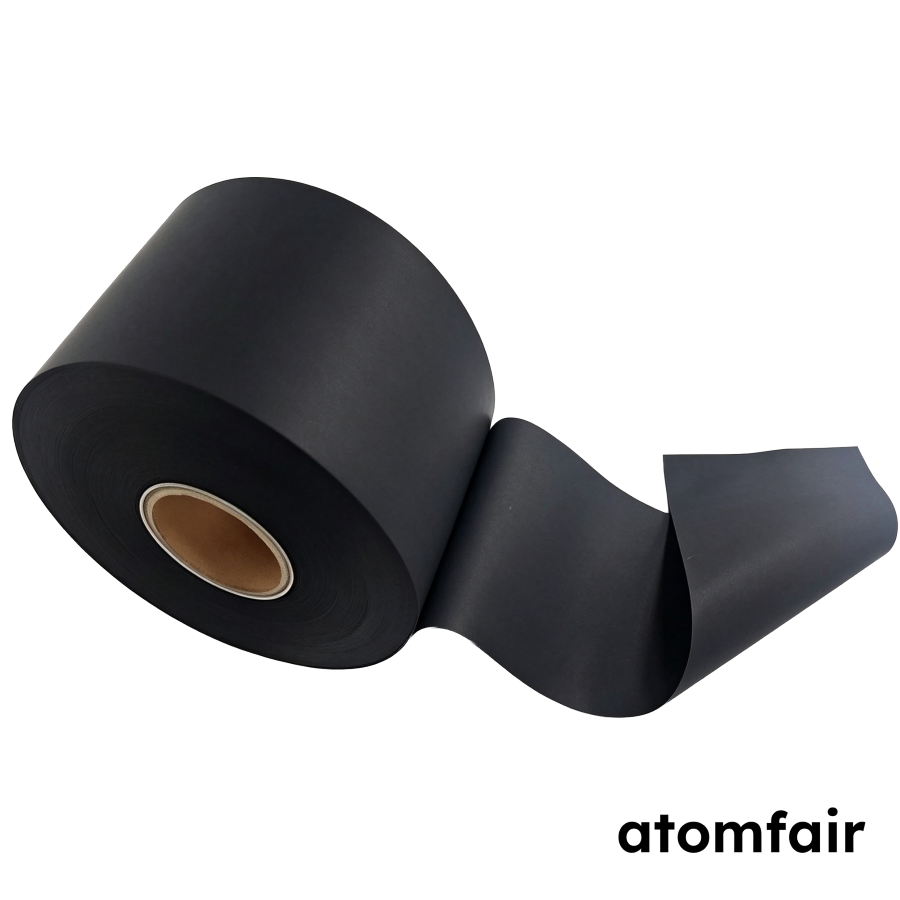
PTFE-Bonded Acetylene Black Electrode Sheet for Primary Batteries, 300 μm
PTFE-Bonded Roll-Form Carbon Electrode Sheet
|
||||||||||||||||||||||||||||||||||||||||||||||||||||||
|
This preformed carbon electrode sheet requires controlled drying prior to cell assembly to remove residual moisture. The sheet must be handled in a clean, dry environment to prevent mechanical damage and contamination that could compromise electrode performance.
- Drying Requirement: Dry the electrode sheet at 90-100°C for 12-24 hours before cell assembly to ensure removal of adsorbed moisture.
- Handling Environment: Use a clean, dry handling environment after drying to avoid recontamination and moisture uptake.
- Mechanical Integrity: Avoid bending, scratching, or deforming the sheet during cutting, punching, transfer, and stacking to prevent structural defects.
- Contamination Control: Prevent contact with oils, dust, or other particulates that could introduce impurities into the battery assembly.
This procedure outlines the drying and handling steps required to prepare the carbon electrode sheet for primary battery cell assembly. Proper execution ensures electrode integrity and consistent electrochemical performance.
Required Equipment: Drying oven, Electrode punch or cutter
- Dry the electrode sheet
Dry the electrode sheet at 90-100°C for 12-24 hours to remove adsorbed moisture. - Transfer to clean environment
Transfer the dried sheet to a clean, dry handling environment to prevent recontamination. - Cut to dimensions
Cut or punch the sheet to the required dimensions without bending or scratching the surface. - Stack electrodes
Stack the prepared electrodes carefully to avoid contamination and mechanical damage.
What is the recommended drying protocol for this acetylene black-based carbon electrode sheet before cell assembly?
Dry the electrode sheet at 90-100 °C for 12-24 hours before cell assembly. Use a clean, dry handling environment after drying to prevent moisture reabsorption.
Can this roll-form carbon electrode sheet be used for Li-SOCl2 primary battery research?
Yes, this acetylene black-based carbon electrode sheet is intended for primary-battery research, including Li-SOCl2-related work where the selected model is specified for that chemistry. It is a preformed, PTFE-bonded roll-form sheet suitable for downstream current-collector lamination workflows.
What are the critical handling precautions to avoid damaging the electrode sheet during preparation?
Avoid bending, scratching, or contaminating the coated surface during cutting, punching, transfer, and stacking. The sheet has a tensile strength >5 N, indicating moderate mechanical robustness, but careful handling is required to maintain electrode integrity.
This 300 µm acetylene black-based, PTFE-bonded carbon electrode sheet provides a preformed roll format for primary battery research, with up to 95% carbon content and customizable width, but requires strict drying (12-24 h at 90-100°C) and careful handling due to low tensile strength.
Positive
- Preformed roll eliminates powder handling: Supplied as a flexible roll-form sheet rather than loose acetylene black powder, enabling consistent electrode fabrication and reducing airborne contamination in dry-room or glovebox workflows.
- High carbon content for conductivity: Acetylene black content up to 95% ensures excellent electronic conductivity, critical for primary-battery cathode performance in Li-SOCl2 and similar chemistries.
- Customizable width with tight tolerance: Available width from 50-300 mm with ±0.3 mm control allows direct integration into lab-scale cell hardware without additional slitting or trimming steps.
Trade-offs
- Mandatory extended drying step: The electrode sheet requires drying at 90-100°C for 12-24 hours before cell assembly, adding preparation time and necessitating a temperature-controlled oven with appropriate moisture control.
- Low mechanical strength limits handling: With a tensile strength >5 N, the PTFE-bonded sheet is mechanically delicate; bending, scratching, or contamination during cutting, punching, and transfer must be strictly avoided to maintain electrode integrity.
Every advanced material, component, equipment, and instrument in our catalog is backed by rigorous testing. We maintain strict internal quality management frameworks and align with CE conformity metrics to deliver transparent, reproducible performance data via our public open-science repository.
To request raw batch performance data, submit formal vendor registration paperwork, or execute a fast-turnaround R&D manufacturing loop, contact us at inquiry@atomfair.com.
Item is dispatched under the Atomfair Shipping & Delivery Framework (Free worldwide shipping on orders over $59 USD excl. heavy equipment). Return is governed by the Atomfair Return & Refund Policy (7-day technical return window).