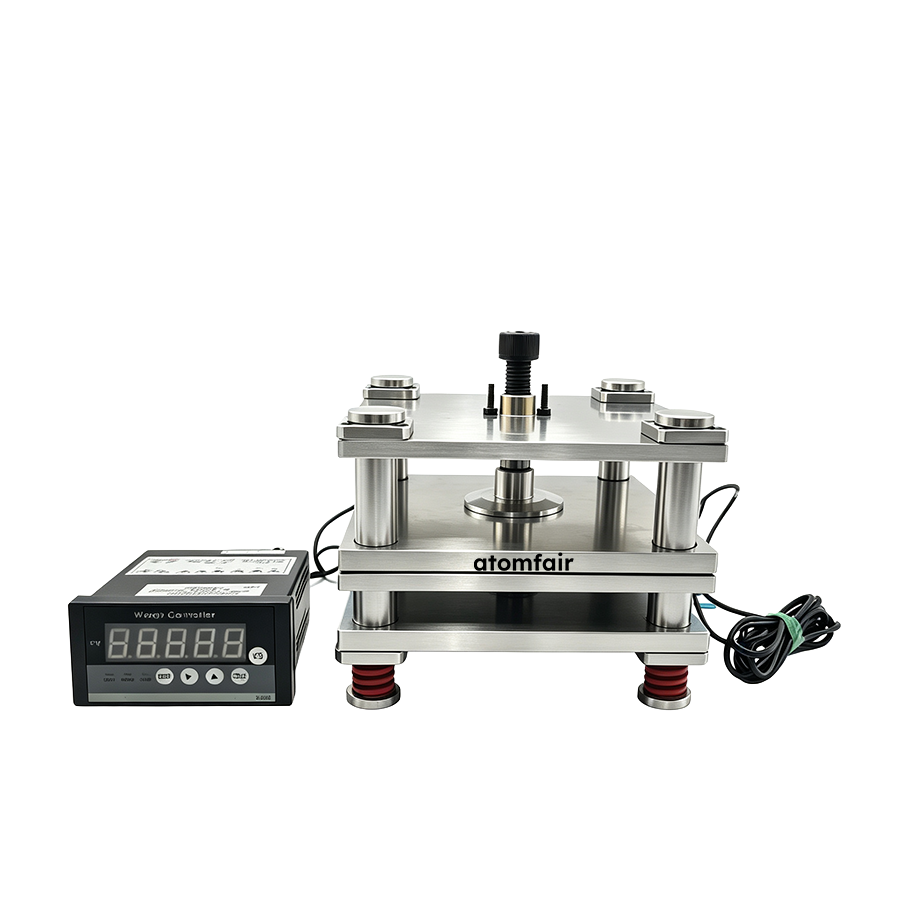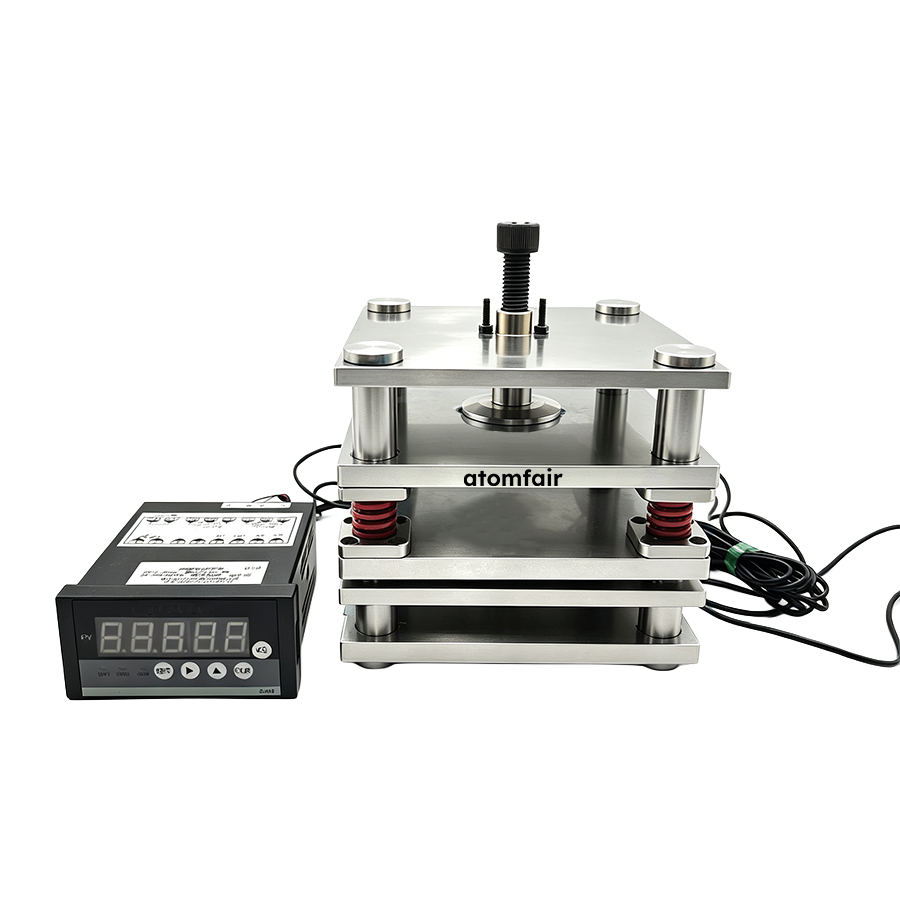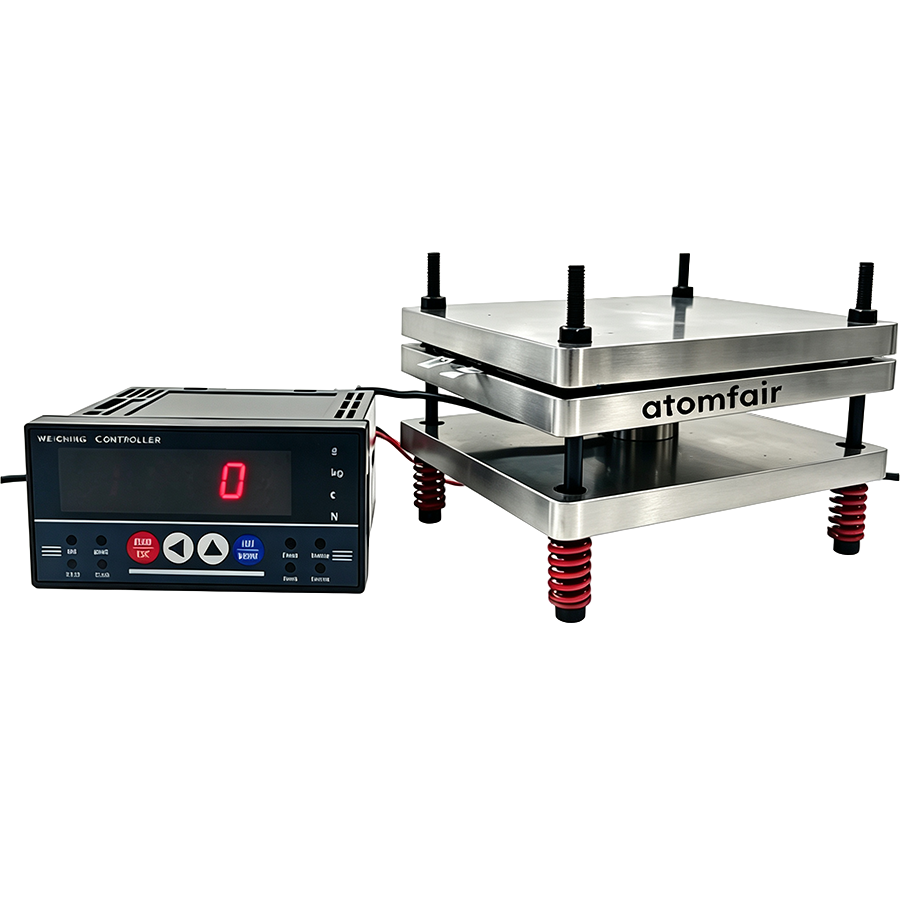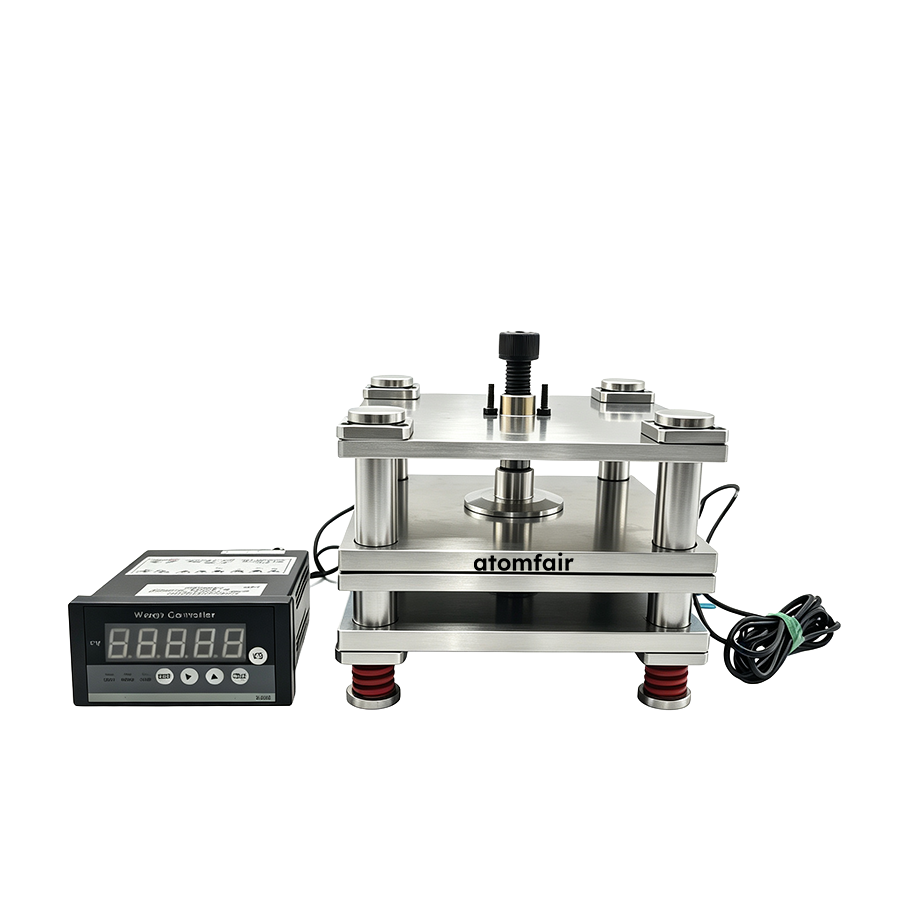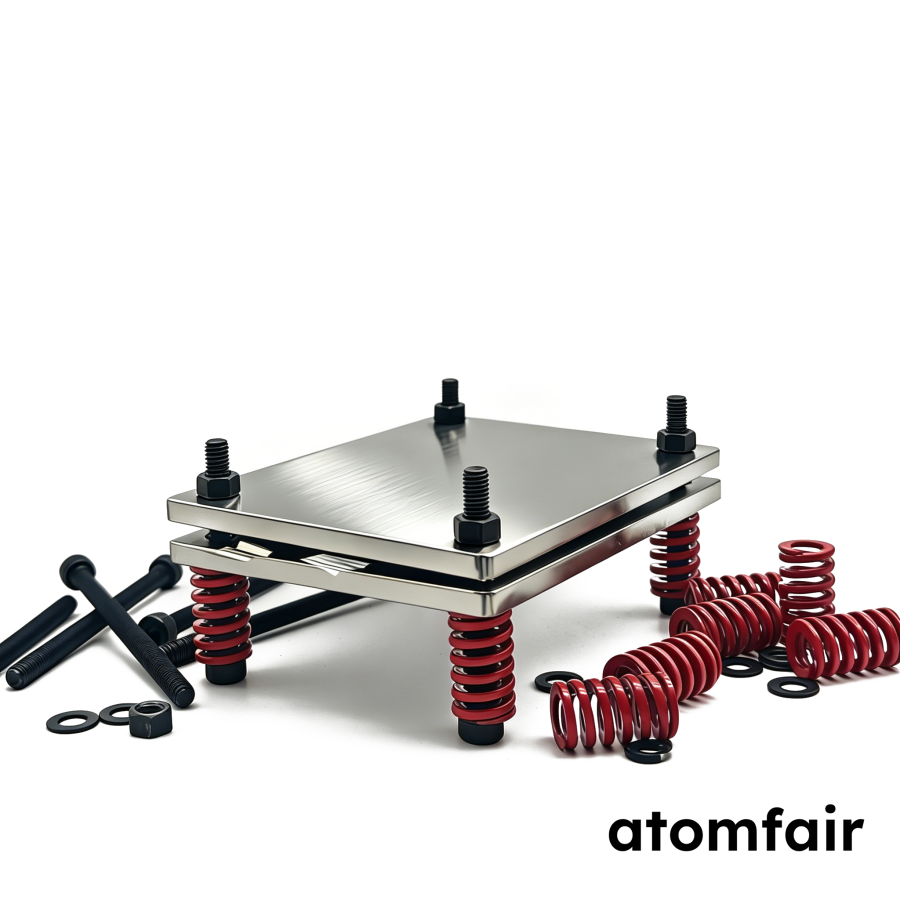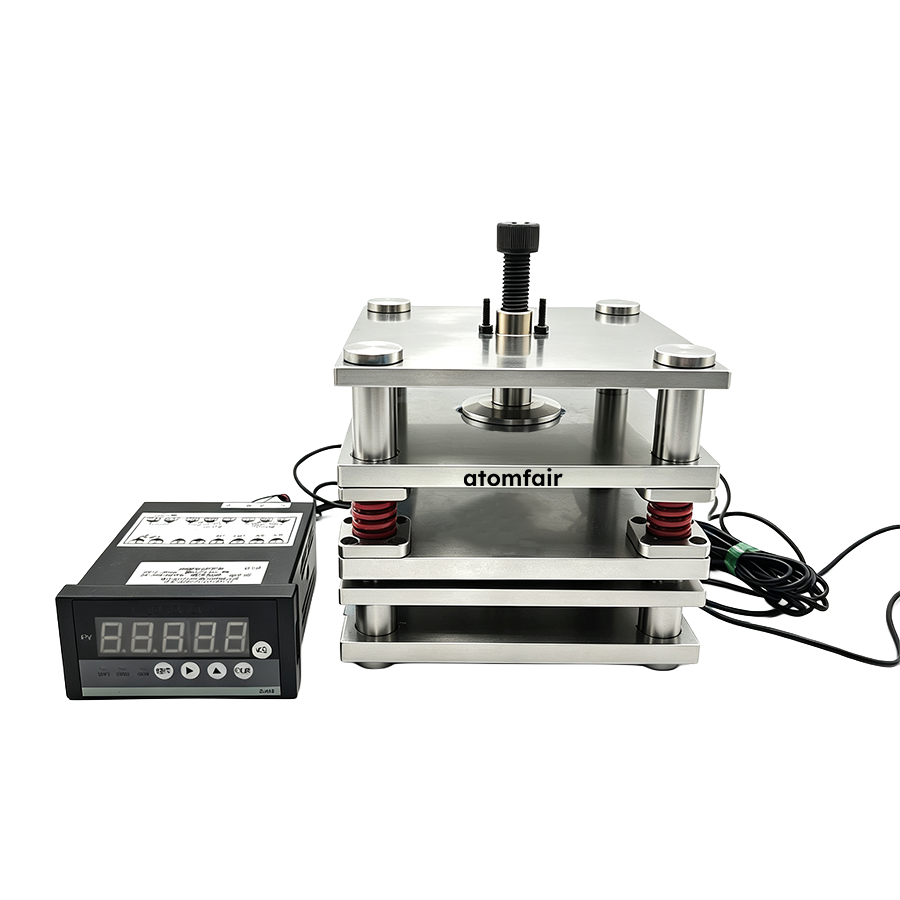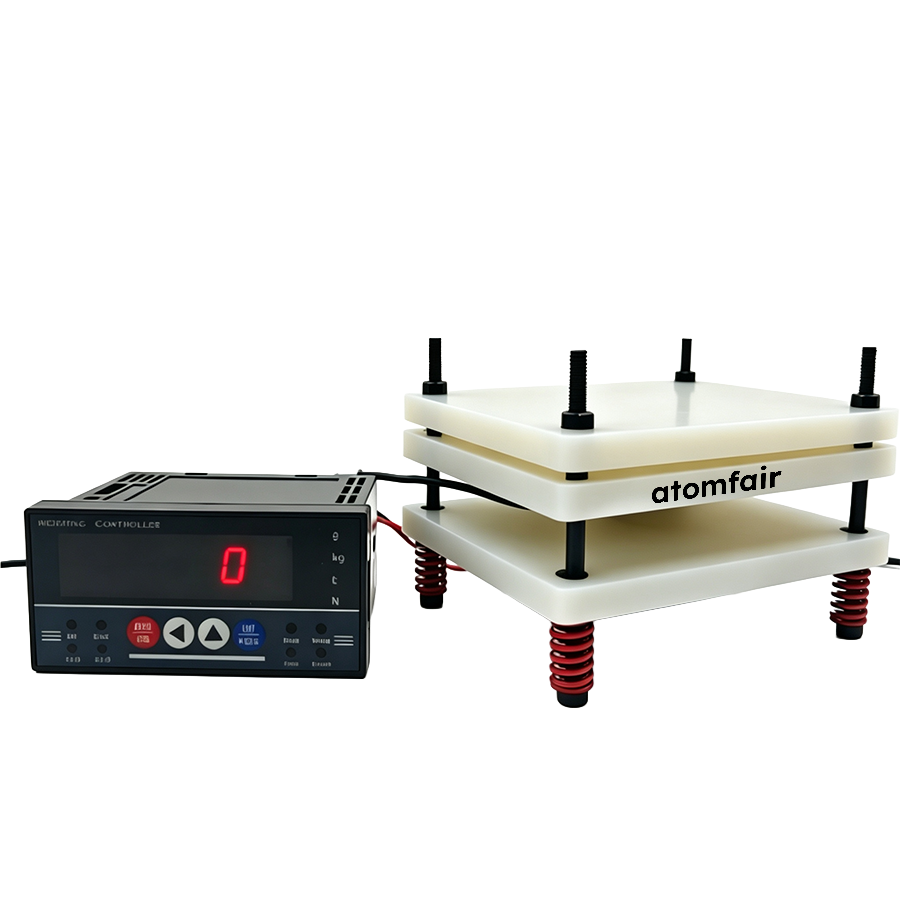
PP POLYPROPYLENE THREE-LAYER FIXTURE WITH PRESSURE SENSOR VERSIONRESEARCH GRADE EQUIPMENT
|
||||||||||||||||||||||||||||||||||||||||||||||||||||||||||||||||||||||||||||
|
||||||||||||||||||||||||||||||||||||||||||||||||||||||||||||||||||||||||||||
|
TAILORED SOLUTIONS FOR RESEARCH
Contact our engineering team for technical support or official institutional quotations.
EMAIL: inquiry@atomfair.com
|
||||||||||||||||||||||||||||||||||||||||||||||||||||||||||||||||||||||||||||
|
Manufacturer: Atomfair LLC
Brand: ATOMFAIR®
|
||||||||||||||||||||||||||||||||||||||||||||||||||||||||||||||||||||||||||||
This fixture imposes a maximum working load of 300kg to prevent structural damage. Cell dimensions must be at least 30mm smaller than the fixture length and width to ensure safe clamping and uniform pressure.
- Load Limit: The fixture must not be loaded beyond 300kg to avoid structural failure.
- Cell Size Rule: Cell length and width must be at least 30mm less than fixture dimensions to allow proper clamping clearance.
- Pressure Sensor Integration: The pressure sensor is an integral structural component; the data cable must be connected to external acquisition equipment for real-time monitoring.
- Material Selection: Only electrolyte-resistant materials such as PP should be used for low-pressure cycle testing to prevent swelling and maintain data integrity.
- Spacing Adjustment: Three-layer spacing must be adjusted according to cell thickness to ensure uniform pressure distribution across all layers.
How does the 200kg standard working pressure of the PP three-layer fixture compare to the 300kg customizable limit, and what are the trade-offs between pressure capacity and structural integrity for PP material?
The standard working pressure is 200 kg, customizable up to 300 kg, but the maximum load must not exceed 300 kg to avoid structural damage. PP is ultra-lightweight, fully electrolyte-resistant, and non-conductive, but its load-bearing capacity is lower than metal alternatives like stainless steel. The trade-off is reduced pressure capability for improved chemical safety, scratch-proofing, and interference-free pressure sensor data.
What are the exact dimensional constraints for integrating a pouch cell into the ATM-PCBT-PP-3L fixture, and how does the size rule affect battery selection?
The fixture size rule states that the maximum cell length and width equal the fixture length and width minus 30 mm. For example, the 10*78*105 mm fixture accommodates cells ≤12*48*75 mm. Three-layer spacing is adjustable according to cell thickness (0.1–2 cm). Therefore, battery selection must ensure that cell dimensions are at least 30 mm shorter in both length and width than the chosen fixture size and within the thickness range.
How does the integrated pressure sensor in the PP three-layer fixture prevent data interference, and what external equipment is required for real-time pressure monitoring?
The non-conductive PP framework prevents pressure sensor data interference, and the sensor is an essential structural component in the three-layer design. A data cable connects the sensor to external acquisition equipment for real-time pressure monitoring. The fixture is ultra-lightweight and fully electrolyte-resistant, ensuring that the pressure measurement remains stable and uncorrupted during cycling tests.
The ATM-PCBT-PP-3L PP three-layer fixture with integrated pressure sensing layer provides real-time pressure monitoring and chemical resistance for low-pressure pouch cell cycle testing, but is load-limited to 300kg maximum to avoid structural damage.
Positive
- Integrated real-time pressure monitoring: The three-layer fixture includes a dedicated pressure sensing layer with an external cable connection, enabling continuous pressure data acquisition while preventing electrical interference with sensor signals.
- Chemically inert and scratch-proof PP construction: The ultra-lightweight polypropylene body is fully resistant to electrolyte swelling and scratching, protecting battery cell films during low-pressure cycle testing without compromising data integrity.
Trade-offs
- Limited maximum working pressure: The standard working pressure is 200 kg, with a customizable maximum of 300 kg. Exceeding 300 kg risks structural damage to the PP fixture, restricting use to low-pressure test regimes.
- Optimized for low-pressure application only: The PP three-layer structure is specifically designed for low-pressure pouch cell cycle testing; high-pressure or long-cycle applications may require alternative materials such as 316 stainless steel.
Every advanced material, component, equipment, and instrument in our catalog is backed by rigorous testing. We maintain strict internal quality management frameworks and align with CE conformity metrics to deliver transparent, reproducible performance data via our public open-science repository.
To request raw batch performance data, submit formal vendor registration paperwork, or execute a fast-turnaround R&D manufacturing loop, contact us at inquiry@atomfair.com.
Item is dispatched under the Atomfair Shipping & Delivery Framework (Free worldwide shipping on orders over $59 USD excl. heavy equipment). Return is governed by the Atomfair Return & Refund Policy (7-day technical return window).