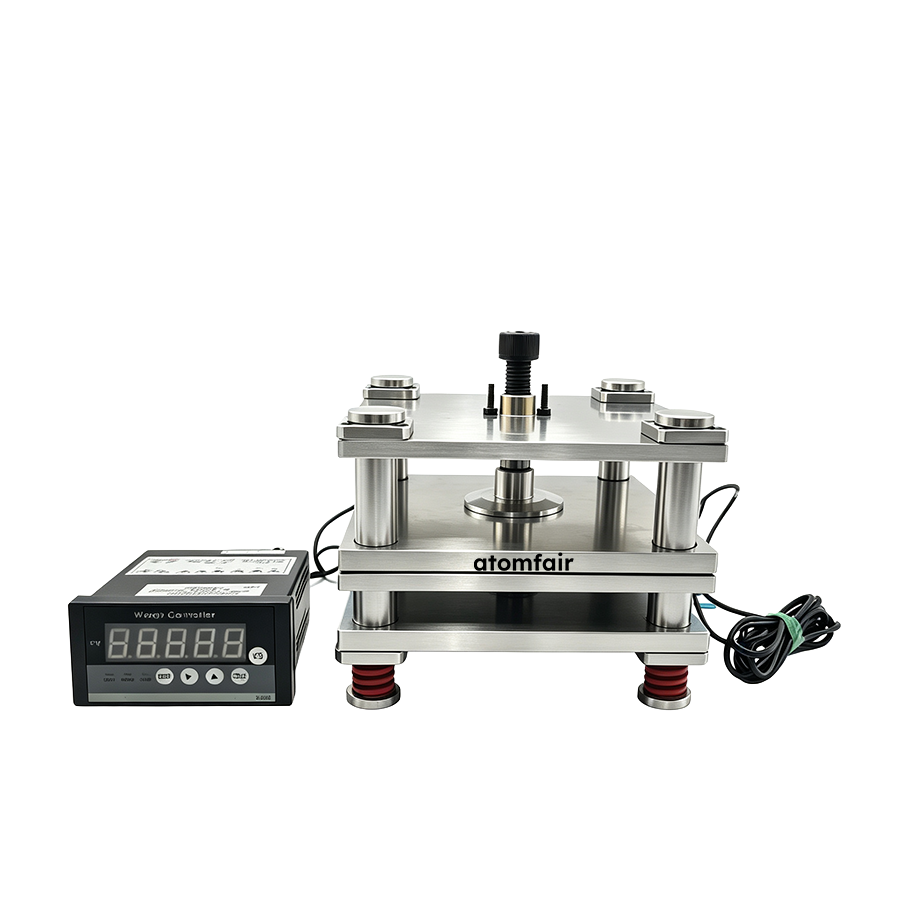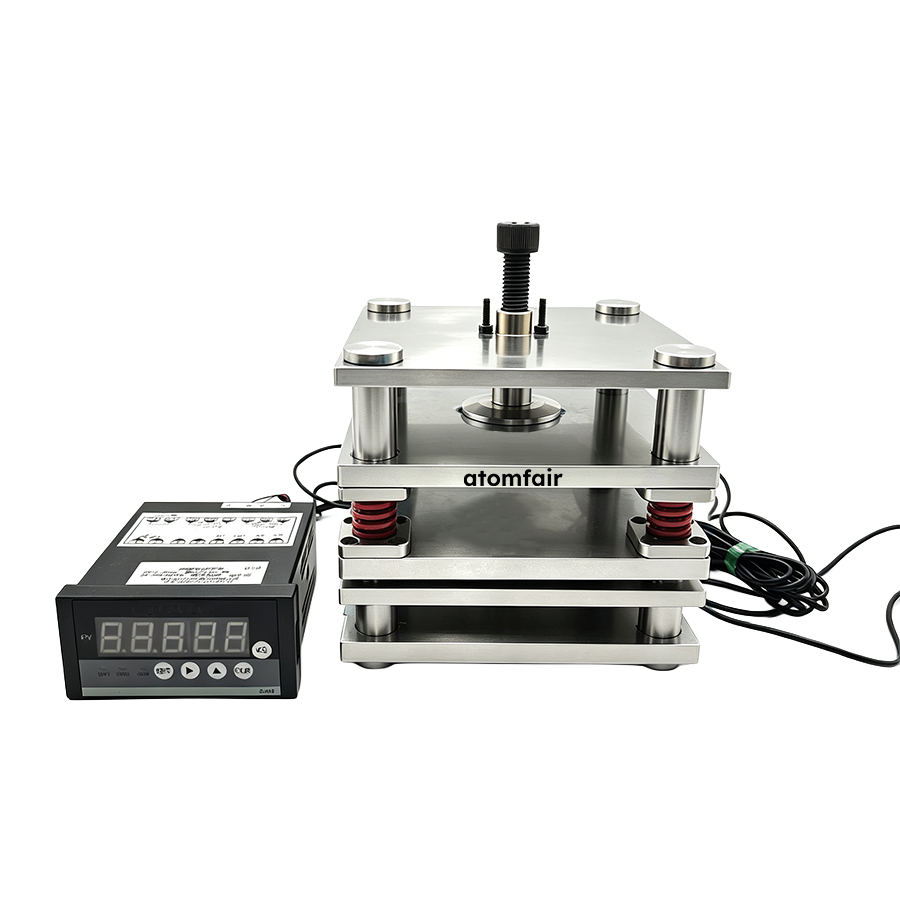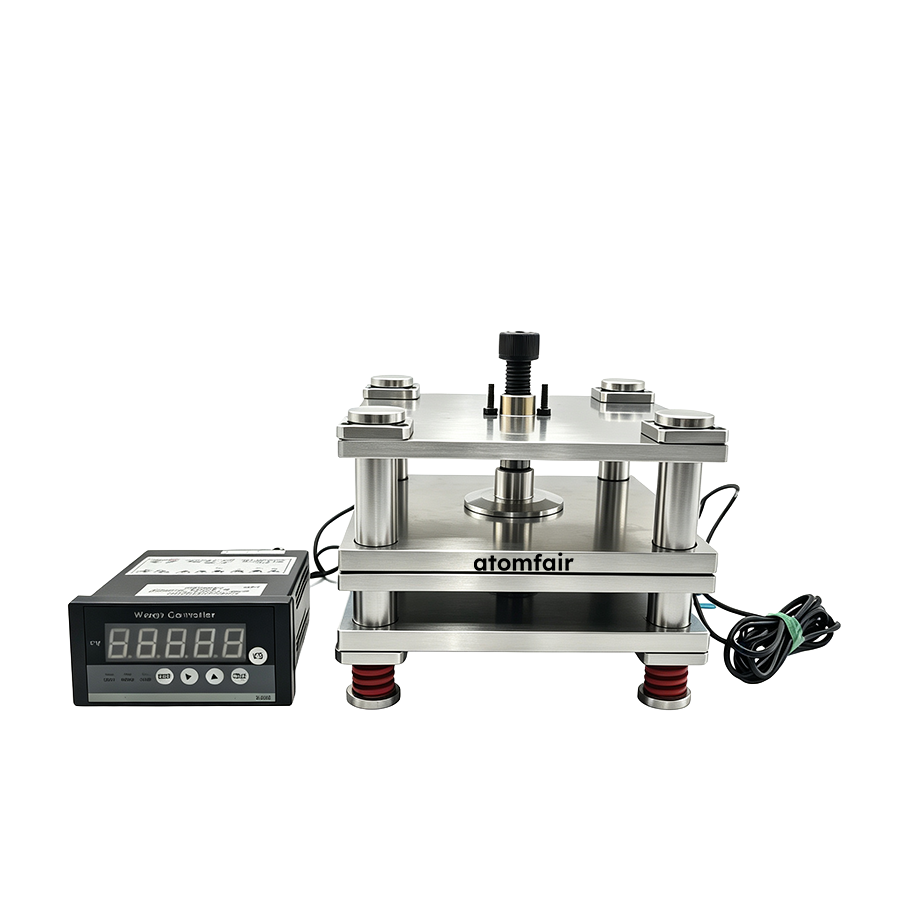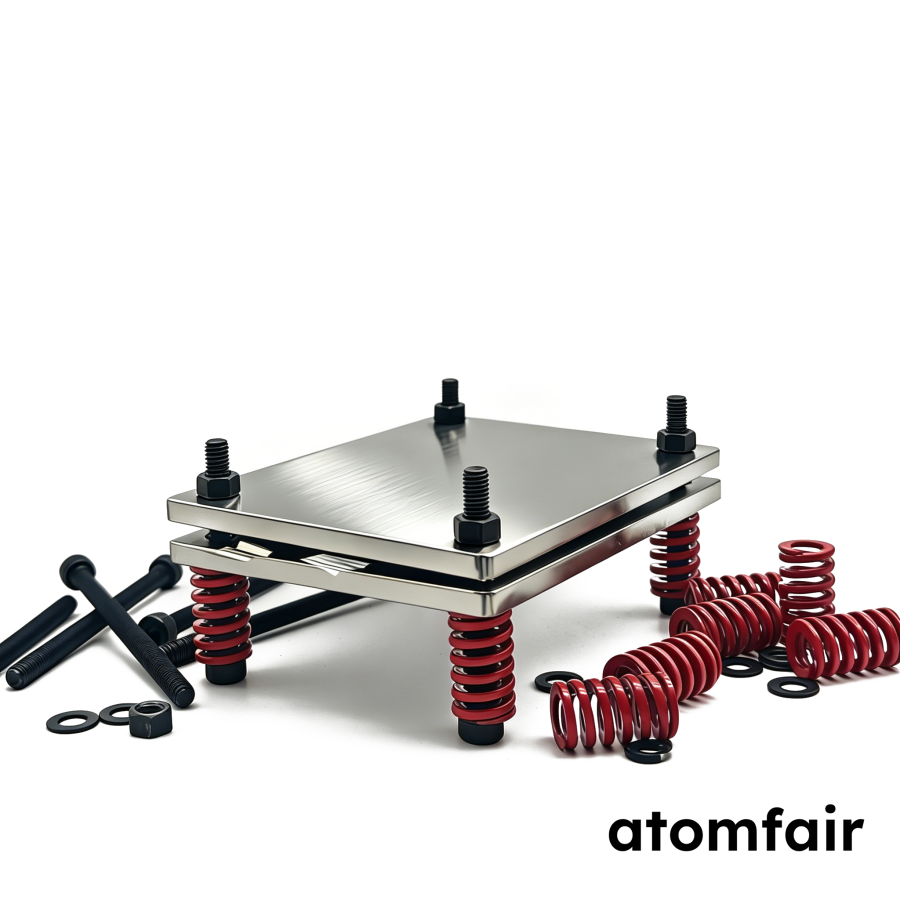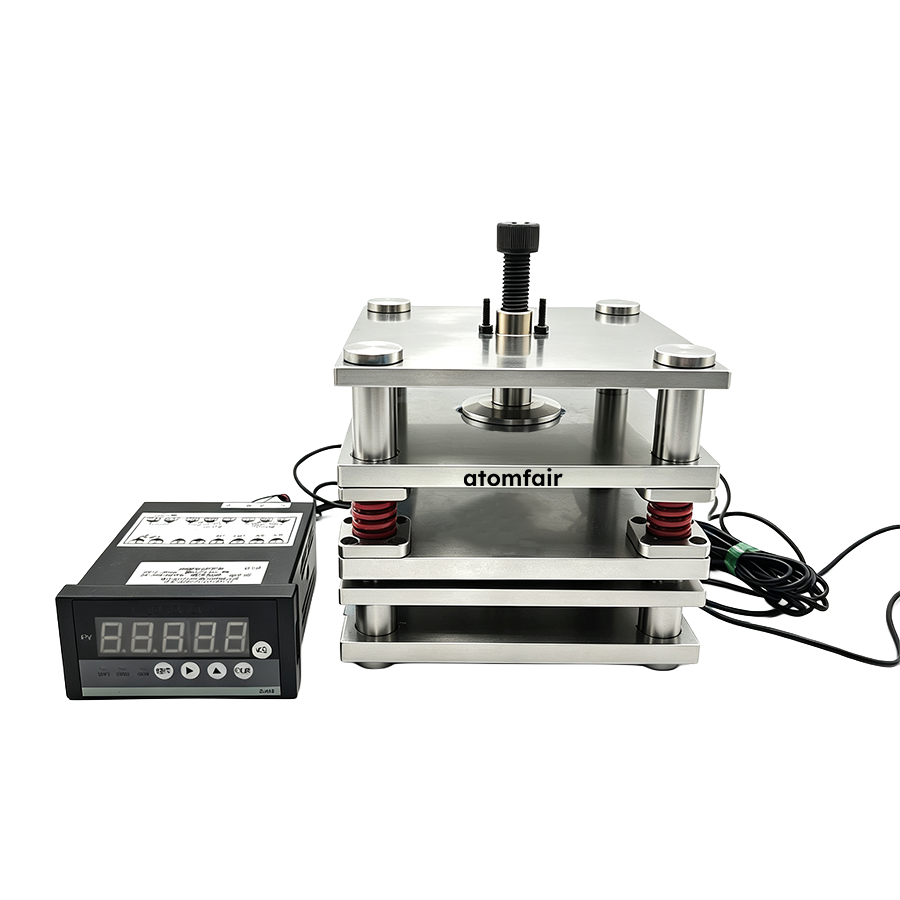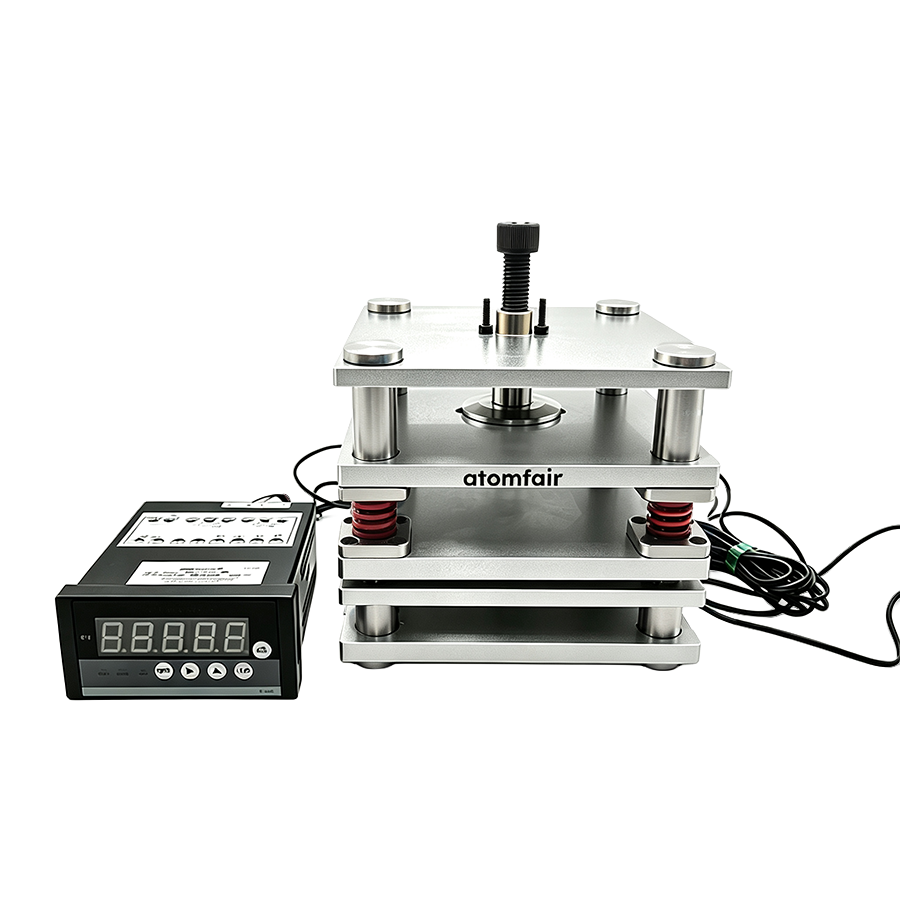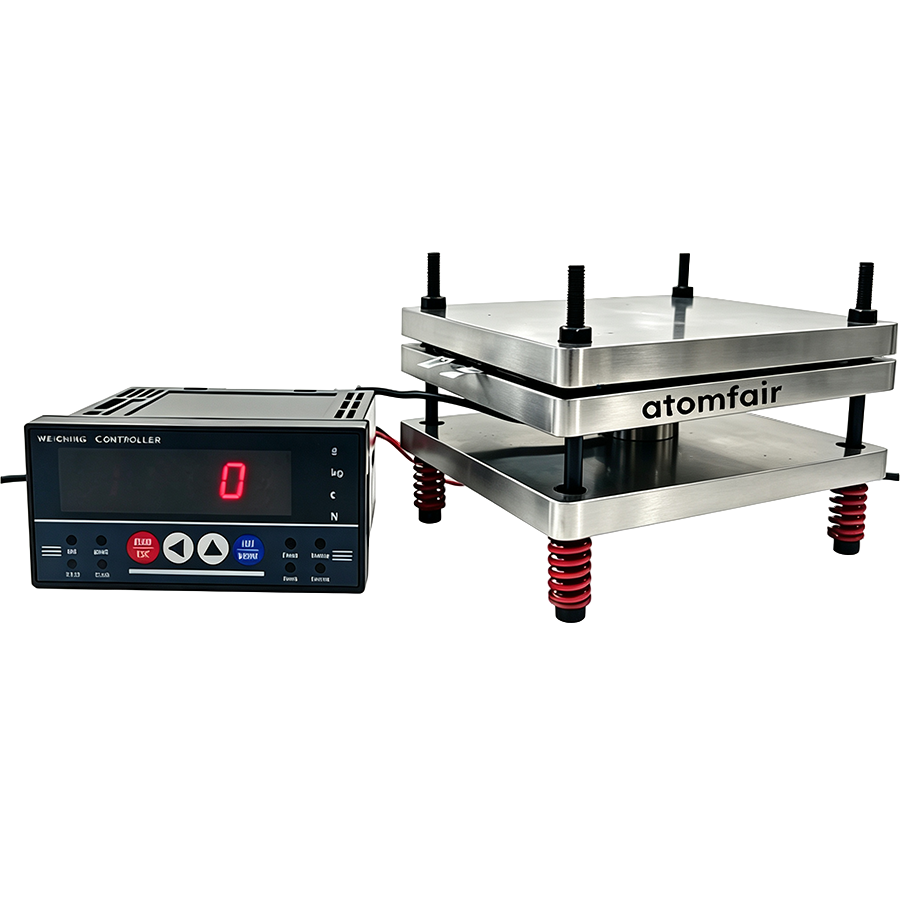
316 STAINLESS STEEL THREE-LAYER FIXTURE WITH PRESSURE SENSOR VERSIONRESEARCH GRADE EQUIPMENT
|
||||||||||||||||||||||||||||||||||||||||||||||||||||||||||||||||||||||||
|
||||||||||||||||||||||||||||||||||||||||||||||||||||||||||||||||||||||||
|
TAILORED SOLUTIONS FOR RESEARCH
Contact our engineering team for technical support or official institutional quotations.
EMAIL: inquiry@atomfair.com
|
||||||||||||||||||||||||||||||||||||||||||||||||||||||||||||||||||||||||
|
Manufacturer: Atomfair LLC
Brand: ATOMFAIR®
|
||||||||||||||||||||||||||||||||||||||||||||||||||||||||||||||||||||||||
This fixture requires precise sizing where cell length and width must be exactly 30 mm less than fixture dimensions. Material selection must account for electrolyte compatibility; 316 stainless steel is recommended for leakage or immersion testing.
- Size Constraint: Cell dimensions must equal fixture dimensions minus 30 mm in both length and width.
- Material Compatibility: 316 stainless steel provides optimal corrosion resistance for electrolyte leakage or immersion testing.
- Pressure Adjustment: Working pressure is standard at 400 kg and can be customized up to 600 kg depending on structural load capacity.
- Sensor Integration: The pressure sensor data cable must be connected to external acquisition equipment to enable real-time monitoring without data interference.
- Spacing Adjustment: Three-layer spacing must be adjusted according to cell thickness within the range of 0.1–2 cm.
This procedure describes the correct setup of the three-layer fixture with pressure sensor for pouch cell cycle testing. Follow these steps to ensure uniform pressure distribution and accurate data acquisition.
Required Equipment: External data acquisition system, Torque wrench
- Select Fixture Size
Select a fixture size such that the cell length and width are each 30 mm less than the fixture dimensions. - Adjust Spacing
Adjust the three-layer spacing to match the cell thickness within the range of 0.1–2 cm. - Place Cell
Place the pouch cell into the fixture ensuring proper alignment between layers. - Tighten Screws
Tighten the four-corner screws evenly using a torque wrench to achieve the standard working pressure of 400 kg. - Connect Sensor
Connect the pressure sensor data cable to an external data acquisition system for real-time monitoring. - Verify Pressure
Verify uniform pressure distribution across all three layers before starting the cycle test.
What is the trade-off between operating the 316 stainless steel three-layer fixture at 600 kg versus the standard 400 kg working pressure for long-cycle pouch cell testing?
The fixture is designed for a standard working pressure of 400 kg, customizable up to 600 kg with adaptation to the three-layer load-bearing capacity. Operating at 600 kg may increase structural stress, but the three-layer synchronous clamping, die spring buffers, and 316 stainless steel construction ensure uniform pressure distribution and stability for long-cycle runs at either pressure level.
Which standard fixture size variant accommodates a pouch cell with dimensions 100 mm x 130 mm and a thickness of 1.5 cm, and does it require customization?
According to the size rule, fixture length and width must be at least 30 mm larger than the cell dimensions. For a 100×130 mm cell, a fixture of at least 130×160 mm is needed. The standard 12*150*180 mm variant provides max cell dimensions of ≤26x120x150 mm, accommodating a 100×130 mm cell within its width and length limits. The three-layer spacing can be adjusted to 1.5 cm, as the compatible battery thickness range is 0.1–2 cm, so no customization is required for this variant.
How does the integrated pressure sensor in the three-layer fixture prevent data interference, and what external acquisition setup is needed?
The pressure sensor is an essential structural component of the three-layer fixture, with its data cable connected to external acquisition equipment for real-time monitoring. The fixture's non-magnetic 316 stainless steel construction and three-layer structure are designed to prevent sensor data interference. The product description does not specify additional grounding or shielding requirements, but the integrated design aims to mitigate interference issues.
The ATM-PCBT-SS316-3L three-layer fixture integrates a pressure sensing layer for real-time monitoring, providing uniform pressure distribution up to 600 kg via die spring buffers and 4-corner locking. Its 316 stainless steel construction offers optimal corrosion resistance for leakage testing, but cell dimensions are tightly constrained by the fixture size rule and thickness limit of 2 cm.
Positive
- Integrated pressure sensing layer: The pressure sensor is an essential structural component that enables real-time pressure monitoring via external acquisition cables, reducing data interference risk during long-cycle tests.
- Uniform pressure for long-cycle stability: Three-layer synchronous clamping with 4-corner screw locking and die spring buffers delivers highly uniform pressure distribution (400–600 kg), essential for reproducible cycle testing and cell validation.
Trade-offs
- Cell size limited by fixture rule: Maximum cell length and width must equal fixture dimensions minus 30 mm, restricting usable cell sizes per chosen fixture variant and requiring careful pre-selection.
- Thickness range restricted to 2 cm: Compatible battery thickness is limited to 0.1–2 cm, which may exclude thicker pouch cells or multi-layer electrode stacks common in high-energy-density research.
Every advanced material, component, equipment, and instrument in our catalog is backed by rigorous testing. We maintain strict internal quality management frameworks and align with CE conformity metrics to deliver transparent, reproducible performance data via our public open-science repository.
To request raw batch performance data, submit formal vendor registration paperwork, or execute a fast-turnaround R&D manufacturing loop, contact us at inquiry@atomfair.com.
Item is dispatched under the Atomfair Shipping & Delivery Framework (Free worldwide shipping on orders over $59 USD excl. heavy equipment). Return is governed by the Atomfair Return & Refund Policy (7-day technical return window).