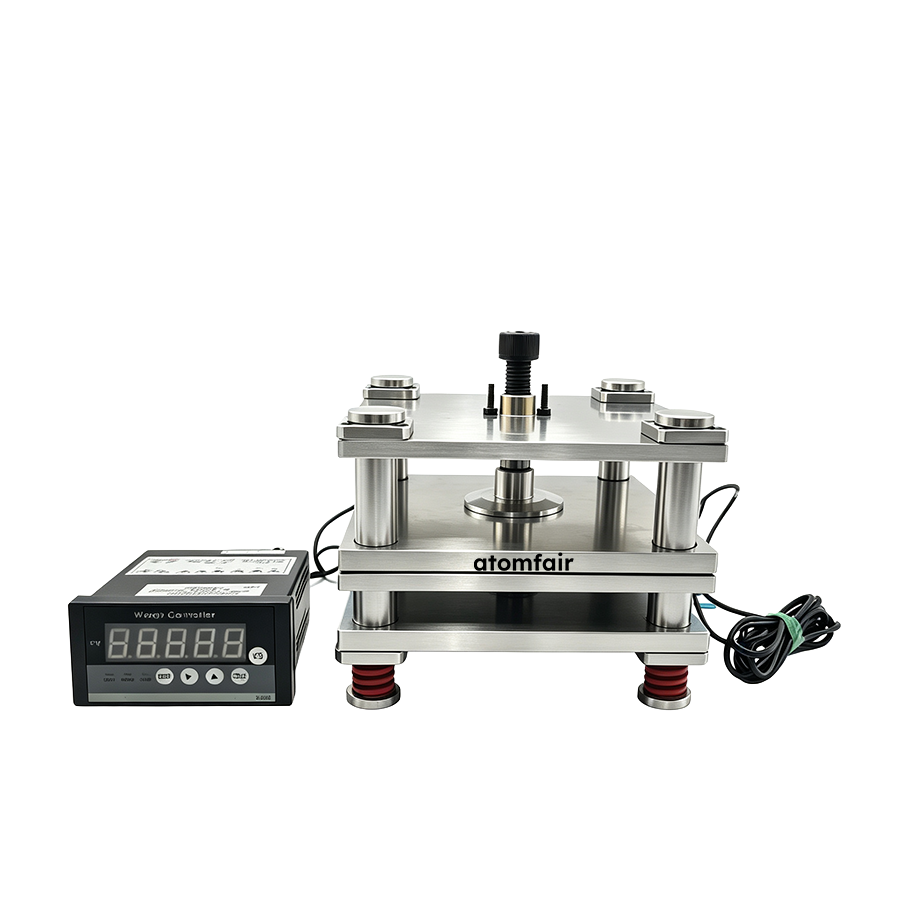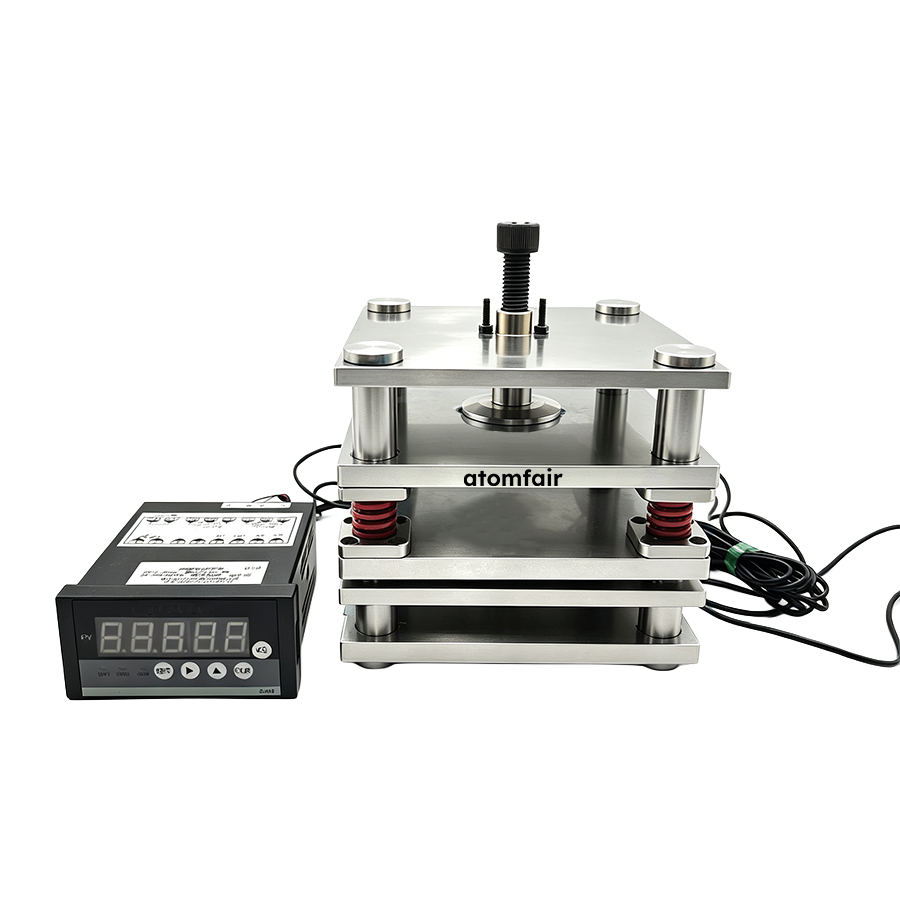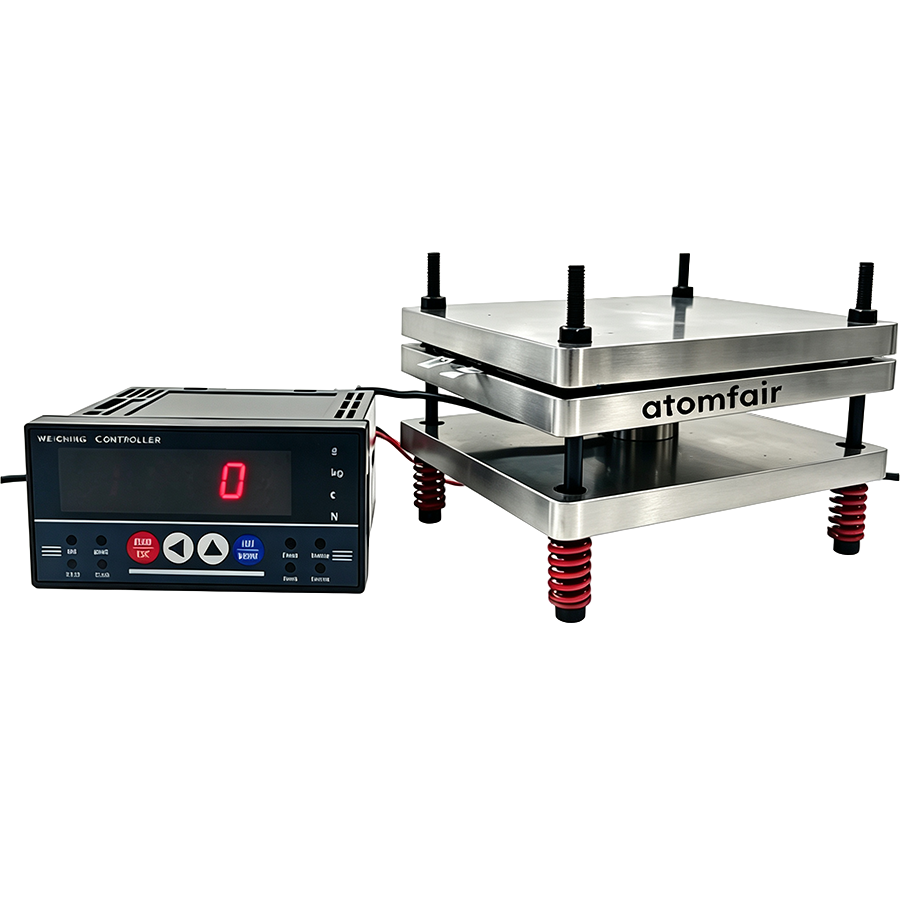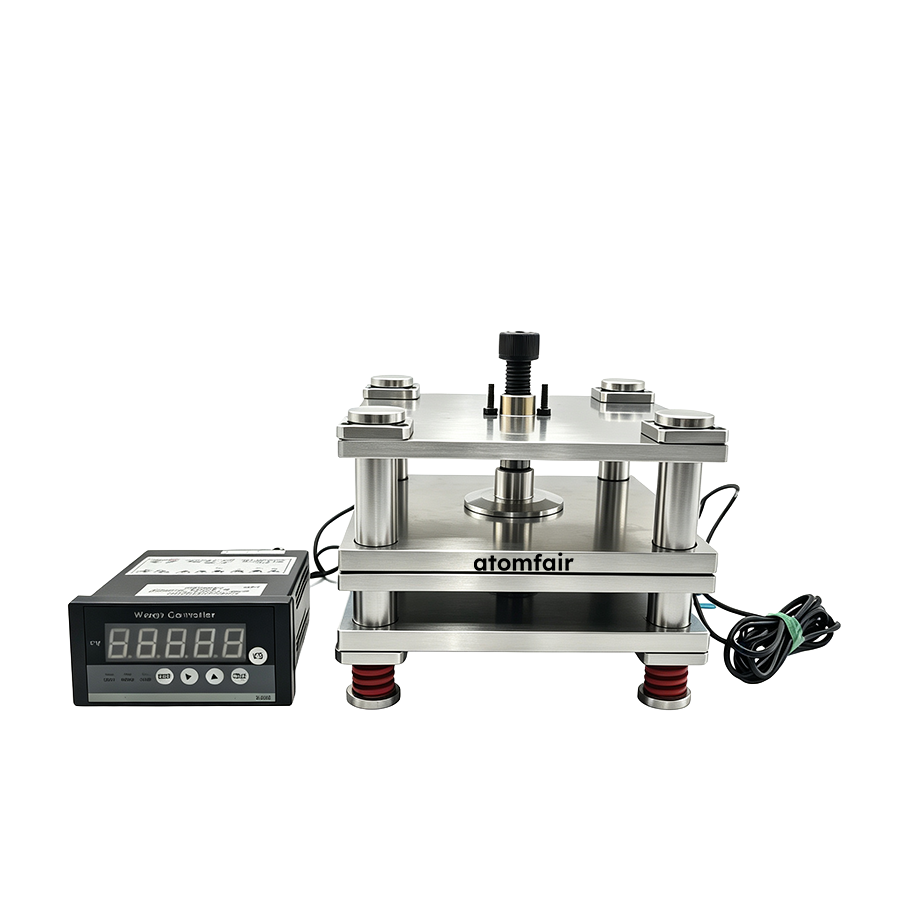
ATM-PCBT-6061AL-5L POUCH CELL CYCLE TEST FIXTURERESEARCH GRADE MECHANICAL EQUIPMENT
|
|||||||||||||||||||||||||||||||||||||||||||||||||||||||||||||||||||||
|
|||||||||||||||||||||||||||||||||||||||||||||||||||||||||||||||||||||
|
TAILORED SOLUTIONS FOR RESEARCH
Contact our engineering team for technical support or official institutional quotations.
EMAIL: inquiry@atomfair.com
|
|||||||||||||||||||||||||||||||||||||||||||||||||||||||||||||||||||||
|
Manufacturer: Atomfair LLC
Brand: ATOMFAIR®
|
|||||||||||||||||||||||||||||||||||||||||||||||||||||||||||||||||||||
This fixture must not exceed a maximum theoretical structural load of 500 kg to prevent mechanical failure. The anodized insulating layer requires avoidance of strong alkali or abrasive cleaning agents to maintain dielectric integrity.
- Load Limit: The standard working pressure is 350 kg with a customizable maximum structural load limit of 500 kg.
- Cleaning Restriction: Do not clean the fixture with strong alkali or abrasive chemical agents to preserve the anodized insulating layer.
- Dielectric Insulation: The hard-anodized coating provides calibrated surface insulation to prevent short circuits during high-voltage cycling.
- Material Compatibility: The default 6061-T6 aluminum alloy offers general electrolyte resistance, while optional materials provide enhanced corrosion resistance for specific electrolytes.
- Cell Thickness Range: The adjustable gap accommodates cell thicknesses from 0.1 cm to 3.5 cm across five layers.
How does the 6061-T6 aluminum alloy in the ATM-PCBT-6061AL-5L compare to stainless steel options in terms of weight, load capacity, and electrolyte resistance for pouch cell cycling?
The 6061-T6 aluminum alloy reduces tool weight by over 60% compared to steel, enabling seamless glovebox handling, but it offers only general electrolyte resistance, whereas 316 stainless steel provides optimal corrosion resistance for leakage or immersion testing. Both materials support the same standard working pressure of 350 kg (customizable up to 500 kg) and share the five-layer single-nut design. The 6061-T6 version is the default cost-effective option, while 316 stainless steel is recommended for harsh electrolyte exposure scenarios.
What is the maximum cell thickness and size range that the ATM-PCBT-6061AL-5L can accommodate across its five-layer grid?
The fixture supports an adjustable thickness gap from 0.1 cm to 3.5 cm for individual cells, and the maximum cell footprint depends on the selected size variation. Available size matrices range from 10×78×105 mm (max cell size ≤12×48×75 mm) up to 12×150×180 mm (max cell size ≤36×120×150 mm), with all variations capable of handling the standard 350 kg or 500 kg load limits. The five-layer structure allows simultaneous cycling of up to five multi-layer pouch cells within these dimensional constraints.
What precautions are required to maintain the dielectric insulation of the anodized coating on the ATM-PCBT-6061AL-5L fixture?
To preserve the anodized insulating layer, do not clean the fixture with strong alkali or abrasive chemical agents. Additionally, do not exceed the 500 kg maximum theoretical structural load limit to avoid compromising the calibrated surface dielectric safety. These precautions are essential to prevent short circuits and ensure reliable insulation during high-voltage cycle testing.
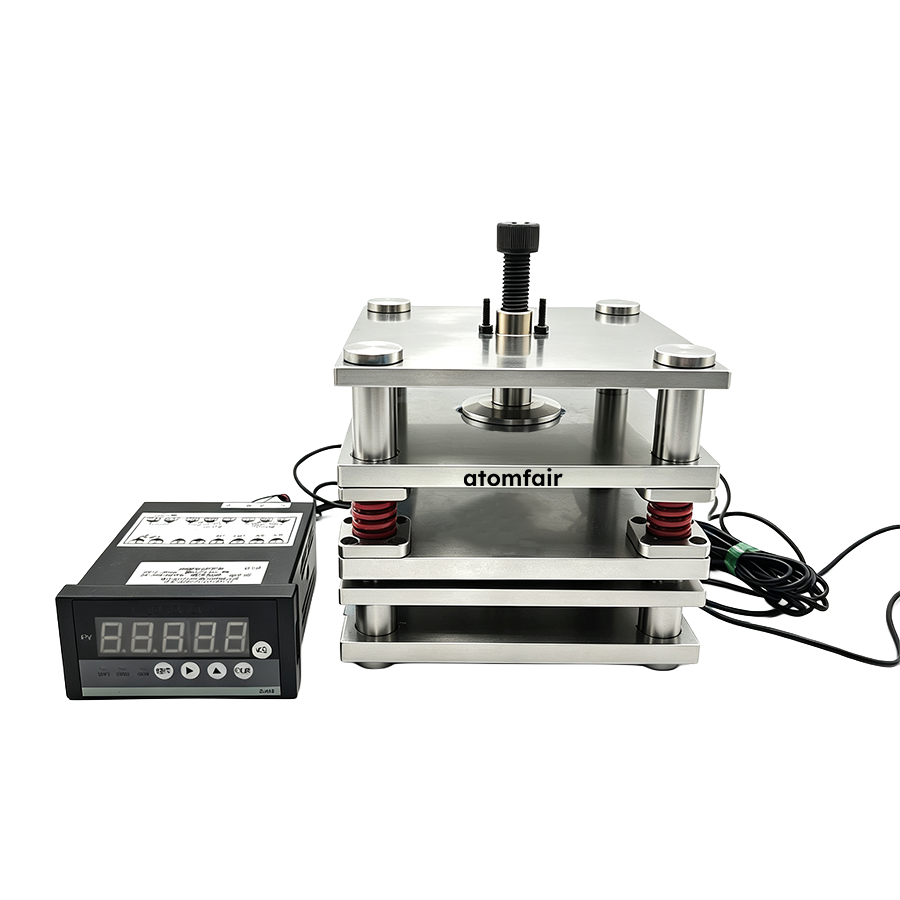
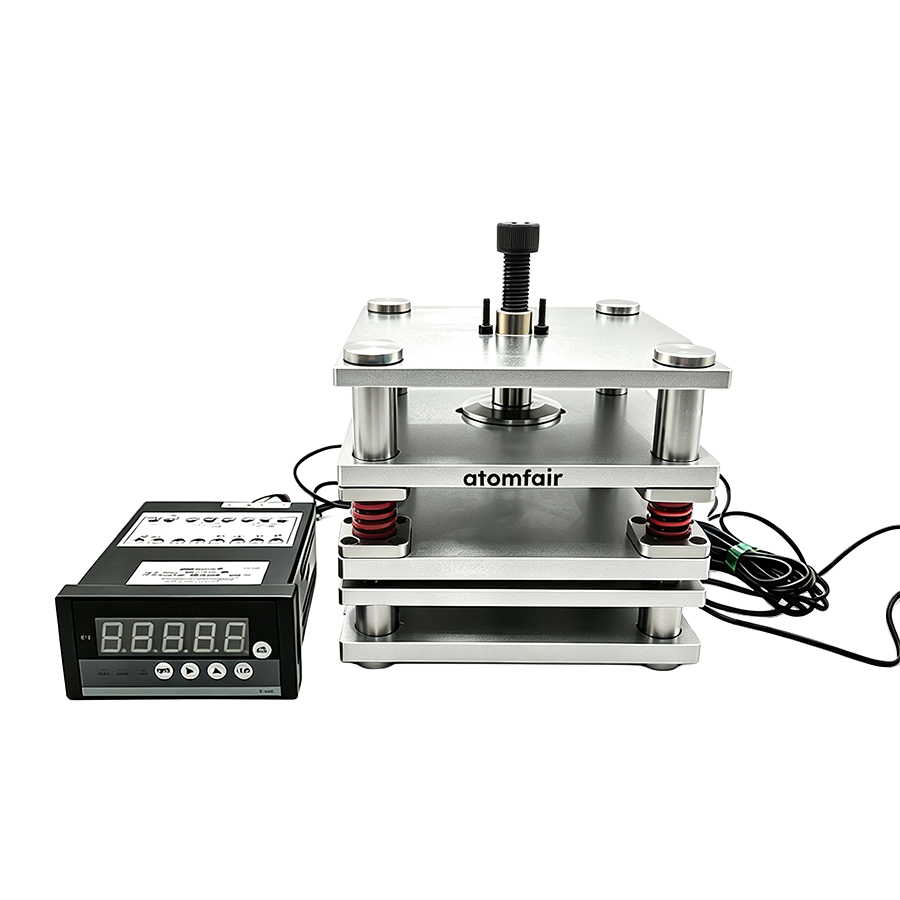
The ATM-PCBT-6061AL-5L is a lightweight five-layer pouch cell cycle test fixture that combines a 6061-T6 aluminum frame with single-nut pressure regulation for uniform compression across up to five cells, though the anodized surface requires careful chemical handling and the default alloy offers only moderate electrolyte resistance.
Positive
- Over 60% weight reduction versus steel: Aerospace-grade 6061-T6 aluminum alloy reduces tool weight by over 60% compared to steel, enabling easier glovebox handling without sacrificing structural integrity.
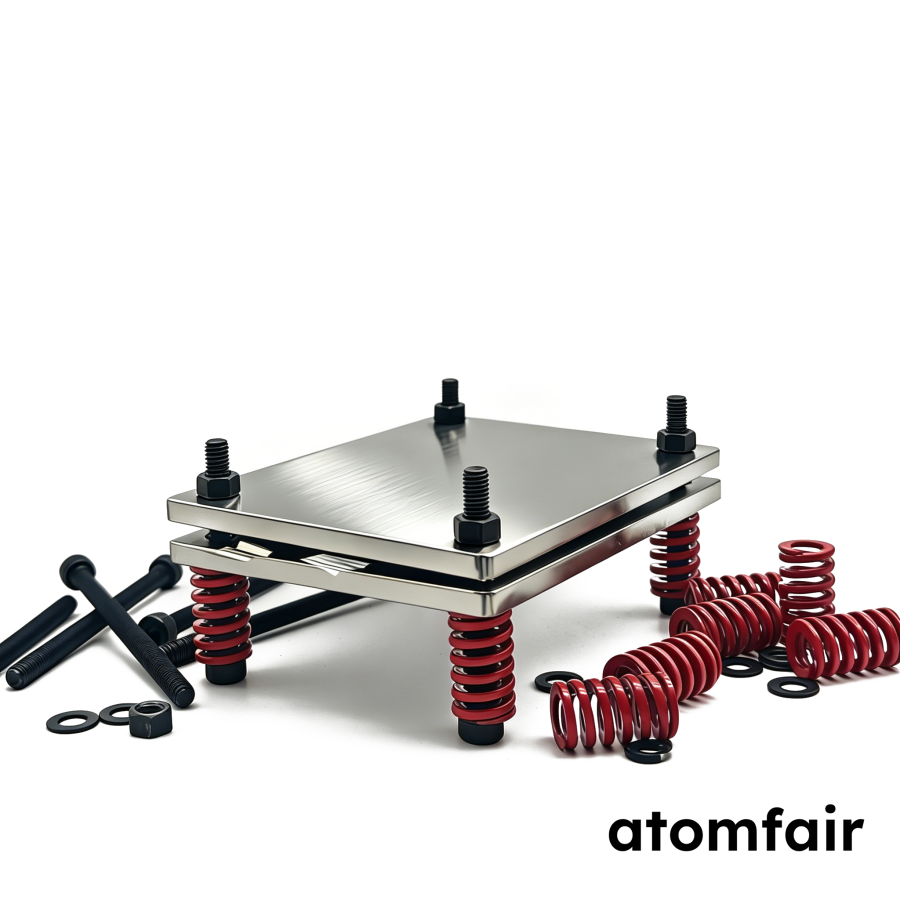
- Single-nut locking for uniform pressure: The integrated single-nut locking mechanism combined with die-spring displacement buffers ensures uniform face-to-face compression across all five grids, eliminating localized stress concentrations during cycling.
Trade-offs
- Anodized coating cleaning restrictions: To preserve the anodized insulating layer, cleaning with strong alkali or abrasive chemical agents is prohibited; only compatible cleaning methods must be used.
- General electrolyte resistance only: The default 6061-T6 alloy provides only general electrolyte resistance; for applications involving electrolyte splash or immersion, higher corrosion-resistant materials such as 5052 aluminum or 316 stainless steel are recommended.
Every advanced material, component, equipment, and instrument in our catalog is backed by rigorous testing. We maintain strict internal quality management frameworks and align with CE conformity metrics to deliver transparent, reproducible performance data via our public open-science repository.
To request raw batch performance data, submit formal vendor registration paperwork, or execute a fast-turnaround R&D manufacturing loop, contact us at inquiry@atomfair.com.
Item is dispatched under the Atomfair Shipping & Delivery Framework (Free worldwide shipping on orders over $59 USD excl. heavy equipment). Return is governed by the Atomfair Return & Refund Policy (7-day technical return window).