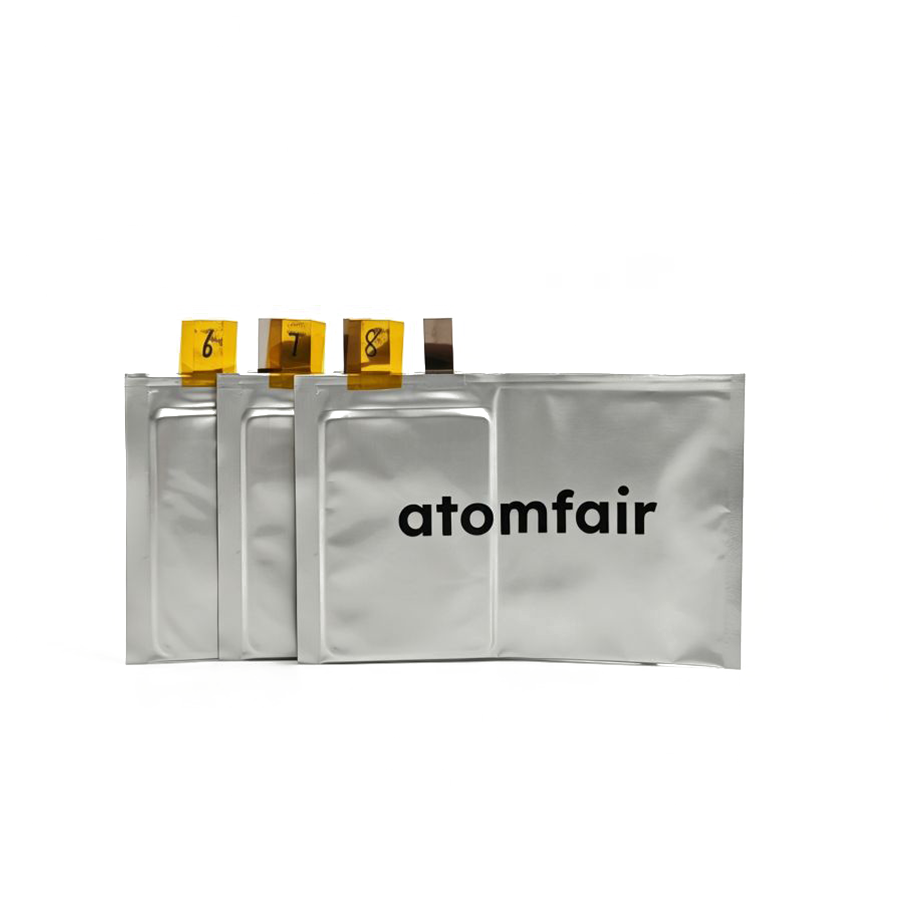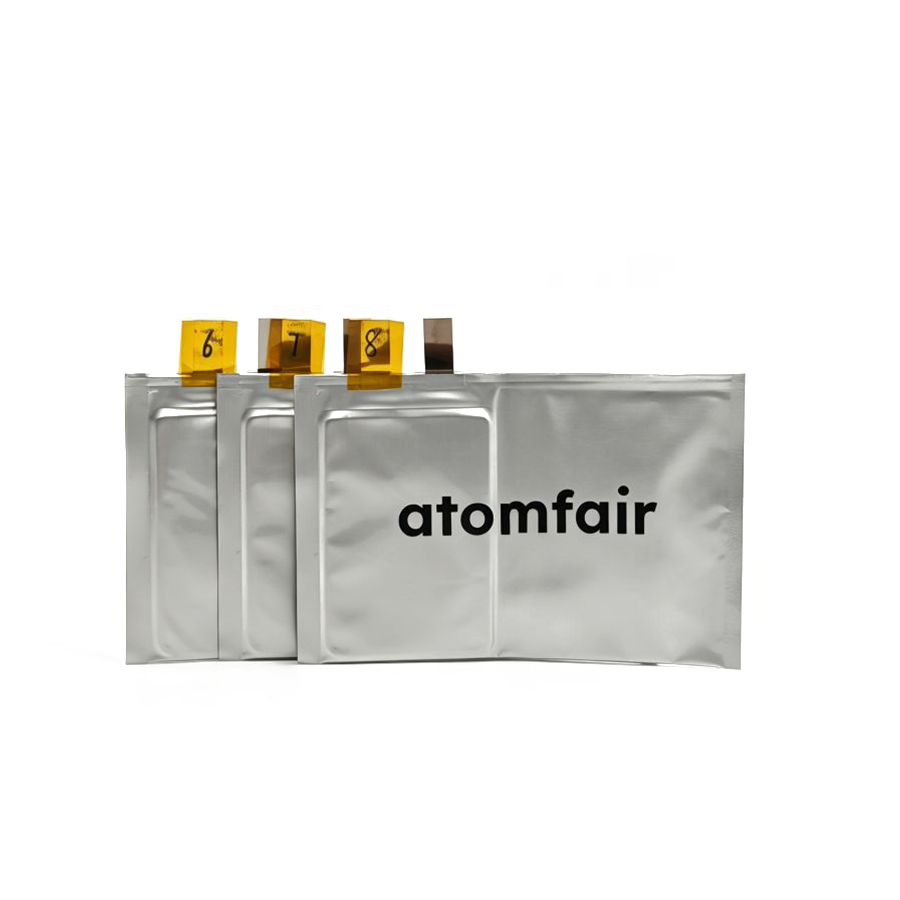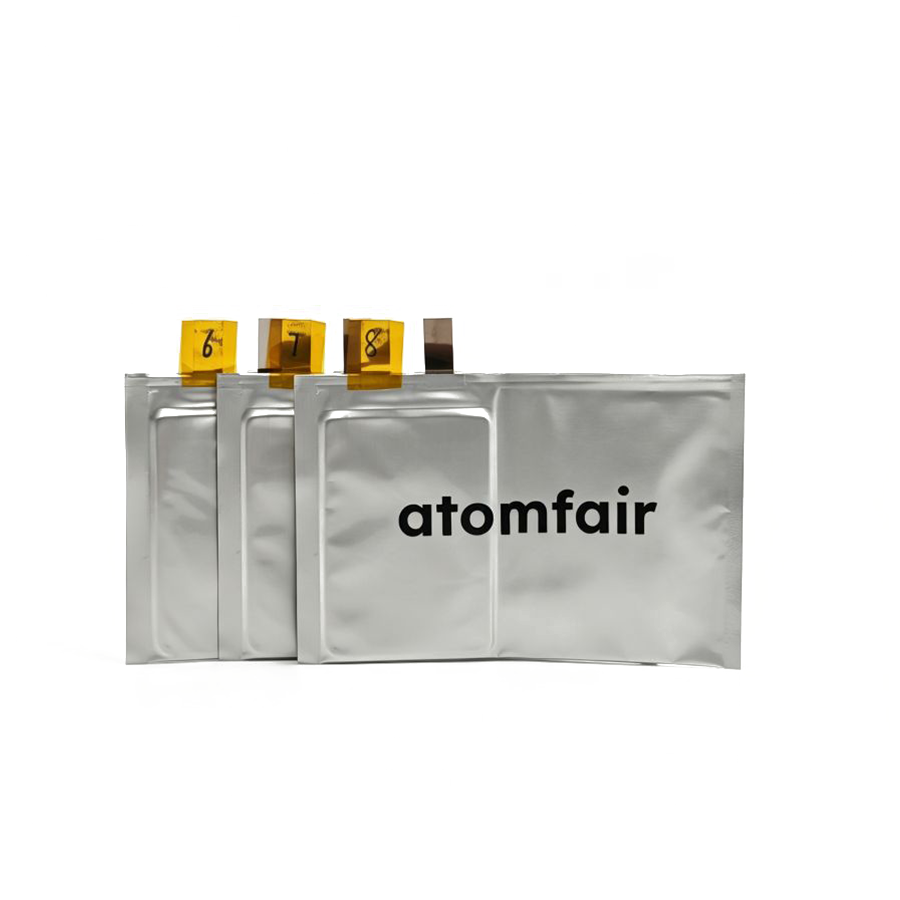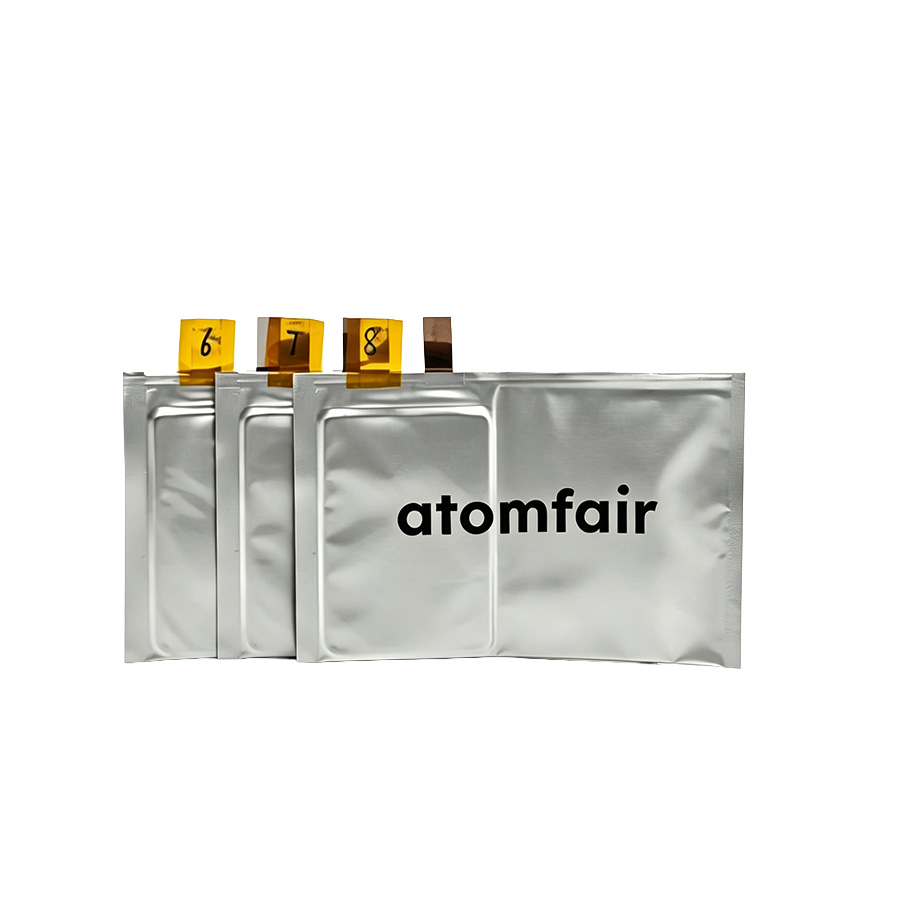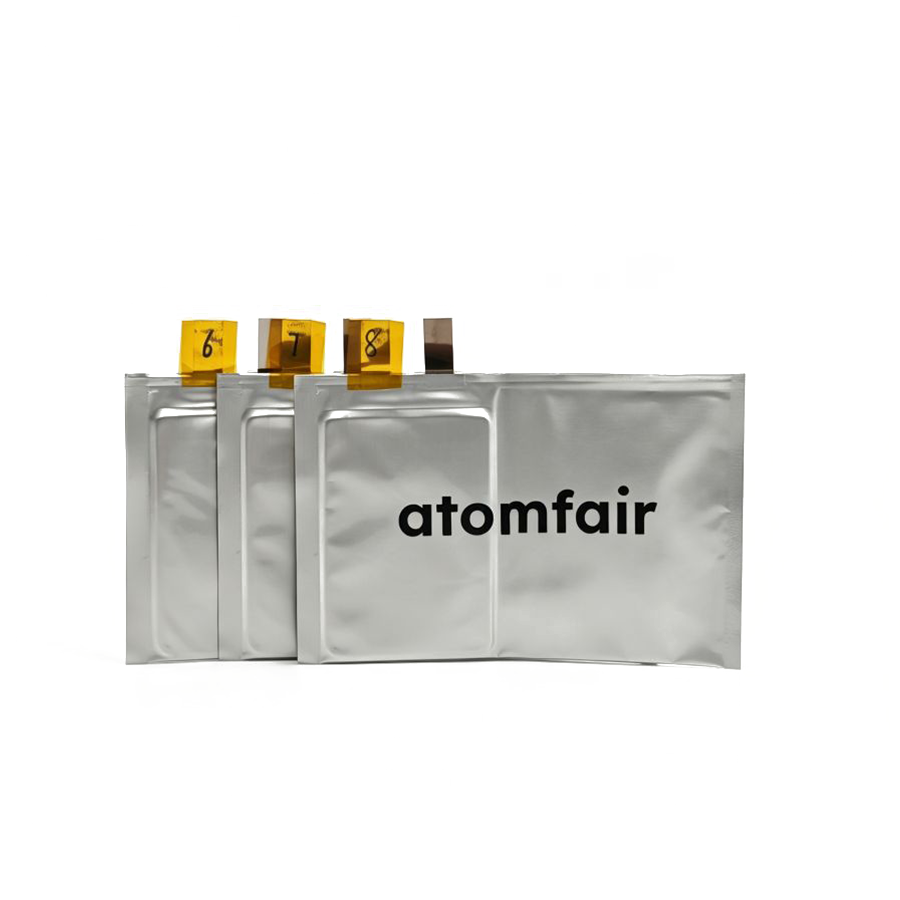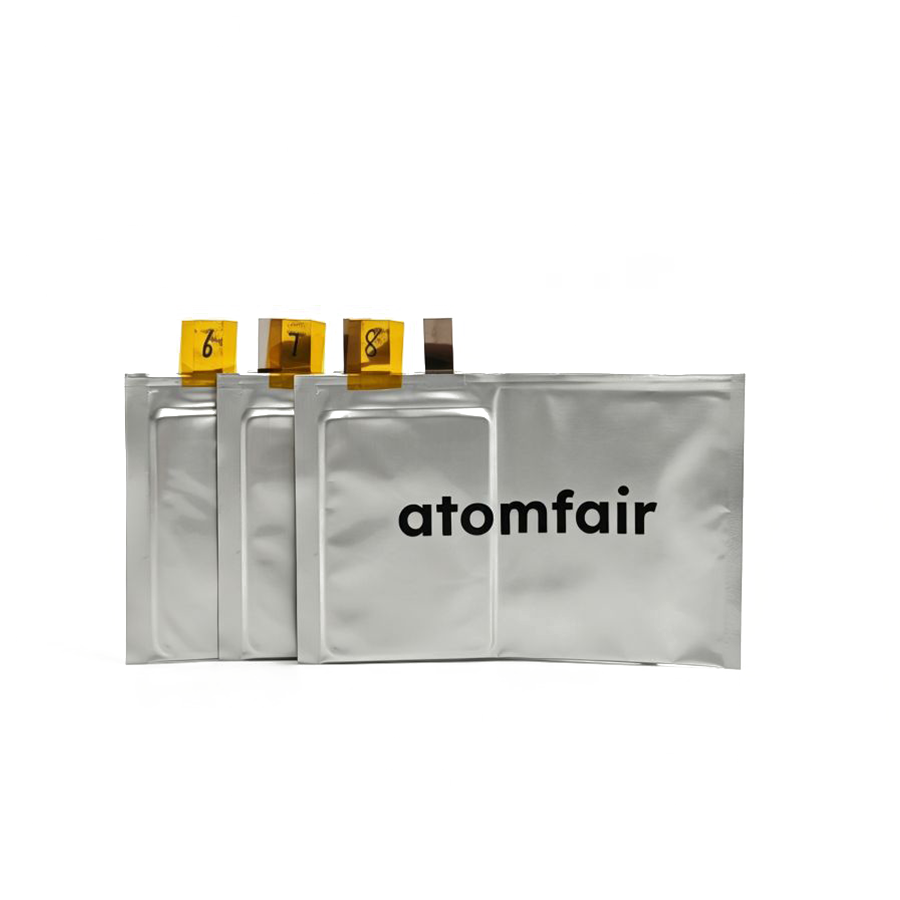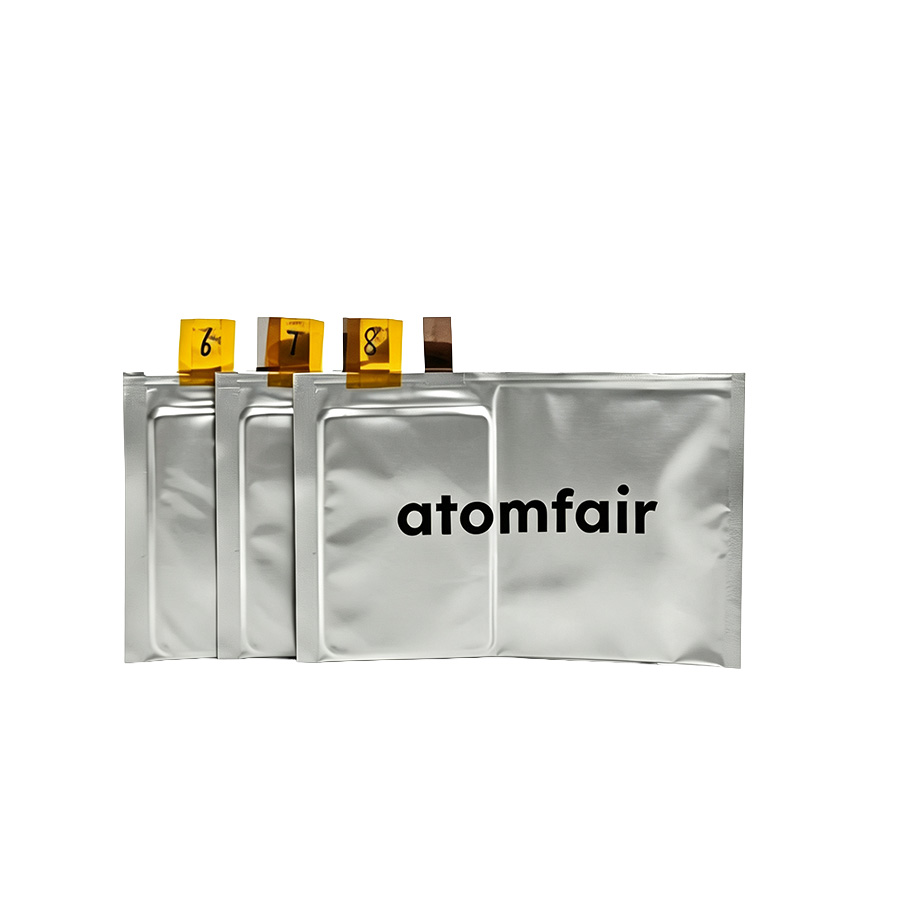
Ni95 Lithium-Ion Dry Pouch Cell (1 Ah, 4/5 Layers) – Li-Cu Composite AnodeProduct Type: Research-grade dry pouch cell
Research-grade laboratory product
|
||||||||||||||||||||||||||||||||||||||||||||||||||||||||||
|
||||||||||||||||||||||||||||||||||||||||||||||||||||||||||
What is the significance of the 97.4% active material content in the Ni95 cathode of this dry pouch cell?
The 97.4% active material content in the Ni95 cathode indicates a very high proportion of electrochemically active material relative to inactive binder or conductive additives. This high loading supports a specific capacity of 220 mAh/g and a compaction density of 3.3 g/cc, allowing the 45.5 x 64 mm electrode to achieve a coating areal density of 27 mg/cm² and contribute to the cell's 1 Ah nominal capacity.
What are the required steps to integrate this dry pouch cell into a full lithium-ion cell assembly?
This dry pouch cell is supplied without electrolyte, so researchers must add a compatible liquid electrolyte and perform formation cycling to activate the cell. The 12 µm PE + 2 µm ceramic separator is designed for standard lithium-ion electrolytes, and the Li-Cu composite anode and Ni95 cathode provide defined electrode parameters (e.g., 220 mAh/g cathode specific capacity, 20+6+20 µm anode thickness) for consistent electrochemical evaluation.
What does the 20+6+20 µm thickness parameter specify for the Li-Cu composite anode?
The Li-Cu anode thickness parameter of 20+6+20 µm describes a structure with a 6 µm copper current collector foil sandwiched between two 20 µm lithium layers. This configuration influences the anode's lithium inventory, mechanical integrity during lamination, and overall cell balancing in the 4/5-layer stack.
This 1 Ah electrolyte-free dry pouch cell pairs a 97.4%-active Ni95 cathode (220 mAh/g, 27 mg/cm2 loading) with a Li-Cu composite anode and a 12 um PE + 2 um ceramic separator in a 4/5-layer stack, enabling controlled electrolyte filling, activation, and electrode comparison studies within a 3-4.3 V window.
Positive
- Electrolyte-free dry format for controlled activation: The unfilled dry pouch cell lets the lab introduce electrolyte and control finishing/activation, making it suitable for electrolyte formulation and formation studies without pre-filled cell variables.
- Quantified Ni95 cathode for reproducible comparisons: The Ni95 cathode is specified at 97.4% active material, 220 mAh/g specific capacity, 27 mg/cm2 areal loading, and 3.3 g/cc compaction density, giving users defined electrode parameters for lab-scale comparisons.
Trade-offs
- Requires electrolyte fill and activation before testing: The cell is electrolyte-free and not ready for direct cycling; the researcher must perform electrolyte filling, cell assembly/finishing, and activation under appropriate laboratory conditions before electrochemical evaluation.
Every advanced material, component, equipment, and instrument in our catalog is backed by rigorous testing. We maintain strict internal quality management frameworks and align with CE conformity metrics to deliver transparent, reproducible performance data via our public open-science repository.
To request raw batch performance data, submit formal vendor registration paperwork, or execute a fast-turnaround R&D manufacturing loop, contact us at inquiry@atomfair.com.
Item is dispatched under the Atomfair Shipping & Delivery Framework (Free worldwide shipping on orders over $59 USD excl. heavy equipment). Return is governed by the Atomfair Return & Refund Policy (7-day technical return window).