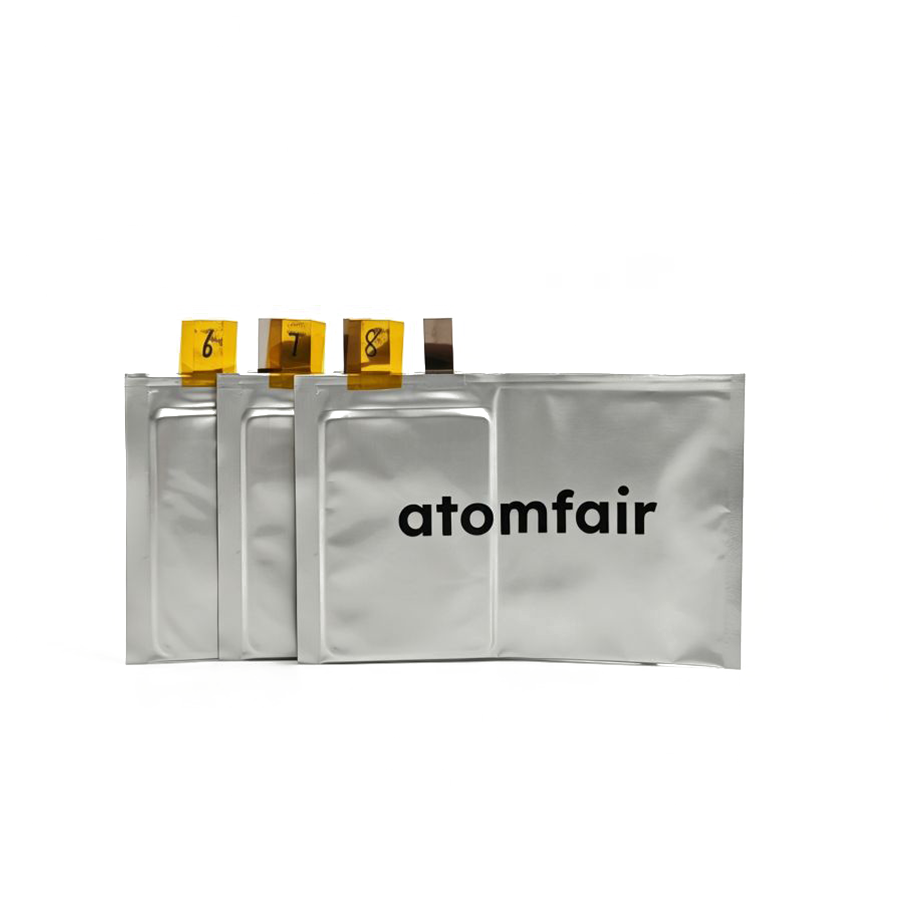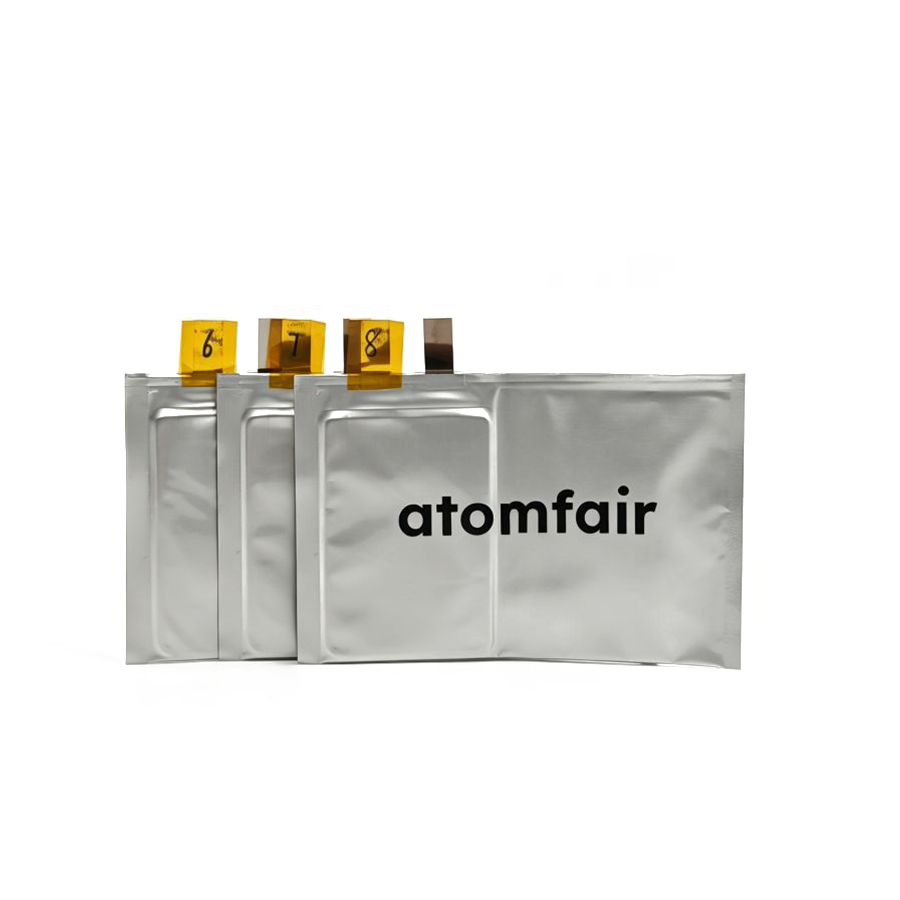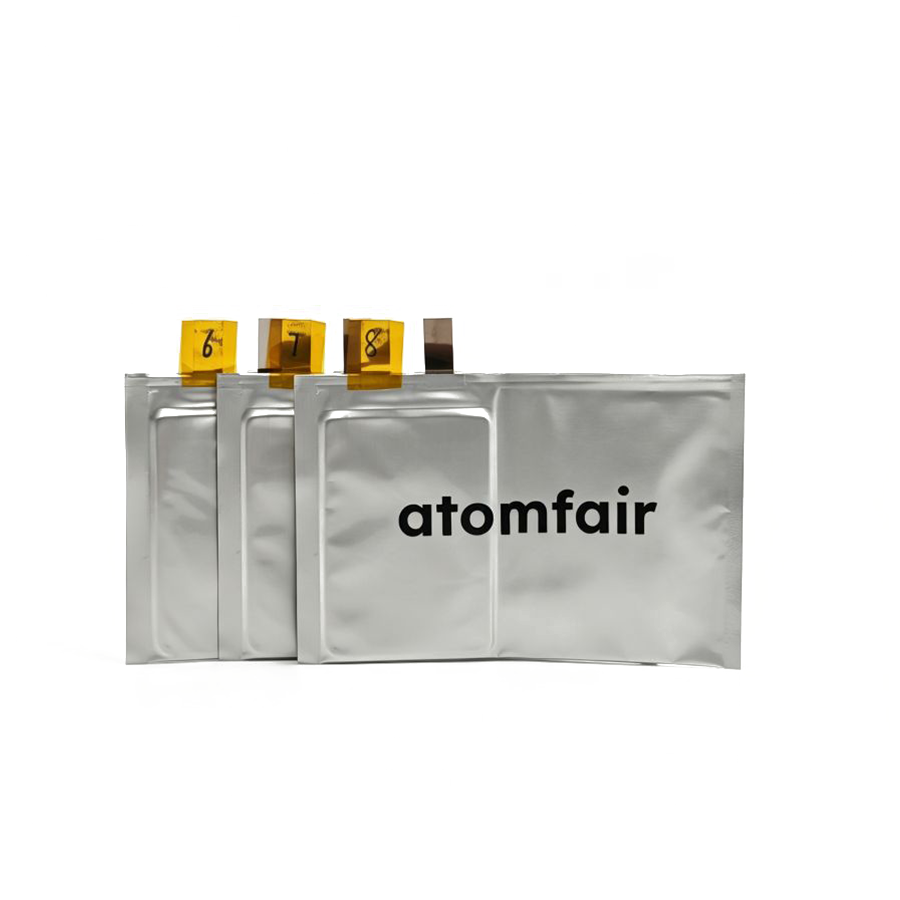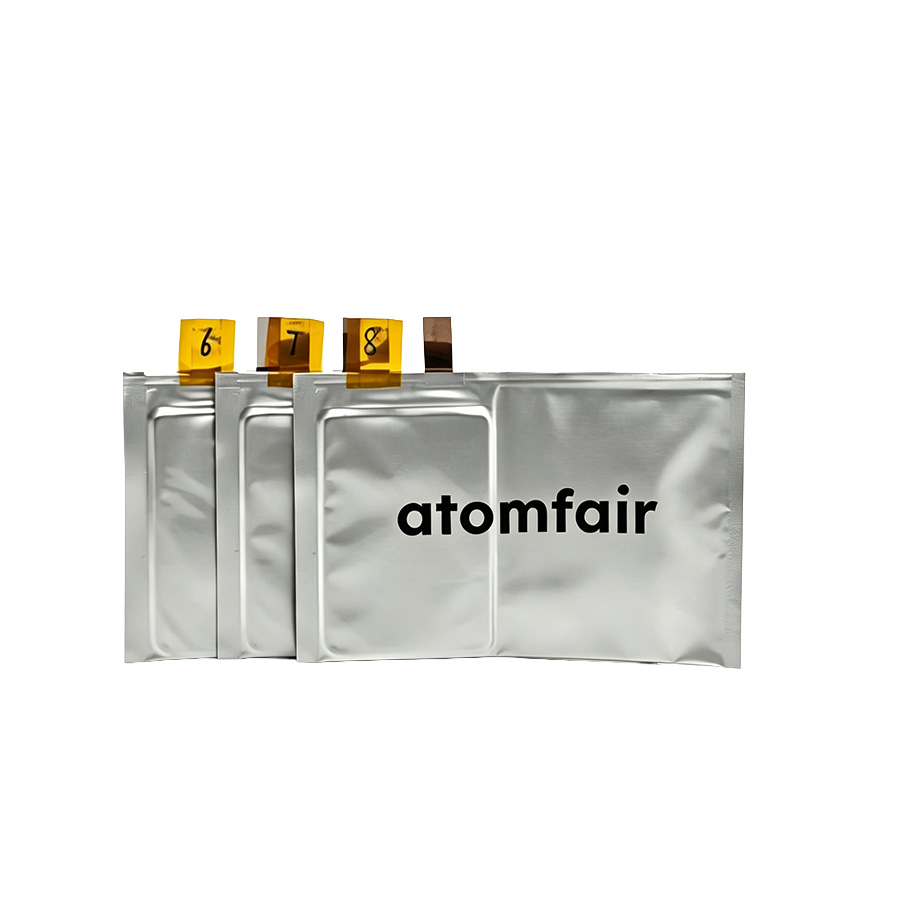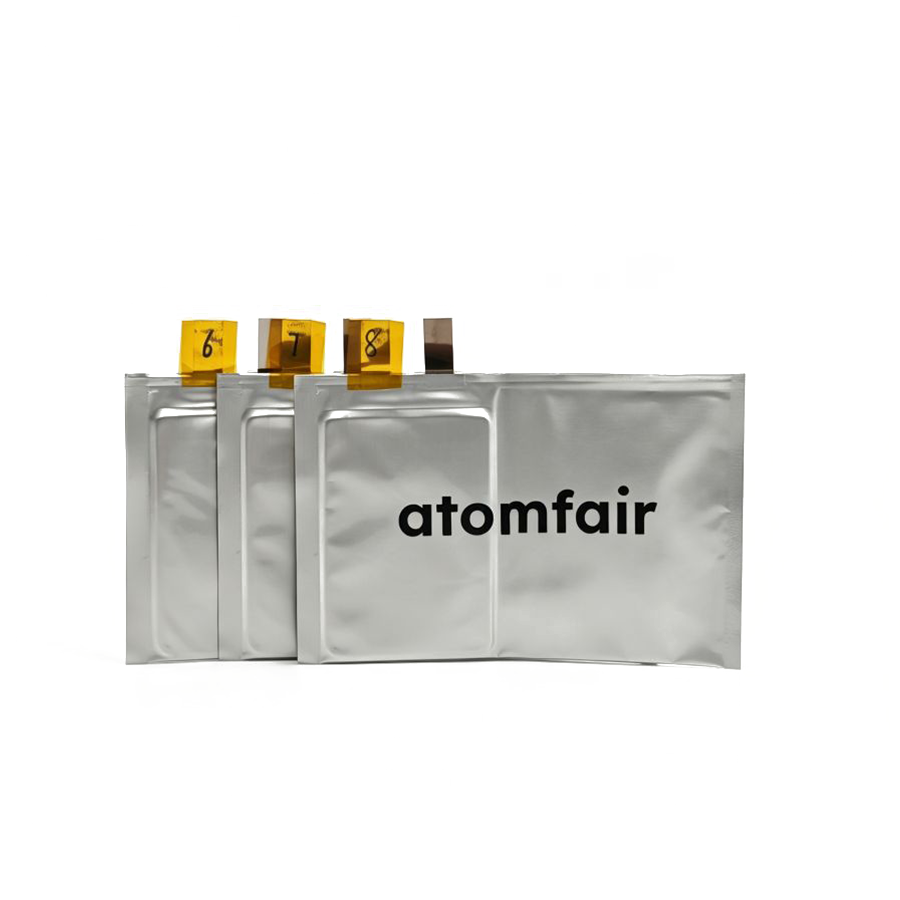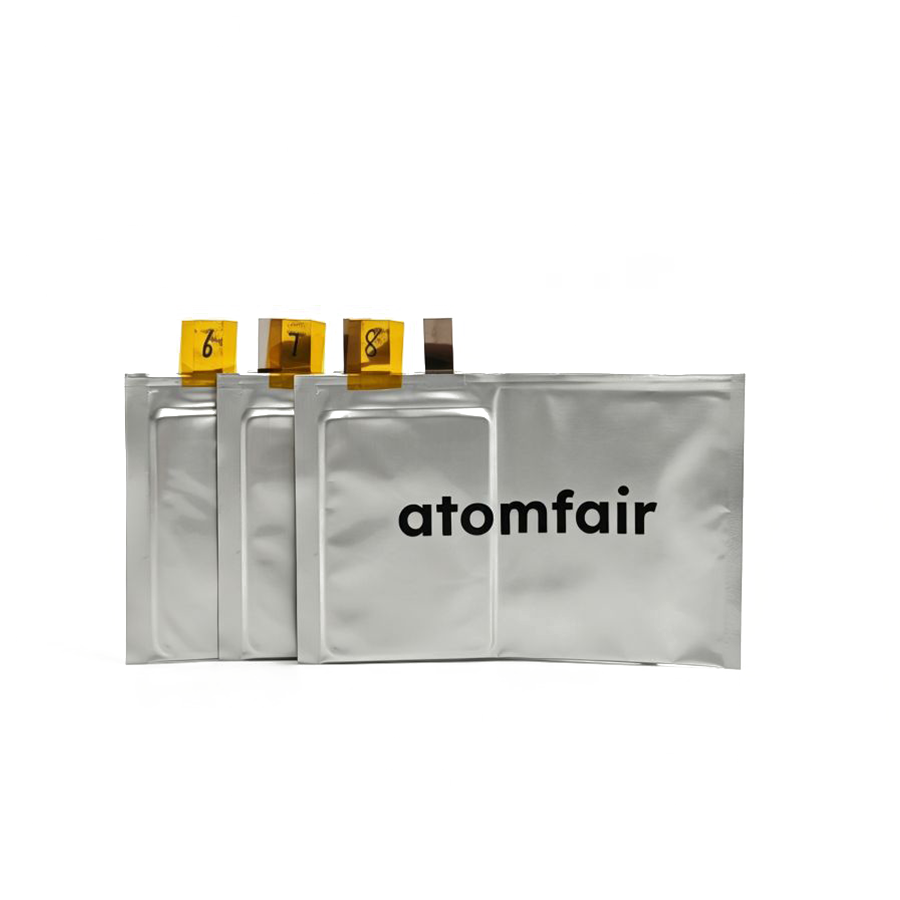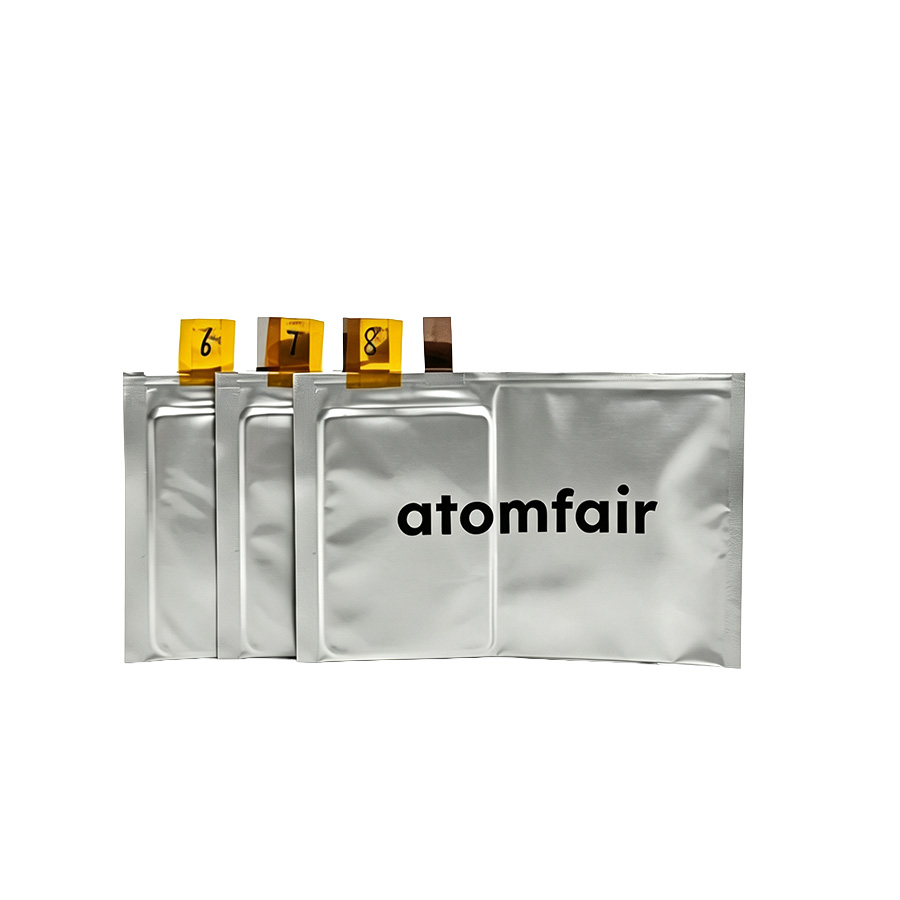
Ni95 Lithium-Ion Dry Pouch Cell (10 Ah, 31/32 Layers) – Li-Cu Composite AnodeProduct Type: Research-grade dry pouch cell
Research-grade laboratory product
|
||||||||||||||||||||||||||||||||||||||||||||||||||||||||||
|
||||||||||||||||||||||||||||||||||||||||||||||||||||||||||
What is the theoretical areal capacity of the Ni95 cathode based on the stated coating areal density and specific capacity?
The areal capacity of the cathode is 5.94 mAh/cm², calculated from the 27 mg/cm² coating areal density and 220 mAh/g specific capacity. This value is directly derived from the product's technical specifications and can be used to estimate total electrode capacity in the 31/32-layer stack.
How does the 12 µm PE + 2 µm ceramic separator architecture contribute to cell safety and performance in this dry pouch design?
The 12 µm polyethylene separator provides mechanical integrity and ionic transport, while the 2 µm ceramic coating improves thermal stability and reduces shrinkage at elevated temperatures. This architecture supports the 3–4.3 V operating window by minimizing the risk of internal short circuits, especially under high-temperature or high-rate conditions.
Why does the cell use a 31/32-layer stack configuration to achieve 10 Ah nominal capacity?
The 31/32-layer stack indicates a bi-cell design with 32 anode layers and 31 cathode layers. The anode is also slightly larger in footprint (46.5×65 mm vs 45.5×64 mm cathode), providing excess capacity and area to accommodate lithium utilization and minimize plating risk. Combined with the electrode loading, this configuration yields the rated 10 Ah capacity.
This 10 Ah dry pouch cell pairs a 97.4% active-material Ni95 cathode (45.5 × 64 mm, 27 mg/cm² coating) with a Li-Cu composite anode in a 31/32-layer stack using a 12 µm PE + 2 µm ceramic separator; supplied electrolyte-free, its 3–4.3 V window and 220 mAh/g cathode specific capacity are specified for laboratory-controlled electrolyte, activation, and electrode-comparison studies.
Positive
- Electrolyte-free design gives finishing control: Supplied as an unfilled dry pouch, the cell lets researchers set electrolyte composition, fill volume, and activation conditions rather than relying on factory-preset finishing.
- High-loading Ni95 cathode with ceramic separator: The 97.4% active-material cathode at 27 mg/cm² areal density provides 220 mAh/g specific capacity in a 3–4.3 V window, while the 12 µm PE + 2 µm ceramic separator supports the 31/32-layer dry stack.
Trade-offs
- Requires in-house electrolyte filling and formation: The electrolyte-free dry core is not cycle-ready on receipt; electrolyte dosing, wetting, pouch sealing, and formation must be completed in the buyer's lab.
- Voltage window is specified at 3–4.3 V: The Ni95/Li-Cu stack is characterized for a 3–4.3 V operating window, so applications outside that range fall outside the stated design envelope.
Every advanced material, component, equipment, and instrument in our catalog is backed by rigorous testing. We maintain strict internal quality management frameworks and align with CE conformity metrics to deliver transparent, reproducible performance data via our public open-science repository.
To request raw batch performance data, submit formal vendor registration paperwork, or execute a fast-turnaround R&D manufacturing loop, contact us at inquiry@atomfair.com.
Item is dispatched under the Atomfair Shipping & Delivery Framework (Free worldwide shipping on orders over $59 USD excl. heavy equipment). Return is governed by the Atomfair Return & Refund Policy (7-day technical return window).