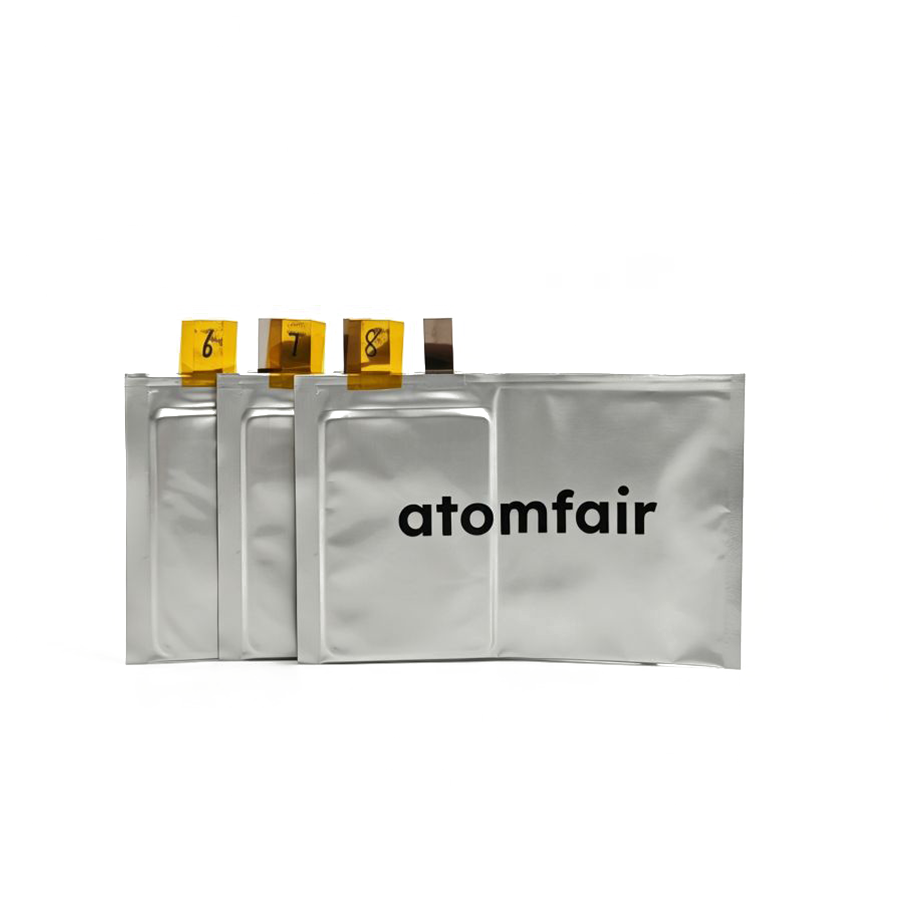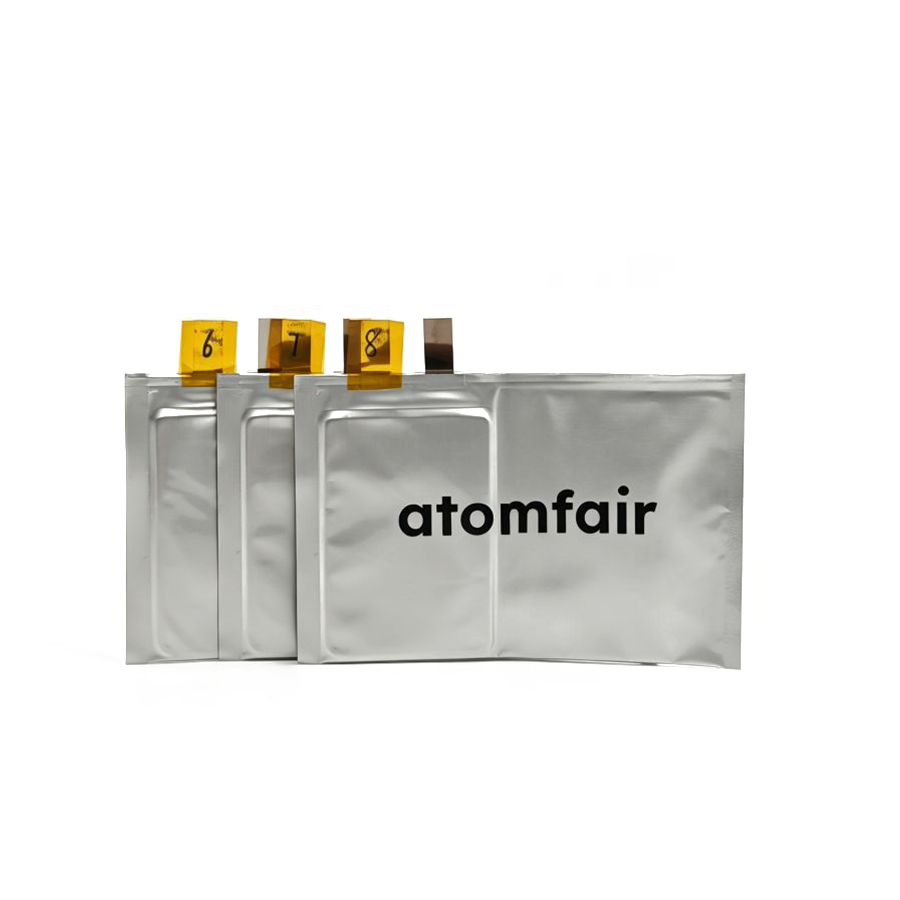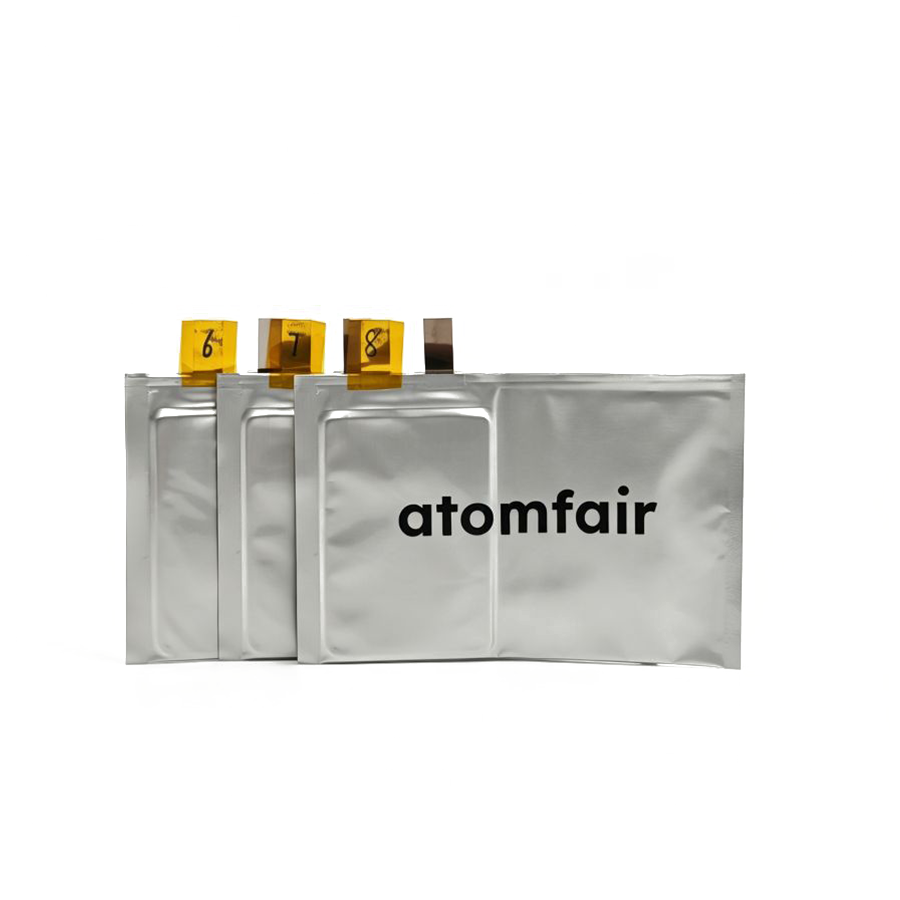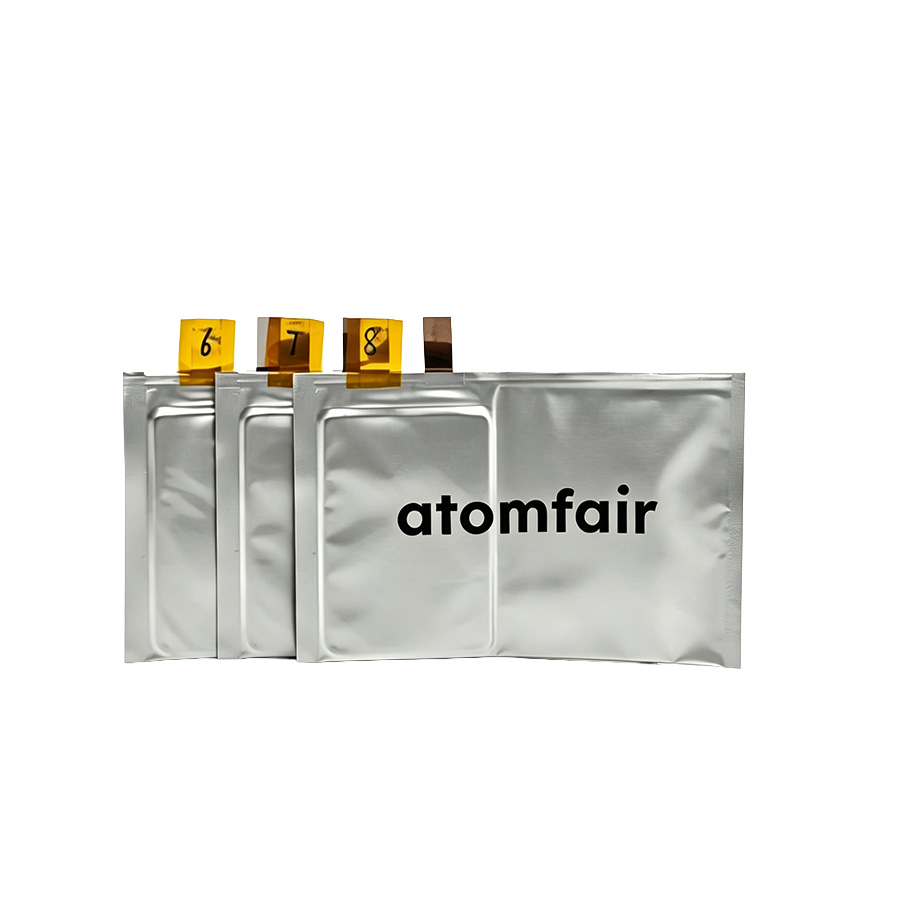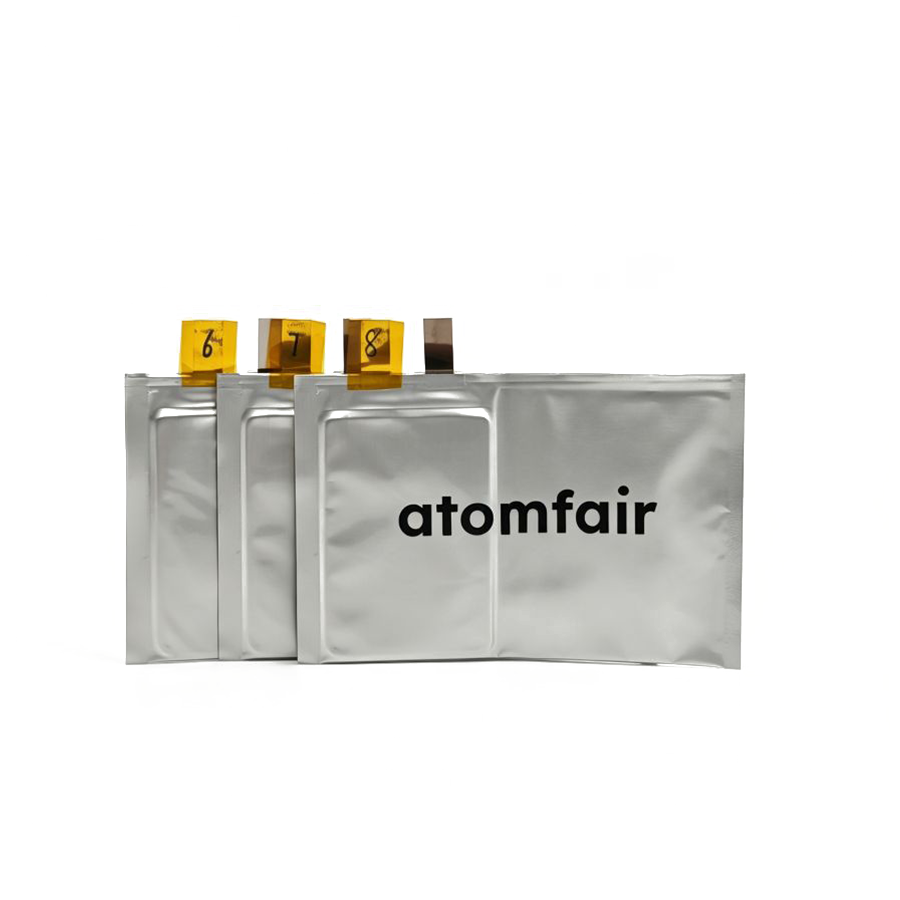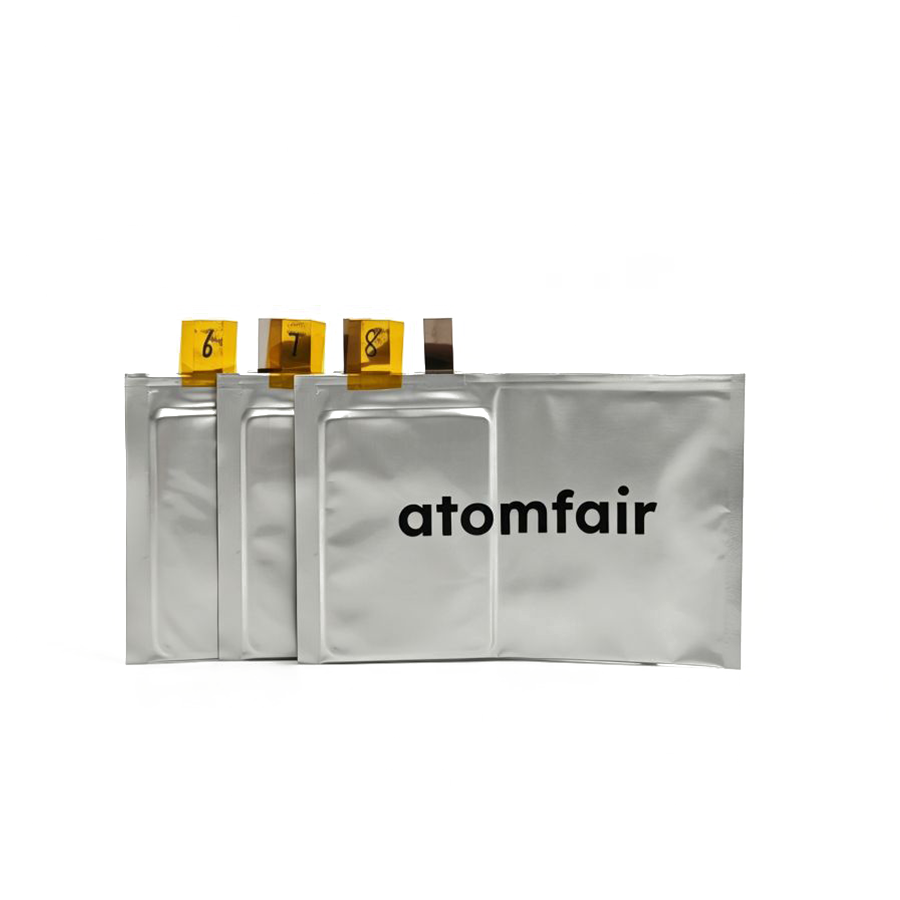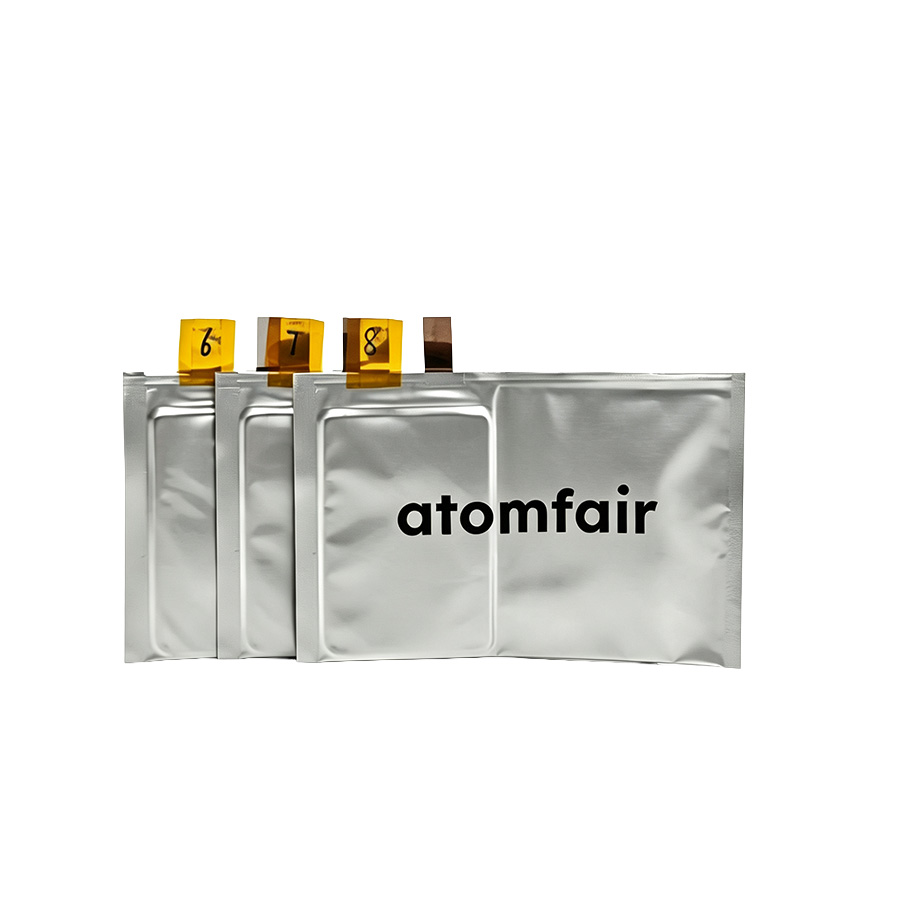
NCM811 Lithium-Ion Dry Pouch Cell (2.3 Ah, 9/10 Layers) – Li-Cu Composite AnodeProduct Type: Research-grade dry pouch cell
Research-grade laboratory product
|
||||||||||||||||||||||||||||||||||||||||||||||||||||||||||
|
||||||||||||||||||||||||||||||||||||||||||||||||||||||||||
This electrolyte-free dry pouch cell contains a lithium-based composite anode that must be protected from ambient moisture and oxygen. Electrolyte filling, pouch finishing, and any electrical evaluation must be performed under controlled laboratory conditions.
- Atmospheric exposure: Store the dry pouch cell in a sealed, low-humidity container until it is opened for electrolyte filling.
- Mechanical integrity: Inspect the pouch exterior for punctures or seal defects before opening it in the controlled environment.
- Electrolyte compatibility: Confirm that the selected electrolyte and filling procedure are compatible with the dry electrode stack and cell materials before activation.
- Electrical testing sequence: Do not charge, discharge, or otherwise electrically stress the cell until after electrolyte filling and pouch sealing are complete.
Activation of this dry pouch cell requires electrolyte introduction, pouch finishing, and final sealing before any electrical testing. The following steps are intended for laboratory personnel handling the unfilled lithium-ion cell under controlled conditions.
Required Equipment: Controlled-atmosphere workstation, Electrolyte filling and sealing equipment
- Place cell in controlled atmosphere
Transfer the unopened dry pouch cell into a controlled-atmosphere workstation before opening its protective packaging. - Inspect dry cell stack
Inspect the pouch, electrode tabs, and stack alignment for physical damage or contamination after the packaging is opened. - Add electrolyte
Introduce the selected electrolyte into the dry cell stack according to the planned activation protocol. - Finish and seal pouch
Finish the filled pouch cell by sealing it according to the researcher's controlled cell finishing process. - Initiate electrochemical evaluation
Connect the finished and sealed cell to the electrochemical test setup only after the filling and sealing steps are completed.
How is the 2.3 Ah nominal capacity achieved in this NCM811 dry pouch cell with a 9/10-layer stack?
The 2.3 Ah capacity is derived from a 9/10-layer stack using an NCM811 cathode with a specific capacity of 190 mAh/g and a coating areal density of 24 mg/cm² on a 45.5 × 64 mm footprint, paired with a Li-Cu composite anode (46.5 × 65 mm). The cell operates within a 3 V–4.3 V voltage window as specified.
What considerations are critical when using this dry pouch cell for electrolyte or activation studies?
As an electrolyte-free dry pouch cell, it is designed for laboratory assembly where researchers control the cell finishing conditions. The NCM811 cathode (97.2% active material, 190 mAh/g) and Li-Cu anode (20+6+20 μm thickness) provide a defined baseline for comparing electrode configurations. The separator (12 μm PE + 2 μm ceramic) and electrode dimensions are fixed parameters that must be matched with the chosen electrolyte system.
What voltage limits must be observed when operating this NCM811 dry pouch cell after assembly?
The cell's operational voltage window is 3 V to 4.3 V as stated in the technical specifications. After electrolyte filling and formation, cycling must be confined to this range to maintain electrochemical stability. Operating outside these limits could affect performance and safety, making this a critical parameter for dry-core evaluation.
This NCM811 dry pouch cell with Li-Cu composite anode is a 2.3 Ah, 9/10-layer research cell requiring user-controlled electrolyte filling, enabling precise activation studies and electrode comparison.
Positive
- High active material loading: The NCM811 cathode uses 97.2% active material with a specific capacity of 190 mAh/g and compaction density of 3.4 g/cc, enabling high energy density in a dry pouch format.
- Dry pouch for controlled activation: The electrolyte-free design allows researchers to independently control electrolyte composition and formation cycling, facilitating comparative studies on electrode performance.
Trade-offs
- Unfilled format requires assembly steps: As an electrolyte-free dry cell, it must be filled and sealed by the researcher, adding preparation steps and potential variability.
- Limited to laboratory-scale evaluation: The 9/10-layer stack and small electrode footprint are designed for research use, not for commercial battery production.
Every advanced material, component, equipment, and instrument in our catalog is backed by rigorous testing. We maintain strict internal quality management frameworks and align with CE conformity metrics to deliver transparent, reproducible performance data via our public open-science repository.
To request raw batch performance data, submit formal vendor registration paperwork, or execute a fast-turnaround R&D manufacturing loop, contact us at inquiry@atomfair.com.
Item is dispatched under the Atomfair Shipping & Delivery Framework (Free worldwide shipping on orders over $59 USD excl. heavy equipment). Return is governed by the Atomfair Return & Refund Policy (7-day technical return window).