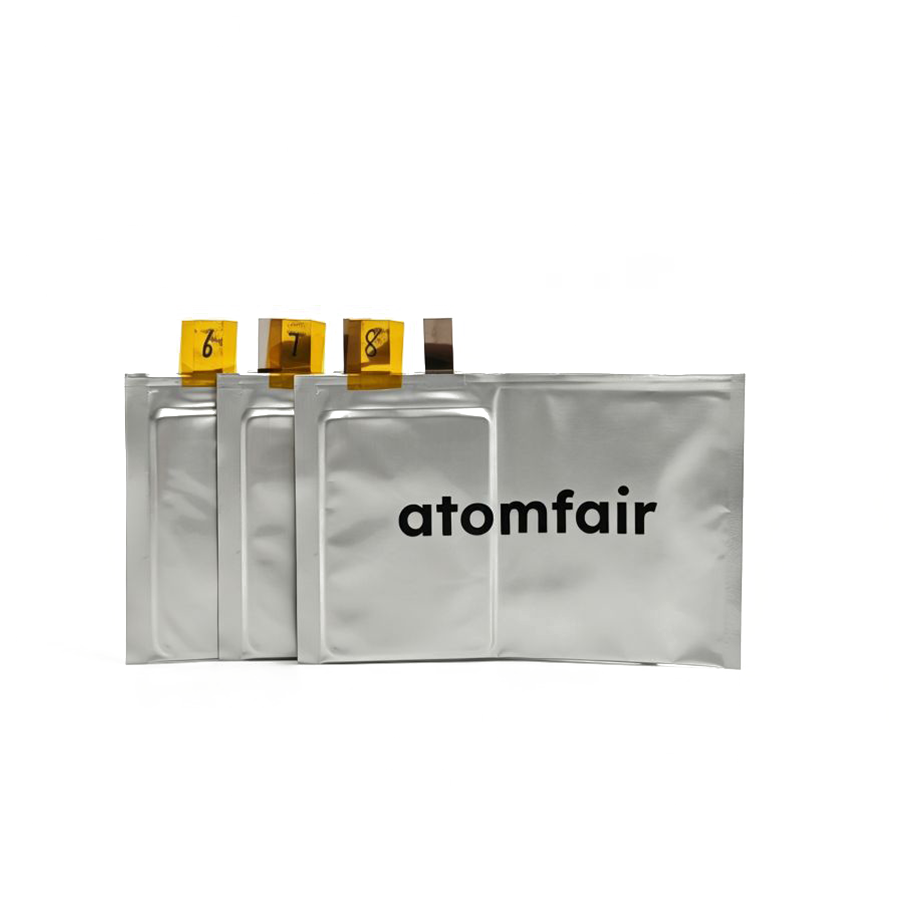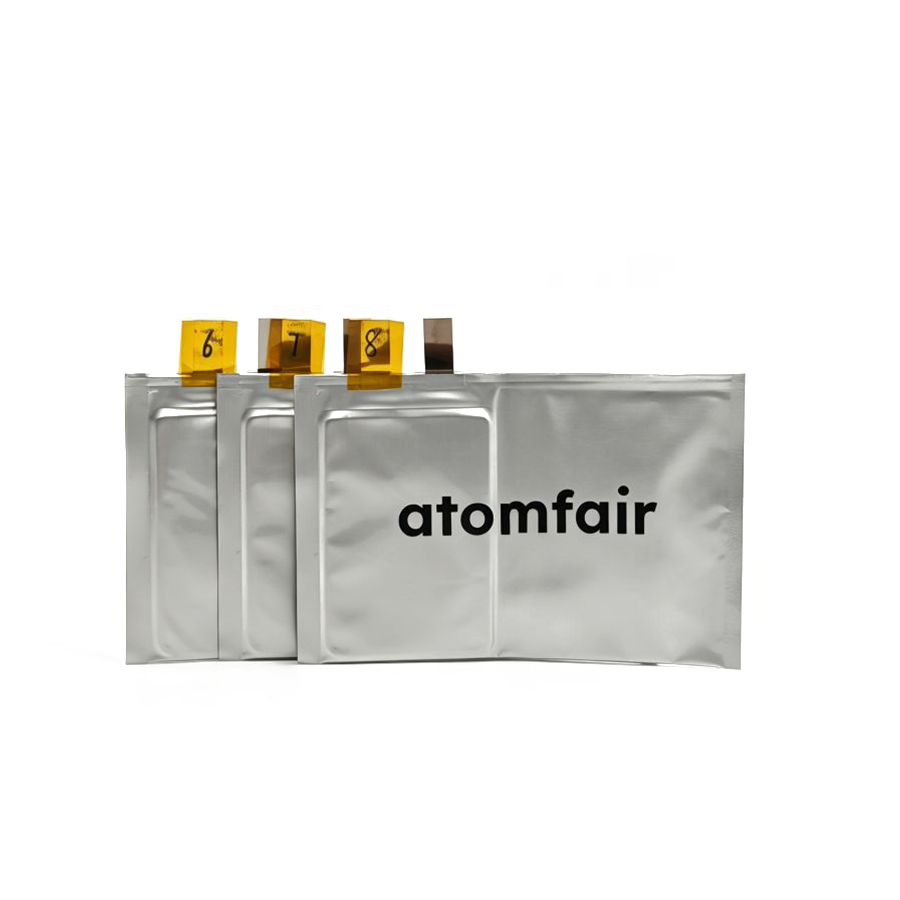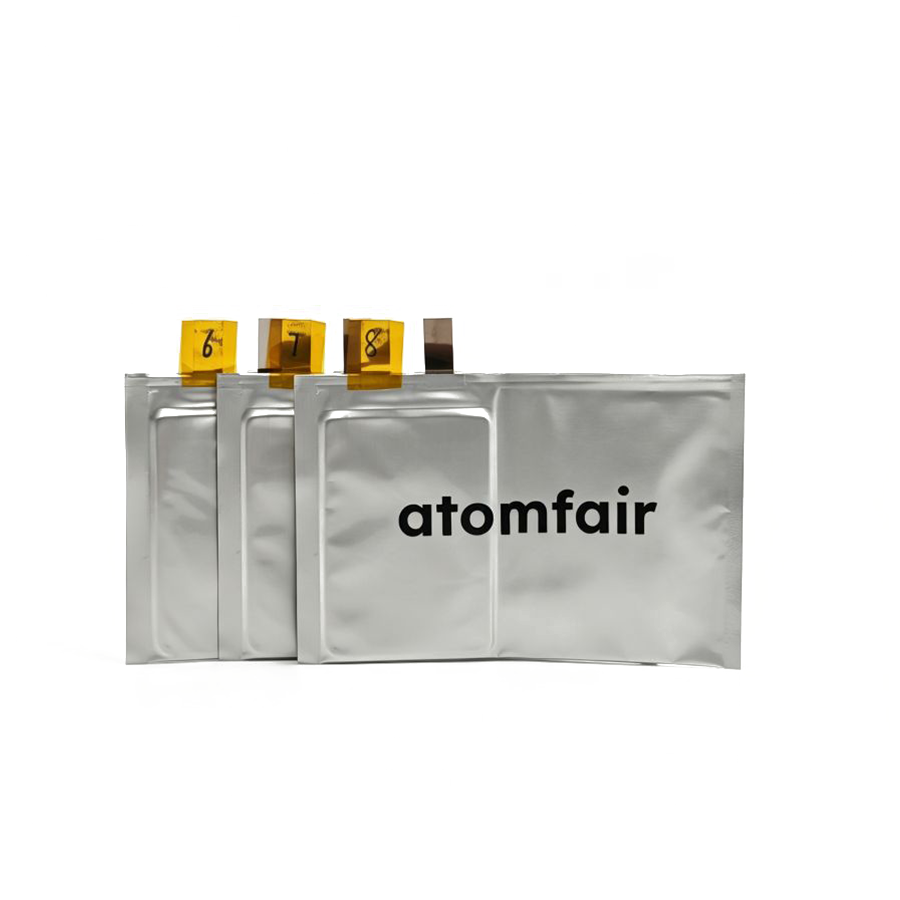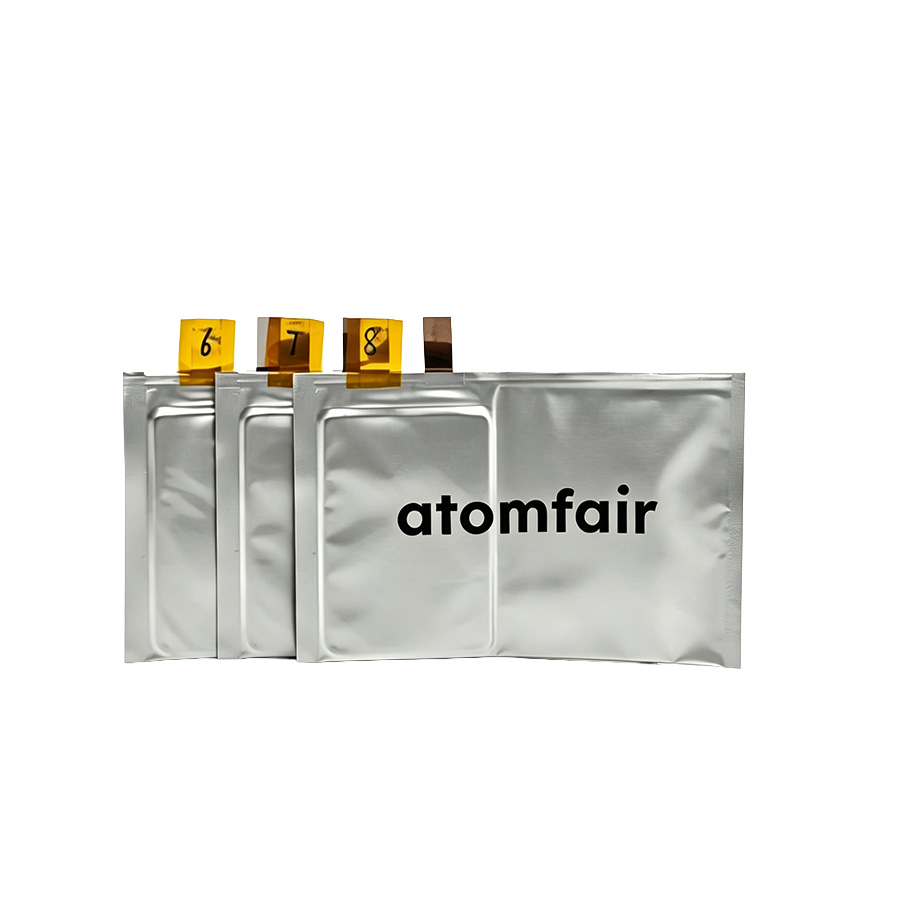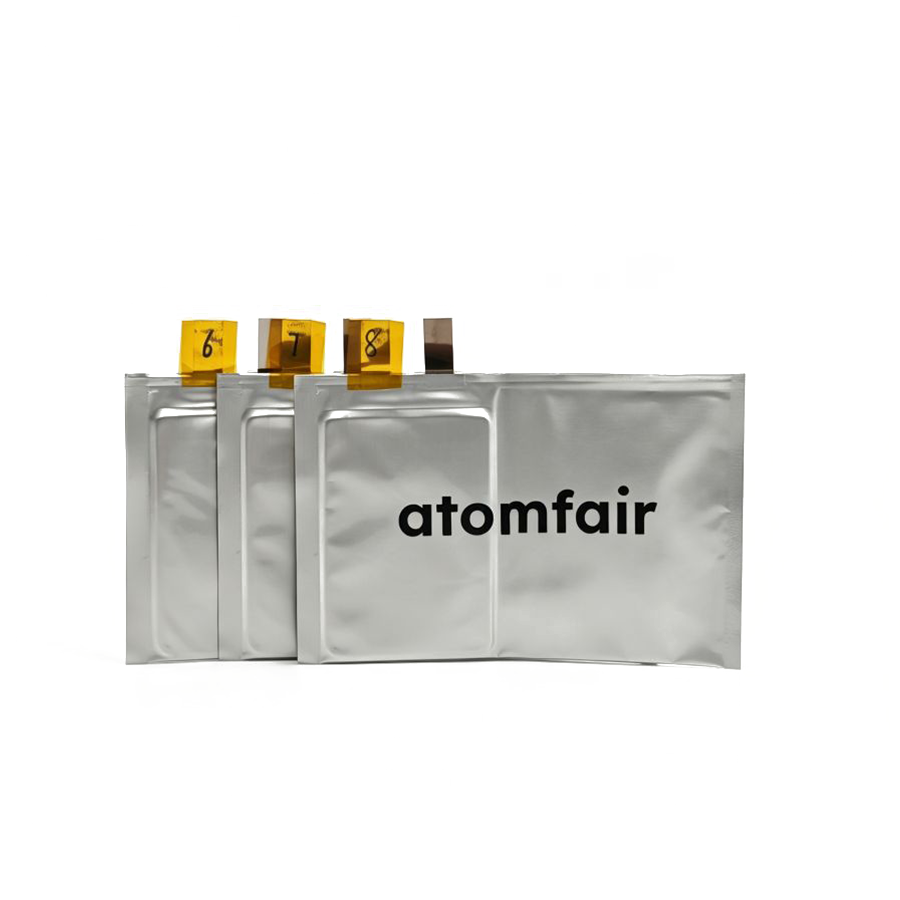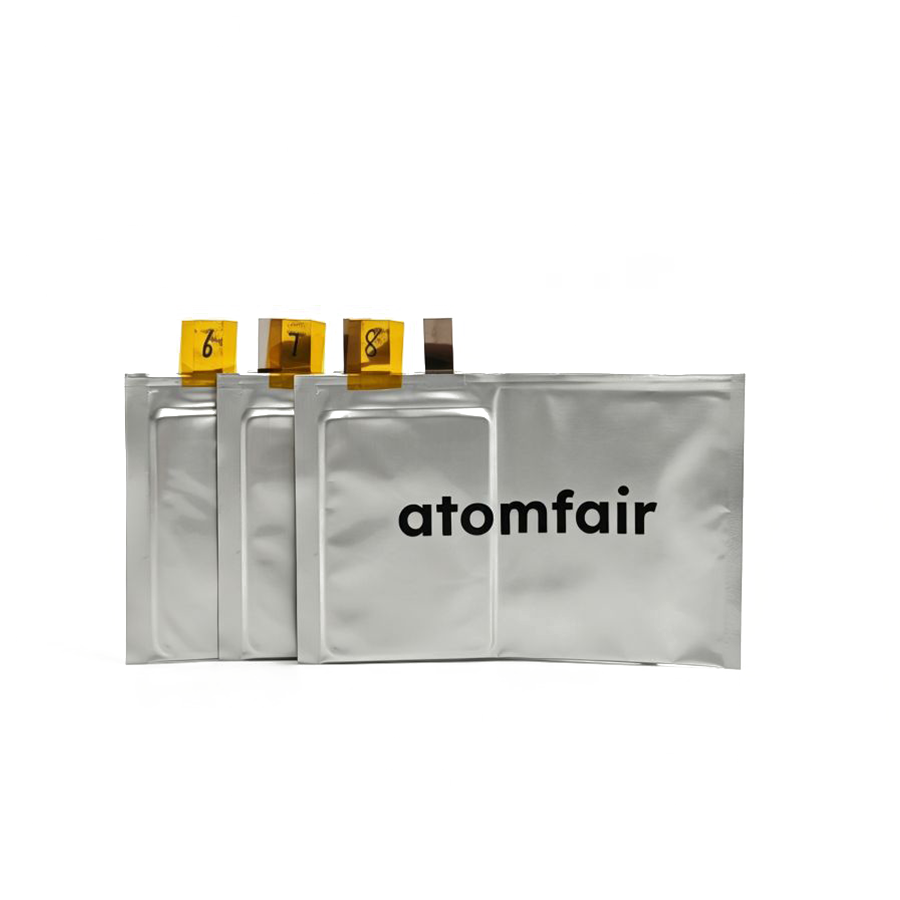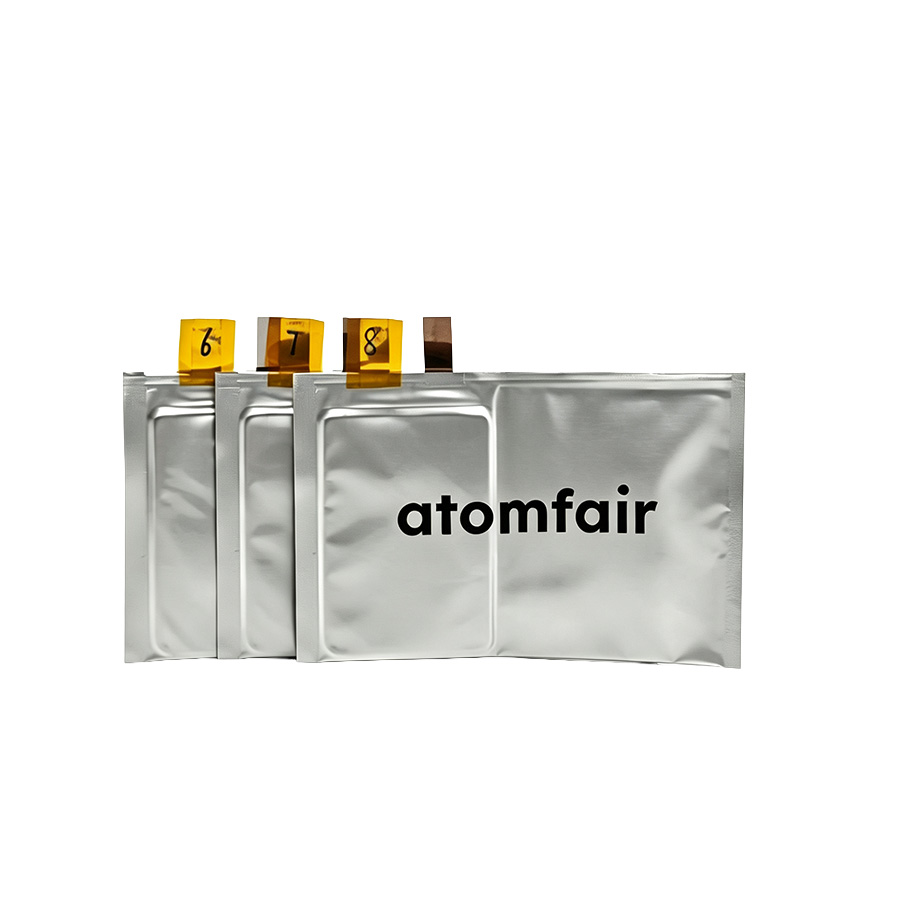
NCM811 Lithium-Ion Dry Pouch Cell (1 Ah, 4/5 Layers) – Si/C1350 AnodeProduct Type: Research-grade dry pouch cell
Research-grade laboratory product
|
||||||||||||||||||||||||||||||||||||||||||||||||||||||||||||||||||
|
||||||||||||||||||||||||||||||||||||||||||||||||||||||||||||||||||
What is the areal loading asymmetry between the NCM811 cathode and Si/C1350 anode, and why is it designed this way?
The areal loading asymmetry—30 mg/cm² for the NCM811 cathode and 5 mg/cm² for the Si/C1350 anode—is designed to balance capacities given the large specific capacity difference (195 mAh/g for NCM811 vs 1350 mAh/g for Si/C1350). The N/P ratio of 1.08 ensures the anode has slightly excess capacity to prevent lithium plating.
Can this dry pouch cell be customized to use different cathode or anode materials?
Yes, this dry pouch cell can be customized to use alternative cathode and anode materials, as well as different cell dimensions, nominal capacities, separator coatings, and dry electrode configurations, as stated in the product description under Cell Customization.
What is the significance of the 97.4% active material percentage in the NCM811 cathode?
The 97.4% active material percentage in the NCM811 cathode indicates a high loading of electrochemically active NCM811 particles relative to binder and conductive additives. This high active content maximizes the electrode's specific capacity (195 mAh/g) and energy density, but may affect mechanical integrity if not properly processed.
This 1 Ah dry pouch cell combines a high-capacity Si/C1350 anode (1350 mAh/g) with an NCM811 cathode in a 4/5-layer stack, offering researchers a customizable platform for electrolyte and activation studies. The unfilled format requires proper inert-atmosphere handling and electrolyte filling before electrochemical testing.
Positive
- High-capacity Si/C1350 anode: The Si/C1350 anode delivers a specific capacity of 1350 mAh/g, enabling higher energy density compared to conventional graphite anodes in a research pouch format.
- Dry pouch for custom electrolyte studies: Supplied as an electrolyte-free dry cell, this format allows researchers to control electrolyte composition, filling conditions, and activation protocols for tailored electrochemical evaluation.
Trade-offs
- Requires inert-atmosphere assembly: The dry, unfilled pouch cell must be electrolyte-filled and sealed in a dry room or glovebox, necessitating appropriate inert-atmosphere infrastructure for proper operation.
- Low N/P ratio demands careful electrolyte management: With an N/P ratio of 1.08, the cell has minimal excess anode capacity, requiring precise electrolyte wetting and formation protocols to avoid lithium plating during cycling.
Every advanced material, component, equipment, and instrument in our catalog is backed by rigorous testing. We maintain strict internal quality management frameworks and align with CE conformity metrics to deliver transparent, reproducible performance data via our public open-science repository.
To request raw batch performance data, submit formal vendor registration paperwork, or execute a fast-turnaround R&D manufacturing loop, contact us at inquiry@atomfair.com.
Item is dispatched under the Atomfair Shipping & Delivery Framework (Free worldwide shipping on orders over $59 USD excl. heavy equipment). Return is governed by the Atomfair Return & Refund Policy (7-day technical return window).