|
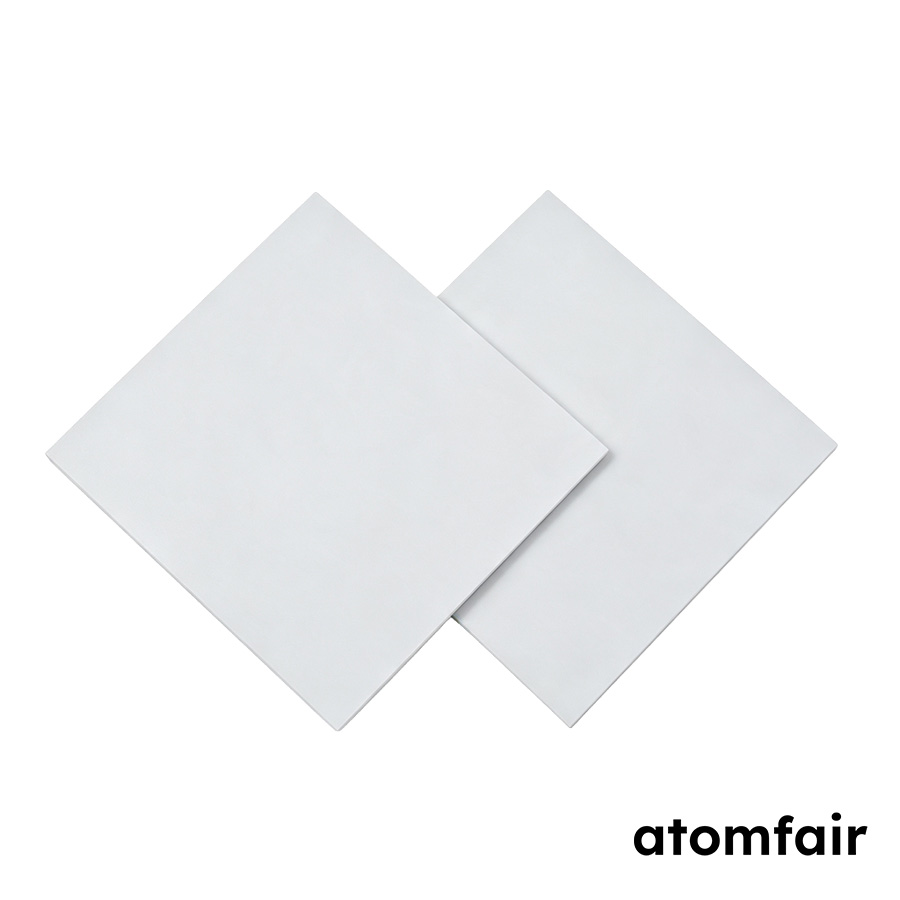
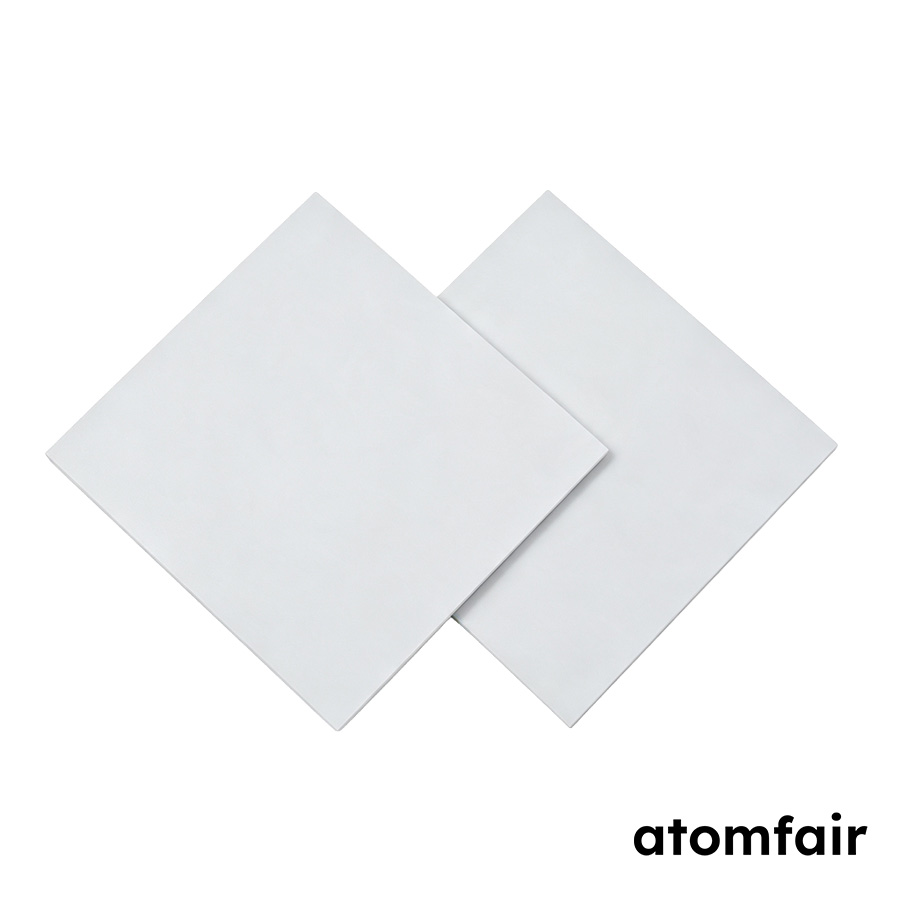
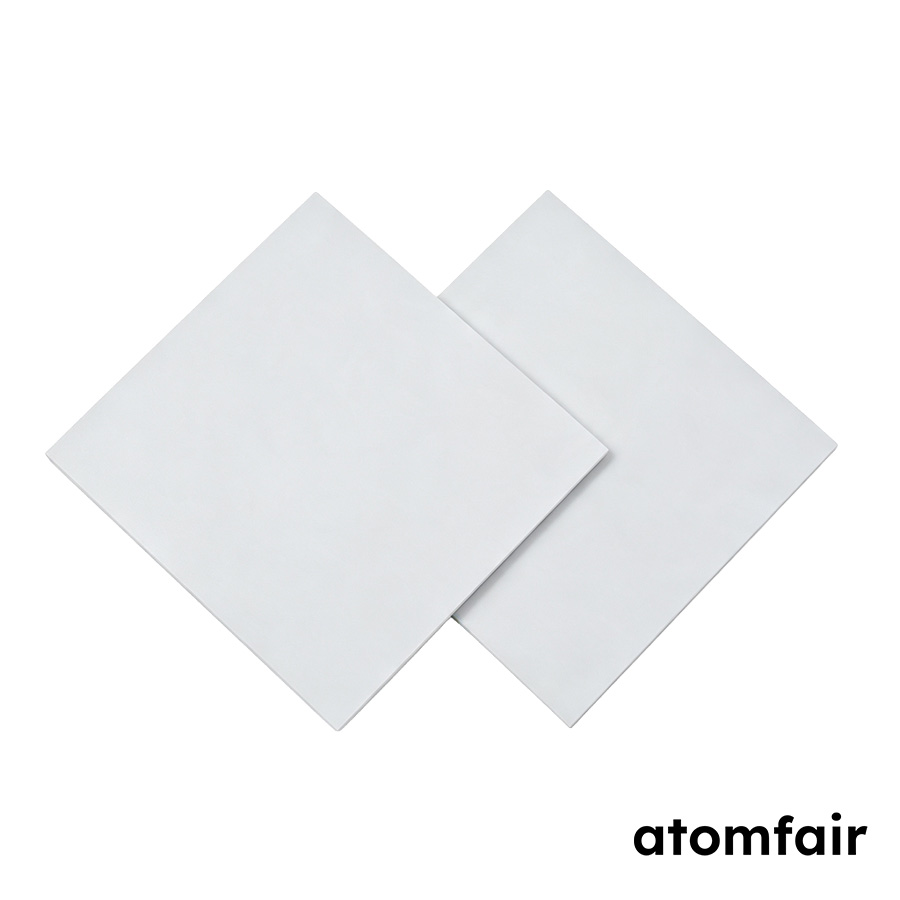
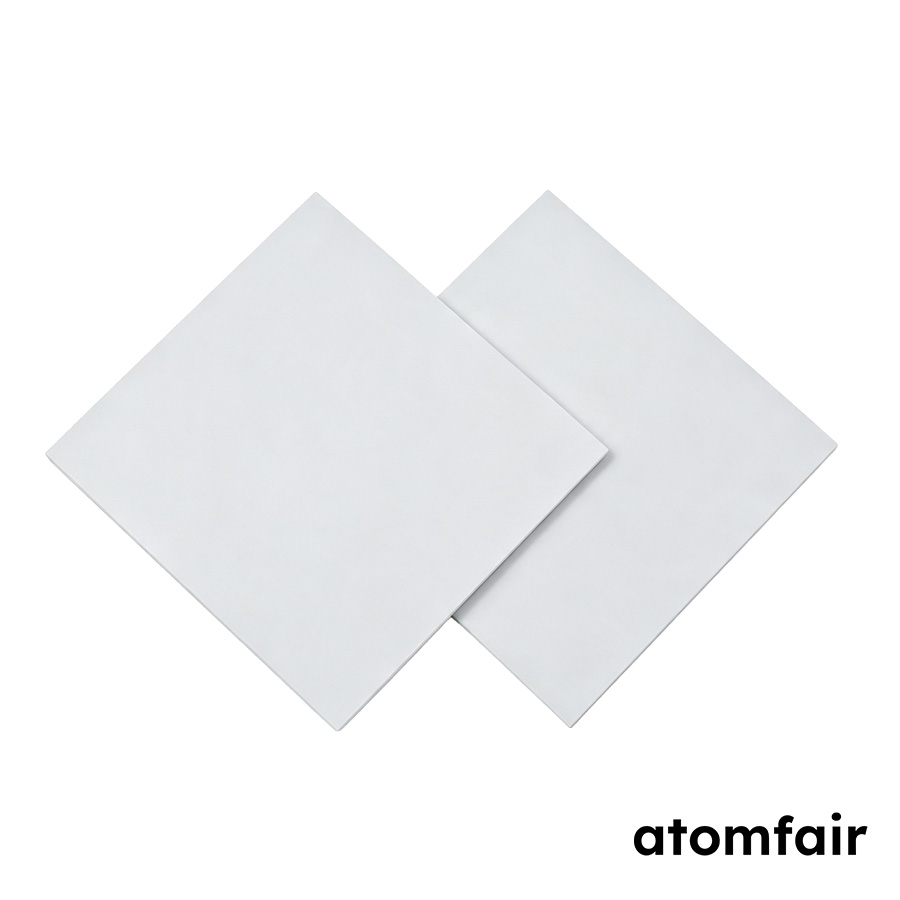
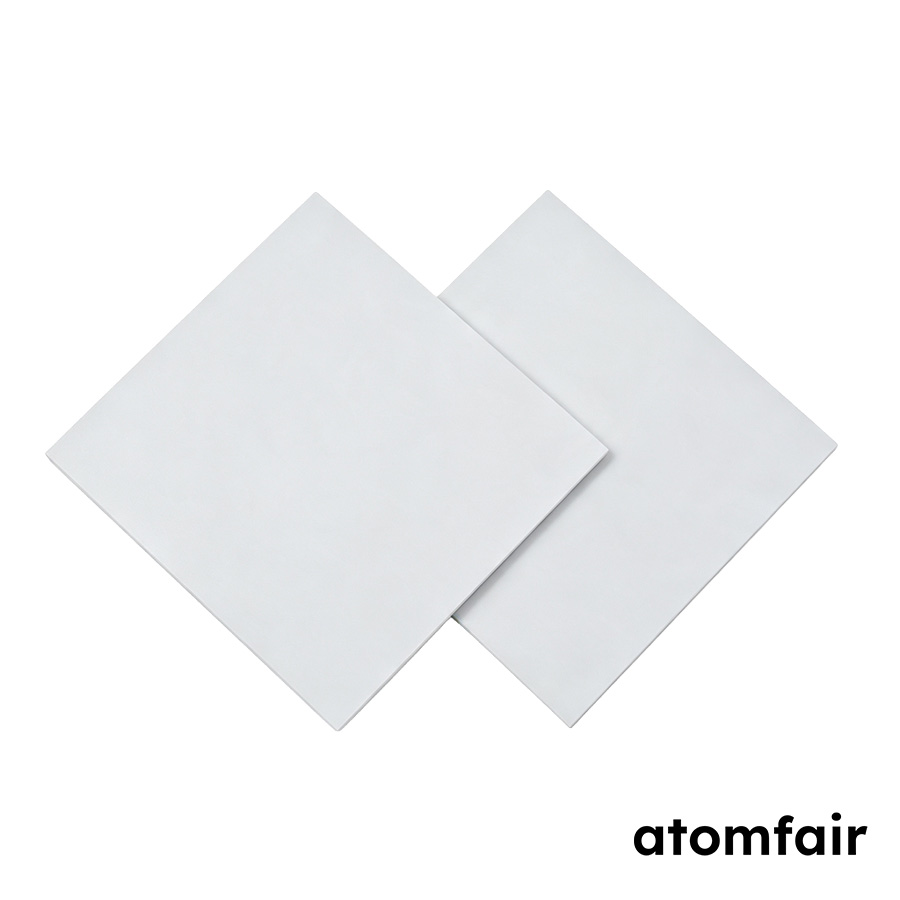
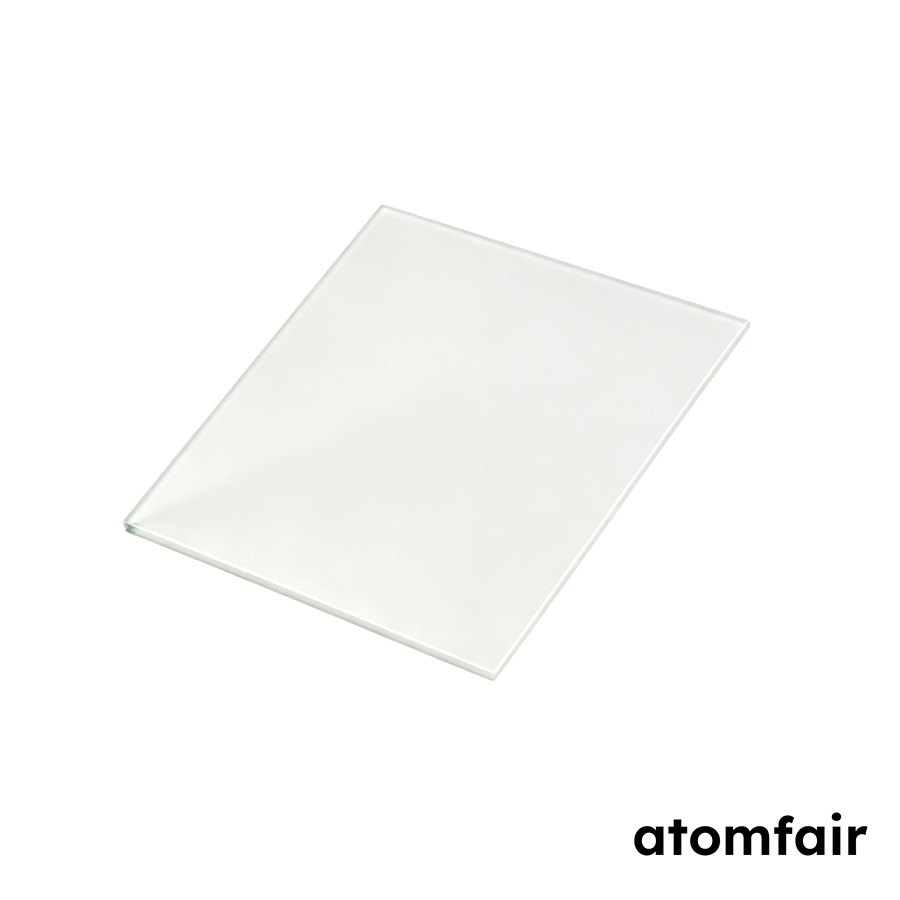
Magnesium Oxide Single Crystal Substrate, (111), SSP (10 pcs/box)
Product Type: MgO single crystal substrate
Research-grade laboratory product
|
|||||||||||||||||||||||||||||||||||||||||||||||||||||||||
|
|||||||||||||||||||||||||||||||||||||||||||||||||||||||||
|
LABORATORY PROCUREMENT SUPPORT
For material matching, specification review, model selection or configuration confirmation, contact our technical sales team.
E-MAIL: inquiry@atomfair.com
|
|||||||||||||||||||||||||||||||||||||||||||||||||||||||||
|
Manufacturer: Atomfair LLC
Brand: ATOMFAIR®
|
How does the offcut angle of MgO (111) substrates affect thin-film epitaxy?
The offcut angle, available from 2° to 8° toward the (110) plane with reference to the (112) plane, controls the step density and terrace width on the (111) surface. This can influence the nucleation, domain structure, and defect density of epitaxial thin films. The product offers four offcut options (2°, 4°, 6°, 8°) in addition to the standard on-axis (111) substrate.
What is the optical transmission of MgO (111) substrates and why is it important?
MgO (111) substrates exhibit >90% transmission from 200–400 nm and >98% from 500–1000 nm, as specified in the product data. This high broadband transparency, particularly in the UV range, makes these substrates suitable for optical spectroscopy, UV-transparent windows, and integrated photonic devices where the substrate must not absorb the signal.
What thermal properties should be considered when processing MgO (111) substrates?
MgO has a melting point of 2850°C and a thermal expansion coefficient of 12.8 × 10⁻⁶ /°C, as stated in the technical specifications. The high melting point allows for deposition techniques such as PLD or MBE at elevated temperatures, while the expansion coefficient must be matched to the deposited film to avoid stress or delamination during cooling.
This MgO (111) single crystal substrate provides high optical transmission (>90% UV, >98% visible-NIR) and a melting point of 2850°C, supporting high-temperature epitaxial growth. The available offcut options (2°–8° toward (110)) enable step-controlled film deposition, but material compatibility and offcut selection must be verified against the target thin-film workflow.
Positive
- High UV-Vis-NIR transmission: Optical transmission >90% from 200–400 nm and >98% from 500–1000 nm makes this substrate suitable for transparent window applications and optical characterization in spectroscopy and photonics.
- High melting point for epitaxy: Melting point of 2850°C, combined with a cubic crystal structure (a=4.216 Å), enables stable thin-film growth at elevated temperatures, particularly for oxide-based epitaxial layers.
Trade-offs
- Material compatibility required: MgO substrates must be matched to the target thin-film or device workflow to avoid lattice mismatch, chemical reaction, or thermal expansion mismatch (12.8×10⁻⁶/°C) during deposition.
- Offcut selection critical: The available offcut angles (2°–8° toward (110)) must be precisely selected to control step-terrace morphology; an incorrect offcut can adversely affect film nucleation and epitaxial quality.
Every advanced material, component, equipment, and instrument in our catalog is backed by rigorous testing. We maintain strict internal quality management frameworks and align with CE conformity metrics to deliver transparent, reproducible performance data via our public open-science repository.
To request raw batch performance data, submit formal vendor registration paperwork, or execute a fast-turnaround R&D manufacturing loop, contact us at inquiry@atomfair.com.
Item is dispatched under the Atomfair Shipping & Delivery Framework (Free worldwide shipping on orders over $59 USD excl. heavy equipment). Return is governed by the Atomfair Return & Refund Policy (7-day technical return window).