|
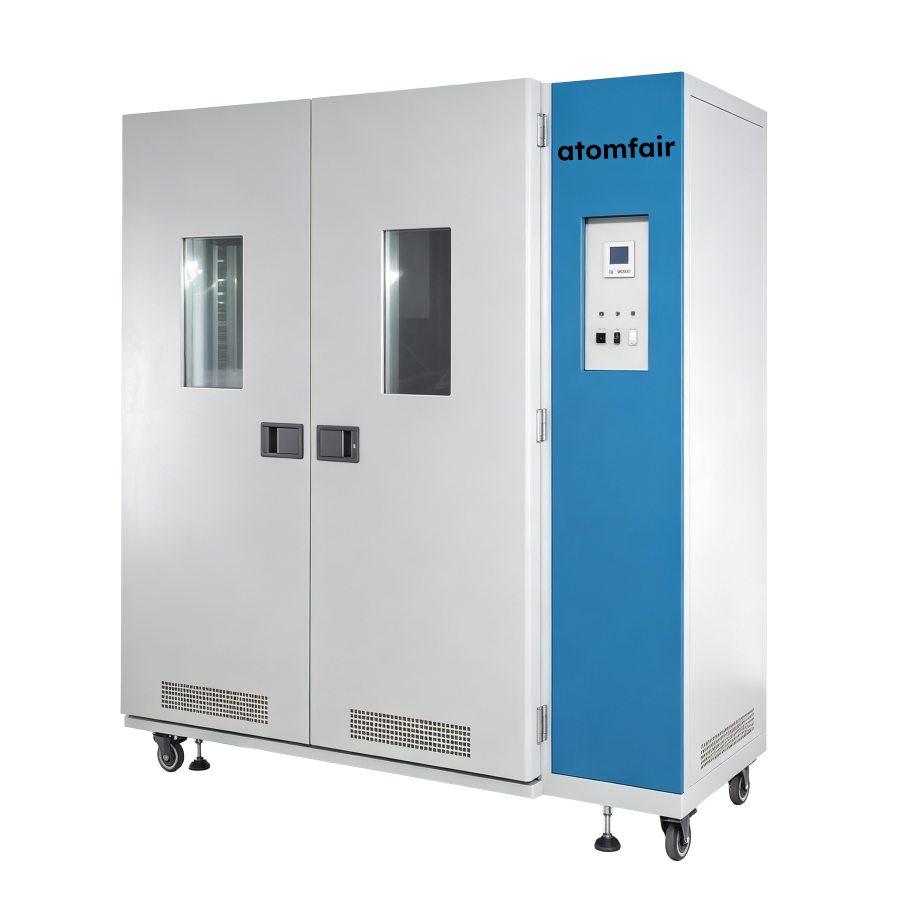
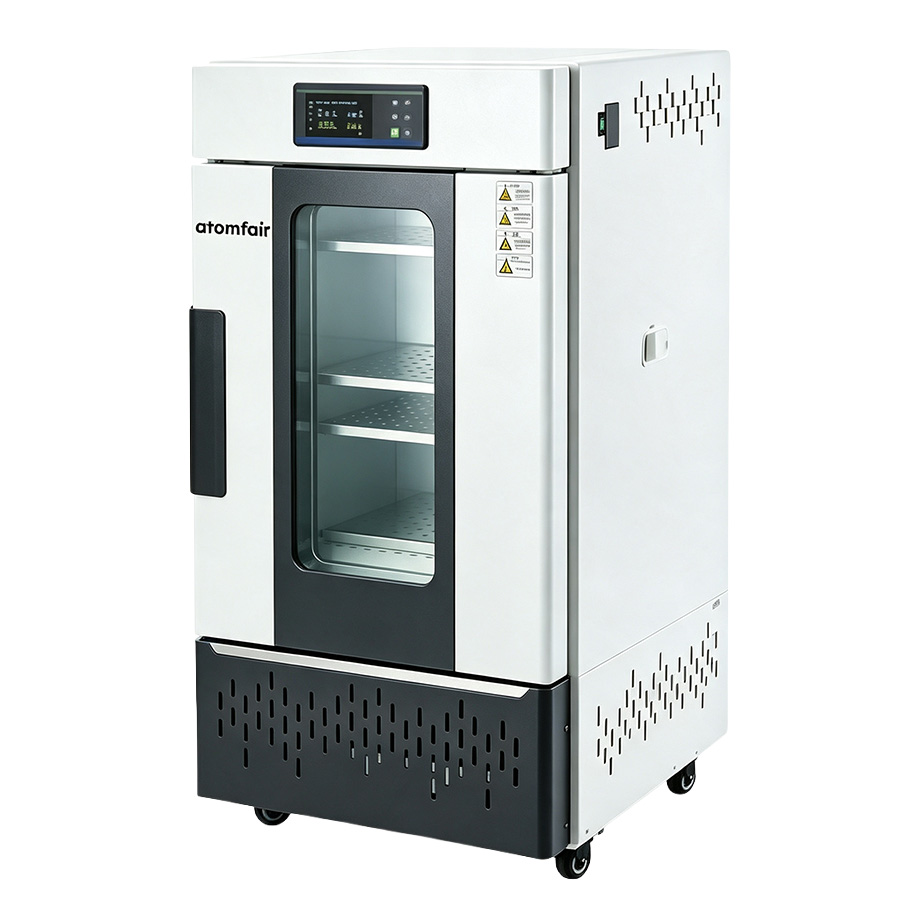
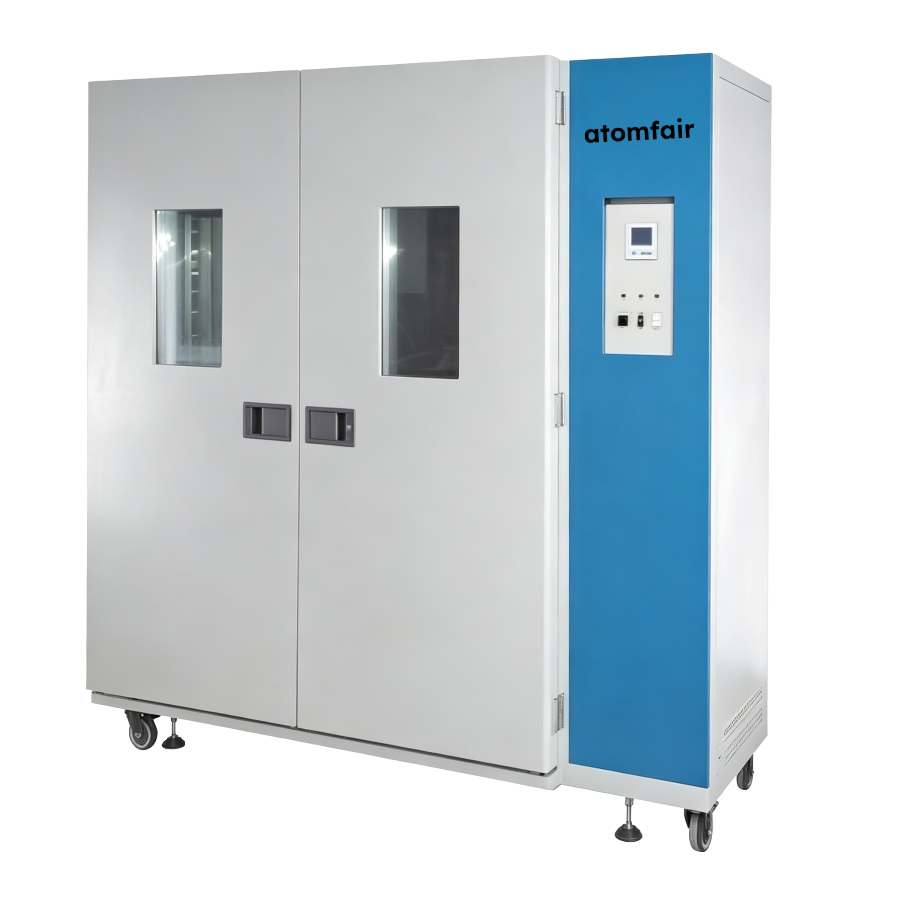
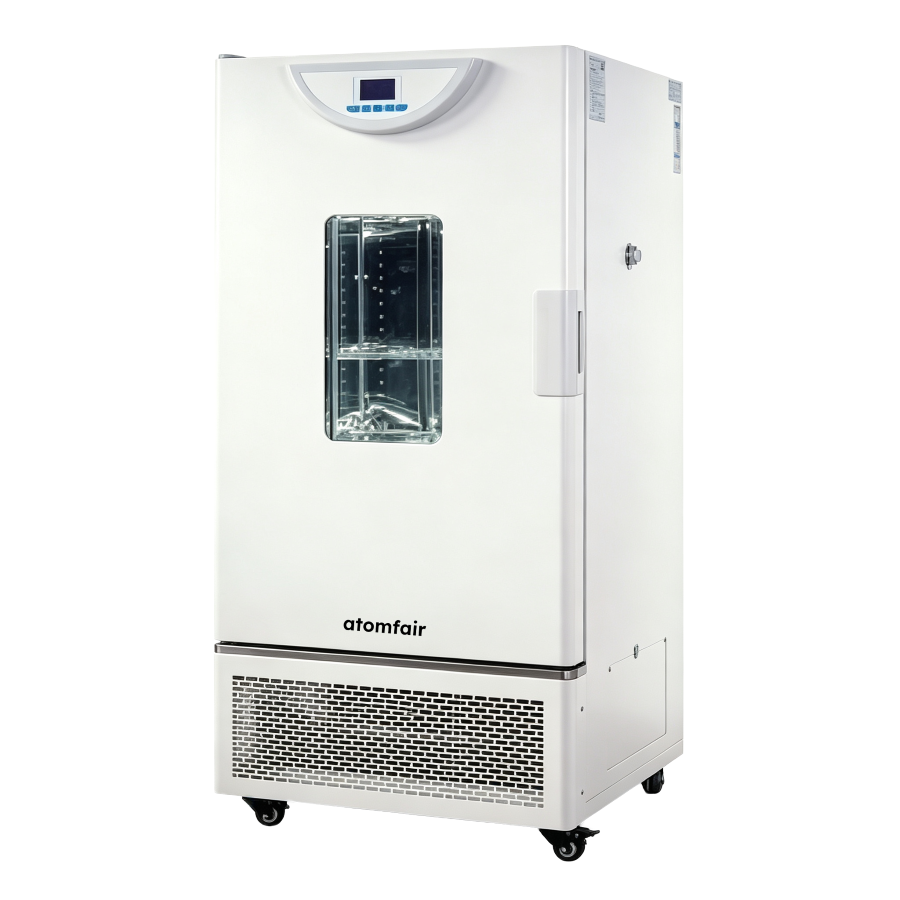
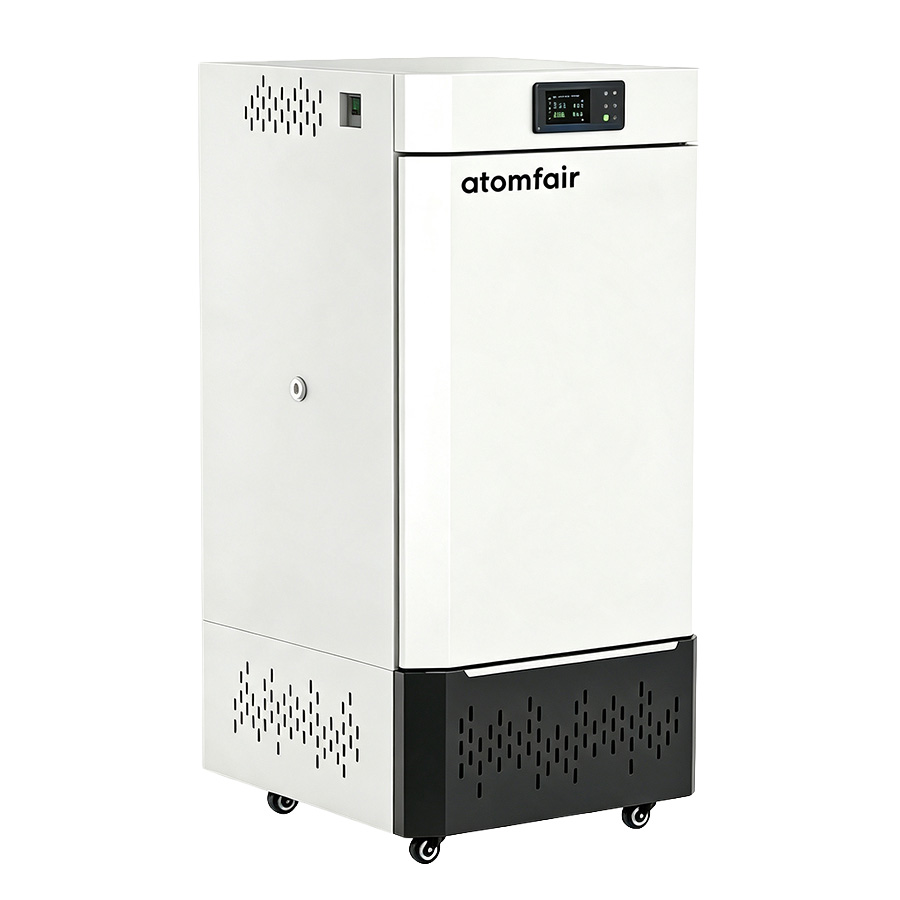
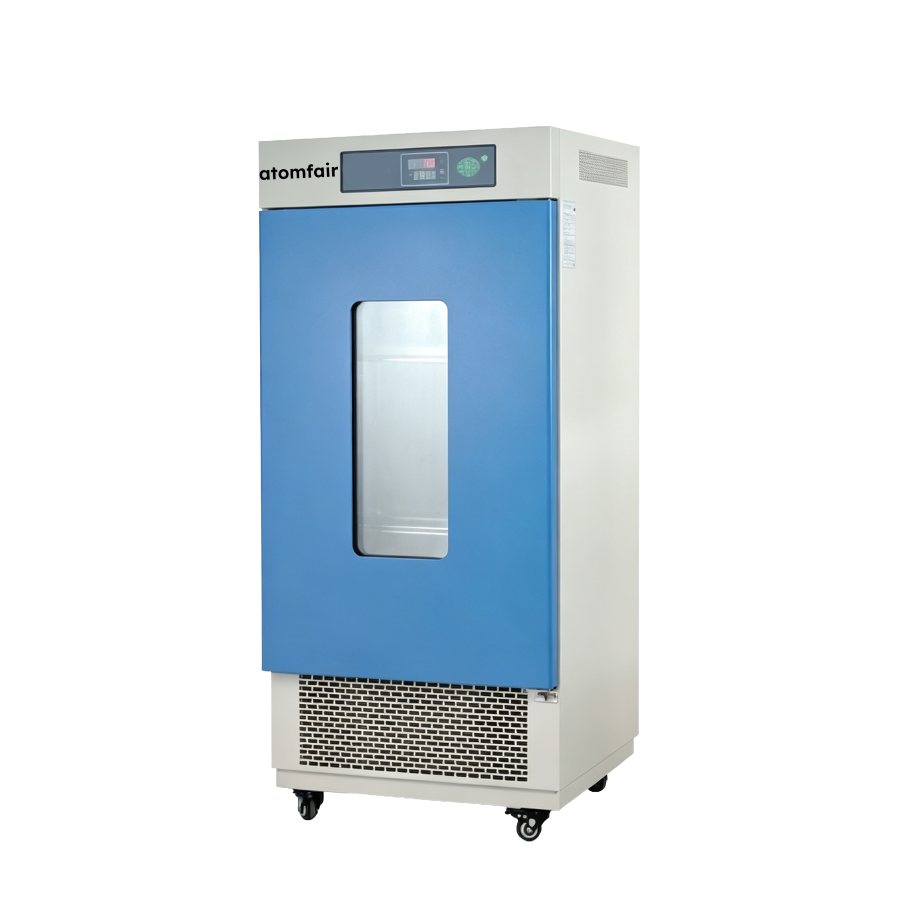
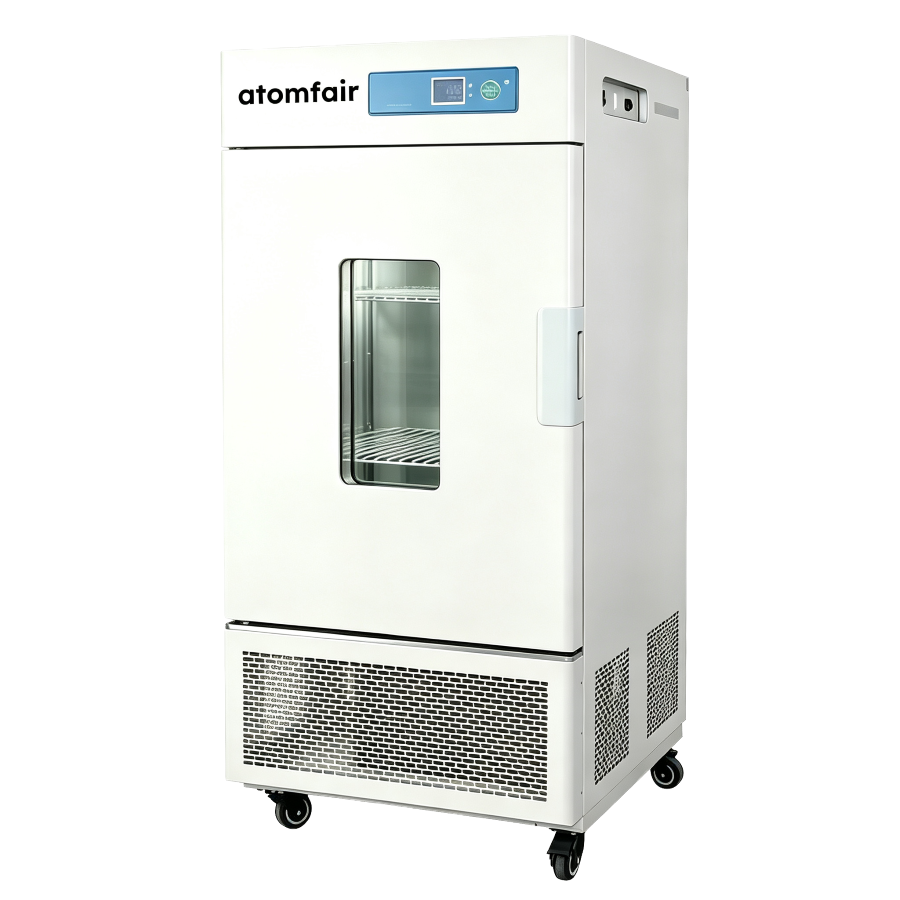
250L Low-Temperature Incubator, -10-65℃ Temperature Control Range
Research-grade laboratory product
|
|||||||||||||||||||||||||||||||||||||||||
|
|||||||||||||||||||||||||||||||||||||||||
|
LABORATORY PROCUREMENT SUPPORT
For model selection, specification comparison, accessory review, or quotation support, contact our technical sales team.
E-MAIL: inquiry@atomfair.com
|
|||||||||||||||||||||||||||||||||||||||||
|
Manufacturer: Atomfair LLC
Brand: ATOMFAIR®
|
Manufacturer: Atomfair LLC
Brand: ATOMFAIR®
The incubator imposes environmental and electrical constraints for safe operation. Ambient temperature must remain between +5 and 35°C, and the unit requires a grounded AC220V 50Hz power supply.
- Ambient Temperature Constraints: The incubator must be operated in an ambient temperature range of +5 to 35°C to maintain specified temperature performance.
- Power Supply Constraints: The unit requires a grounded AC220V 50Hz power supply with a rated input power of 1500 W.
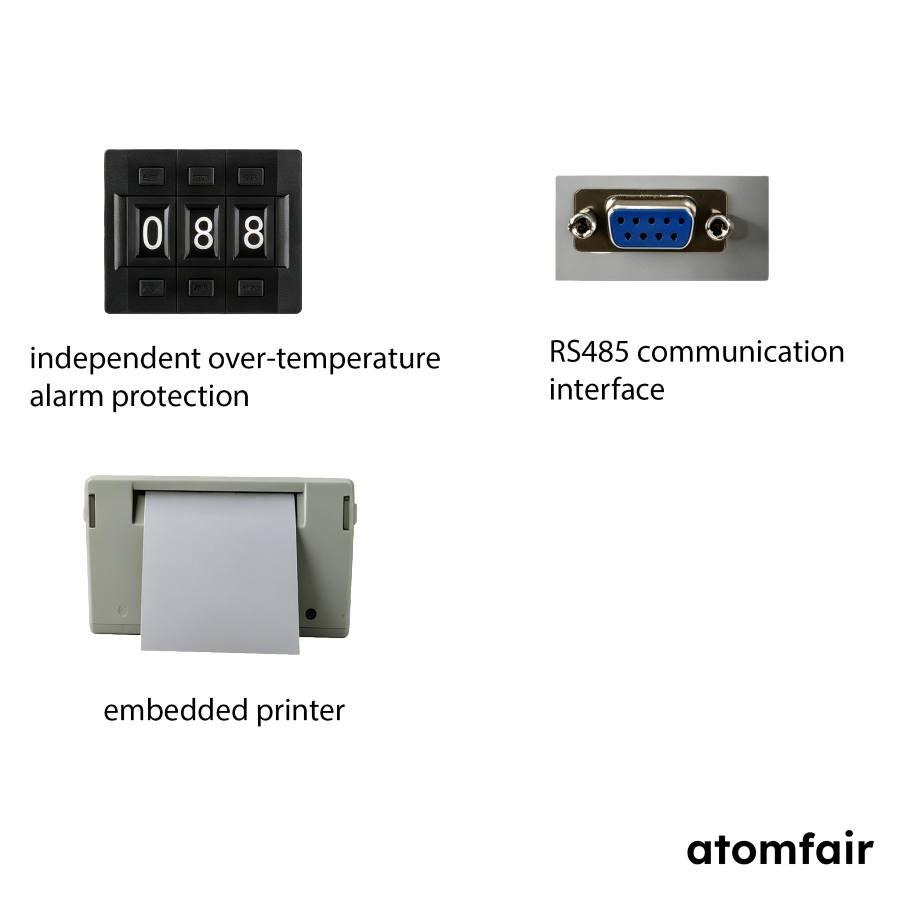
- Over-Temperature Protection: An independent over-temperature alarm system is optionally available and should be configured for critical applications.
- Timer Limit: The programmable timer operates from 0 to 5999 minutes and must be set within this range.
- Chamber Loading: The stainless-steel chamber supports adjustable shelves; avoid overloading to ensure proper airflow and temperature uniformity.
The following steps guide initial placement, power connection, temperature setting, and sample loading. Optional features such as over-temperature alarm and timer may be configured as needed.
Required Equipment: 250L Low-Temperature Incubator
- Position the Incubator
Place the incubator in a location with ambient temperature between +5 and 35°C and adequate clearance for ventilation. - Connect Power Supply
Connect the power supply to a grounded AC220V 50Hz outlet. - Set Target Temperature
Set the target temperature using the microcomputer liquid-crystal controller. - Allow Stabilization
Allow the chamber to stabilize before loading samples. - Configure Optional Alarm
Configure the optional independent over-temperature alarm if required for critical applications. - Load Samples
Load samples onto the adjustable shelves, ensuring they do not block airflow. - Monitor Operation
Monitor the temperature display regularly to verify stable operation.
How does the temperature fluctuation of ±0.5°C at high temp versus ±1.0°C at low temp affect assay reproducibility in a 250L low-temperature incubator?
The 250L low-temperature incubator provides tighter stability at elevated setpoints (±0.5°C above ambient) and looser control near the lower end of the range (±1.0°C at sub-ambient conditions), which is typical for compressor-based cooling systems. This means that low-temperature preservation or incubation at -10°C may experience greater thermal drift, potentially impacting sensitive long-term stability tests or microbial growth curves. Users should factor this asymmetry into experimental design, especially when running parallel studies across the full -10 to 65°C range.
Can this incubator be integrated with external data logging systems via the optional RS485 or USB interfaces?
Yes, the incubator supports optional RS485 communication and USB data transfer for recording temperature changes, though these features must be specified at order. The RS485 option enables connection to centralized monitoring systems for real-time data acquisition, while USB transfer allows periodic log retrieval. Since these are non-stock accessories, lead times may apply, and compatibility with existing laboratory informatics systems should be confirmed via email before purchase.
What are the electrical and placement prerequisites for installing the 250L low-temperature incubator in a standard lab?
The incubator requires a dedicated AC220V 50Hz power supply delivering 1500 W, and the unit's overall footprint of 740×900×1580 mm with a 600×500×830 mm chamber demands floor-standing placement with adequate clearance for ventilation. The operating ambient temperature range is +5 to 35°C, so it should not be placed near heat sources or in unconditioned spaces. The rounded-corner stainless-steel chamber and removable shelves facilitate cleaning and reconfiguration, but the 1580 mm height may limit bench-side installation in standard fume hood or shelving areas.
The 250L Low-Temperature Incubator (AF-LE-E-LTIN-0250-2CL5) provides a -10 to 65°C range with 0.1°C resolution and ±0.5°C (high temp) / ±1.0°C (low temp) fluctuation, enabling sub-ambient preservation and stability testing beyond standard incubators, but requires a 1500 W AC220V 50Hz supply and ambient conditions of +5 to 35°C for reliable operation.
Positive
- Sub-ambient cooling capability: Temperature range extending to -10°C allows low-temperature cultivation, sample preservation, and stability testing that standard incubators cannot perform.
- Fine temperature resolution and stability: 0.1°C resolution and fluctuation of ±0.5°C at high temperatures support reproducible incubation and preservation protocols.
Trade-offs
- Specific power and ambient requirements: Requires AC220V 50Hz at 1500 W and an ambient temperature range of +5 to 35°C, limiting deployment in facilities with non-standard electrical or environmental conditions.
- Reduced low-temp stability: Temperature fluctuation increases to ±1.0°C at low temperatures, which may affect precision-sensitive preservation or incubation tasks.
Every advanced material, component, equipment, and instrument in our catalog is backed by rigorous testing. We maintain strict internal quality management frameworks and align with CE conformity metrics to deliver transparent, reproducible performance data via our public open-science repository.
To request raw batch performance data, submit formal vendor registration paperwork, or execute a fast-turnaround R&D manufacturing loop, contact us at inquiry@atomfair.com.
Item is dispatched under the Atomfair Shipping & Delivery Framework (Free worldwide shipping on orders over $59 USD excl. heavy equipment). Return is governed by the Atomfair Return & Refund Policy (7-day technical return window).