|
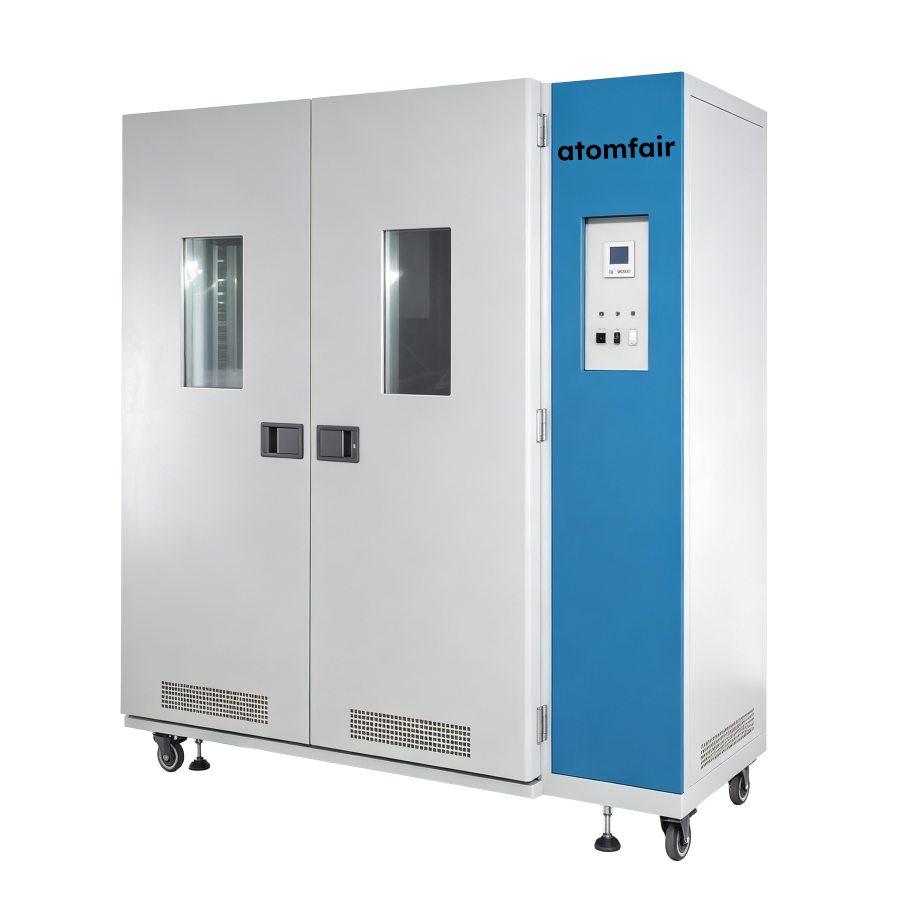
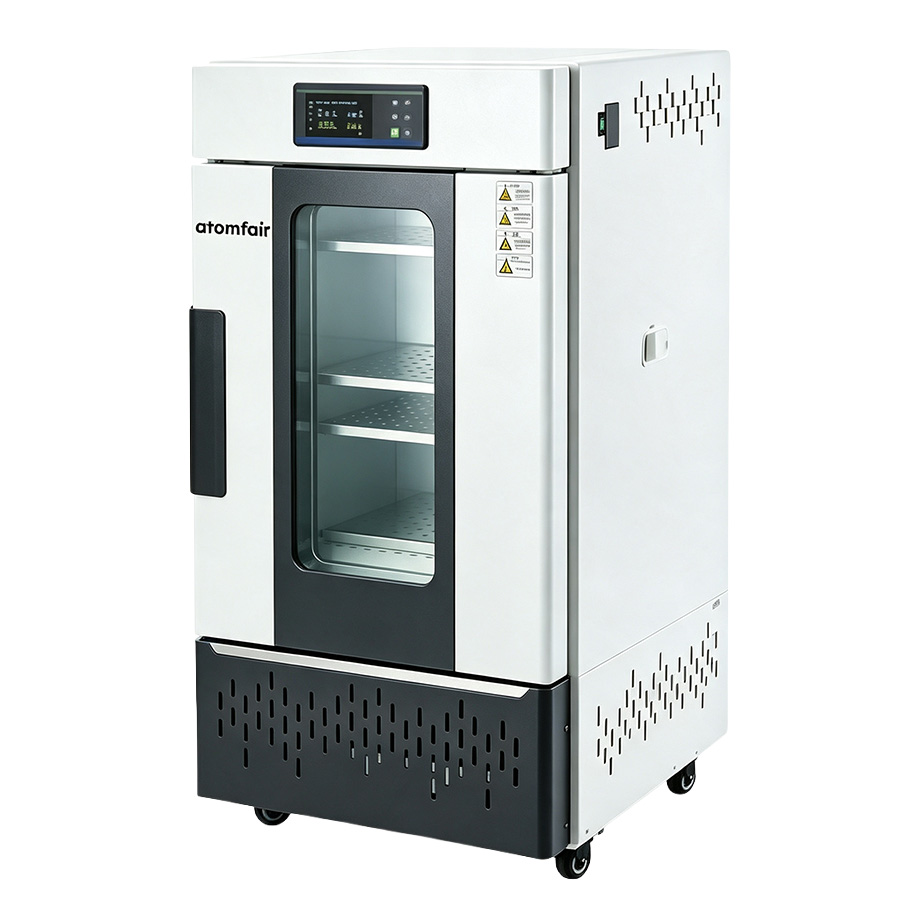
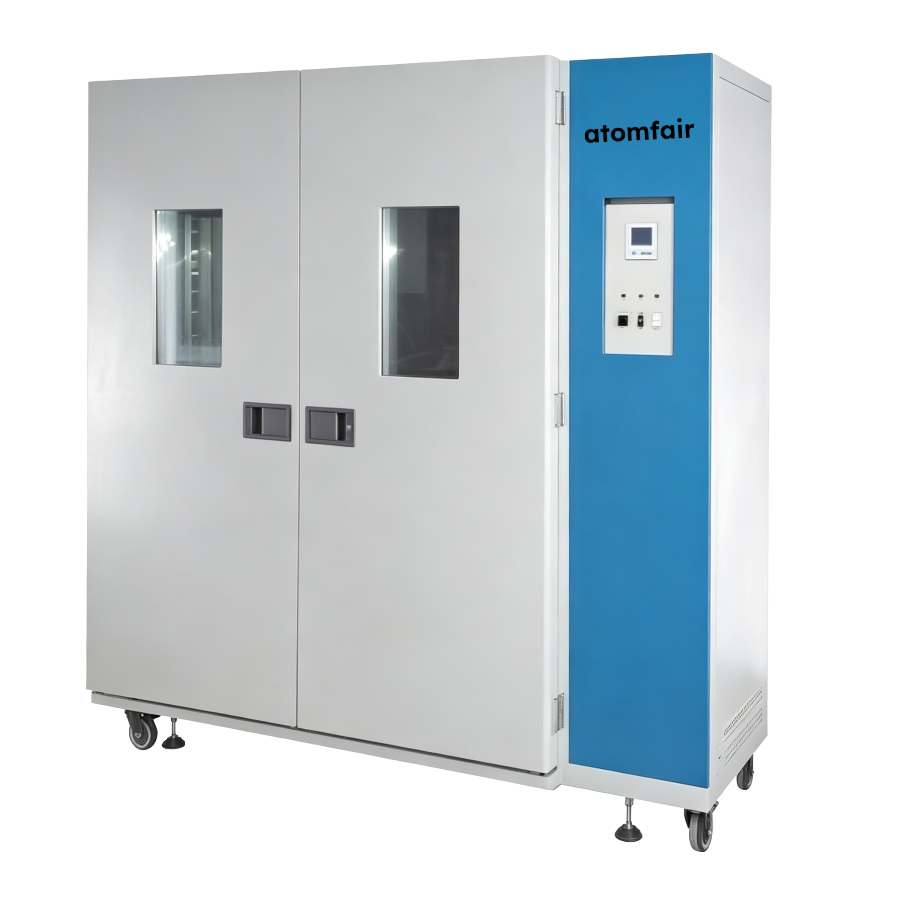
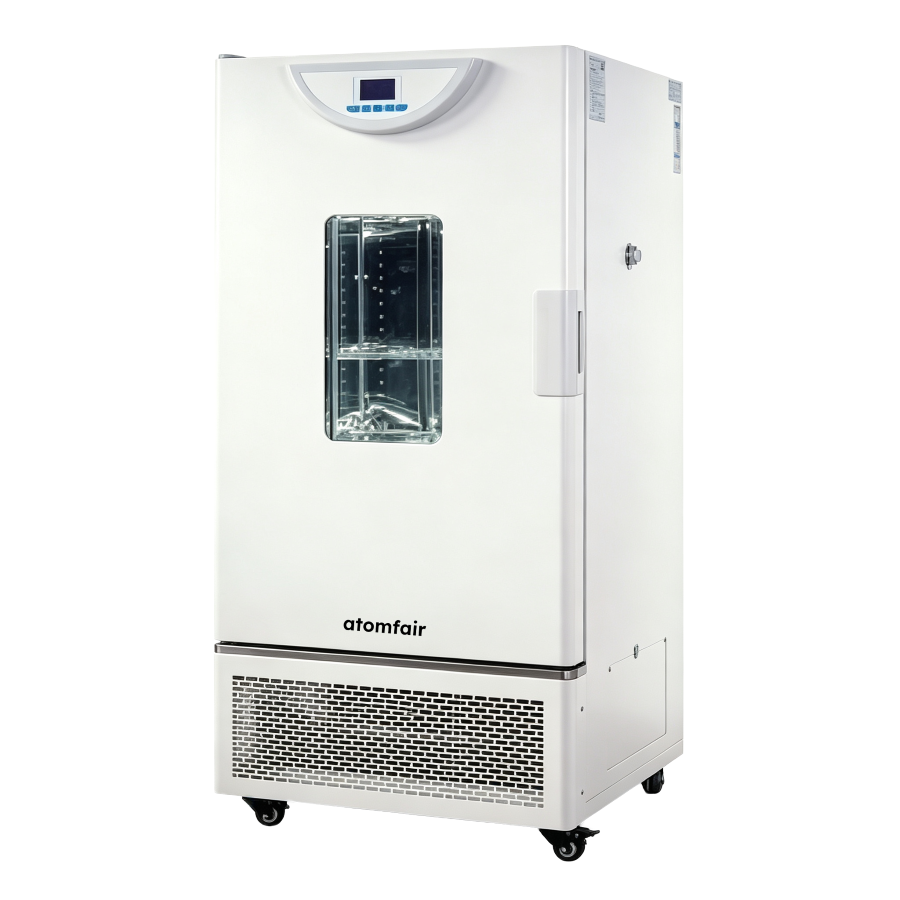
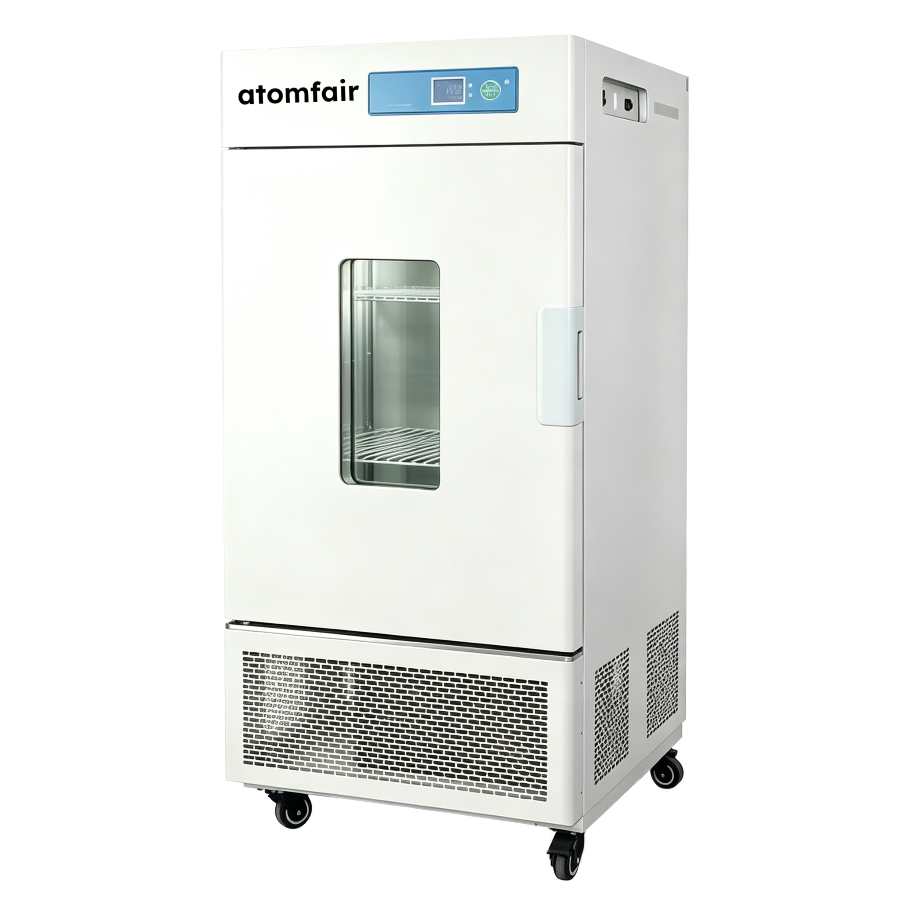
150L Low-Temperature Incubator, -10-65℃ Temperature Control Range
Research-grade laboratory product
|
|||||||||||||||||||||||||||||||||||||||||
|
|||||||||||||||||||||||||||||||||||||||||
|
LABORATORY PROCUREMENT SUPPORT
For model selection, specification comparison, accessory review, or quotation support, contact our technical sales team.
E-MAIL: inquiry@atomfair.com
|
|||||||||||||||||||||||||||||||||||||||||
|
Manufacturer: Atomfair LLC
Brand: ATOMFAIR®
|
Manufacturer: Atomfair LLC
Brand: ATOMFAIR®
Operate this incubator only within its rated ambient temperature range of +5 to 35°C and connect it to a single-phase AC220V 50Hz supply that supports the 1300W input load. Maintain unobstructed airflow and adequate service clearance around the cabinet to prevent compressor overheating and preserve temperature stability.
- Power Supply Matching: Connect the equipment exclusively to an AC220V 50Hz power source with sufficient current capacity for the stated 1300W input.
- Placement Clearance: Position the cabinet on a stable floor with clearance for ventilation and service access based on the stated overall dimensions.
- Ambient Environment: Maintain the surrounding room temperature between +5 and 35°C during operation to ensure rated temperature performance.
- Load Organization: Distribute culture vessels, bottles, and trays across the three shelves to avoid blocking internal airflow circulation.
- Contamination Control: Clean the mirror stainless-steel chamber with rounded-corner transitions after each use to minimize contamination and material degradation.
This procedure covers site preparation, electrical connection, controller programming, and sample loading for the 150L low-temperature incubator. Perform each step in sequence to establish stable chamber conditions before introducing temperature-sensitive loads.
Required Equipment: AF-LI150-CL10 microcomputer liquid-crystal temperature controller
- Position the cabinet
Position the cabinet on a stable, level floor with sufficient clearance for ventilation and service access. - Confirm power supply
Confirm the local power supply matches AC220V 50Hz and can support the 1300W input power before connection. - Connect the equipment
Connect the equipment to the AC220V 50Hz power source and turn on the main power. - Set the temperature
Set the desired temperature on the AF-LI150-CL10 microcomputer controller within the -10 to 65°C operating range. - Allow stabilization
Allow the chamber to stabilize at the target temperature before loading samples. - Load samples
Load flasks, bottles, or trays onto the three shelves without blocking airflow. - Monitor operation
Monitor temperature readings periodically and adjust the controller as needed to maintain the selected setpoint.
What temperature stability does the 150L low-temperature incubator have at refrigerated versus higher setpoints?
During high-temperature operation the published temperature fluctuation is ±0.5°C; during low-temperature operation it is ±1.0°C, with a 0.1°C temperature resolution. This means sub-ambient setpoints can tolerate slightly wider fluctuation than elevated setpoints, which is relevant for preservation and low-temperature incubation applications.
What electrical supply and installation conditions are required for this incubator?
The incubator is specified for AC220V 50Hz with an input power of 1300W. It is a floor-standing unit with overall dimensions of 690×800×1410mm and a 550×405×670mm chamber, and the published operating ambient temperature range is +5 to 35°C. The installation site should be checked against these electrical, footprint, and ambient conditions before ordering.
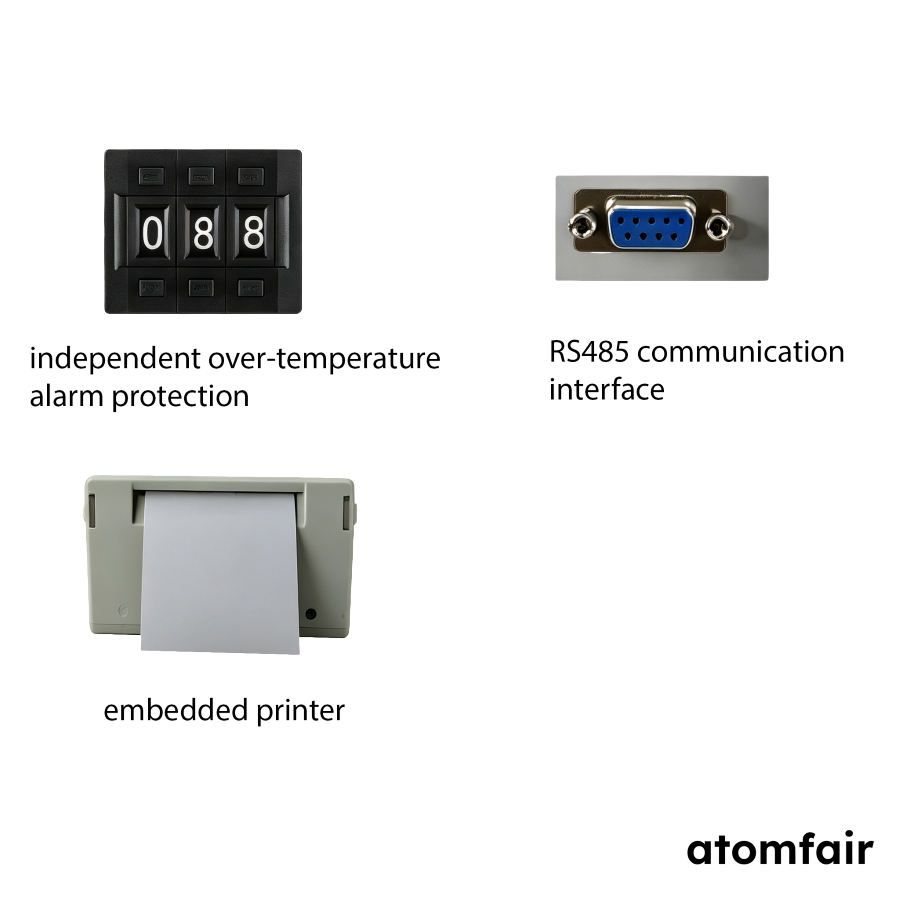
Can temperature recording, data export, and independent over-temperature alarm protection be added to this incubator?
Yes, as optional features: an embedded printer or RS485 communication interface for recording temperature changes, USB data transfer for selected configurations, independent over-temperature alarm protection where supported, multi-segment programmable control, and UV sterilization for applicable mold configurations. Some accessories may be non-stock and require lead time, so availability and quotation should be confirmed by email before ordering.
The 150L low-temperature incubator provides -10 to 65°C control with 0.1°C resolution and dual-zone fluctuation specifications (±0.5°C at high temp, ±1.0°C at low temp), supporting cultivation, preservation, and stability testing. Cooling via compressor and circulation fan extends application range below ambient, while the mirror stainless-steel chamber with rounded corners facilitates cleaning and loading.
Positive
- Sub-ambient temperature capability: Temperature range down to -10°C enables low-temperature cultivation, preservation, and stability testing beyond standard incubators, without requiring separate refrigeration units.
- Fine temperature resolution and control: 0.1°C resolution with high temp fluctuation of ±0.5°C supports repeatable setpoint adjustment for routine methods, though low temp operation widens to ±1.0°C.
Trade-offs
- Uneven fluctuation at low temperatures: Temperature fluctuation degrades to ±1.0°C at low end, which may challenge applications requiring sub-ambient precision comparable to high-temp stability of ±0.5°C.
- Infrastructure and ambient constraints: Requires AC220V 50Hz power supply and ambient temperature of +5 to 35°C, limiting deployment in facilities with non-standard electrical or HVAC conditions.
Every advanced material, component, equipment, and instrument in our catalog is backed by rigorous testing. We maintain strict internal quality management frameworks and align with CE conformity metrics to deliver transparent, reproducible performance data via our public open-science repository.
To request raw batch performance data, submit formal vendor registration paperwork, or execute a fast-turnaround R&D manufacturing loop, contact us at inquiry@atomfair.com.
Item is dispatched under the Atomfair Shipping & Delivery Framework (Free worldwide shipping on orders over $59 USD excl. heavy equipment). Return is governed by the Atomfair Return & Refund Policy (7-day technical return window).