ATOMFAIR® LITHIUM METAL DISCRESEARCH GRADE MATERIAL
|
|||||||||||||||||||||||||||||||||||||
|
|||||||||||||||||||||||||||||||||||||
|
TAILORED SOLUTIONS FOR RESEARCH
Contact our engineering team for technical support or official institutional quotations.
EMAIL: inquiry@atomfair.com
|
|||||||||||||||||||||||||||||||||||||
|
Manufacturer: Atomfair LLC
Brand: ATOMFAIR®
|
|||||||||||||||||||||||||||||||||||||
Metallic lithium reacts spontaneously with moisture and oxygen, requiring strict inert-atmosphere containment. The material remains stable only within hermetically sealed sub-vials under argon and must never contact ambient air.
- Atmospheric Reactivity: Exposure to normal air triggers spontaneous hazardous oxidation that nullifies compliance warranties.
- Container Atmosphere: The outermost container holds ambient atmosphere and must not be unsealed outside airlock systems.
- Glovebox Requirement: The internal vacuum-packed aluminum foil pouch must only be opened inside a qualified inert gas glovebox.
- Surface Condition: Micro-wrinkles and strong protective film adhesion are normal material phenomena for ultra-soft research-grade lithium matrices.
- Post-Sampling Sealing: Sub-vial caps must be tightly secured immediately after each micro-sampling step to suppress secondary contamination.
Chronological handling procedure for transferring and preparing lithium metal discs while preventing spontaneous oxidation. All unsealing and surface maintenance steps must occur within a qualified inert gas glovebox.
Required Equipment: Qualified inert gas glovebox, Fine laboratory brush
- Transfer outer container
Transfer the outer container into an airlock system before any unsealing. - Open outer container
Open the outermost container only within the airlock system to avoid ambient atmosphere ingress. - Move pouch to glovebox
Move the vacuum-packed aluminum foil pouch into a qualified inert gas glovebox. - Open foil pouch
Open the internal aluminum foil pouch exclusively inside the inert gas glovebox. - Restore surface luster
Sweep the disc profile gently with a fine laboratory brush inside the glovebox to remove minor surface tarnish or trace oxidation. - Reseal sub-vial
Secure the sub-vial cap tightly immediately after each micro-sampling step to suppress secondary contamination.
Why is ATOMFAIR® Lithium Metal Disc preferred as a lithium metal battery half-cell foil alternative?
ATOMFAIR® Lithium Metal Disc functions as a premier research-grade alternative to standard lithium metal battery half-cell foil. It delivers optimized interfacial charge transfer kinetics, significantly boosting performance metrics and phase purity during laboratory testing workflows.
How to prevent lithium disc deformation or soft metal distortion?
To successfully solve how to prevent lithium disc deformation or soft metal distortion without secondary contamination, this material must be handled strictly according to handling protocols inside glovebox.
How does ATOMFAIR® Lithium Metal Disc compare to traditional alternative options regarding operational stability?
Compared to standard alternatives, the pure lithium disc delivers stable interfacial behaviour. This unique architecture dramatically enhances structural resistance against degradation, preserving long-term validation integrity.
What material processing benefits does the microstructure of ATOMFAIR® Lithium Metal Disc offer?
Boasting engineered particle structuring and optimized specific surface area, this pure lithium disc facilitates ideal grain boundary integration during cell fabrication.
How is the phase purity and quality control of this research-grade batch validated?
Every competitive batch undergoes rigid analytical quality validation testing. Total elemental and metallic impurities are strictly regulated below strict industry thresholds to eliminate parasitic electronic leakage and maintain uncompromised data reproducibility.
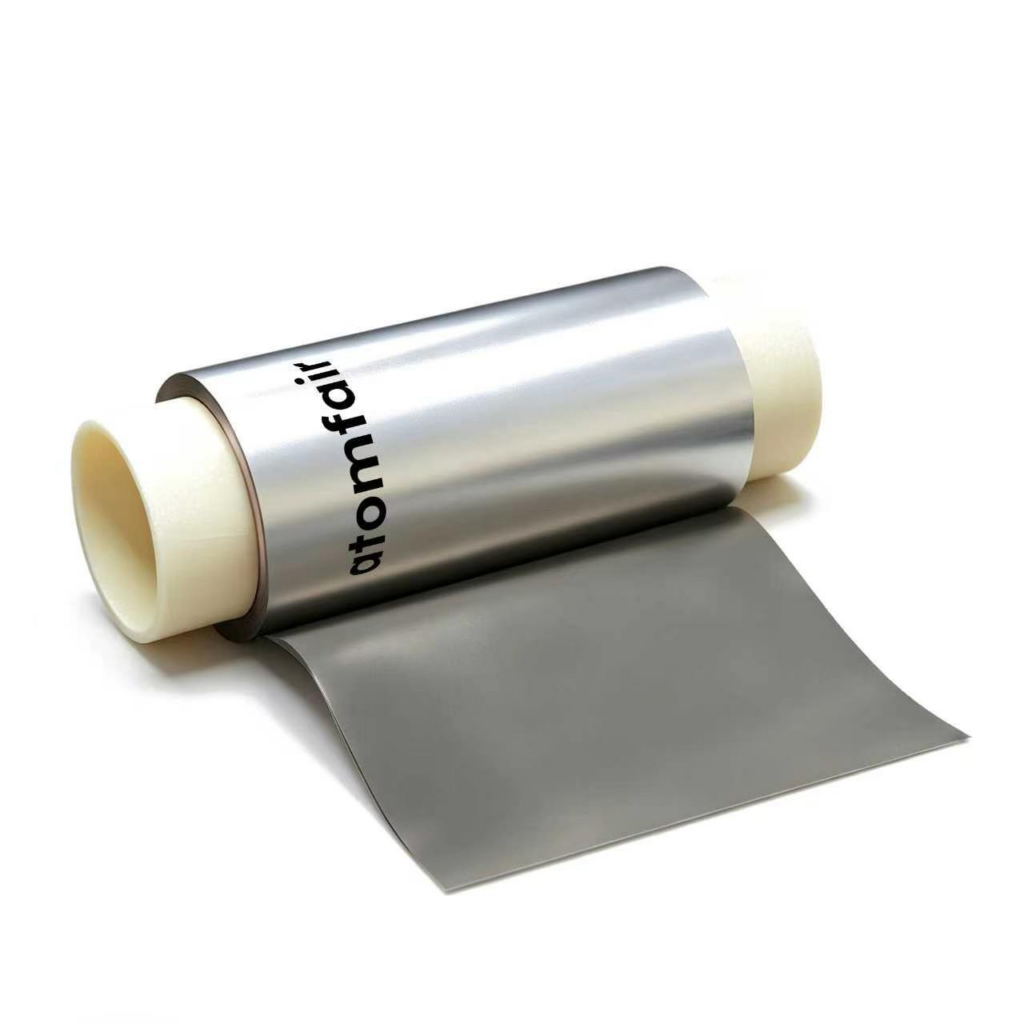
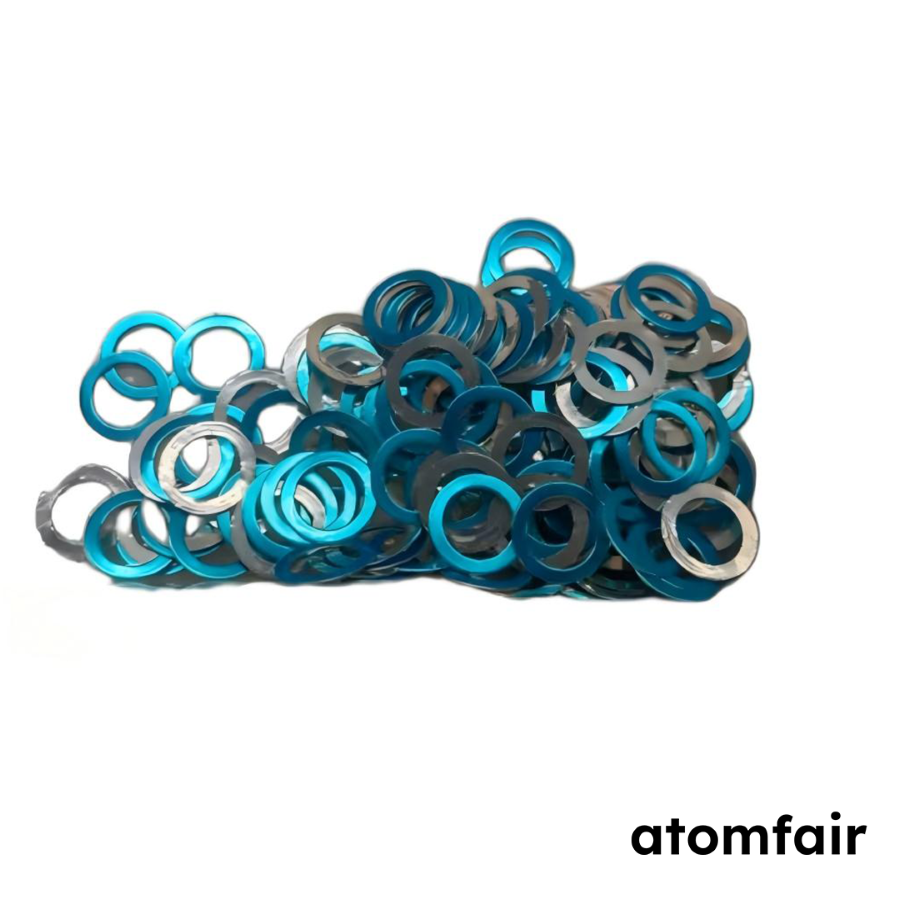
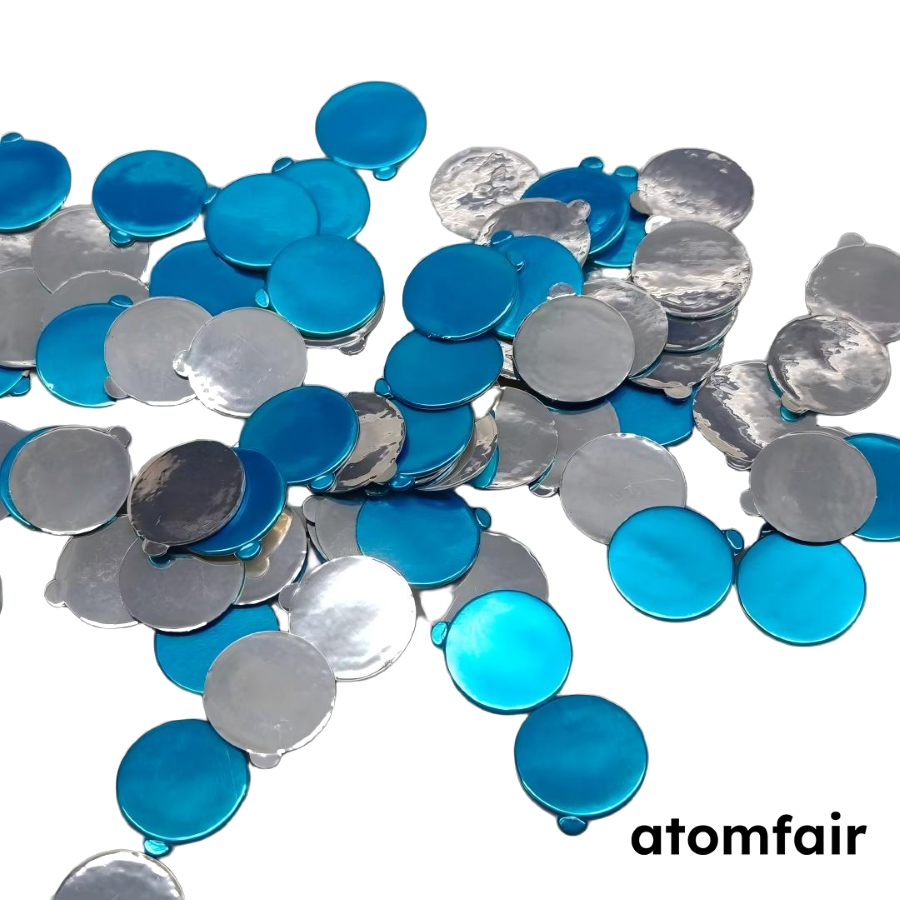
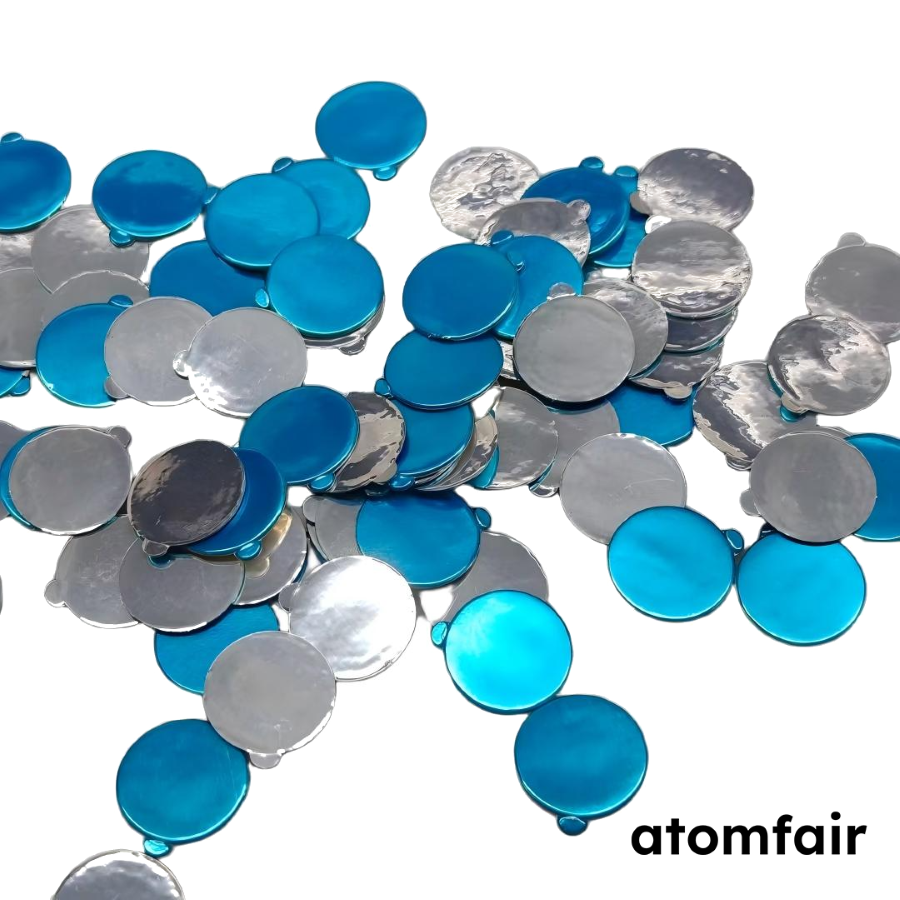
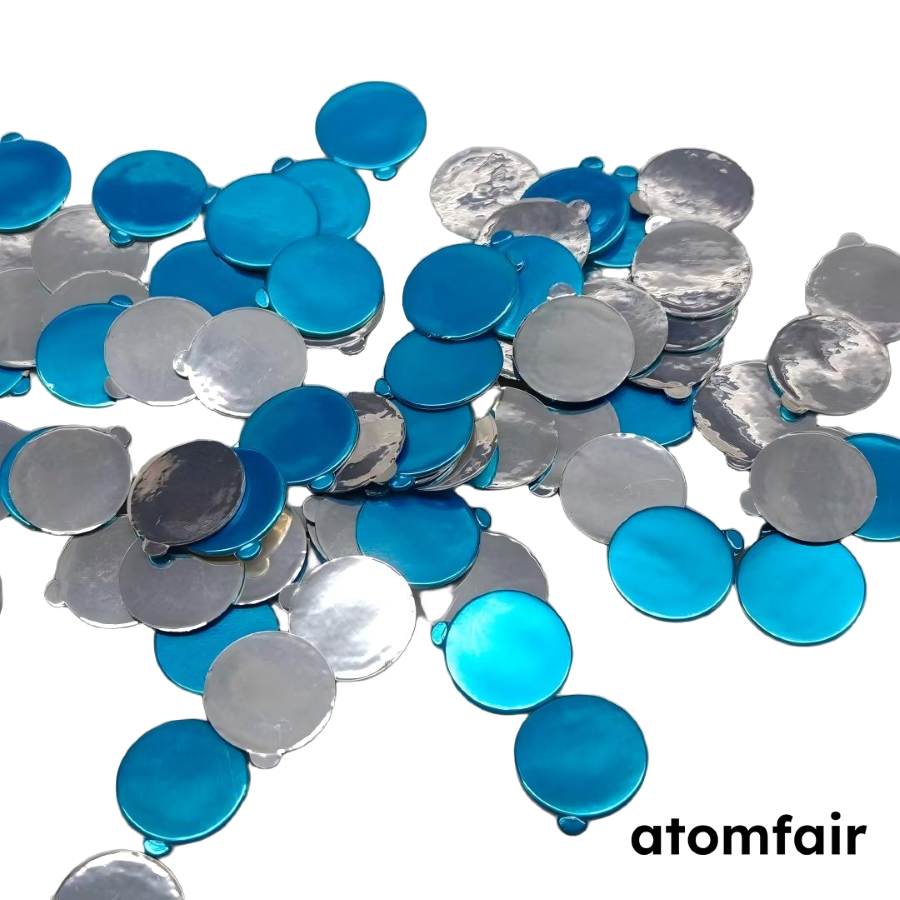
The ATOMFAIR® high-purity lithium metal disc is a free-standing, collector-free lithium matrix supplied in three diameter/thickness formats (φ15.6×0.45 mm, φ15.8×0.6 mm, φ16×0.6 mm) for lithium-ion and lithium-metal half-cell baseline testing. Its value lies in consistent elemental purity and glovebox-compatible packaging, but it demands strict inert-atmosphere handling because the soft lithium phase is hyper-reactive to moisture and oxygen.
Positive
- Collector-free lithium matrix: Pure free-standing lithium metal without aluminum or copper current collector substrates simplifies electrolyte validation workflows and eliminates substrate-related interfacial variables in half-cell testing.
- Uniform purity for baseline control: Highly uniform elemental distribution across the alkali matrix prevents parasitic electronic leakage and supports reproducible cell-to-cell baseline testing control.
Trade-offs
- Glovebox-only opening requirement: The internal aluminum foil pouch is vacuum-packed under ultra-pure argon and must only be opened inside a qualified inert gas glovebox; exposure to normal air triggers spontaneous hazardous oxidation and voids compliance warranties.
- Soft lithium deformation sensitivity: The ultra-soft lithium phase exhibits micro-wrinkles and strong protective film adhesion as normal traits, requiring careful handling to prevent deformation or soft metal distortion without secondary contamination.
Every advanced material, component, equipment, and instrument in our catalog is backed by rigorous testing. We maintain strict internal quality management frameworks and align with CE conformity metrics to deliver transparent, reproducible performance data via our public open-science repository.
To request raw batch performance data, submit formal vendor registration paperwork, or execute a fast-turnaround R&D manufacturing loop, contact us at inquiry@atomfair.com.
Item is dispatched under the Atomfair Shipping & Delivery Framework (Free worldwide shipping on orders over $59 USD excl. heavy equipment). Return is governed by the Atomfair Return & Refund Policy (7-day technical return window).