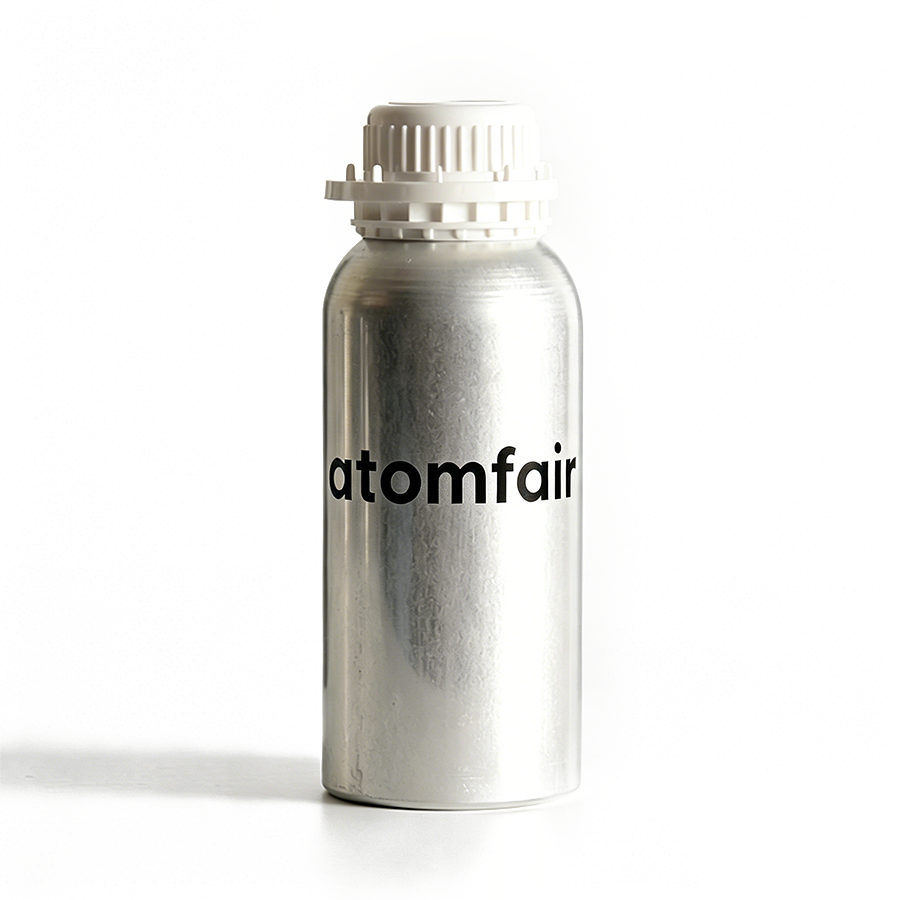
ATOMFAIR® LITHIUM HEXAFLUOROPHOSPHATEBATTERY GRADE / HIGH PURITY (99.9%)
|
||||||||||||||||||||||||||||||||||||||
|
||||||||||||||||||||||||||||||||||||||
Lithium hexafluorophosphate is a moisture-sensitive salt that undergoes hydrolysis upon exposure to ambient humidity. Storage under inert atmosphere and anhydrous conditions is mandatory to preserve chemical integrity.
- Moisture Sensitivity: The material is highly hygroscopic and must be handled exclusively in a dry inert atmosphere to prevent hydrolytic decomposition.
- Inert Atmosphere Storage: Store the salt in an argon- or nitrogen-filled glovebox with continuously monitored low moisture content.
- Temperature Stability: Maintain storage at room temperature in a cool, dry location away from direct heat sources to avoid thermal stress.
- Containment Requirements: Keep the container sealed under inert gas after each use to minimize moisture ingress and contamination.
This procedure outlines the safe transfer and dissolution of LiPF6 salt for electrolyte formulation. Strict adherence to inert atmosphere techniques is required to prevent hydrolysis.
Required Equipment: Argon-filled glovebox, Analytical balance, Anhydrous solvent bottle, Sealed glass vial
- Transfer to Glovebox
Transfer the sealed LiPF6 container into an argon-filled glovebox with moisture and oxygen levels below 0.1 ppm. - Weigh the Salt
Weigh the desired amount of LiPF6 on an analytical balance inside the glovebox using a dry, clean spatula. - Prepare the Solvent
Add an appropriate anhydrous organic carbonate solvent to a dry glass vial under inert atmosphere. - Dissolve the Salt
Slowly add the weighed LiPF6 to the solvent while stirring gently until complete dissolution is achieved. - Seal and Store
Seal the vial with a gas-tight cap and store the electrolyte solution in the glovebox until use.
How does the high hygroscopicity of LiPF6 affect its electrochemical performance as an electrolyte salt in lithium-ion batteries?
The high hygroscopicity of LiPF6 necessitates moisture-controlled handling to maintain the 99.9% purity. Absorbed moisture triggers decomposition, releasing PF5 and producing hydrofluoric acid, which degrades electrolyte conductivity and accelerates capacity fade. To preserve performance, the salt must be stored and processed in environments with less than 1 ppm water, typically in an inert-atmosphere glovebox.
What solvents are compatible with LiPF6 for preparing battery-grade electrolytes?
LiPF6 dissolves readily in anhydrous carbonate organic solvents such as ethylene carbonate, dimethyl carbonate, and ethyl methyl carbonate, which are standard in lithium-ion battery electrolytes. It is also soluble in low concentrations of methanol, ethanol, and propanol, but water-based solutions are unsuitable due to hydrolysis. For optimal stability and ionic conductivity, only dry carbonate solvent mixtures should be used.
What are the critical storage requirements for LiPF6 to prevent decomposition and maintain purity?
LiPF6 must be stored in a cool, dry place in tightly sealed containers to exclude all moisture, as ambient humidity causes chemical decomposition, releasing PF5 gas and generating white smoke. Isolation from incompatible materials is also required. For long-term stability, storage under inert atmosphere (argon or nitrogen) is recommended, and the packaging should remain unopened until use in a controlled environment.
This high-purity (99.9%) LiPF6 salt is engineered for advanced lithium-ion battery prototyping, but its extreme hygroscopicity and thermal decomposition to PF5 mandate rigorous moisture- and air-controlled handling and storage environments.
Positive
- 99.9% battery-grade purity: Synthesized through stringently controlled chemical processes, the material guarantees high purity essential for reliable electrochemical studies and advanced battery research.
- Solubility in key electrolyte solvents: Dissolves readily in carbonate organic solvents, making it directly suitable as a core electrolyte matrix for lithium-ion battery prototyping without complex formulation steps.
Trade-offs
- Extreme moisture sensitivity: The compound is highly hygroscopic and absorbs moisture from ambient air, requiring storage in tightly sealed containers under dry, inert conditions to prevent degradation.
- Decomposition upon air exposure or heating: LiPF6 decomposes in air or when heated, releasing toxic PF5 gas and white smoke; handling mandates strict use of PPE and well-ventilated environments to avoid exposure.
Every advanced material, component, equipment, and instrument in our catalog is backed by rigorous testing. We maintain strict internal quality management frameworks and align with CE conformity metrics to deliver transparent, reproducible performance data via our public open-science repository.
To request raw batch performance data, submit formal vendor registration paperwork, or execute a fast-turnaround R&D manufacturing loop, contact us at inquiry@atomfair.com.
Item is dispatched under the Atomfair Shipping & Delivery Framework (Free worldwide shipping on orders over $59 USD excl. heavy equipment). Return is governed by the Atomfair Return & Refund Policy (7-day technical return window).