|
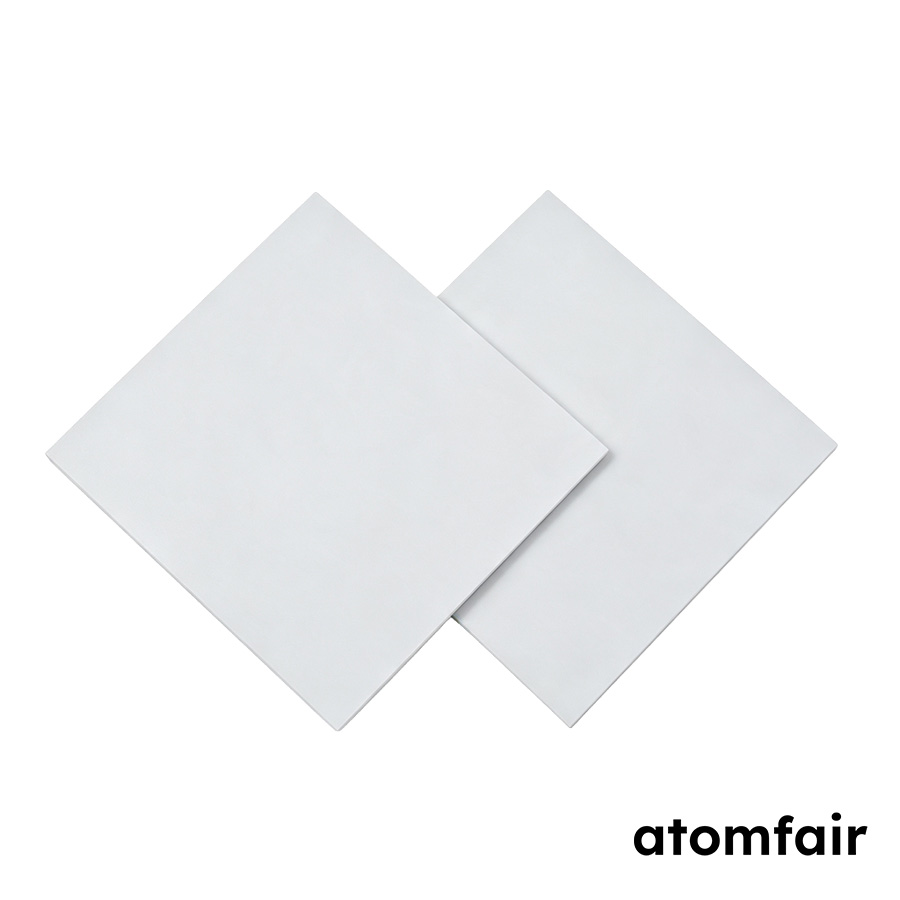
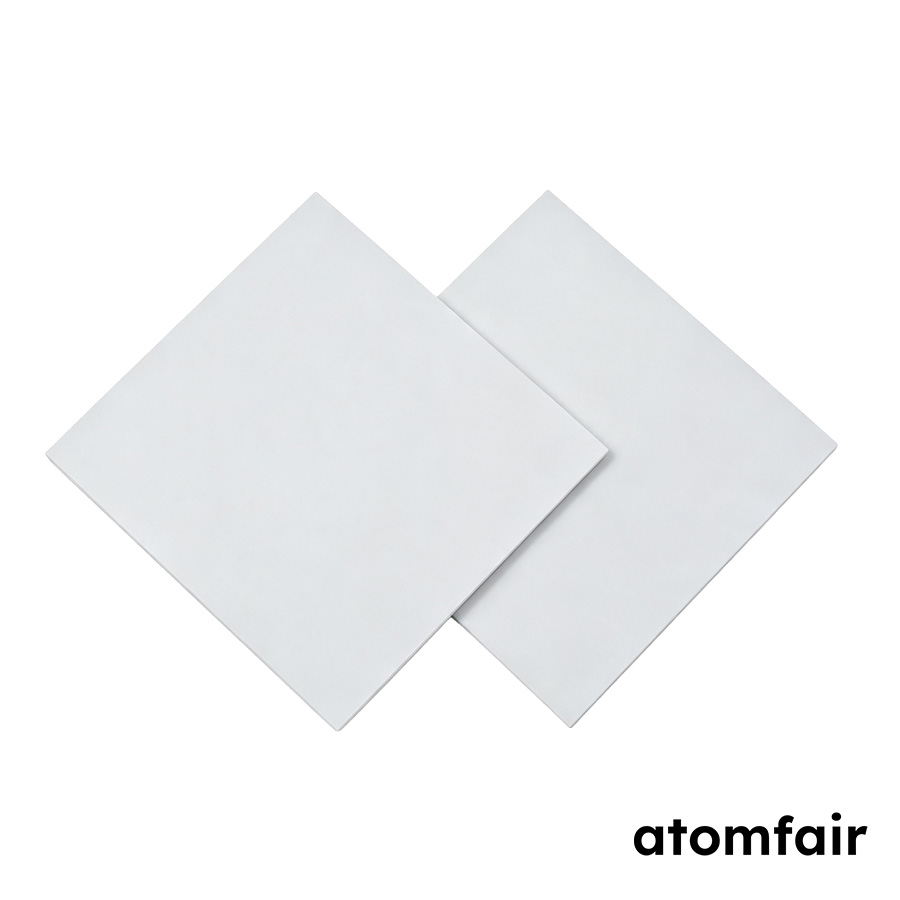
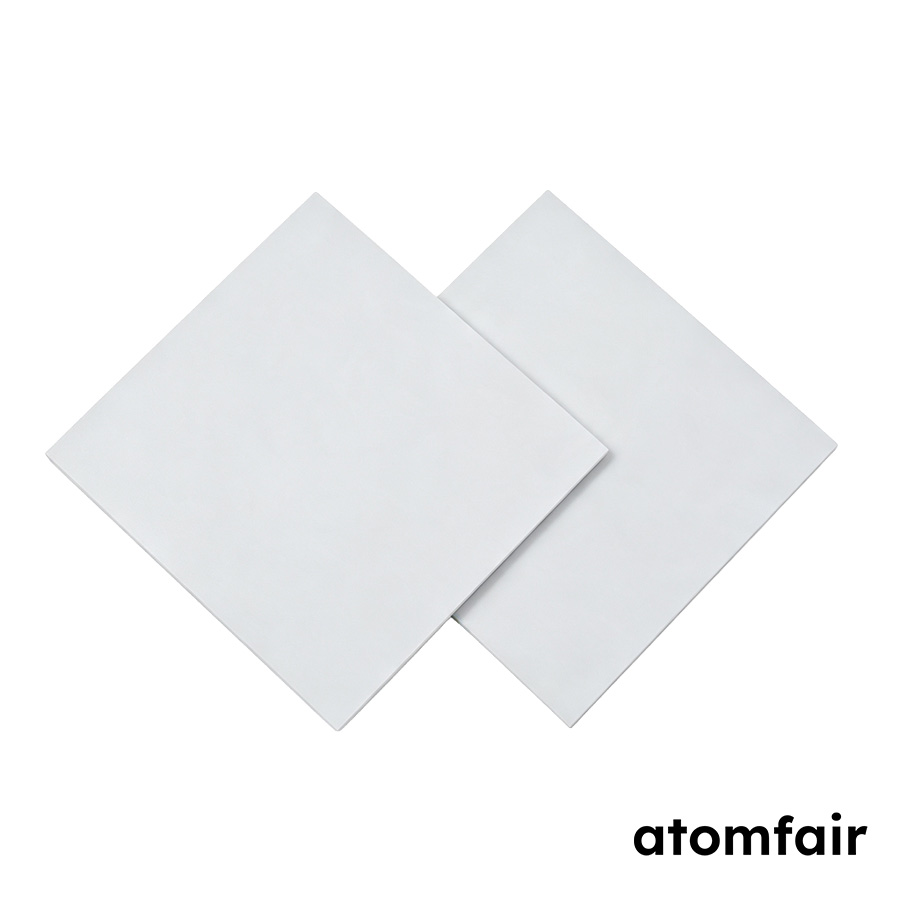
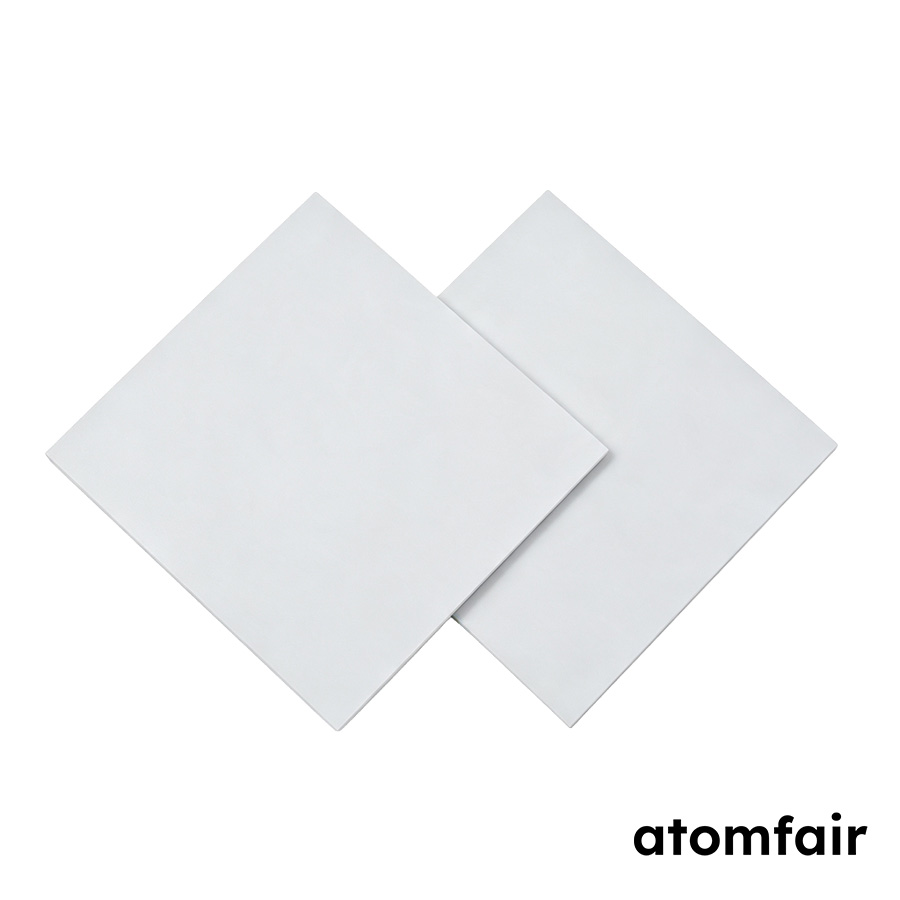
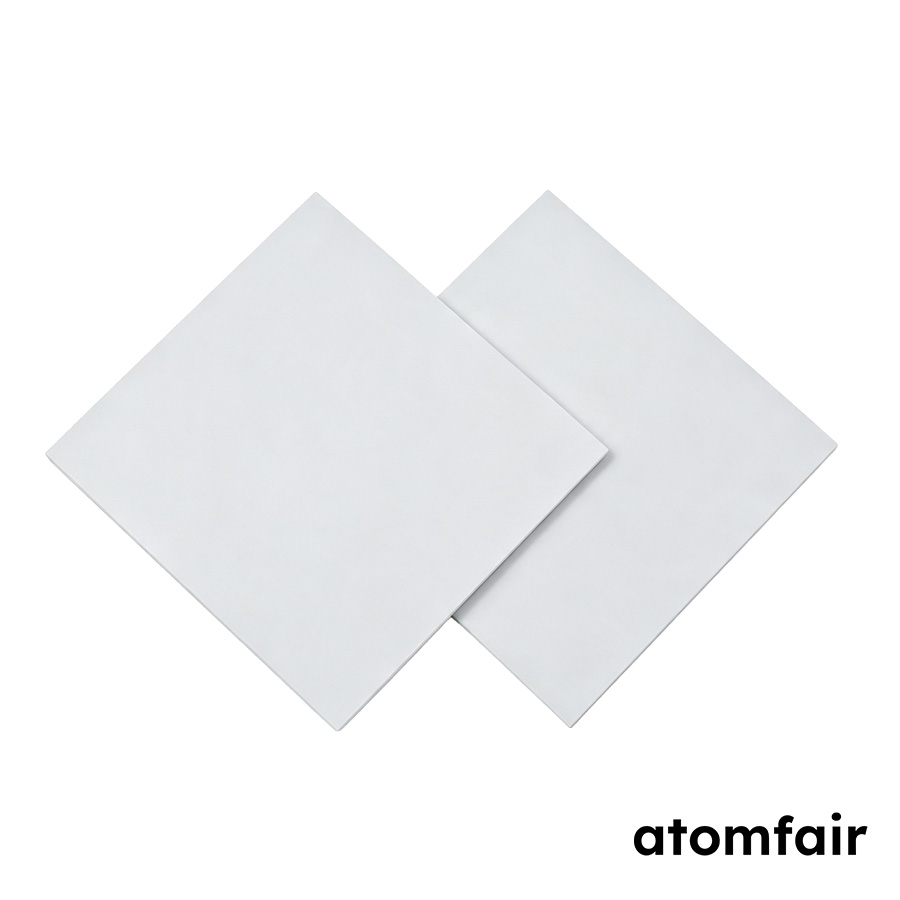
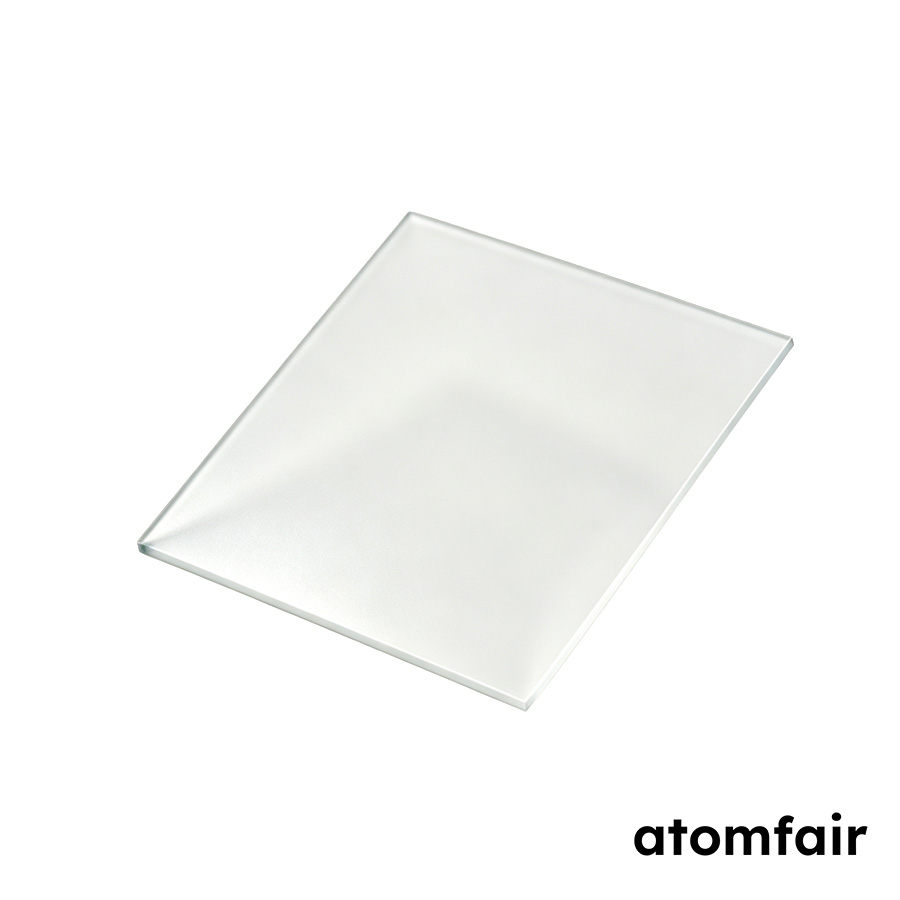
Lanthanum Aluminate Single Crystal Substrate, (100), DSP (10 pcs/box)
Product Type: LaAlO3 single crystal substrate
Research-grade laboratory product
|
|||||||||||||||||||||||||||||||||||||||||||||||||||
|
|||||||||||||||||||||||||||||||||||||||||||||||||||
|
LABORATORY PROCUREMENT SUPPORT
For material matching, specification review, model selection or configuration confirmation, contact our technical sales team.
E-MAIL: inquiry@atomfair.com
|
|||||||||||||||||||||||||||||||||||||||||||||||||||
|
Manufacturer: Atomfair LLC
Brand: ATOMFAIR®
|
This substrate exhibits natural twin domains and a brown-yellow appearance that varies with annealing condition. Chemical stability is limited to mineral acids at room temperature, with solubility only in phosphoric acid above 150°C.
- Thermal and Environmental Sensitivity: The loss tangent decreases from approximately 3 × 10⁻⁴ at 300 K to 0.6 × 10⁻⁴ at 77 K, indicating temperature-dependent dielectric performance.
- Handling and Processing Constraints: Confirm that the substrate material and crystal family match the target thin-film or device workflow to avoid incompatibility during deposition or annealing.
Proper handling and preparation are critical to maintain surface quality and crystal integrity. Follow these steps to ensure optimal substrate condition before thin-film deposition.
Required Equipment: Cleanroom-grade tweezers, Optical microscope for surface inspection
- Inspect Substrate Surface
Inspect each substrate under an optical microscope to verify the absence of visible scratches, cracks, or particulate contamination. - Confirm Orientation Marking
Verify that the substrate orientation marking matches (±0.5°) the (100) specification required for your deposition process. - Transfer to Deposition Chamber
Transfer the substrate directly to the deposition chamber using cleanroom-grade tweezers to minimize exposure to airborne particulates.
How do natural twin domains in LaAlO3 substrates impact the quality of epitaxial thin films?
Polished LaAlO3 substrates contain natural twin domains due to the pseudo-cubic crystal structure. The presence of these domains can affect the uniformity and crystallinity of deposited thin films. The substrate appearance varies from brown-yellow to brown depending on annealing conditions, indicating the presence of these domains.
What are the key crystallographic parameters of LaAlO3 substrates for lattice matching?
LaAlO3 has a pseudo-cubic crystal structure with a lattice constant of 3.792 Å, density 6.52 g/cm³, and a thermal expansion coefficient of 9.4 × 10⁻⁶ /°C. The orientation tolerance is ±0.5°, and the substrate is available in (100) orientation with DSP surface finish. These parameters are critical for evaluating lattice mismatch with candidate thin-film materials.
What is the chemical stability of LaAlO3 substrates and how should they be handled?
LaAlO3 is insoluble in mineral acids at room temperature but soluble in H₃PO₄ above 150°C. This dictates that routine cleaning with mineral acids at room temperature is acceptable, but hot phosphoric acid must be avoided. The substrate's appearance and twin domain structure are also influenced by annealing conditions, so thermal history should be considered.
The LaAlO3 (100) DSP substrate offers a pseudo-cubic lattice constant of 3.792 Å and high melting point of 2080°C, making it suitable for epitaxial oxide thin-film growth. However, polished substrates exhibit natural twin domains, which may affect single-domain device fabrication, and chemical solubility in hot H3PO4 imposes constraints on post-processing.
Positive
- Lattice-matched for oxide epitaxy: Pseudo-cubic structure with a = 3.792 Å enables coherent growth of functional oxide thin films such as high-temperature superconductors and ferroelectrics, reducing misfit dislocation density.
- High-temperature thermal stability: Melting point of 2080°C and thermal expansion coefficient of 9.4×10⁻⁶ /°C support annealing and deposition processes up to ~1000°C without substrate degradation or delamination.
Trade-offs
- Natural twin domains in polished substrates: As-grown LaAlO3 substrates inherently form twin domains after polishing, introducing local orientation variations that complicate uniform large-area epitaxy and may reduce device yield.
- Restricted wet-etch chemistry: The material is insoluble in mineral acids at room temperature and only dissolves in H₃PO₄ above 150°C, requiring specialized hot-phosphoric-acid processing for cleaning or recycling.
Every advanced material, component, equipment, and instrument in our catalog is backed by rigorous testing. We maintain strict internal quality management frameworks and align with CE conformity metrics to deliver transparent, reproducible performance data via our public open-science repository.
To request raw batch performance data, submit formal vendor registration paperwork, or execute a fast-turnaround R&D manufacturing loop, contact us at inquiry@atomfair.com.
Item is dispatched under the Atomfair Shipping & Delivery Framework (Free worldwide shipping on orders over $59 USD excl. heavy equipment). Return is governed by the Atomfair Return & Refund Policy (7-day technical return window).