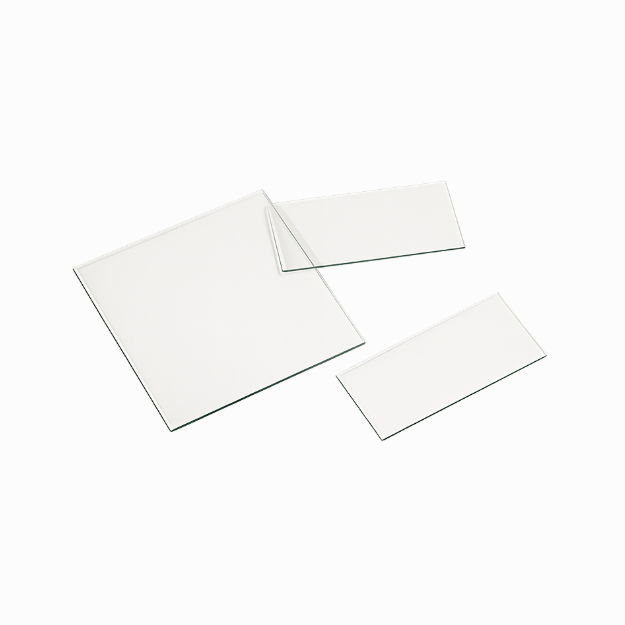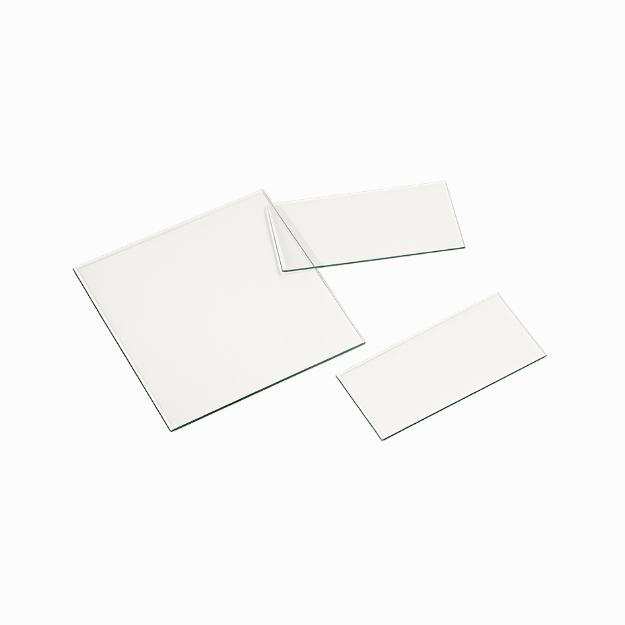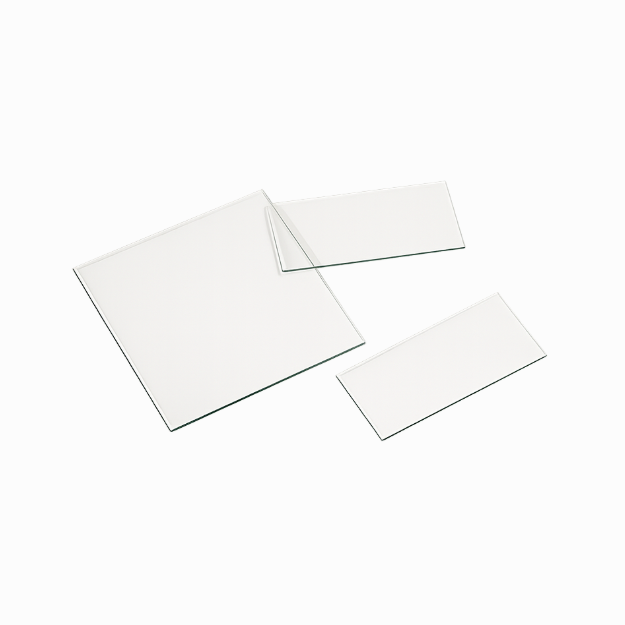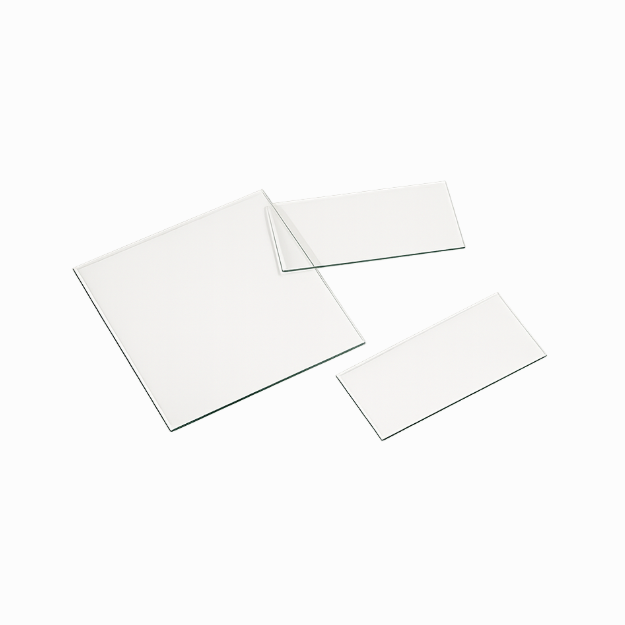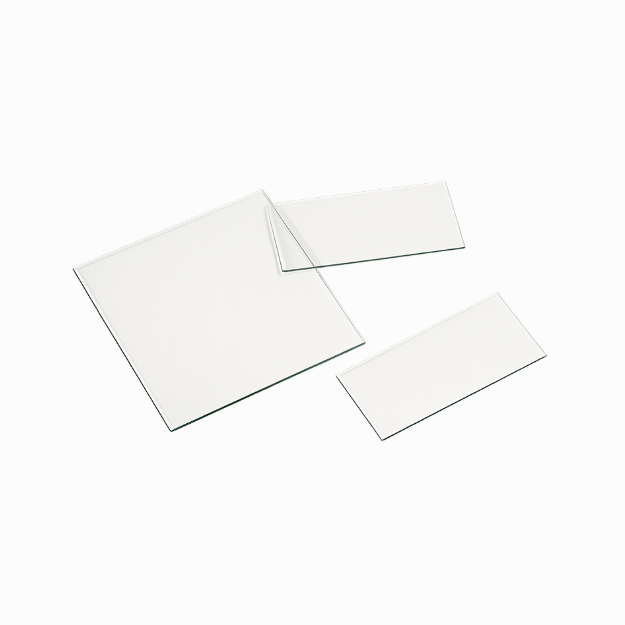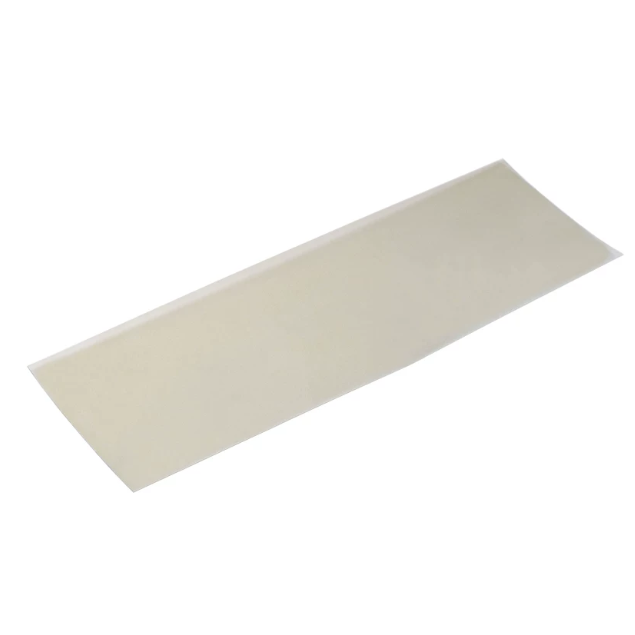
ITO-PET CONDUCTIVE FILM 5 OHM 100×300MM FLEXIBLE TRANSPARENT ELECTRODERESEARCH GRADE MATERIAL
|
|||||||||||||||||||||||||||||||||||
|
|||||||||||||||||||||||||||||||||||
|
TAILORED SOLUTIONS FOR RESEARCH
Contact our engineering team for technical support or official quotations.
EMAIL: inquiry@atomfair.com
|
|||||||||||||||||||||||||||||||||||
|
Manufacturer: Atomfair LLC
Brand: ATOMFAIR®
|
This film requires careful handling to maintain coating integrity and optical performance. The ITO-coated surface is susceptible to contamination, scratching, and mechanical damage.
- Environmental Temperature Range: The film is stable between -40°C and 80°C, but prolonged exposure outside this range may cause performance degradation.
- Surface Contamination Prevention: Handle the film only by the edges to avoid touching the ITO-coated surface and prevent contamination.
- Protective Cover Film Removal: Peel the removable protective cover film immediately before use to minimize particulate contamination.
- Mechanical Integrity: Avoid folding or creasing the film to preserve the conductive coating's integrity.
- Storage Conditions: Store the film in a dry, dust-free environment at room temperature to prevent damage and contamination.
Follow these steps to safely handle and prepare the ITO-PET film for use in your experiment. Proper handling ensures optimal performance and avoids damage to the conductive coating.
- Inspect for Damage
Inspect the film for any visible damage, scratches, or contamination before use. - Remove Protective Cover Film
Peel the removable protective cover film immediately prior to use to minimize particulate contamination. - Handle by Edges
Handle the film only by its edges to avoid touching the ITO-coated surface. - Place on Substrate
Place the film onto the target substrate or device with the ITO-coated side facing the appropriate direction. - Store Properly After Use
Store the unused film in a dry, dust-free environment at room temperature to preserve its integrity.
How does the ITO coating thickness affect the trade-off between sheet resistance and optical transmittance for the 5 Ω/sq ITO-PET film?
The product's sheet resistance is fixed at 5 Ω/sq across all three thickness options (0.05 mm, 0.125 mm, 0.175 mm) because the ITO coating thickness is adjusted to maintain that resistance. However, as stated in the product notice, with consistent substrate and manufacturing process parameters, increasing ITO coating thickness reduces surface resistance but correspondingly decreases optical transmittance. Therefore, the 0.05 mm variant offers higher transmittance at the cost of reduced mechanical robustness, while the 0.175 mm variant provides greater handling durability with lower transmittance. Exact transmittance values are not specified, so selection should be based on the application's balance between conductivity and transparency requirements.
What is the thermal cycling stability range and performance variation of the ITO-PET film under alternating temperature conditions?
The ITO-PET film is thermal cycling stable from -40°C to 80°C. After 120-minute baking at 80°C and after 120-minute freezing at -40°C, the performance variation is ≤1.3. This ensures reliable operation in experiments requiring alternating thermal environments without delamination or resistance drift, as confirmed by the product's thermal stability specifications.
What are the recommended handling and storage procedures to maintain the ITO coating integrity on the PET substrate?
Handle the film by edges only to avoid touching the ITO-coated surface. The removable protective cover film should be peeled immediately prior to use to minimize particulate contamination. For long-term storage, keep in a dry, dust-free environment at room temperature. Avoid folding or creasing the film to preserve coating integrity, as stated in the product's important notice.
This ITO-PET conductive film (5 Ω/sq, 100×300 mm) offers three thickness options (0.05–0.175 mm) for tuning mechanical flexibility, with verified thermal cycling stability from -40°C to 80°C and performance variation ≤1.3. The magnetron-sputtered ITO coating provides consistent conductivity and low haze (≤3%), but users must balance sheet resistance against optical transmittance when selecting thickness, and handle the film carefully to avoid coating damage.
Positive
- Broad thermal cycling stability: The film maintains performance variation ≤1.3 after 120-minute baking at 80°C and freezing at -40°C, enabling reliable operation in alternating thermal environments without delamination or resistance drift.
- Three thickness options for flexibility tuning: Available in 0.05 mm, 0.125 mm, and 0.175 mm thicknesses, allowing researchers to balance substrate flexibility against handling robustness for specific experimental configurations.
Trade-offs
- Conductivity-transmittance trade-off: Increasing ITO coating thickness reduces surface resistance but correspondingly decreases optical transmittance; users must select thickness based on application-specific balance between conductivity and transparency.
- Handling and storage sensitivity: The ITO-coated surface must not be touched; the film should be handled by edges only, stored in a dry, dust-free environment at room temperature, and protected from folding or creasing to preserve coating integrity.
Every advanced material, component, equipment, and instrument in our catalog is backed by rigorous testing. We maintain strict internal quality management frameworks and align with CE conformity metrics to deliver transparent, reproducible performance data via our public open-science repository.
To request raw batch performance data, submit formal vendor registration paperwork, or execute a fast-turnaround R&D manufacturing loop, contact us at inquiry@atomfair.com.
Item is dispatched under the Atomfair Shipping & Delivery Framework (Free worldwide shipping on orders over $59 USD excl. heavy equipment). Return is governed by the Atomfair Return & Refund Policy (7-day technical return window).