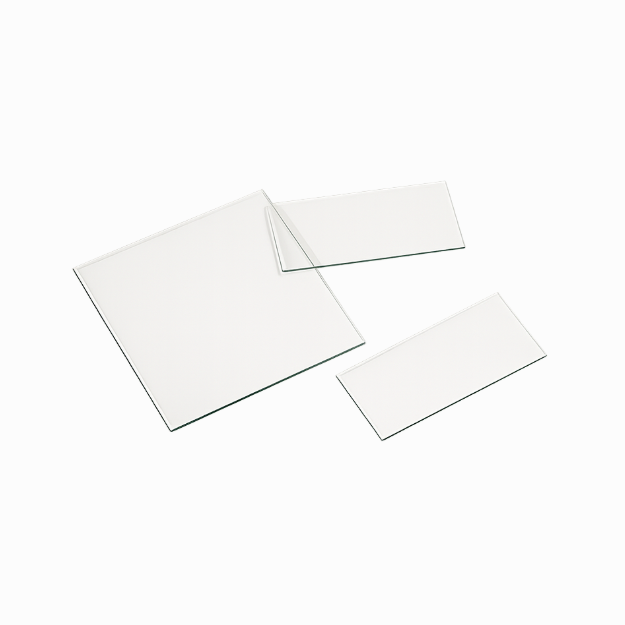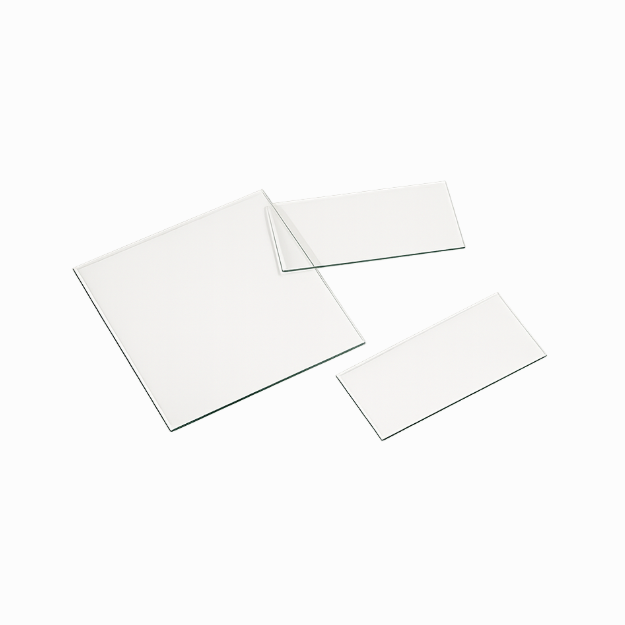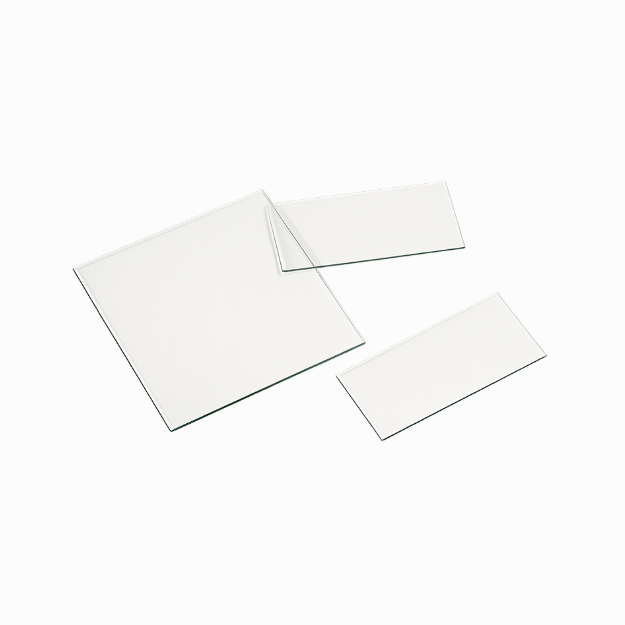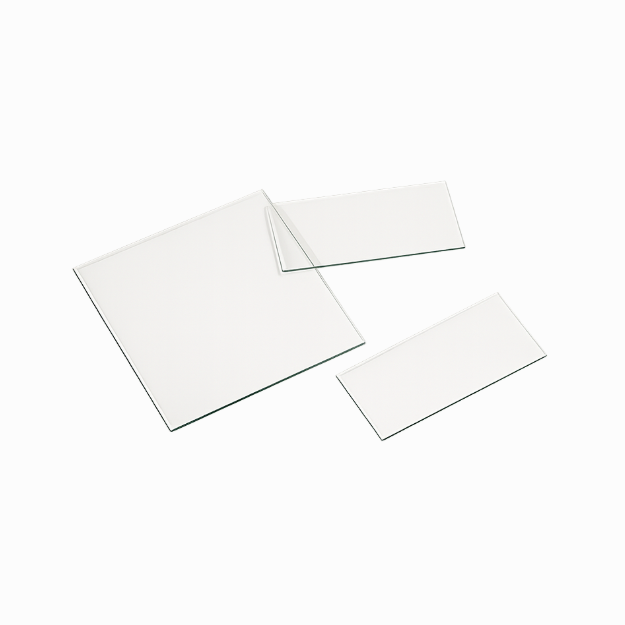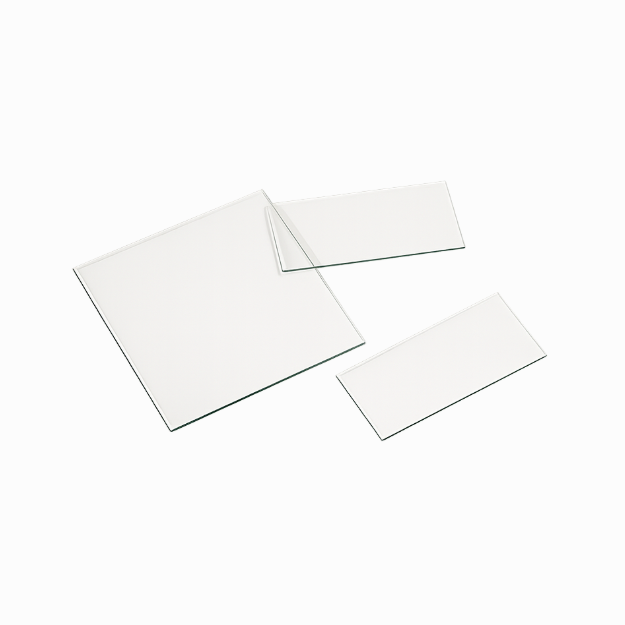
ITO Conductive Glass 7-10 Ω/sq 0.4mm Electrode ATOMFAIR®

Price range: $67.00 through $673.00

Institutional Procurement & Supply Compliance: As a verified US supplier, Atomfair accepts formal institutional Purchase Orders (POs), contract billing schedules, and custom procurement loops for university and national laboratories, and corporate R&D departments globally.

Research-grade ITO conductive glass, 0.4mm thick with 7-10 Ω/sq sheet resistance and 10×10 to 100×100mm sizes for electrodes. Order now.

ITO CONDUCTIVE GLASS 7-10 OHM 0.4MM PHOTOCATALYTIC ELECTRODE SUBSTRATE

RESEARCH GRADE MATERIAL

Product Overview

This ITO Conductive Glass substrate features a precision-deposited indium tin oxide transparent conductive coating on a 0.4 mm glass base, achieving a stable 7-10 Ohm square resistance 0.4mm specification suitable for demanding optoelectronic research applications. The high-transparency conductive oxide layer provides exceptional electrical conductivity combined with optical clarity, making it an ideal photocatalytic electrode substrate for photoelectrochemical water splitting, organic pollutant degradation studies, and dye-sensitized solar cell fabrication. Extensively utilized in university laboratories across China, Singapore, and Hong Kong for advanced research in electromagnetic shielding, biosensing, and thin-film device prototyping, this substrate supports custom resistance specifications ranging from 1 Ω to 10 kΩ with base thicknesses from 0.05 mm to 10 mm. Proper ultrasonic organic solvent cleaning protocol—employing sequential toluene, acetone, ethanol, and deionized water sonication—is essential prior to use to remove production and transport-related surface contamination, ensuring reproducible experimental outcomes and optimal electrode performance.

Technical Specifications

PARAMETER DETAILS
Material Type ITO (Indium Tin Oxide) Conductive Glass / FTO Available
Coating Single-Side Transparent Conductive Oxide (TCO)
Standard Thickness 0.4 mm
Standard Square Resistance 7–10 Ω/sq
Custom Resistance Range 1 Ω–10 kΩ
Custom Thickness Range 0.05 mm–10 mm
Available Substrate Materials Soda-Lime Glass / Quartz / Sapphire / K9 Optical Glass
Recommended Cleaning Protocol Toluene (10–20 min) → Acetone (10–15 min) → Ethanol (10–20 min) → Deionized Water (20–30 min) Ultrasonic
Storage Medium Anhydrous Ethanol (Long-Term Storage After Cleaning)
Alternative Options Explore our related catalog or custom specifications. For urgent technical custom requests or bulk inquiries, please contact our support team.

Key Features & Advantages

  • High Optical Transparency with Low Sheet Resistance: The indium tin oxide coating delivers simultaneous visible-spectrum transparency exceeding 85% and electrical sheet resistance in the 7–10 Ω/sq range, enabling dual-function electrode and optical window applications in photoelectrochemical cells, displays, and biosensing platforms.
  • Broad Substrate Material Compatibility: Available on standard soda-lime glass, high-purity quartz for UV-transmissive applications, single-crystal sapphire for high-temperature epitaxial growth, and K9 optical glass for precision optical experiments, accommodating diverse experimental wavelength ranges and thermal budgets.
  • Wide Custom Resistance Spectrum: Custom sheet resistance spanning six orders of magnitude from 1 Ω to 10 kΩ enables precise impedance matching for specific device architectures, from low-resistance current-collecting electrodes to high-resistance anti-static shielding and field-effect sensor gate electrodes.
  • Validated Ultrasonic Organic Solvent Cleaning Protocol: The sequential toluene-acetone-ethanol-deionized water ultrasonic cleaning methodology effectively removes production-derived organic residues, particulates, and adsorbed hydrocarbons that compromise electrode performance, with anhydrous ethanol preservation ensuring contamination-free long-term storage of cleaned substrates.

APPLICATION SCOPE: Extensively deployed as a transparent electrode substrate in mobile phone touchscreens, PDA displays, calculators, and electronic watches. Functions as a photocatalytic working electrode for TiO₂ and WO₃-based photoelectrochemical cells in solar hydrogen production and organic pollutant degradation research. Serves as a transparent current collector in dye-sensitized and perovskite solar cell architectures. Provides EMI shielding for sensitive electronic instrumentation. Utilized as a bioelectrode substrate for electrochemical biosensing and cell culture electrical stimulation experiments. Adopted by university research laboratories in mainland China, Singapore, Hong Kong, and internationally for materials science, surface chemistry, and optoelectronic device prototyping. Available in both ITO and FTO (fluorine-doped tin oxide) variants for elevated-temperature applications requiring enhanced thermal stability.
PACKAGING: Each ITO conductive glass substrate is interleaved with cleanroom-grade lint-free separation film and packaged in a rigid, shock-absorbing container to prevent mechanical damage and particulate contamination during transit. Standard 0.4 mm thickness with 7–10 Ω/sq resistance available from stock; custom resistance (1 Ω–10 kΩ), thickness (0.05 mm–10 mm), and substrate material (glass, quartz, sapphire, K9) configurations manufactured to order. Due to the susceptibility of ITO surfaces to organic contamination during manufacturing, packaging, and transport, mandatory ultrasonic organic solvent cleaning per the specified protocol is required prior to use in all experimental workflows.
IMPORTANT NOTICE: ITO/FTO conductive glass surfaces accumulate dust, grease, and organic contaminants during production, packaging, and transport. Cleaning is mandatory before use. The validated sequential ultrasonic cleaning protocol is as follows: (1) Toluene immersion with sonication for 10–20 minutes to dissolve non-water-soluble grease and oils—toluene exhibits the strongest degreasing capability among common organic solvents; (2) Acetone immersion with sonication for 10–15 minutes to remove residual toluene and remaining organic residues, as toluene is miscible with acetone; (3) Ethanol immersion with sonication for 10–20 minutes to dissolve residual acetone, as acetone is miscible with ethanol; (4) Deionized water rinsing with sonication for 20–30 minutes to remove ethanol, as ethanol is miscible with water in all proportions. For long-term storage, transfer cleaned substrates into anhydrous ethanol and retrieve as needed. Avoid direct handling of the ITO-coated surface with bare fingers; use cleanroom-compatible tweezers gripping only the substrate edges to prevent recontamination.
TAILORED SOLUTIONS FOR RESEARCH
Contact our engineering team for technical support or official quotations.
EMAIL: inquiry@atomfair.com
Manufacturer: Atomfair LLC
Brand: ATOMFAIR®

The ITO surface is susceptible to organic contamination from manufacturing, packaging, and transport. Mandatory ultrasonic organic solvent cleaning must be performed prior to use, and cleaned substrates should be stored in anhydrous ethanol to prevent recontamination.

  • Surface Contamination Sensitivity: Dust, grease, and organic residues accumulate on the ITO coating during production and handling, requiring mandatory cleaning before experimental use.
  • Ultrasonic Cleaning Requirement: A sequential ultrasonic cleaning protocol using toluene, acetone, ethanol, and deionized water is necessary to remove all organic contaminants.
  • Storage in Anhydrous Ethanol: After cleaning, substrates must be stored in anhydrous ethanol to maintain a contamination-free surface until retrieval.
  • Handling Precautions: Avoid contact with the ITO-coated surface using bare fingers; use cleanroom-compatible tweezers gripping only the substrate edges.

Sequential ultrasonic cleaning in toluene, acetone, ethanol, and deionized water removes organic residues and particulates from the ITO surface. This protocol ensures reproducible electrode performance and optimal experimental outcomes.

Required Equipment: Ultrasonic cleaner, Cleanroom-grade tweezers, Beakers for solvents and water

  1. Toluene sonication
    Immerse the ITO glass in toluene and sonicate for 10 to 20 minutes to dissolve grease and non-water-soluble oils.
  2. Acetone sonication
    Transfer the substrate to acetone and sonicate for 10 to 15 minutes to remove residual toluene and remaining organic residues.
  3. Ethanol sonication
    Sonicate the substrate in ethanol for 10 to 20 minutes to dissolve residual acetone.
  4. Deionized water sonication
    Rinse by sonicating in deionized water for 20 to 30 minutes to remove ethanol.
  5. Storage in anhydrous ethanol
    Transfer the cleaned substrate into anhydrous ethanol for long-term storage and retrieve as needed.

How does the 7–10 Ω/sq sheet resistance of ITO conductive glass affect its suitability for photoelectrochemical water splitting versus touchscreen applications?

The 7–10 Ω/sq range provides a balance between conductivity and optical transparency for dual-function electrode and window applications. For photoelectrochemical cells, lower resistance (e.g., 1 Ω) may be preferred for efficient current collection, while touchscreens benefit from the standard 7–10 Ω/sq for adequate conductivity with visible-spectrum transparency exceeding 85%. Custom resistance from 1 Ω to 10 kΩ is available for impedance matching.

Why is the sequential ultrasonic cleaning protocol with toluene, acetone, ethanol, and deionized water mandatory before using ITO conductive glass substrates?

ITO surfaces accumulate dust, grease, and organic contaminants during production, packaging, and transport. The sequential protocol ensures complete removal: toluene dissolves non-water-soluble oils, acetone removes residual toluene, ethanol removes acetone, and deionized water removes ethanol. Skipping steps can leave residues that compromise electrode performance and experimental reproducibility.

What is the recommended long-term storage method for cleaned ITO conductive glass substrates to prevent recontamination?

After cleaning, store substrates in anhydrous ethanol to maintain a contamination-free environment. Avoid direct handling of the ITO-coated surface; use cleanroom-compatible tweezers gripping only the edges. This prevents recontamination from skin oils and particulates, ensuring optimal performance in subsequent experiments.

This ITO conductive glass substrate with 7–10 Ω/sq sheet resistance on a 0.4 mm glass base provides a transparent conductive electrode for photocatalytic and optoelectronic research, requiring mandatory ultrasonic organic solvent cleaning prior to use to remove surface contaminants.

Positive

  • High transparency with low sheet resistance: The ITO coating delivers >85% visible-spectrum transparency and 7–10 Ω/sq sheet resistance, enabling dual-function electrode and optical window applications in photoelectrochemical cells, displays, and biosensing platforms.
  • Broad substrate material compatibility: Available on soda-lime glass, quartz, sapphire, and K9 optical glass, accommodating diverse experimental wavelength ranges and thermal budgets for UV-transmissive, high-temperature, or precision optical applications.

Trade-offs

  • Mandatory ultrasonic cleaning protocol: The substrate requires sequential ultrasonic cleaning in toluene, acetone, ethanol, and deionized water before use to remove production and transport-related organic contaminants, adding preparation time and requiring solvent handling infrastructure.
  • Surface contamination susceptibility: ITO surfaces accumulate dust, grease, and organic contaminants during manufacturing, packaging, and transport; cleaned substrates must be stored in anhydrous ethanol and handled only at edges with cleanroom tweezers to prevent recontamination.

Every advanced material, component, equipment, and instrument in our catalog is backed by rigorous testing. We maintain strict internal quality management frameworks and align with CE conformity metrics to deliver transparent, reproducible performance data via our public open-science repository.

To request raw batch performance data, submit formal vendor registration paperwork, or execute a fast-turnaround R&D manufacturing loop, contact us at inquiry@atomfair.com.

Item is dispatched under the Atomfair Shipping & Delivery Framework (Free worldwide shipping on orders over $59 USD excl. heavy equipment). Return is governed by the Atomfair Return & Refund Policy (7-day technical return window).
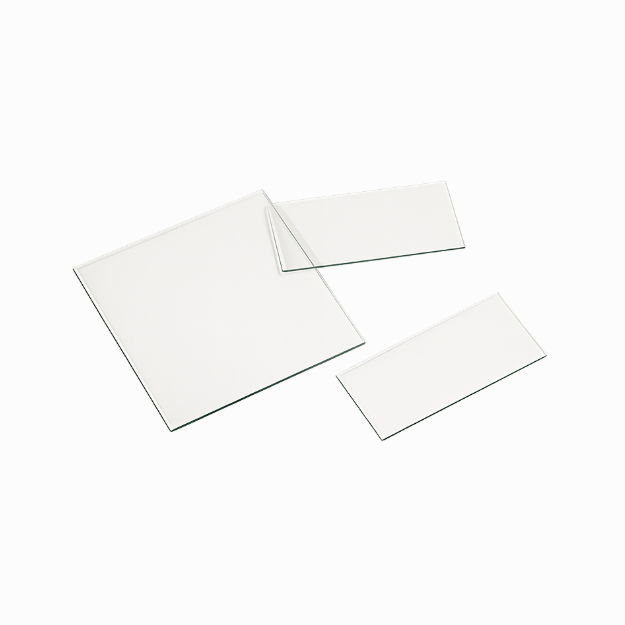
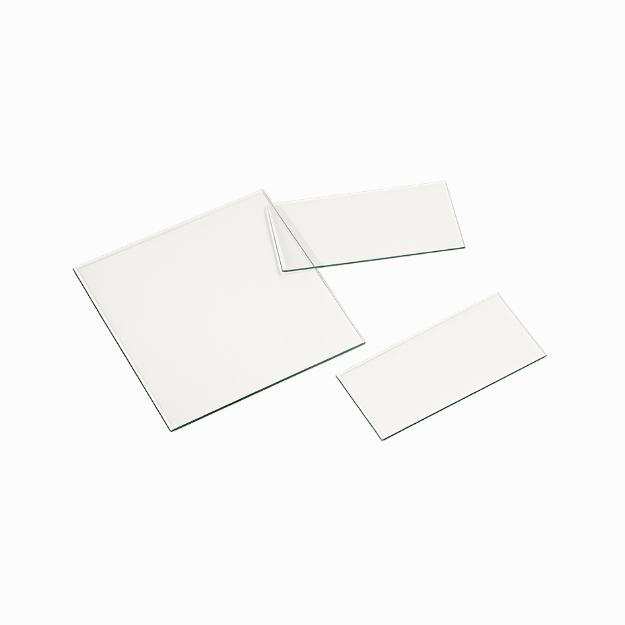
size

10*10*0.4mm, 20*20*0.4mm, 50*50*0.4mm, 100*100*0.4mm