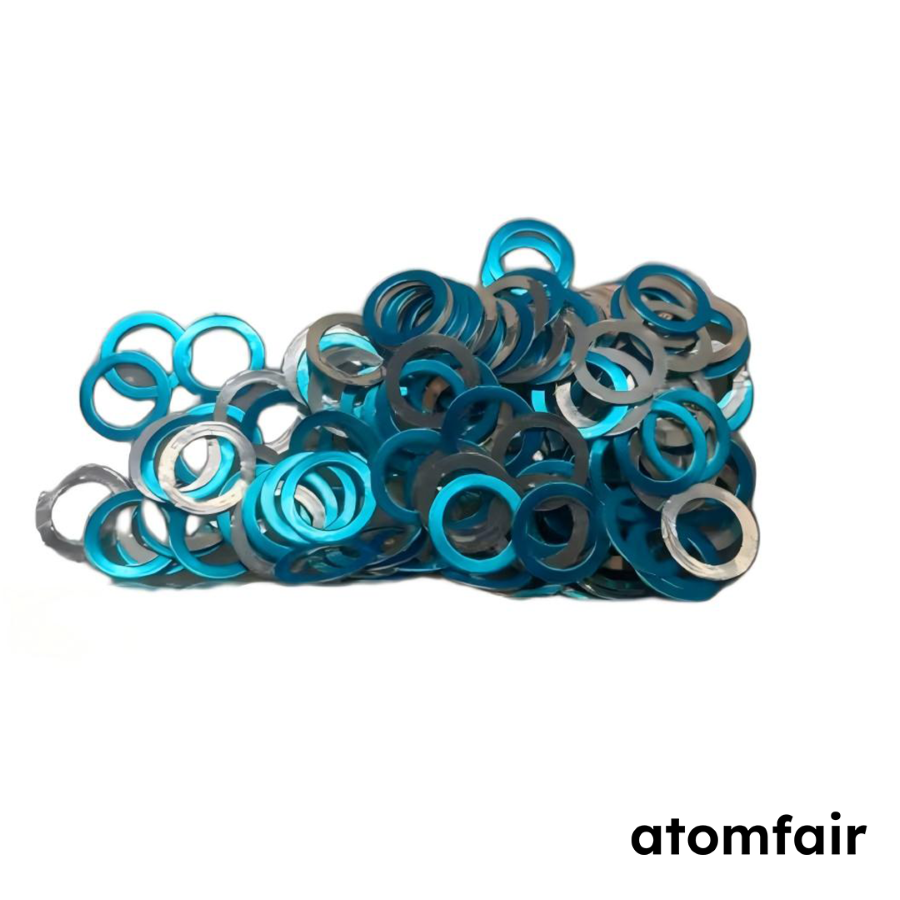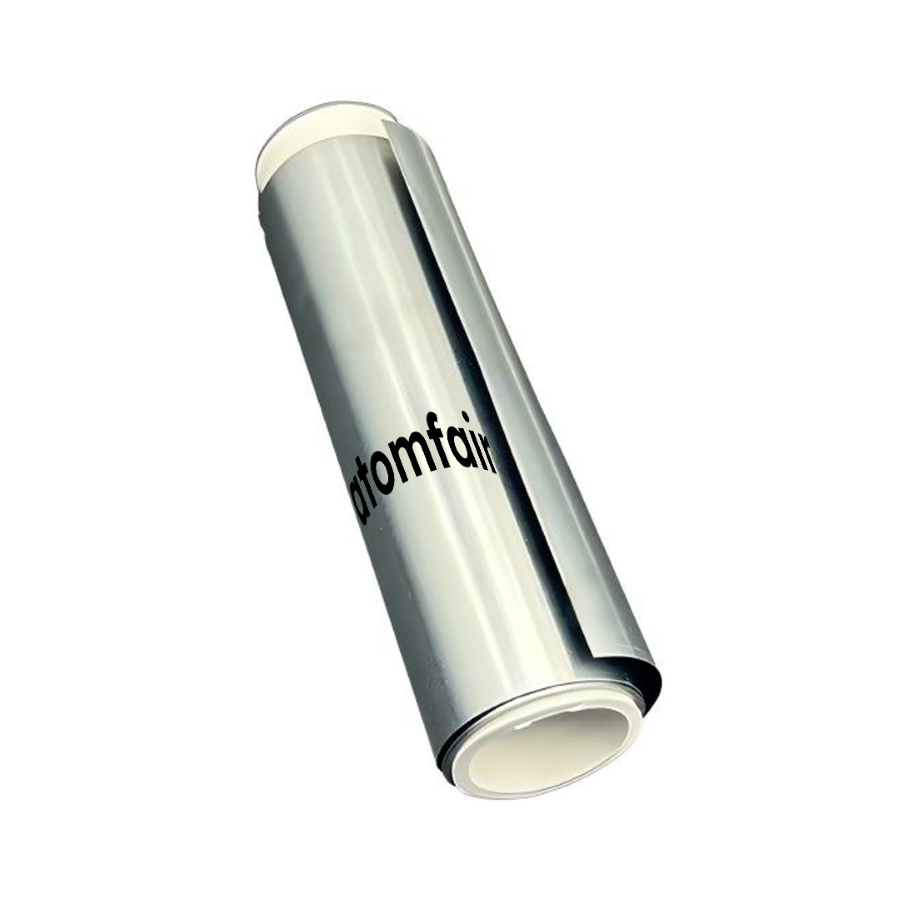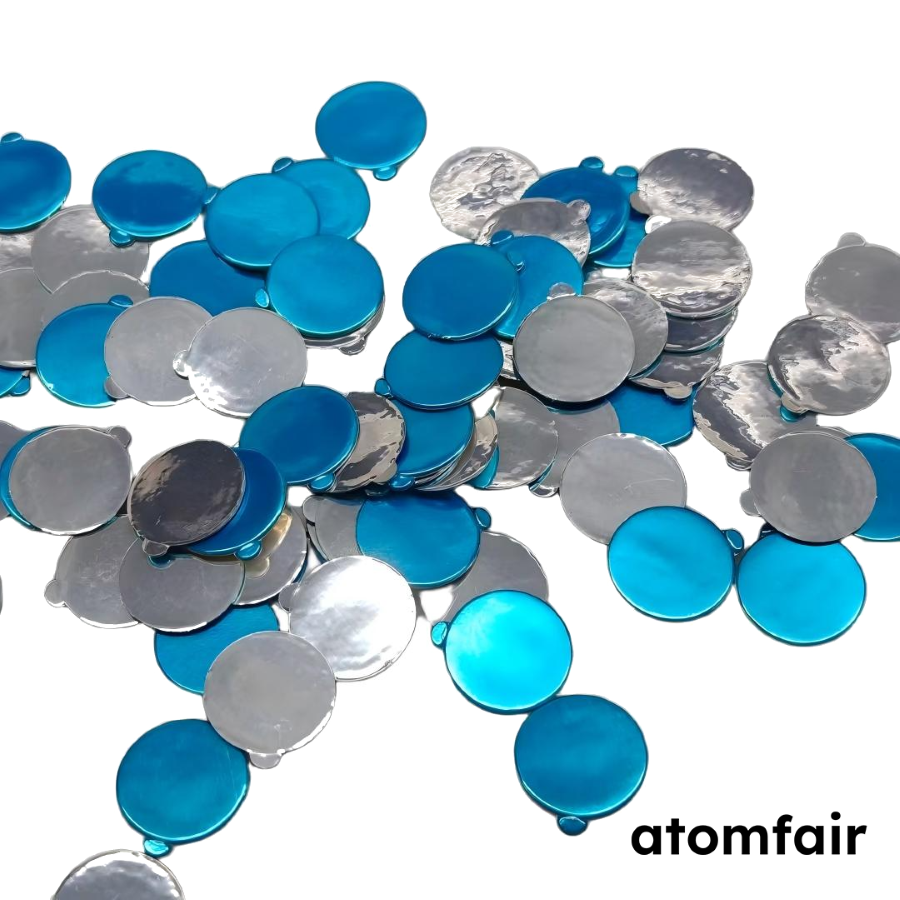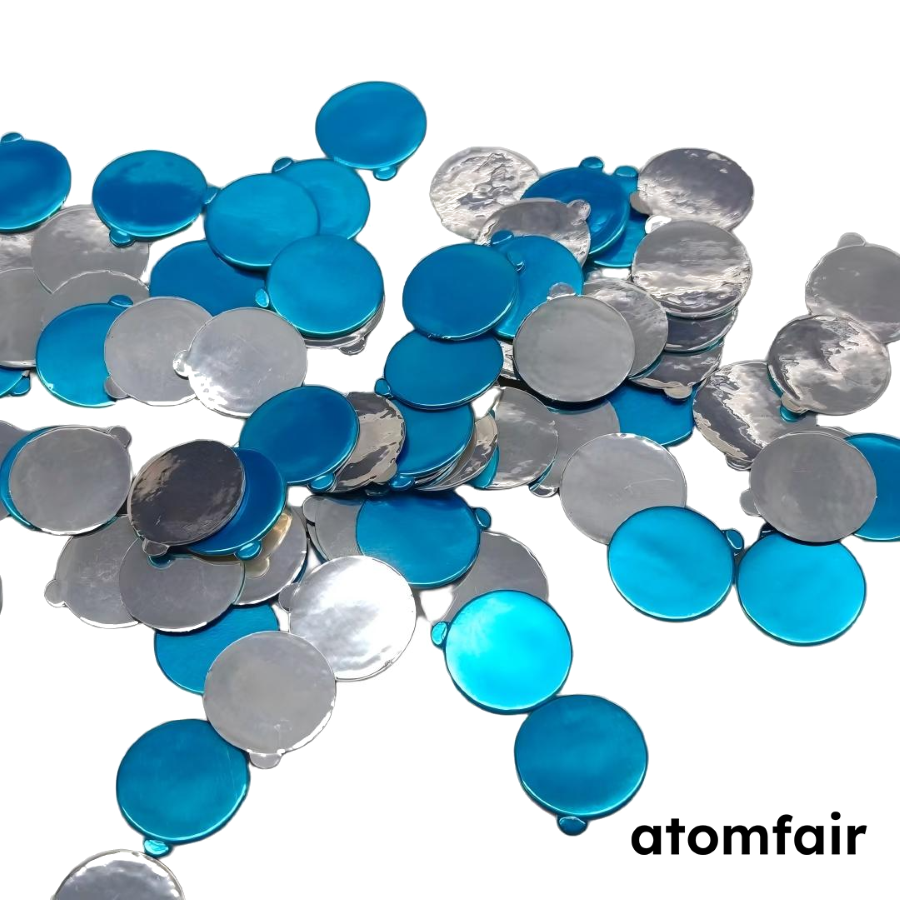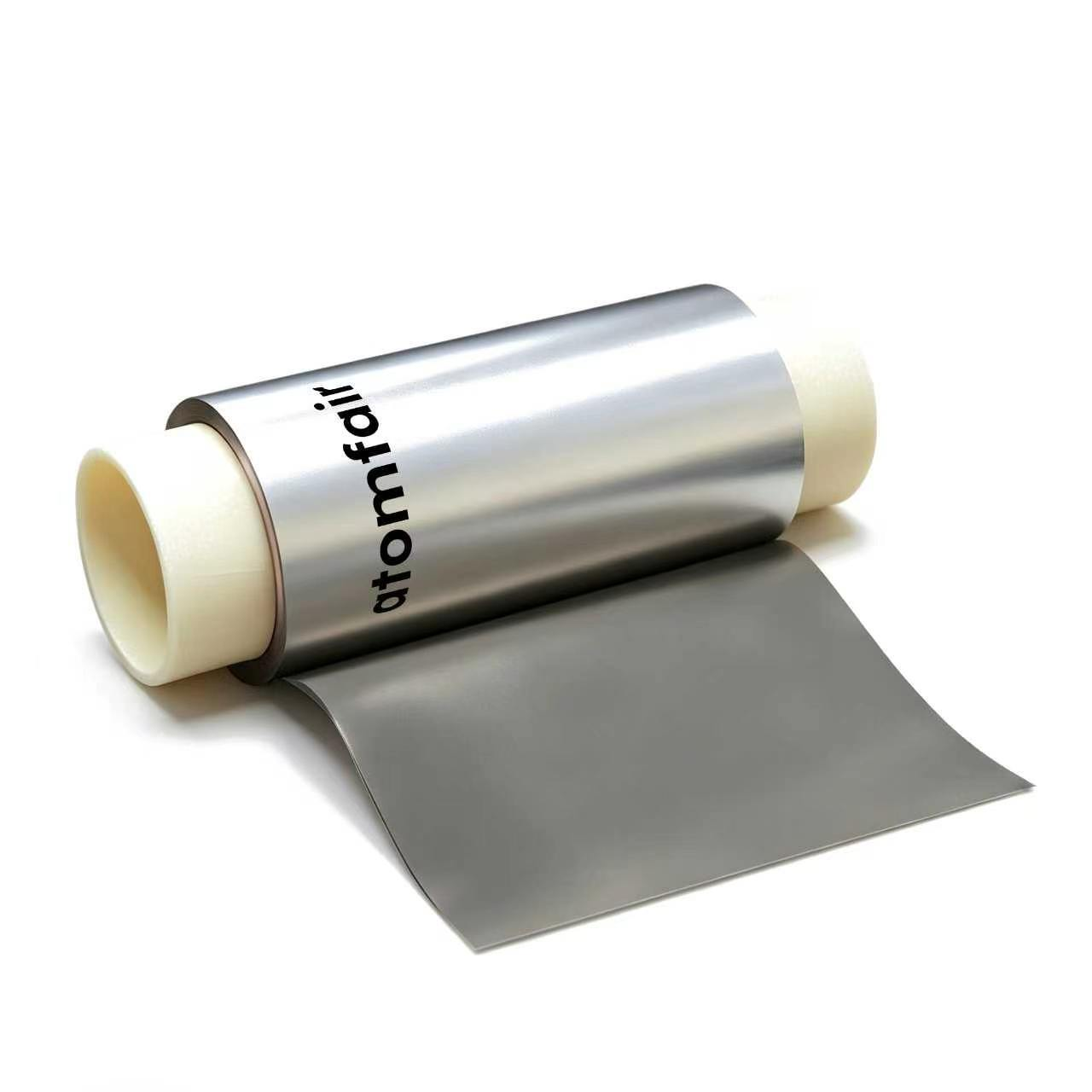
ATOMFAIR® SODIUM STRIP & SODIUM DISC (ROUND SHEET)RESEARCH GRADE MATERIAL
|
||||||||||||||||||||||||||||||||||||||||||||||||||||||||||||||||||||||||||||||||||||||||||||
|
||||||||||||||||||||||||||||||||||||||||||||||||||||||||||||||||||||||||||||||||||||||||||||
This document details the storage and handling constraints for reactive sodium metal foil. Sodium foil is highly sensitive to moisture and incompatible materials, requiring strict environmental controls.
- Moisture Sensitivity: Sodium foil reacts vigorously with water and moisture, necessitating storage in a dry, inert atmosphere to prevent degradation and hazards.
- Storage Temperature: Store in a cool environment away from heat sources to minimize reactivity and maintain material integrity.
- Incompatible Materials: Keep sodium foil away from oxidizers, acids, halogens, and other incompatible substances to avoid violent reactions.
- Personal Protective Equipment: Use appropriate PPE, including gloves, safety goggles, and protective clothing, when handling sodium foil to prevent skin or eye contact.
- Disposal Requirements: Dispose of sodium waste according to local hazardous material regulations to ensure environmental safety.
Sodium foil requires careful handling to avoid contact with moisture and incompatible chemicals. Follow these steps to ensure safe storage and disposal.
Required Equipment: Personal protective equipment (gloves, goggles, lab coat)
- Don Protective Equipment
Wear appropriate personal protective equipment including chemical-resistant gloves, safety goggles, and a lab coat before handling sodium foil. - Store in Dry Environment
Store the sodium foil in a cool, dry place away from moisture and any incompatible materials such as water, acids, or oxidizers. - Dispose Properly
Dispose of sodium foil waste according to local regulations for hazardous materials to prevent environmental contamination.
How does the 12 μm thickness of this battery-grade sodium foil affect mechanical integrity and cycle life compared to thicker foils in sodium-ion battery anodes?
The 12 μm thickness minimizes anode mass and volume, improving energy density and ionic transport efficiency. This thinner foil, however, requires careful handling to avoid tearing during cell assembly, as it provides less mechanical robustness than thicker alternatives; the high-purity sodium metal composition ensures consistent electrochemical performance and long cycle life when properly integrated.
What are the key compatibility constraints for using this 12 μm × 200 mm sodium foil with common carbonate-based electrolyte systems in sodium-ion prismatic cells?
This high-purity sodium foil is chemically compatible with standard carbonate electrolyte formulations, but the 200 mm width targets specific prismatic or pouch cell designs. For atypical cell geometries, the customizable thickness option allows adaptation; users must verify that the foil’s surface reactivity does not accelerate electrolyte decomposition in their specific system.
What infrastructure and storage conditions are required to safely handle and store a 5 kg roll of reactive sodium foil in a laboratory environment?
Storage must be in a cool, dry place, isolated from moisture and incompatible materials, ideally in an airtight container under inert argon atmosphere to prevent oxidation. Handling requires appropriate PPE—including chemical-resistant gloves and safety glasses—and the 5 kg roll should be dispensed in a glovebox to mitigate fire risk from air exposure.
This Atomfair battery-grade sodium foil at 12μm thickness provides high purity and excellent conductivity for sodium-ion battery anodes, but requires strict moisture-free storage and protective handling due to its high reactivity.
Positive
- High Purity for Optimal Performance: The high-purity sodium metal composition ensures minimal contamination, directly contributing to improved battery efficiency and energy density in sodium-ion cells.
- Excellent Conductivity for Ion Transport: Superior electrical conductivity facilitates efficient ion transport across the anode, enhancing overall battery charge/discharge rates and cycle stability.
Trade-offs
- Requires Protective Handling for Safety: Sodium metal is highly reactive; operators must use appropriate PPE (gloves, goggles, protective clothing) and work in a controlled environment to prevent skin contact or air exposure.
- Moisture-Sensitive Storage Required: The foil must be stored in a cool, dry place away from moisture and incompatible materials to avoid degradation or hazardous reactions, necessitating strict humidity control in lab storage.
Every advanced material, component, equipment, and instrument in our catalog is backed by rigorous testing. We maintain strict internal quality management frameworks and align with CE conformity metrics to deliver transparent, reproducible performance data via our public open-science repository.
To request raw batch performance data, submit formal vendor registration paperwork, or execute a fast-turnaround R&D manufacturing loop, contact us at inquiry@atomfair.com.
Item is dispatched under the Atomfair Shipping & Delivery Framework (Free worldwide shipping on orders over $59 USD excl. heavy equipment). Return is governed by the Atomfair Return & Refund Policy (7-day technical return window).