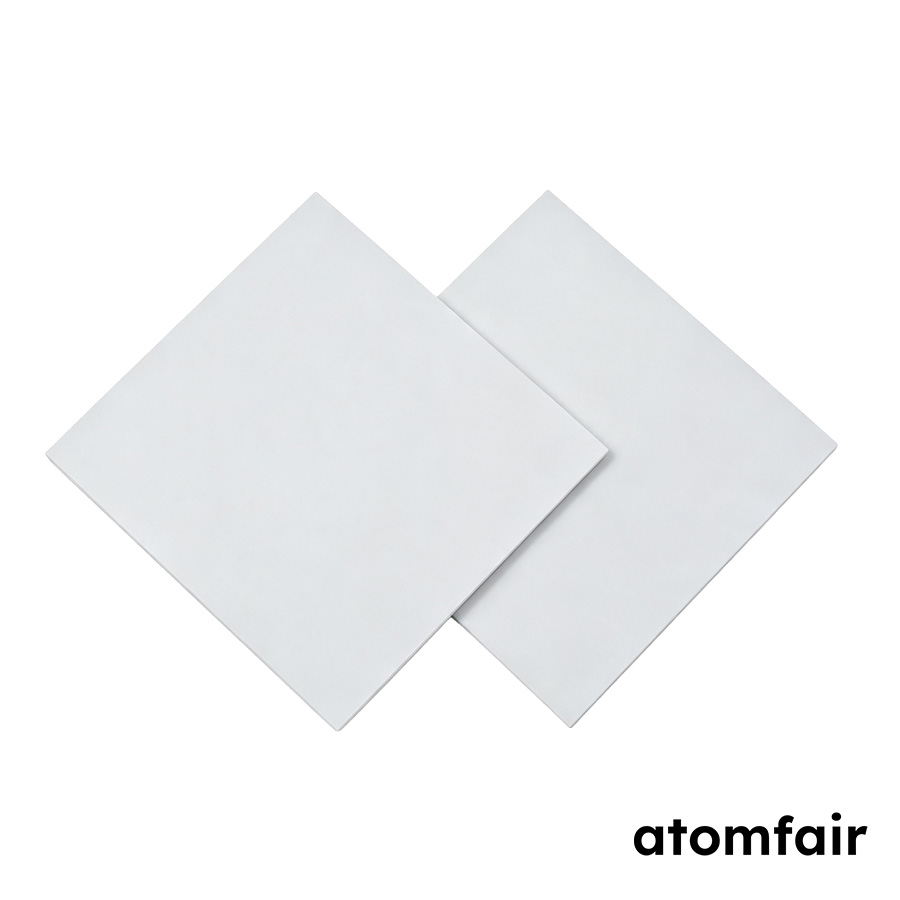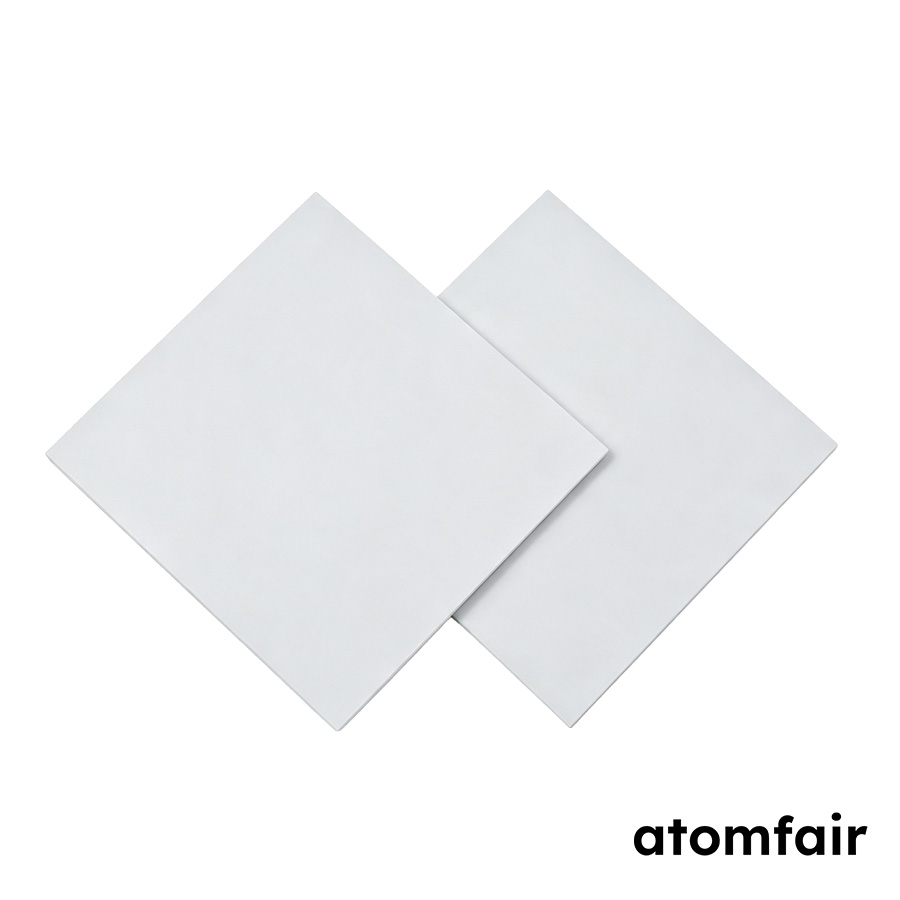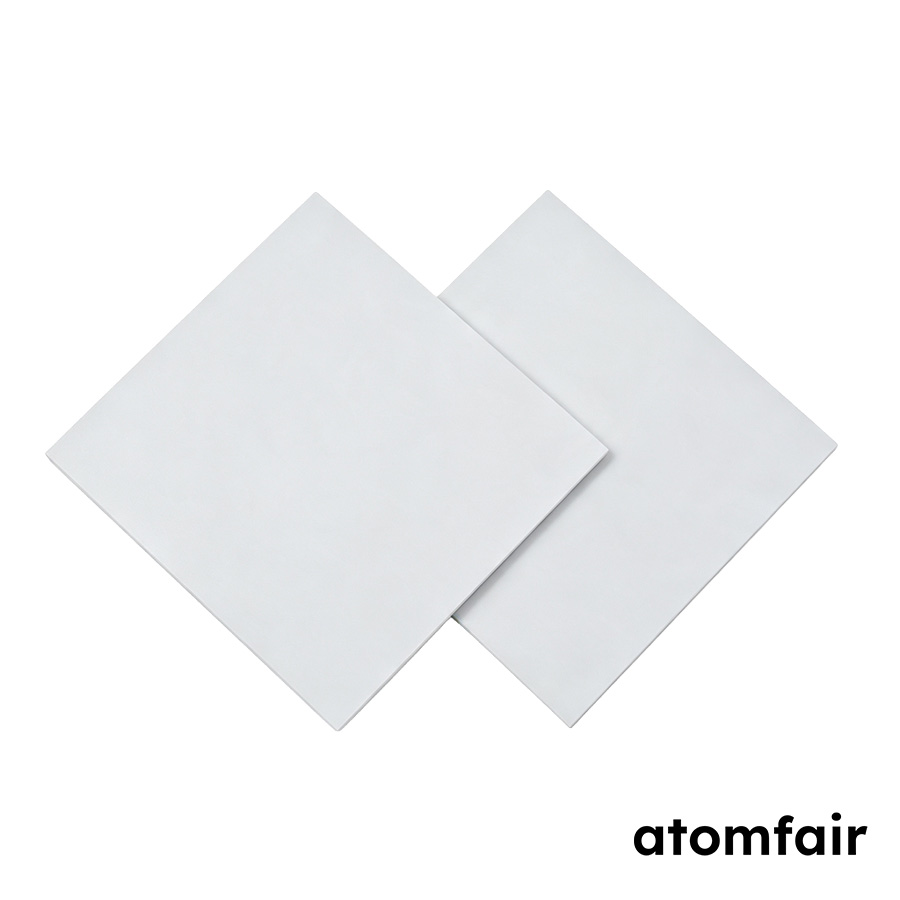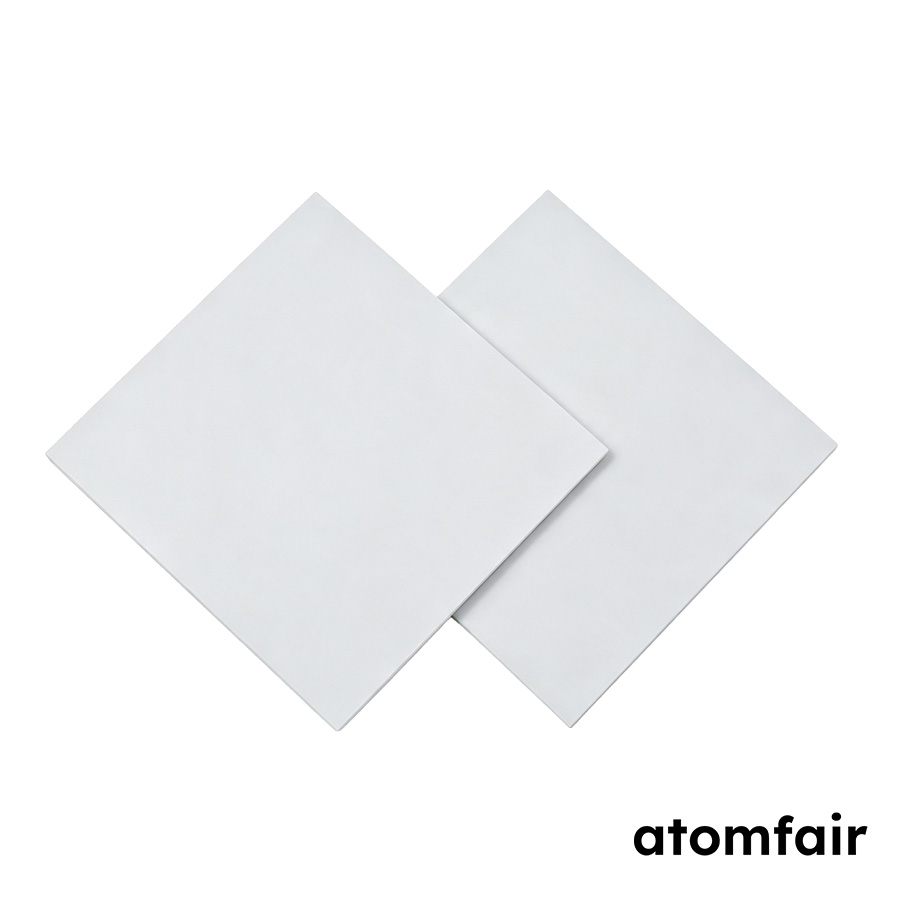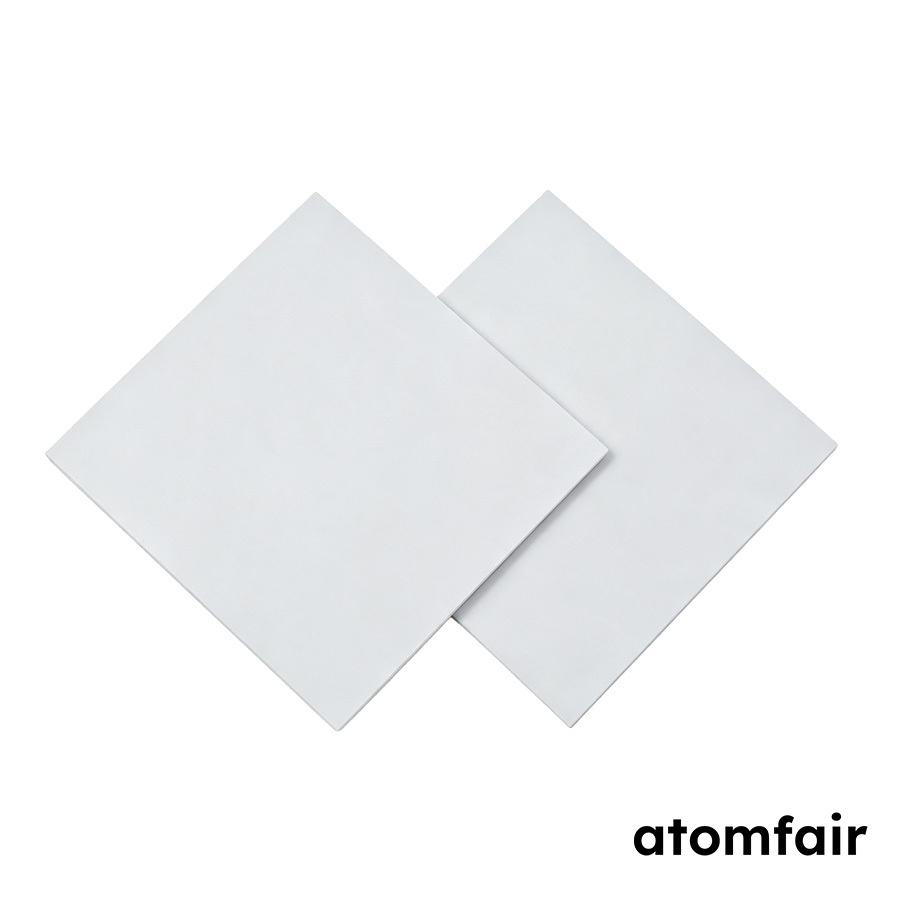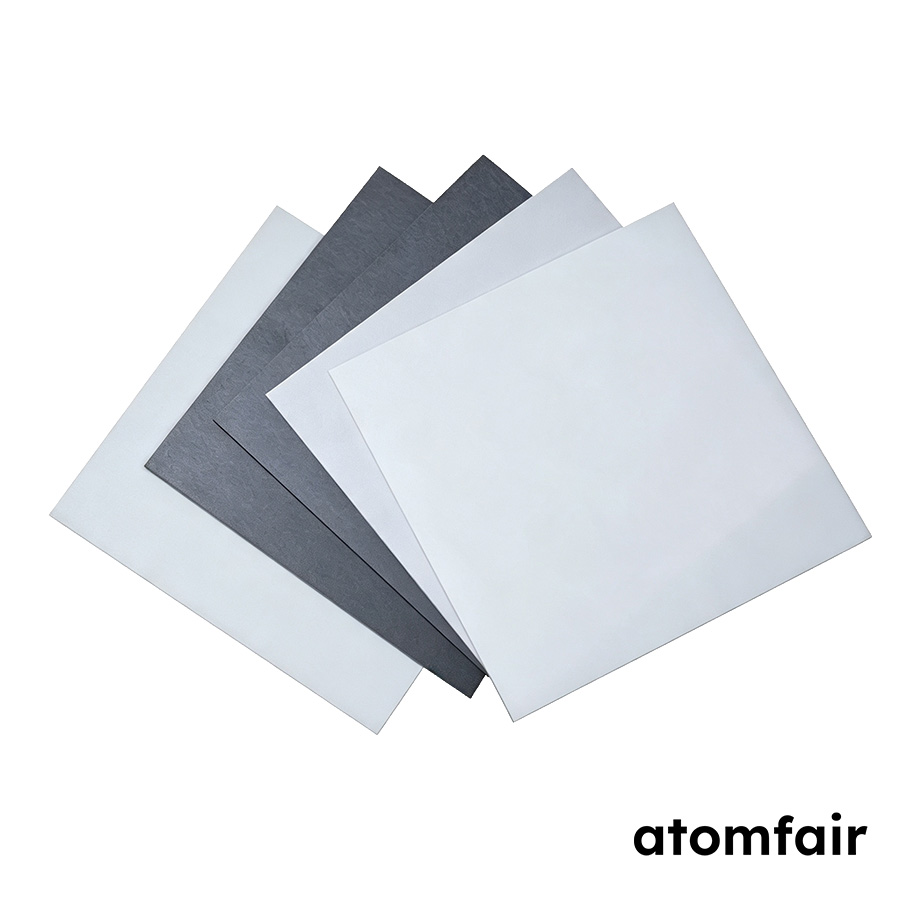
Zirconia Ceramic Plate, 100 mm x 100 mm x 6 mm, WhiteProduct Type: Zirconia ceramic plate
Research-grade laboratory product
|
|||||||||||||||||||||||||||||||||||||||||||||||||
|
|||||||||||||||||||||||||||||||||||||||||||||||||
|
LABORATORY PROCUREMENT SUPPORT
For model selection, accessory matching, platform compatibility or configuration confirmation, contact our technical sales team.
E-MAIL: inquiry@atomfair.com
|
|||||||||||||||||||||||||||||||||||||||||||||||||
|
Supplier: Atomfair
Brand: ATOMFAIR®
|
The plate exhibits high hardness and compressive strength but is susceptible to thermal shock above 350 °C and requires controlled heating and cooling profiles. Sintering at 1650 °C and low water absorption necessitate dry storage and avoidance of rapid temperature changes to prevent cracking.
- Thermal Shock Sensitivity: Limit temperature gradients to below 350 °C to avoid fracture from thermal shock.
- High-Temperature Processing: Use controlled ramp rates during heating and cooling cycles when operating near the 1600 °C maximum service temperature.
- Electrical Insulation Handling: Maintain surface cleanliness to preserve volume resistivity above 1 × 10¹² Ω·cm and dielectric breakdown strength of 15 kV/mm.
- Mechanical Stress Management: Avoid point loading or impact forces that exceed the 25,000 kgf/cm² compressive strength limit to prevent brittle failure.
Inspect the plate for pre-existing cracks or chips before installation to prevent catastrophic failure under thermal or mechanical load. Use gradual thermal ramping and clean, dry handling tools to maintain structural integrity and electrical insulation properties.
Required Equipment: Clean, lint-free gloves, Controlled-temperature furnace or hot plate, Non-marring ceramic handling tongs
- Inspect the Plate
Visually examine the zirconia plate for surface cracks, chips, or contamination before any processing or installation. - Clean the Surface
Wipe the plate with isopropyl alcohol using a lint-free cloth to remove dust and oils that could compromise electrical insulation. - Preheat Gradually
Place the plate in a furnace preheated to no more than 200 °C and ramp to the target temperature at a rate not exceeding 10 °C per minute. - Apply Thermal Load
Allow the plate to equilibrate at the operating temperature for at least 30 minutes before introducing any mechanical or electrical load. - Cool Slowly
Reduce temperature at a controlled rate of 5 °C per minute or slower to avoid thermal shock below the 350 °C threshold.
What is the maximum service temperature and thermal shock resistance of this zirconia ceramic plate, and how do they affect its use in rapid thermal cycling applications?
The maximum service temperature is 1600 °C, and thermal shock resistance is 350 °C. This means the plate can withstand a sudden temperature change of up to 350 °C without cracking, making it suitable for applications with moderate thermal cycling but not extreme quench conditions.
Can this 100 mm x 100 mm x 6 mm zirconia plate be machined or cut to custom dimensions after purchase?
The product description does not specify machinability or post-processing options. As a sintered ceramic with hardness 1400 HV and compressive strength 25,000 kgf/cm², it is extremely hard and brittle; machining typically requires diamond tooling and may risk fracture. Contact the manufacturer for custom sizing options.
Does the zero water absorption of this zirconia plate make it suitable for ultra-high vacuum or moisture-sensitive environments?
Yes, the water absorption is 0%, meaning the plate is non-porous and will not outgas moisture. Combined with a maximum service temperature of 1600 °C, it is suitable for high-vacuum and high-temperature applications where dimensional stability and low contamination are critical.
The Atomfair AF-ZR-100X100W006 zirconia ceramic plate, with ≥94% ZrO2 content, offers high hardness (1400 HV), compressive strength (25,000 kgf/cm²), and thermal stability up to 1600 °C, making it suitable for demanding insulation and structural applications, though its low thermal conductivity (3 W/(m·K)) limits heat dissipation and high thermal expansion (10 × 10⁻⁶/°C) requires careful thermal management in temperature cycling.
Positive
- High-temperature stability and strength: Maximum service temperature of 1600 °C with compressive strength of 25,000 kgf/cm² and 4-point flexural strength >1100 MPa supports use in high-load, high-temperature environments.
- Excellent electrical insulation: Volume resistivity exceeds 1 × 10¹² Ω·cm and dielectric breakdown strength is 15 kV/mm, providing reliable electrical isolation at elevated temperatures.
Trade-offs
- Low thermal conductivity limits heat dissipation: Thermal conductivity of 3 W/(m·K) restricts heat transfer, making the plate unsuitable for applications requiring rapid thermal management or heat spreading.
- Thermal expansion mismatch risk: Thermal expansion coefficient of 10 × 10⁻⁶/°C and thermal shock resistance of 350 °C require careful design to avoid mechanical failure during rapid temperature changes or when bonded to materials with different expansion rates.
Every advanced material, component, equipment, and instrument in our catalog is backed by rigorous testing. We maintain strict internal quality management frameworks and align with CE conformity metrics to deliver transparent, reproducible performance data via our public open-science repository.
To request raw batch performance data, submit formal vendor registration paperwork, or execute a fast-turnaround R&D manufacturing loop, contact us at inquiry@atomfair.com.
Item is dispatched under the Atomfair Shipping & Delivery Framework (Free worldwide shipping on orders over $59 USD excl. heavy equipment). Return is governed by the Atomfair Return & Refund Policy (7-day technical return window).