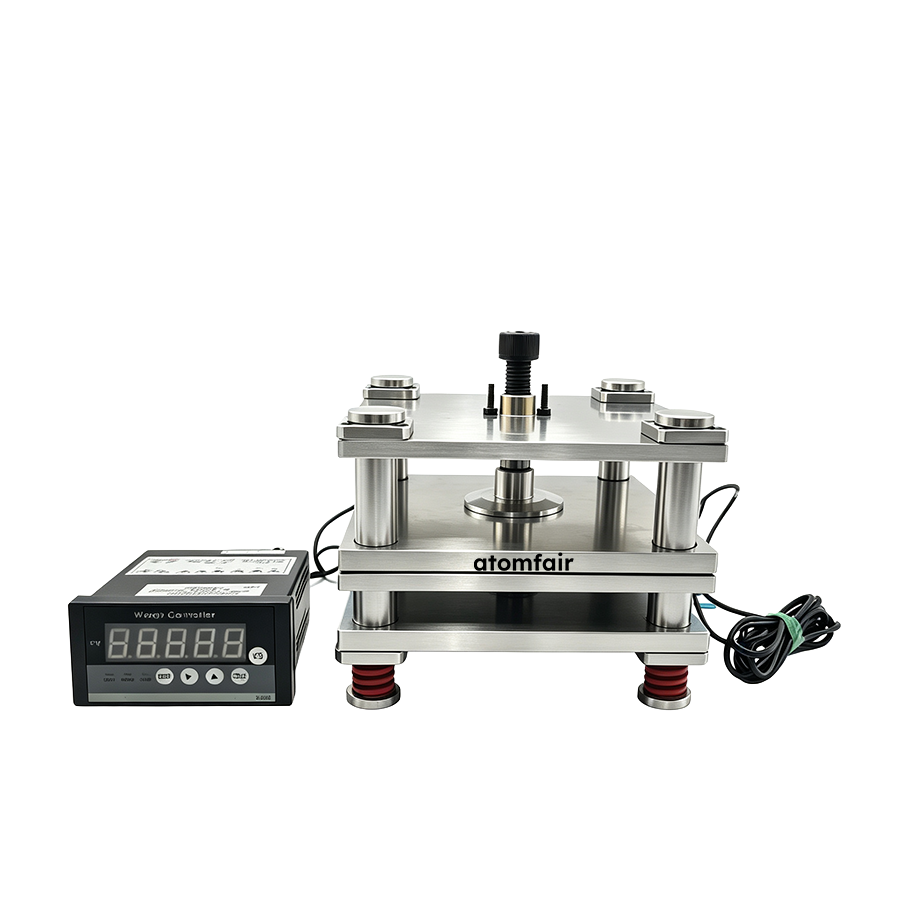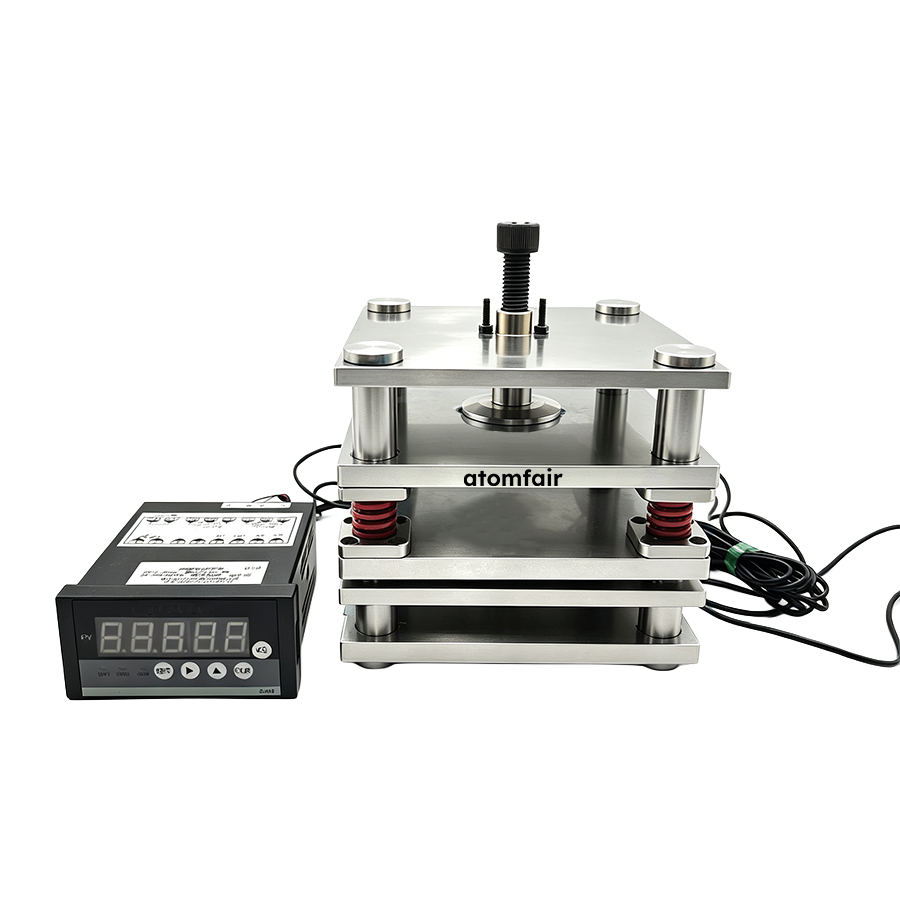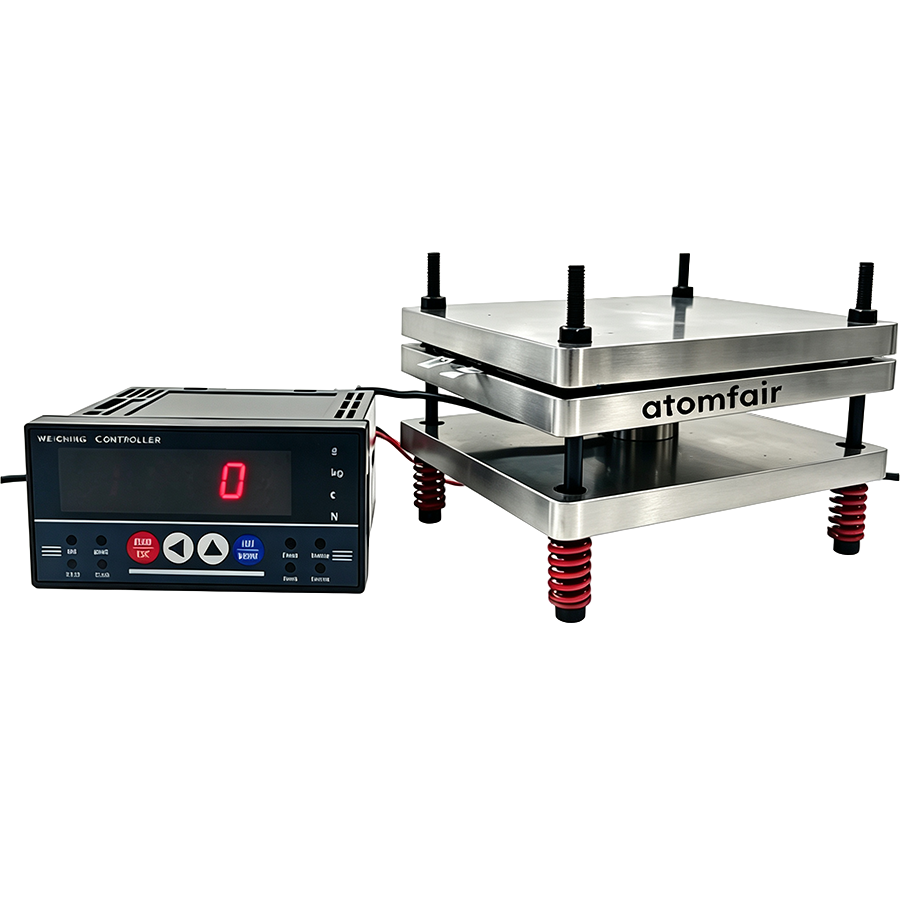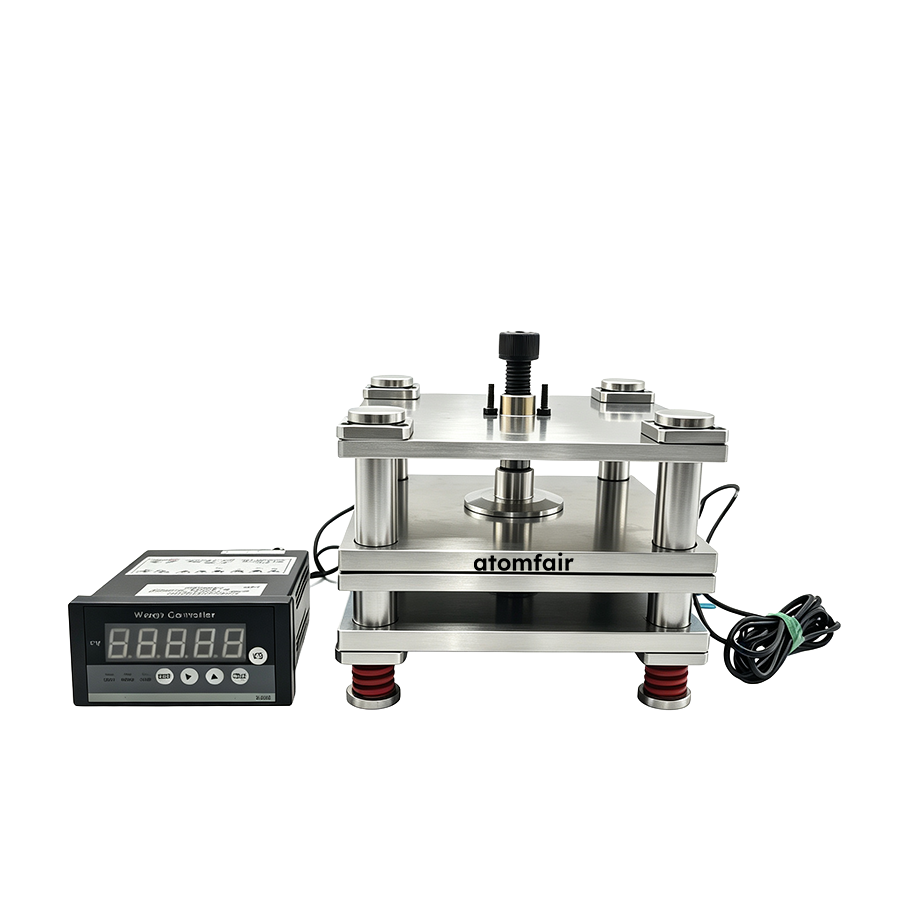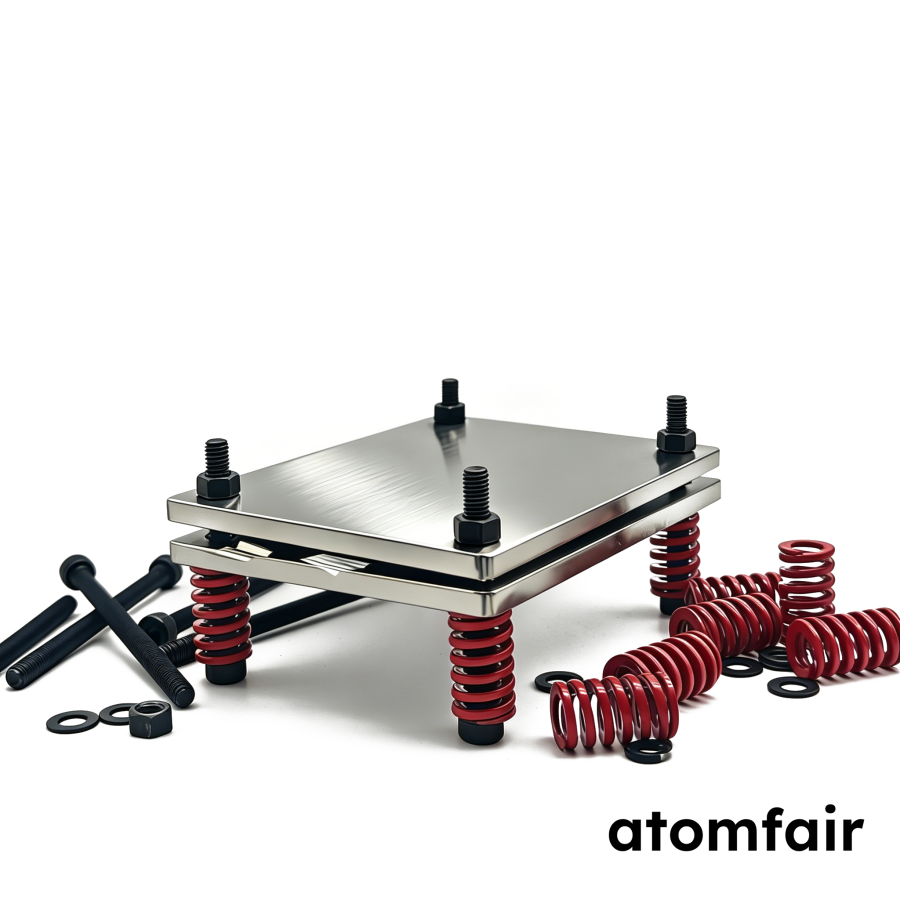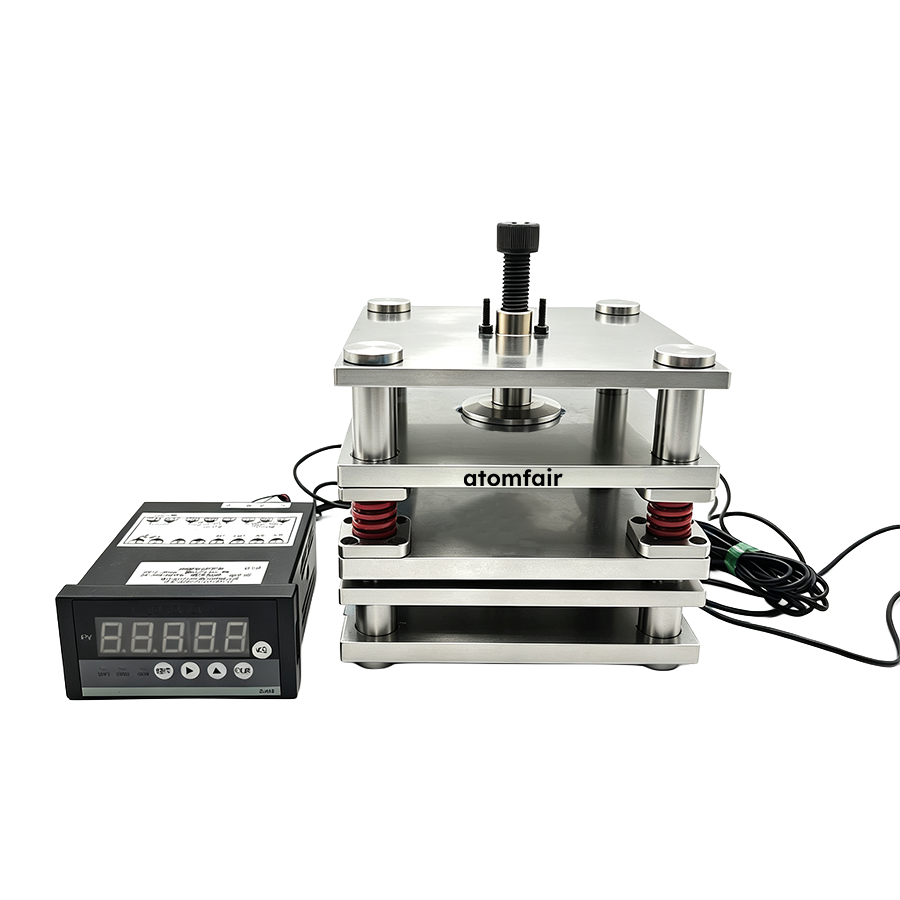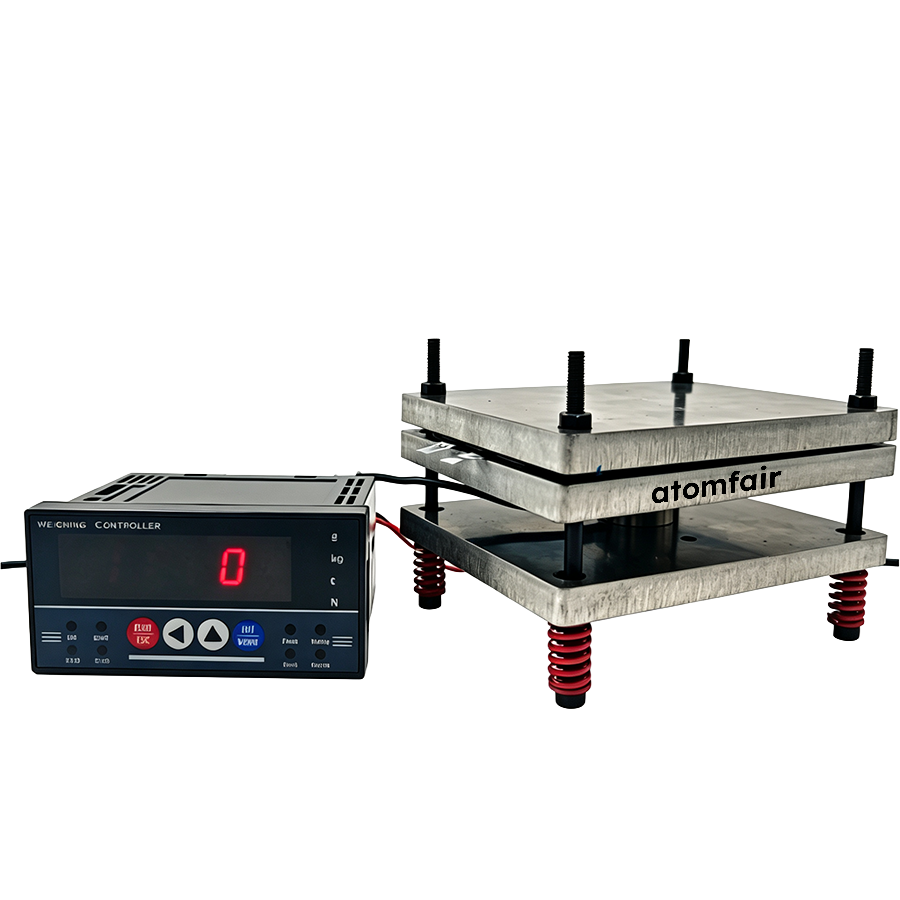
7075-T6 ALUMINUM ALLOY THREE-LAYER FIXTURE WITH PRESSURE SENSOR VERSIONRESEARCH GRADE EQUIPMENT
|
||||||||||||||||||||||||||||||||||||||||||||||||||||||||||||||||||||||||
|
||||||||||||||||||||||||||||||||||||||||||||||||||||||||||||||||||||||||
|
TAILORED SOLUTIONS FOR RESEARCH
Contact our engineering team for technical support or official institutional quotations.
EMAIL: inquiry@atomfair.com
|
||||||||||||||||||||||||||||||||||||||||||||||||||||||||||||||||||||||||
|
Manufacturer: Atomfair LLC
Brand: ATOMFAIR®
|
||||||||||||||||||||||||||||||||||||||||||||||||||||||||||||||||||||||||
This fixture requires cell dimensions to be at least 30 mm smaller than the fixture length and width to ensure safe clamping clearance. The anodized aluminum surface must remain undamaged to maintain electrical insulation and prevent pressure sensor data interference.
- Cell Dimension Constraint: Cell length and width must be at least 30 mm less than the corresponding fixture dimensions to provide safe clamping space and uniform pressure distribution.
- Working Pressure Limit: Standard working pressure is 350 kg, customizable up to 500 kg, but must not exceed the load-bearing capacity of the aluminum alloy three-layer structure.
- Insulation Integrity: The anodized insulation layer must be kept intact to avoid electrical short circuits and interference with the built-in pressure sensor data acquisition.
- Material Compatibility: The fixture is optimized for 7075-T6 aluminum alloy; alternative materials require verification of structural rigidity and electrolyte resistance.
- Pressure Sensor Integration: The pressure sensor is an essential structural component; its data cable must be properly connected to external acquisition equipment without strain or damage.
This procedure describes the safe installation and clamping of a pouch cell in the three-layer fixture with integrated pressure monitoring. Proper alignment and torque application ensure uniform pressure distribution and accurate real-time data acquisition.
- Select Fixture Size
Select a fixture size that accommodates the cell dimensions with at least 30 mm clearance on length and width. - Adjust Layer Spacing
Adjust the three-layer spacing to match the cell thickness, ensuring the cell fits snugly without excessive compression. - Position the Cell
Place the pouch cell centrally between the layers, aligning it with the pressure sensor area. - Tighten Screws Evenly
Tighten the four-corner screws sequentially in a cross pattern to achieve the target working pressure and uniform load distribution. - Connect Pressure Sensor
Connect the pressure sensor data cable to the external acquisition equipment, ensuring no cable strain or interference with the fixture. - Verify Pressure Monitoring
Verify real-time pressure readings on the acquisition system before initiating the cycle test.
How does the working pressure range of the ATM-PCBT-AL77075-3L fixture vary across different size options, and what is the trade-off between higher pressure and material selection?
The standard working pressure is 350 kg, customisable up to 500 kg based on the load-bearing capacity of the 7075-T6 aluminum alloy three-layer structure. Smaller sizes like 10*78*105 mm are rated at 350 kg, while larger sizes such as 10*120*160 mm support up to 500 kg. For applications requiring pressures above 500 kg, alternative materials (e.g., 304 or 316 stainless steel) are recommended, as the aluminum alloy structure is optimised for the 350–500 kg range.
What is the maximum pouch cell size that can be accommodated by the ATM-PCBT-AL77075-3L fixture with a 10*150*180 mm footprint?
According to the fixture size rule, maximum cell length and width equal fixture dimensions minus 30 mm. For the 10*150*180 mm variant, the maximum cell size is ≤28*120*150 mm. The three-layer spacing can be adjusted to accommodate cell thicknesses up to 2 cm, ensuring safe clamping and uniform pressure distribution during cycle testing.
How does the integrated pressure sensor in the three-layer fixture prevent data interference during real-time monitoring?
The pressure sensor is an essential structural component of the three-layer design, and its data cable connects directly to external acquisition equipment for real-time monitoring. The fixture body is insulated after anodizing, which safely mitigates current paths and prevents electrical interference with the pressure sensor signal. This hard-anodized insulation matrix directly addresses the common operational challenge of maintaining clean pressure data in an electrically active testing environment.
The ATM-PCBT-AL7075-3L is a three-layer pouch cell fixture with an integrated pressure sensing layer for real-time monitoring and uniform load distribution up to 500 kg, but it is limited to cells 0.1–2 cm thick and requires external data acquisition equipment for pressure readout.
Positive
- Integrated pressure sensing for real-time monitoring: The three-layer structure includes an essential pressure sensor that provides continuous real-time pressure data, enabling uniform load distribution and preventing data interference through hard-anodized insulation.
- High-strength 7075-T6 aluminum alloy build: The fixture uses 7075-T6 aluminum alloy, offering the highest strength among aluminum alloys while remaining lightweight, with hard-anodized insulation that ensures electrical isolation and scratch resistance.
Trade-offs
- Battery thickness and size limitations: The fixture accommodates pouch cells only 0.1–2 cm thick, and cell dimensions must be 30 mm smaller than the fixture size in length and width, restricting compatibility with larger or thicker cells.
- External data acquisition required for pressure: The pressure sensor requires connection to external acquisition equipment via a data cable; no integrated display or logging is included, necessitating additional instrumentation for pressure monitoring.
Every advanced material, component, equipment, and instrument in our catalog is backed by rigorous testing. We maintain strict internal quality management frameworks and align with CE conformity metrics to deliver transparent, reproducible performance data via our public open-science repository.
To request raw batch performance data, submit formal vendor registration paperwork, or execute a fast-turnaround R&D manufacturing loop, contact us at inquiry@atomfair.com.
Item is dispatched under the Atomfair Shipping & Delivery Framework (Free worldwide shipping on orders over $59 USD excl. heavy equipment). Return is governed by the Atomfair Return & Refund Policy (7-day technical return window).