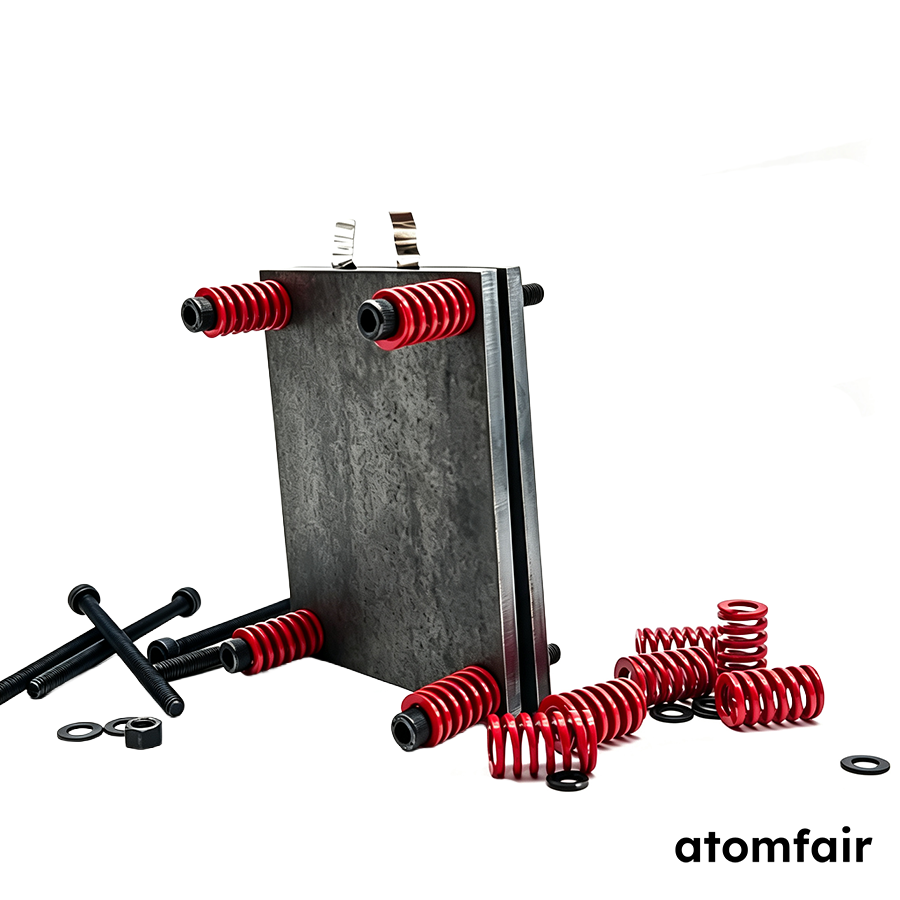
7075-T6 Aluminum Pouch Cell Fixture 250kg ATOMFAIR®

Price range: $195.00 through $226.00

Institutional Procurement & Supply Compliance: As a verified US supplier, Atomfair accepts formal institutional Purchase Orders (POs), contract billing schedules, and custom procurement loops for university and national laboratories, and corporate R&D departments globally.

7075-T6 aluminum pouch cell fixture with 4-corner screw locking, die spring buffer, 250kg standard pressure, and 0.1-2 cm cell range for precise cycle testing.

ATM-PCBT-AL7075 POUCH CELL BATTERY TEST FIXTURE (7075 ALUMINUM ALLOY VERSION)

RESEARCH GRADE EQUIPMENT

Product Overview

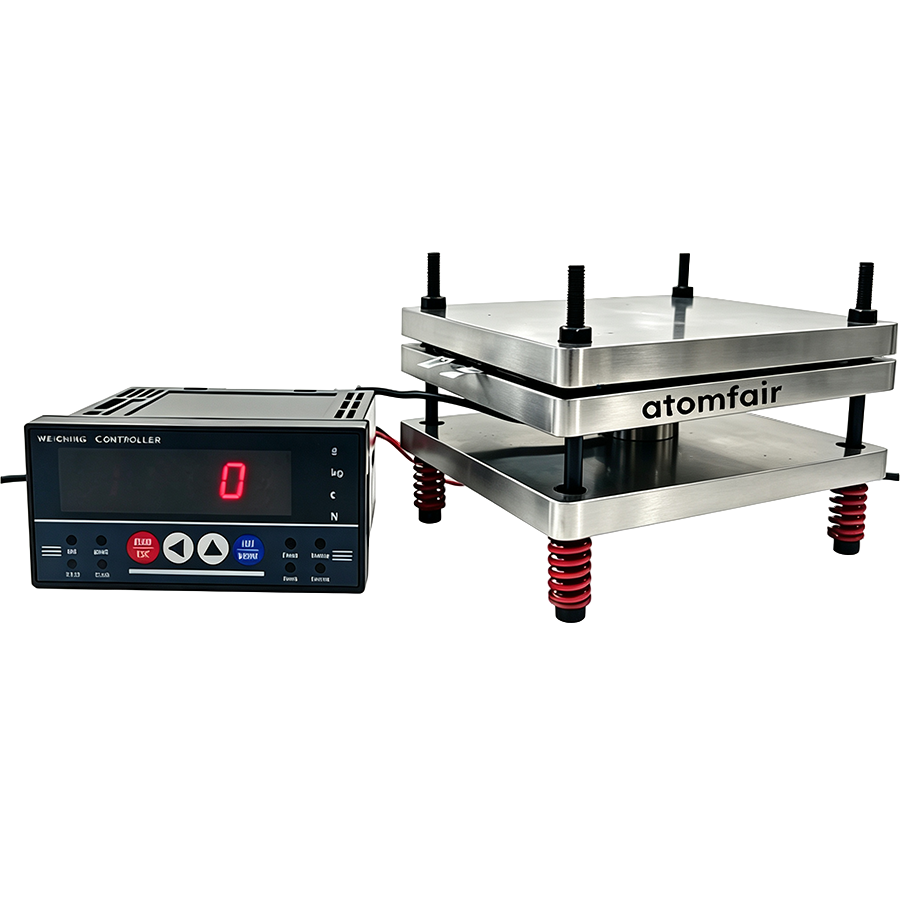
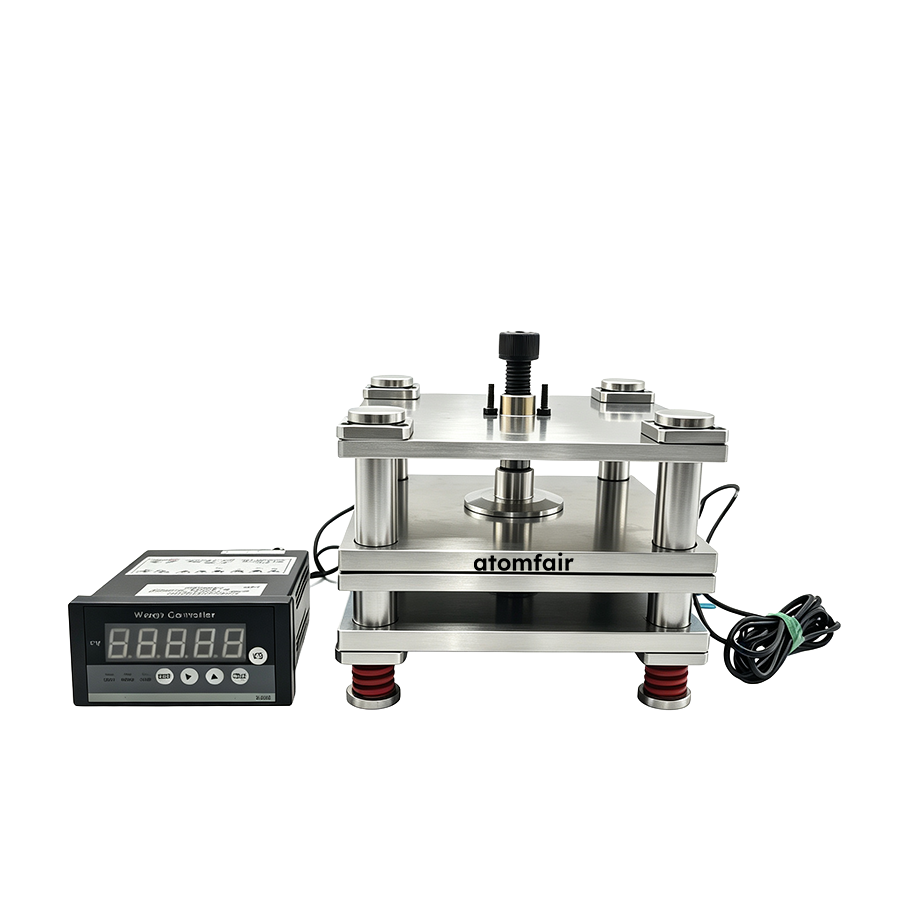
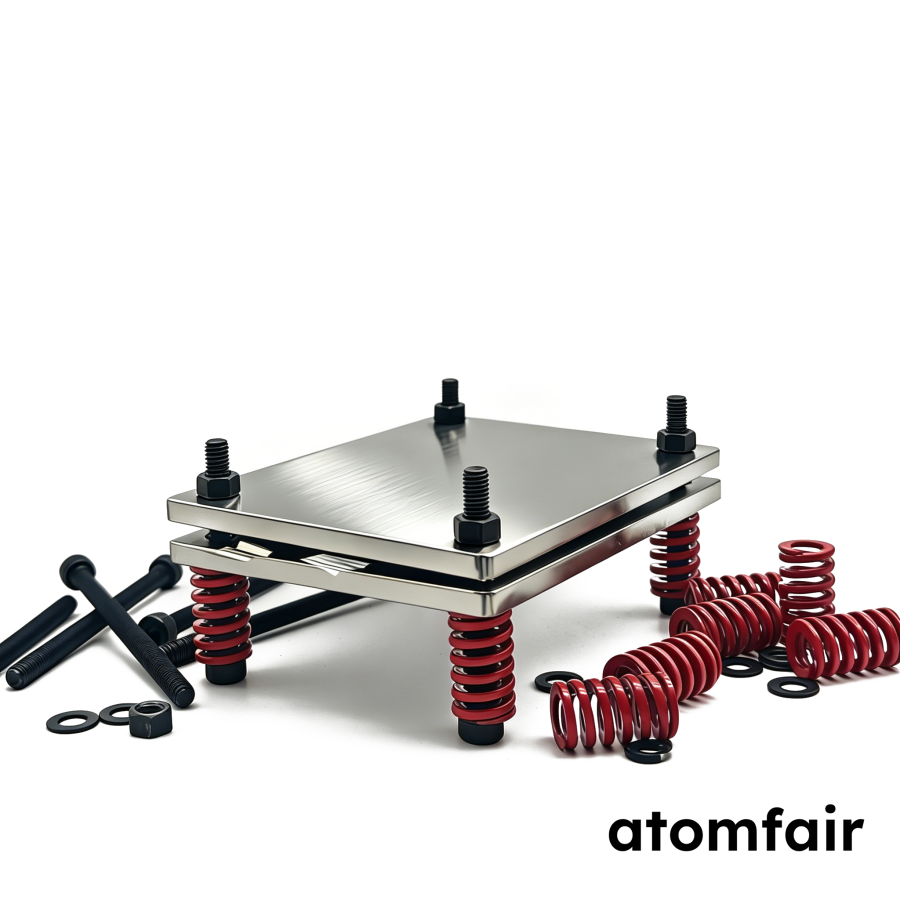
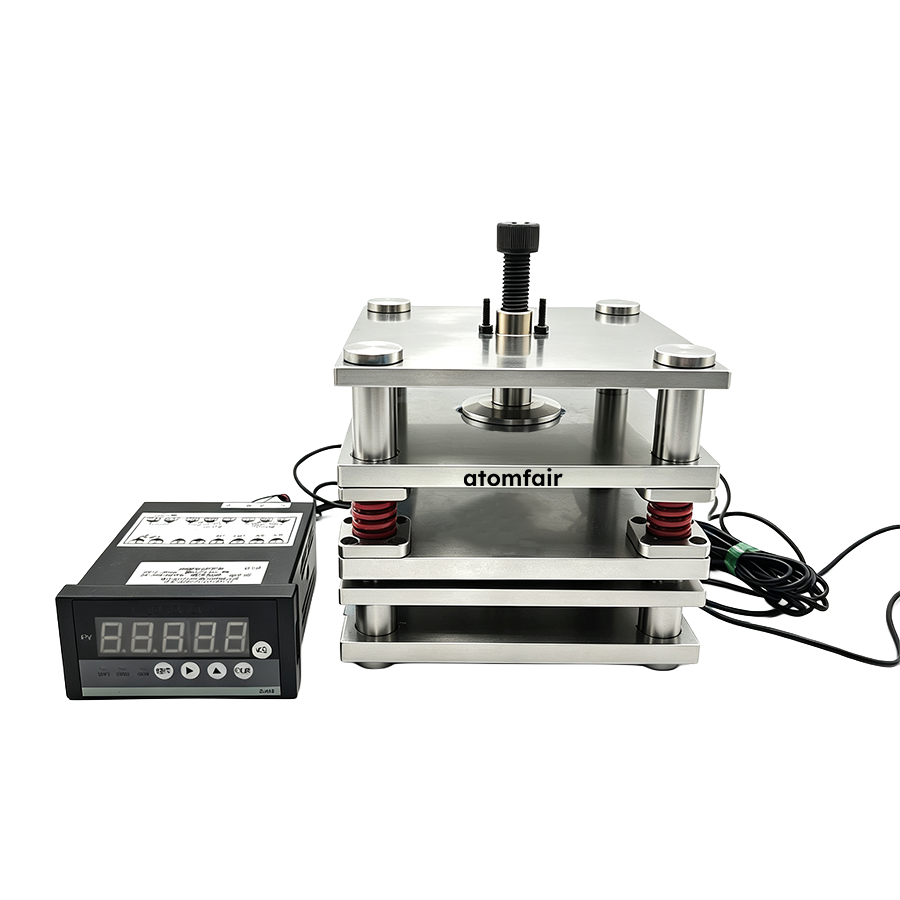
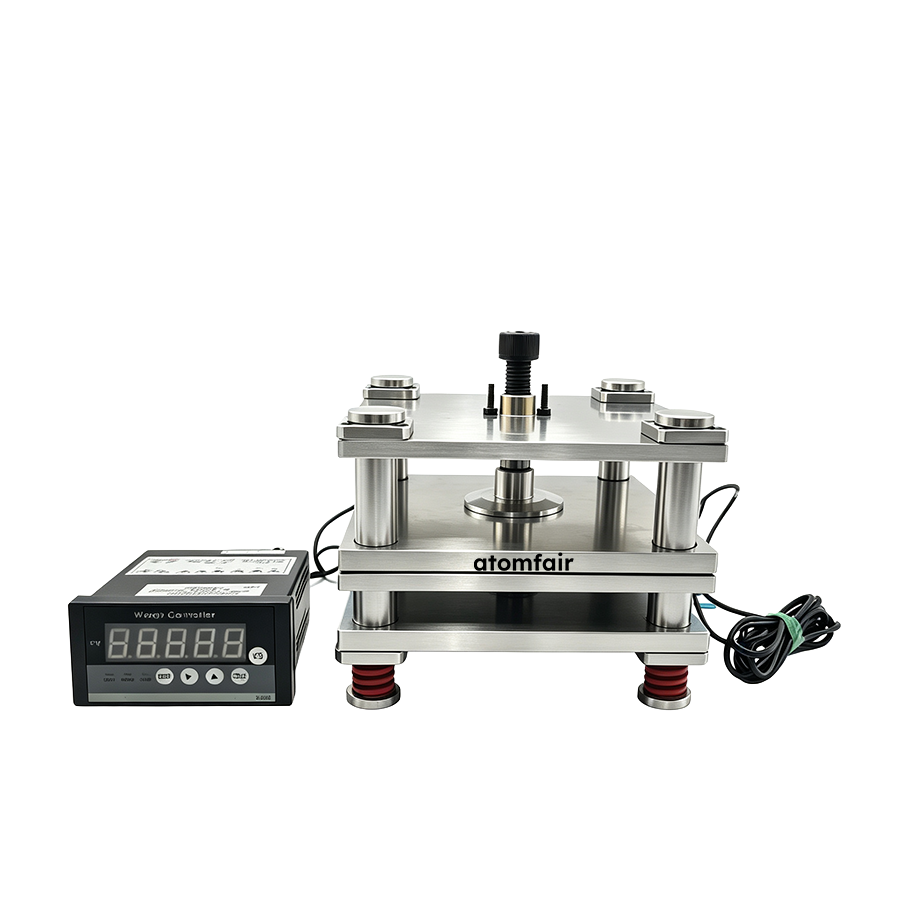
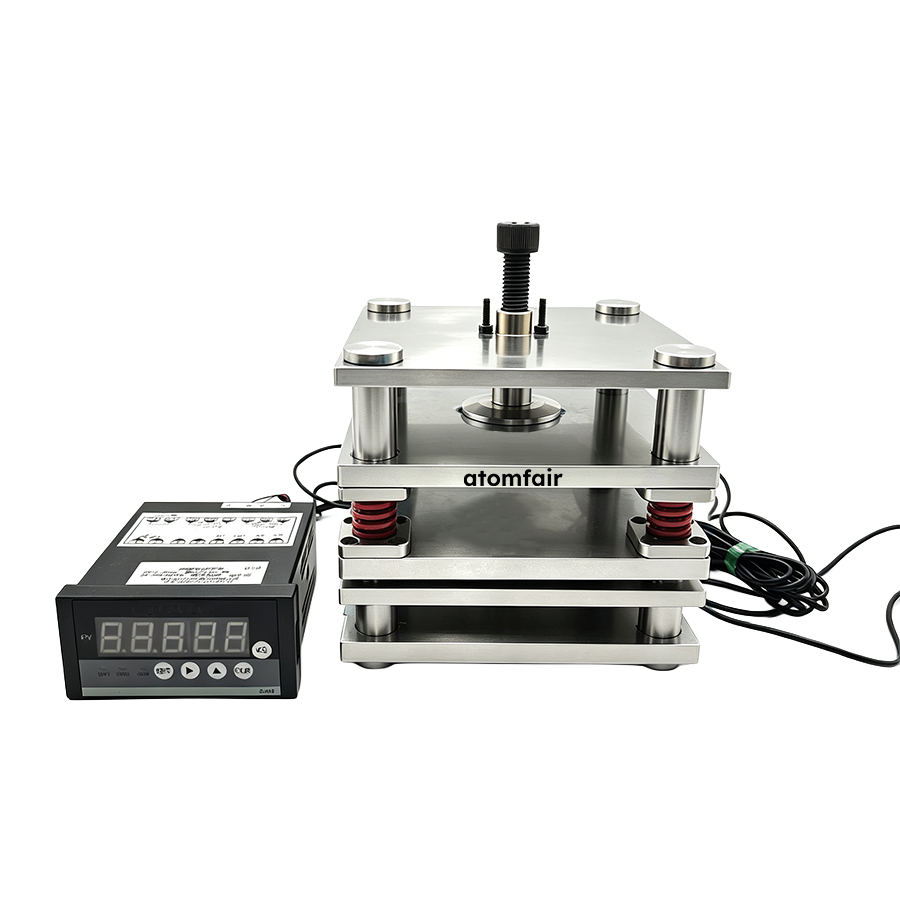
ATM-PCBT-AL7075 is an elite, high-strength pouch cell battery test fixture designed for high-precision battery cycle testing, operating at a standard working pressure of 250kg (customizable up to 350kg). It features a 4-corner screw locking system paired with a die spring buffer to securely clamp cell thicknesses from 0.1 to 2 cm. Constructed from aircraft-grade 7075-T6 aluminum alloy, it delivers the highest mechanical strength and plate rigidity among all aluminum options, effectively preventing plate deformation under maximum testing pressures. Advanced anodizing treatment guarantees robust electrical insulation and premium surface scratch resistance during repeated laboratory assembly. This product ensures uncompromised structural parallelism at competitive 7075 aluminum alloy fixture price standards for safety-critical battery cycle testing material screening.

1. Basic Product Parameters

ITEM SPECIFICATION
Product Name Pouch Cell Battery Test Fixture for Battery Cycle Testing (7075 Aluminum Alloy Version)
Model ATM-PCBT-AL7075
Main Material 7075-T6 Aluminum Alloy (full custom alternative materials available)
Standard Working Pressure 250kg (customizable up to 350kg)
Compatible Battery Thickness 0.1–2 cm
Clamping Method 4-corner screw locking + die spring buffer
Customization Fixture size can be customized based on cell dimensions

2. Fixture Size & Maximum Theoretical Load

Rule: Max. cell length & width = Fixture length & width – 30 mm
FIXTURE SIZE (mm) MAX. THEORETICAL LOAD (kg) MAX. COMPATIBLE CELL SIZE (mm) DESCRIPTION
8 × 78 × 105 250 ≤ 10 × 48 × 75 For mini small cells, premium rigidity and ultra-lightweight
8 × 90 × 107 250 ≤ 10 × 60 × 77 Compact size for small cells, precise positioning
8 × 100 × 130 250 ≤ 10 × 70 × 100 Standard middle-size cells, elite laboratory universal
8 × 120 × 160 350 ≤ 25 × 90 × 130 Standard high-pressure type (max 350kg)
9 × 120 × 160 350 ≤ 23 × 90 × 130 Reinforced high-pressure type, 350kg max
8 × 150 × 180 350 ≤ 25 × 120 × 150 For large-capacity cells, heavy-duty lightweight structural design
10 × 150 × 180 350 ≤ 23 × 120 × 150 Top-level high-load version (7075 alloy max 350kg)

3. Optional Materials & Key Advantages

MATERIAL CATEGORY OPTIONAL MATERIAL KEY ADVANTAGES
Aluminum Alloy (Default) 7075-T6 Aluminum Alloy Lightweight; highest strength among aluminum alloys; good rigidity for precise positioning; insulated after anodizing; scratch-proof
Aluminum Alloy 6061-T6 Aluminum Alloy Lightweight; easy to handle; good overall performance; easy to machine & weld; insulated after anodizing; mild electrolyte resistance
Aluminum Alloy 5052-H32 Aluminum Alloy Lightweight & soft; excellent electrolyte resistance; good for leakage protection; easy to bend & weld
Stainless Steel 304 Stainless Steel Cost-effective; resistant to regular electrolyte contact; non-magnetic; high load capacity; scratch-proof; good machinability, suitable for battery cycle testing
Stainless Steel 316 Stainless Steel Best electrolyte corrosion resistance; suitable for leakage/immersion; non-magnetic; high pressure (0-500kg) compatible; scratch-proof; stable at high & low temperatures, ideal for long-cycle testing
Carbon Steel Carbon Steel Lowest cost; high load capacity
Engineering Plastic PEEK Ultra-lightweight; best electrolyte resistance (no swelling); insulating & non-magnetic; wide temperature resistance; ultra-high precision
Engineering Plastic PPS Lightweight; excellent electrolyte resistance; insulating & non-magnetic; stable at high & low temperatures
Engineering Plastic POM Lightweight; self-lubricating; non-magnetic; dimensionally stable for sliding structures
Engineering Plastic PP/HDPE Ultra-lightweight; low cost; full electrolyte resistance; high toughness
Engineering Plastic Acrylic Lightweight; transparent for visualization; non-magnetic; easy to machine

4. Key Notes

  • Sizing rule: Cell length and width = Fixture length and width minus 30 mm, providing safe clamping space to protect the cell and ensure stable battery cycle testing data.
  • Material Performance: 7075-T6 aluminum alloy fixtures provide aircraft-grade structural strength and extreme rigidity, preventing plate deformation under maximum testing pressures.
  • Customization Rule: All sizes, materials and pressure levels can be customized to meet different battery cycle testing requirements. Manufactured under strict ISO 9001 precision machining quality control systems.
  • Technical Support: For alternative option custom requests or details on how to prevent electrolyte corrosion, please refer to our service channels below.
TAILORED SOLUTIONS FOR RESEARCH
Contact our engineering team for technical support or official institutional quotations.
EMAIL: inquiry@atomfair.com
Manufacturer: Atomfair LLC
Brand: ATOMFAIR®

This document outlines the operational constraints for the ATM-PCBT-AL7075 pouch cell battery test fixture. The fixture imposes specific sizing, pressure, and material compatibility requirements to ensure safe and accurate battery cycle testing.

  • Cell Sizing Constraint: Cell length and width must be at least 30 mm less than fixture length and width to prevent clamping edge interference.
  • Working Pressure Range: Standard working pressure is 250 kg and can be customized up to 350 kg for high-pressure testing without exceeding fixture limits.
  • Cell Thickness Compatibility: The fixture accommodates cell thicknesses from 0.1 cm to 2 cm via the die spring buffer and screw locking mechanism.
  • Material Selection Guidance: When electrolyte exposure is expected, 316 stainless steel or PEEK alternatives should be selected over 7075 aluminum to avoid corrosion.
  • Plate Deformation Prevention: The aircraft-grade 7075-T6 aluminum alloy construction prevents plate deformation under maximum clamping load.

What is the maximum working pressure for the 8x78x105mm fixture size of the ATM-PCBT-AL7075?

The standard working pressure of the ATM-PCBT-AL7075 is 250 kg, customizable up to 350 kg, but the maximum load depends on fixture size. According to the fixture size table, the 8x78x105mm size has a maximum theoretical load of 250 kg, while larger sizes (120x160mm and above) support up to 350 kg. Customization beyond 250 kg is only possible for fixtures sized to handle the higher load.

How do I calculate the maximum cell dimensions for a given fixture size in the ATM-PCBT-AL7075?

The maximum cell length and width are equal to the fixture length and width minus 30 mm, providing safe clamping space for stable testing. For example, the 8x100x130mm fixture accommodates cells up to 10x70x100mm, as shown in the fixture size table. The compatible battery thickness range is 0.1–2 cm regardless of fixture size.

Is the 7075-T6 aluminum alloy fixture suitable for use with corrosive electrolytes?

The default 7075-T6 aluminum alloy is anodized for electrical insulation and scratch resistance, but it does not provide specific electrolyte corrosion resistance. For applications involving electrolyte exposure, Atomfair recommends optional materials such as 316 stainless steel or engineering plastics like PEEK, which offer superior corrosion resistance. The key notes direct users to contact technical support for details on preventing electrolyte corrosion.

The ATM-PCBT-AL7075 is a pouch cell test fixture constructed from aircraft-grade 7075-T6 aluminum alloy, providing high rigidity and anodized electrical insulation. It operates at 250-350kg clamping pressure with a 4-corner screw and die spring system, but requires cell dimensions to be at least 30mm smaller than fixture size and is not optimized for electrolyte corrosion resistance.

Positive

  • Aircraft-grade 7075-T6 aluminum alloy: The 7075-T6 aluminum alloy delivers the highest mechanical strength among aluminum options, preventing plate deformation under maximum testing pressures of 350 kg.
  • Anodized insulation and scratch resistance: Advanced anodizing treatment provides robust electrical insulation and premium surface scratch resistance during repeated laboratory assembly.

Trade-offs

  • Mandatory 30mm cell-to-fixture margin: Cell length and width must be at least 30mm less than fixture dimensions, reducing usable clamping area and limiting maximum cell size per fixture.
  • Limited electrolyte corrosion resistance: The 7075 aluminum alloy is not listed with enhanced electrolyte resistance; users testing cells with leakage risk should consider stainless steel alternatives for long-term durability.

Every advanced material, component, equipment, and instrument in our catalog is backed by rigorous testing. We maintain strict internal quality management frameworks and align with CE conformity metrics to deliver transparent, reproducible performance data via our public open-science repository.

To request raw batch performance data, submit formal vendor registration paperwork, or execute a fast-turnaround R&D manufacturing loop, contact us at inquiry@atomfair.com.

Item is dispatched under the Atomfair Shipping & Delivery Framework (Free worldwide shipping on orders over $59 USD excl. heavy equipment). Return is governed by the Atomfair Return & Refund Policy (7-day technical return window).
Size

8x78x 105mm, 8x90x 107mm, 8x 100 x 130mm, 8x 120 x 160mm, 9x 120x 160mm, 8x 150x 180mm, 10x150x 180mm

Related Products