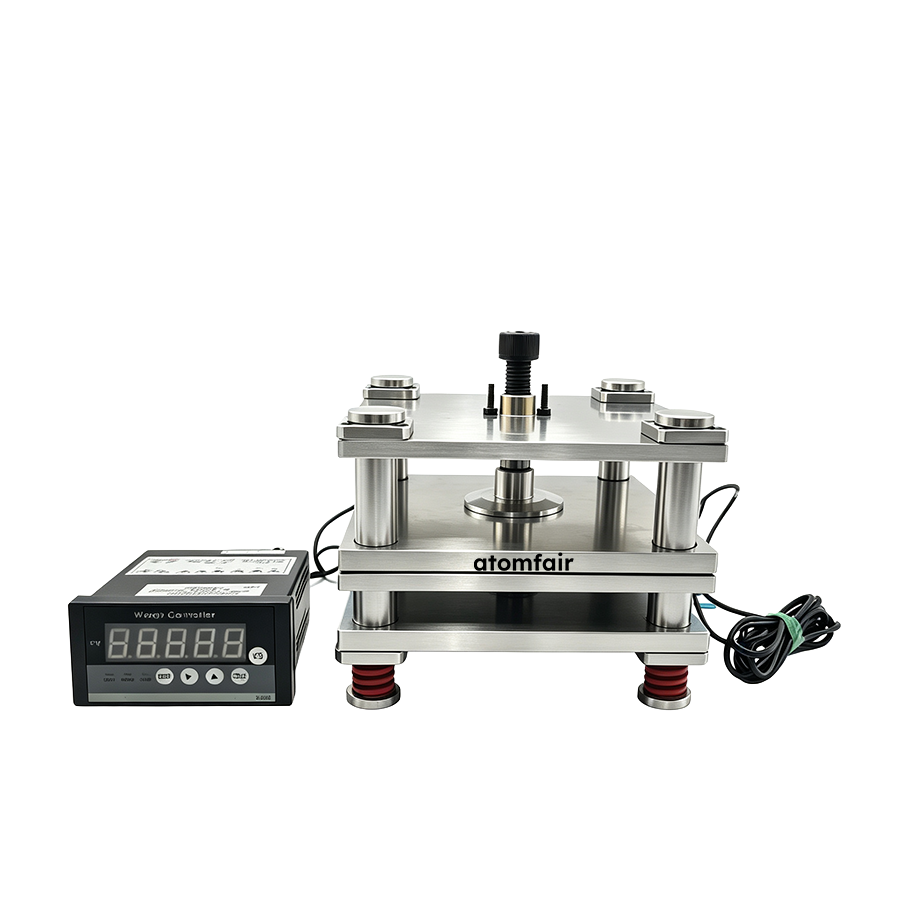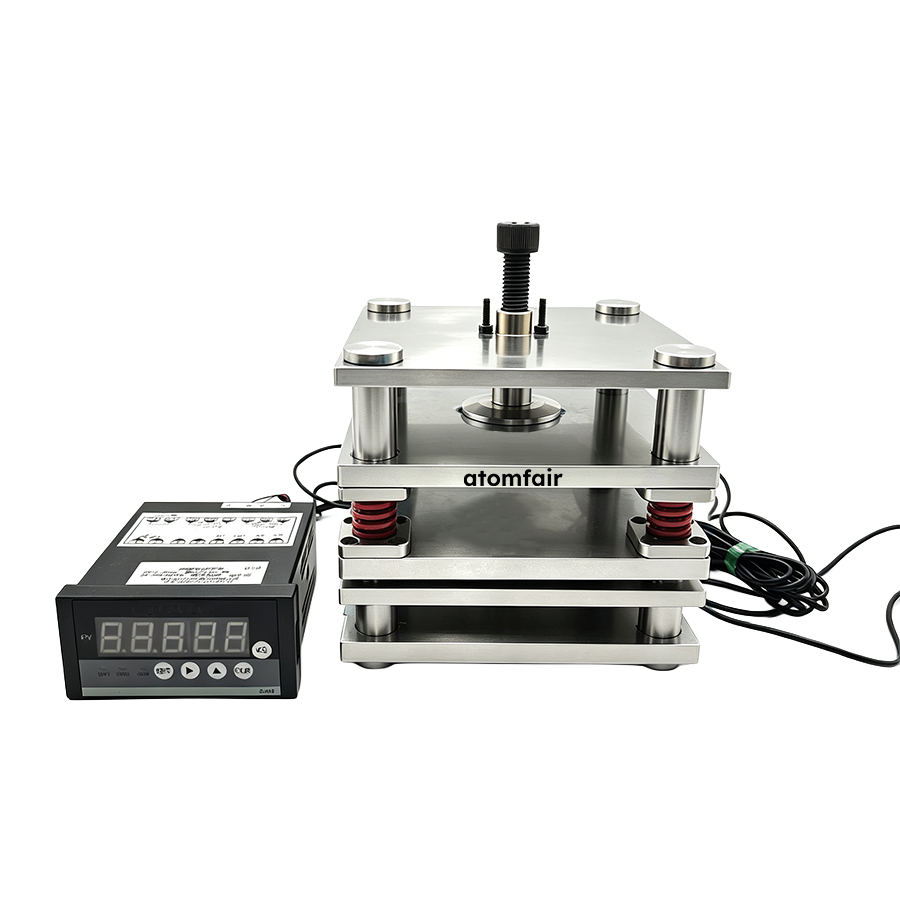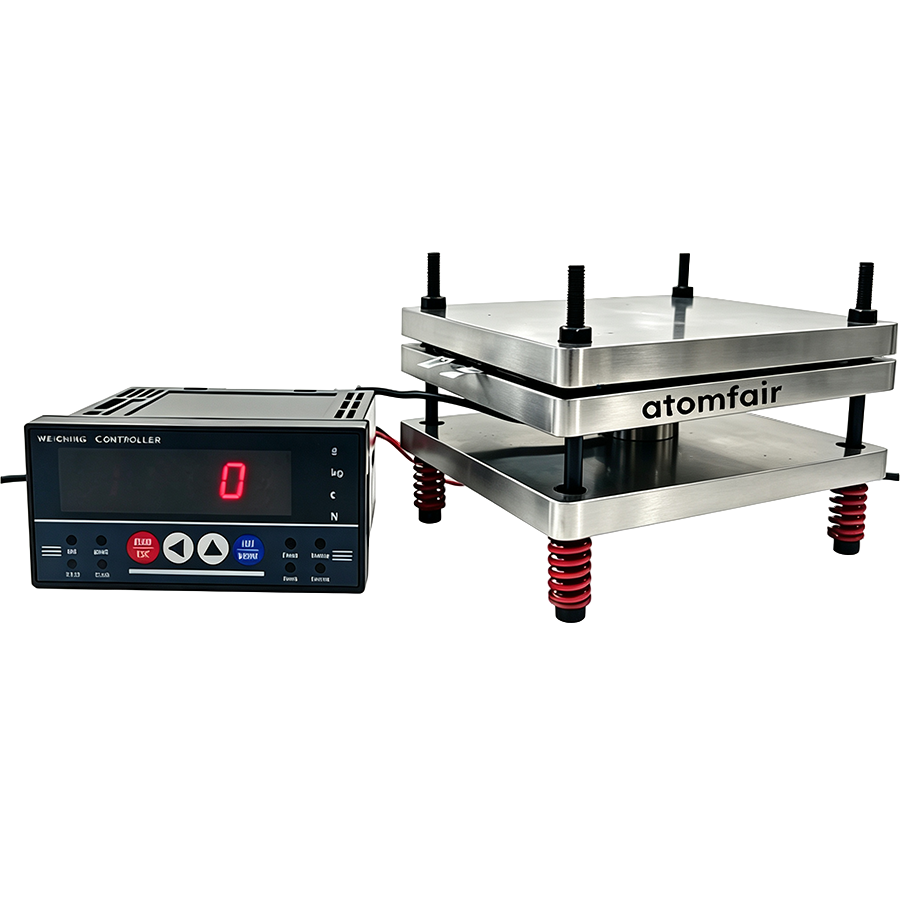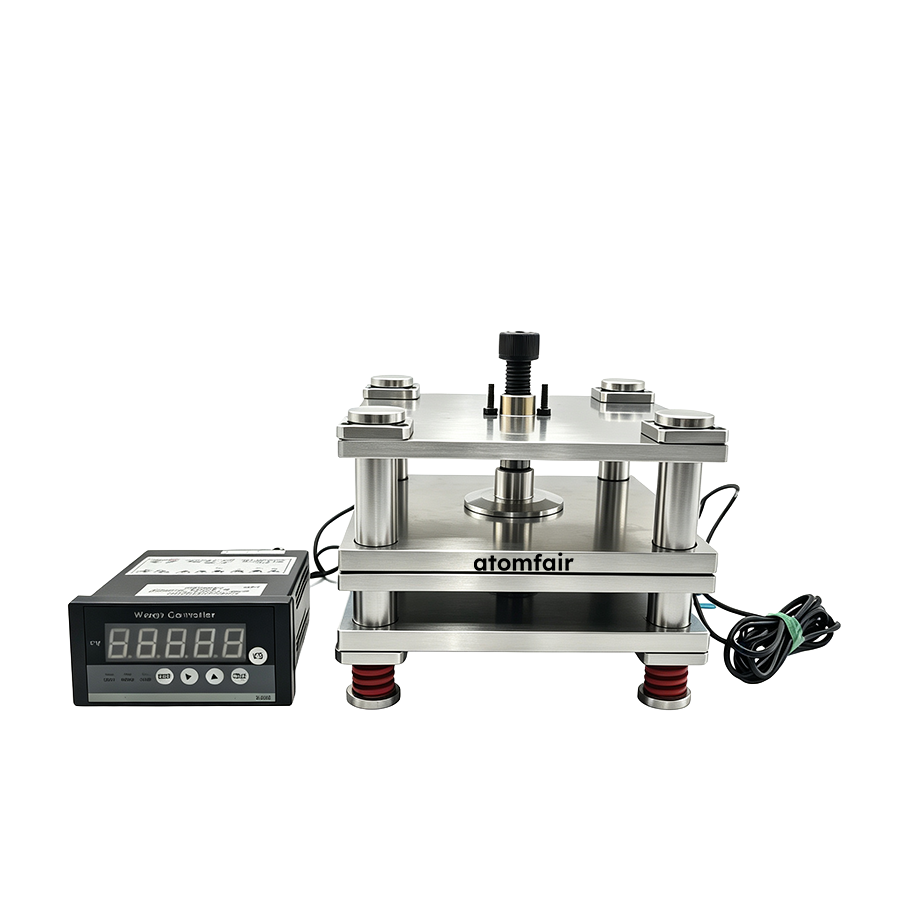
ATM-PCBT-AL6061-4L 4-LAYER POUCH CELL BATTERY CYCLE TEST FIXTURERESEARCH GRADE EQUIPMENT
|
|||||||||||||||||||||||||||||||||||||||||||||||||||||||||||||||||||||||||||||||
|
|||||||||||||||||||||||||||||||||||||||||||||||||||||||||||||||||||||||||||||||
|
TAILORED SOLUTIONS FOR RESEARCH
Contact our engineering team for technical support or official institutional quotations.
EMAIL: inquiry@atomfair.com
|
|||||||||||||||||||||||||||||||||||||||||||||||||||||||||||||||||||||||||||||||
|
Manufacturer: Atomfair LLC
Brand: ATOMFAIR®
|
|||||||||||||||||||||||||||||||||||||||||||||||||||||||||||||||||||||||||||||||
This fixture requires operation within a dry room environment to prevent signal contamination and ensure pressure sensor accuracy. All digital connection channels must be properly insulated to avoid electrical noise interference during long-term thermal validation loops.
- Dry Room Requirement: Operate only in dry room conditions to prevent moisture-induced signal interference.
- Signal Line Insulation: Insulate all pressure sensor data lines to maintain signal integrity.
- Pressure Uniformity: Ensure uniform pressure distribution by verifying parallel alignment of the four-layer stack.
- Electrolyte Exposure Limit: Avoid exposure to corrosive electrolytes beyond the general resistance of anodized aluminum.
- Continuous Monitoring: Monitor pressure readings continuously to detect any drift or sensor malfunction.
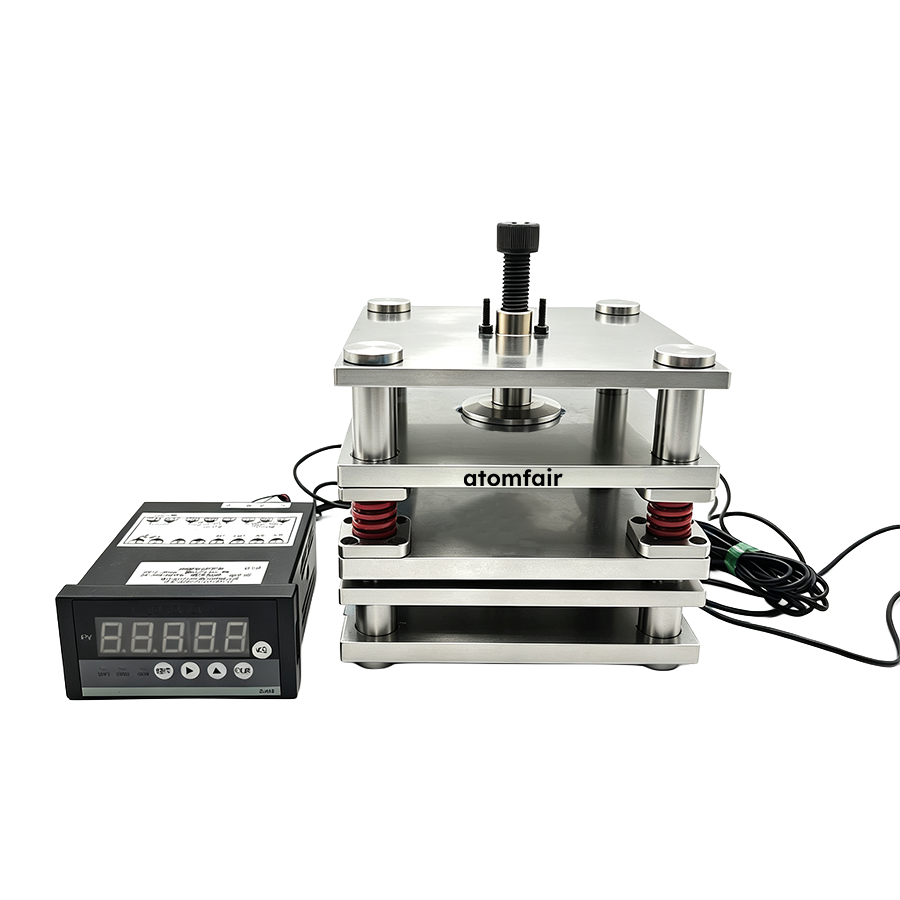
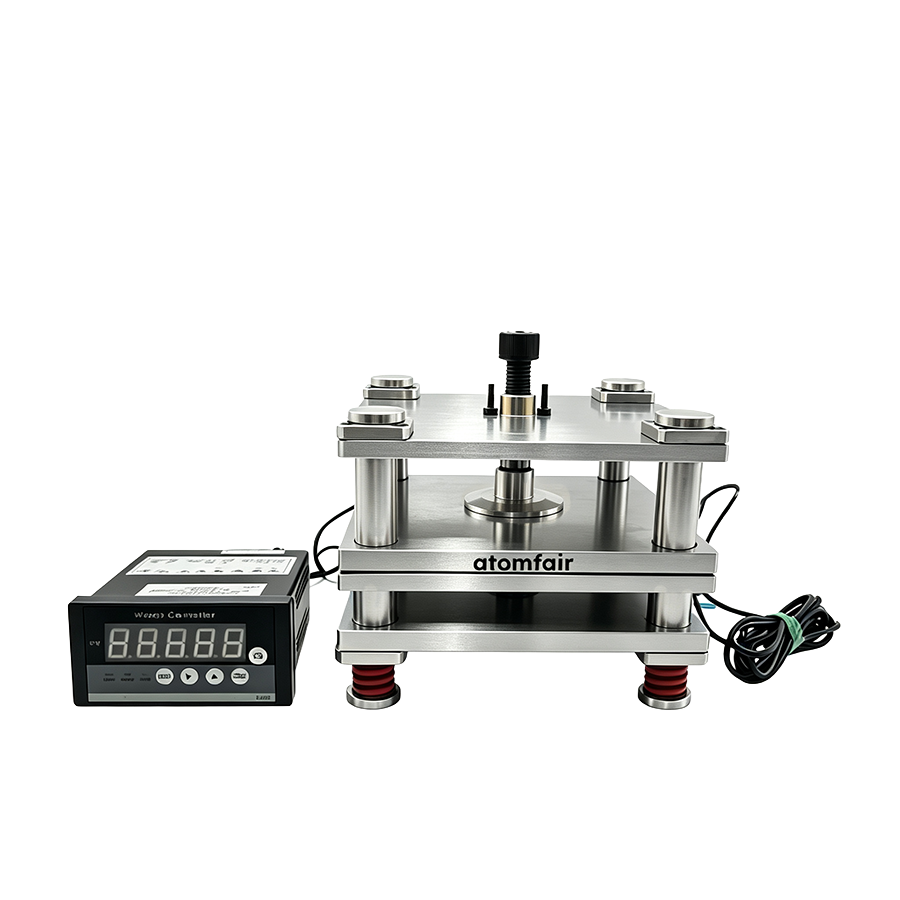
This procedure describes the safe installation and initialization of the four-layer fixture for single pouch cell cycle testing. Proper setup ensures uniform pressure distribution and reliable data acquisition.
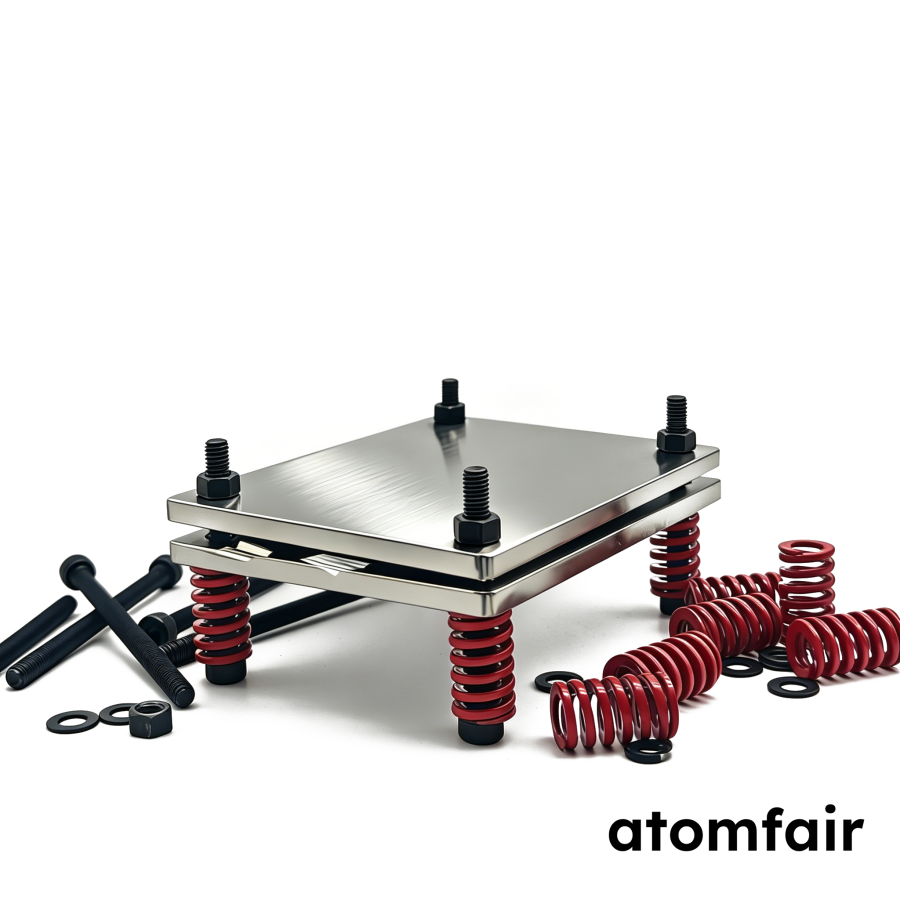
Required Equipment: Single nut locking mechanism, Pressure sensor data cable, Anodized aluminum fixture plates
- Inspect Plates
Inspect all four fixture plates for cleanliness and absence of debris. - Position Cell
Place the pouch cell centrally between the plates ensuring correct alignment. - Tighten Nut
Tighten the single nut gradually to achieve the desired clamping force. - Connect Sensor
Connect the pressure sensor data cable to the monitoring system. - Insulate Connections
Verify that all electrical connections are properly insulated from the fixture. - Verify Pressure Distribution
Confirm uniform pressure distribution by checking parallel alignment visually or with a gauge. - Begin Test
Begin the cycle test only after verifying stable pressure readings.
What is the maximum pouch cell length and width that can be accommodated by the ATM-PCBT-AL6061-4L 150×180 mm size variant without custom modification?
For the 150×180 mm size variant, the maximum compatible cell length and width is ≤120×150 mm. This is derived from the stated dimensional calculation rule: maximum cell length and width equals fixture length and width minus 30 mm. The 12 mm plate thickness version of this size supports the same cell envelope at a maximum theoretical load of 450 kg.
Can the ATM-PCBT-AL6061-4L fixture be used with pouch cells thicker than 2.5 cm, and what customization is required?
The standard four-layer vertical spacing supports pouch cell thicknesses from 0.1 mm to 2.5 cm. Cells thicker than 2.5 cm require a customization request to adjust the four-layer plate spacing. The fixture size, plate dimensions, structural spacing, and pressure level can all be fully customized according to non-standard battery dimensions and institutional testing requirements.
What are the critical handling and environmental precautions required to prevent pressure sensor data interference during long-term cycling with the ATM-PCBT-AL6061-4L?
All digital connection channels must be properly insulated, and the fixture must be operated within a dry room testing environment to avoid external signal contamination before long-term thermal validation loops. The pressure sensor data lines are integrated for constant external pressure tracking, but careful monitoring is required to prevent sensor data interference. These precautions are essential to maintain signal integrity and data reproducibility during automated lifecycle testing.
The ATM-PCBT-AL6061-4L is a four-layer pouch cell fixture machined from 6061-T6 aluminum, offering uniform pressure via single-nut clamping and real-time pressure monitoring, but requires dry room operation and careful insulation to avoid signal interference.
Positive
- Uniform single-nut pressure distribution: The single-nut locking design delivers balanced, concentric force across the cell surface, preventing stress localization and ensuring reproducible test results.
- Anodized 6061-T6 aluminum construction: Lightweight, scratch-proof, and electrically insulated after anodizing, providing durable protection for delicate pouch cell films during long cycling tests.
Trade-offs
- Requires dry room environment: To prevent external signal contamination and pressure sensor data interference, the fixture must be operated in a dry room with properly insulated digital connections.
- General electrolyte resistance only: The 6061-T6 alloy offers general electrolyte resistance, which may be insufficient for aggressive or harsh electrolyte environments; 316 stainless steel is recommended for optimal corrosion resistance.
Every advanced material, component, equipment, and instrument in our catalog is backed by rigorous testing. We maintain strict internal quality management frameworks and align with CE conformity metrics to deliver transparent, reproducible performance data via our public open-science repository.
To request raw batch performance data, submit formal vendor registration paperwork, or execute a fast-turnaround R&D manufacturing loop, contact us at inquiry@atomfair.com.
Item is dispatched under the Atomfair Shipping & Delivery Framework (Free worldwide shipping on orders over $59 USD excl. heavy equipment). Return is governed by the Atomfair Return & Refund Policy (7-day technical return window).