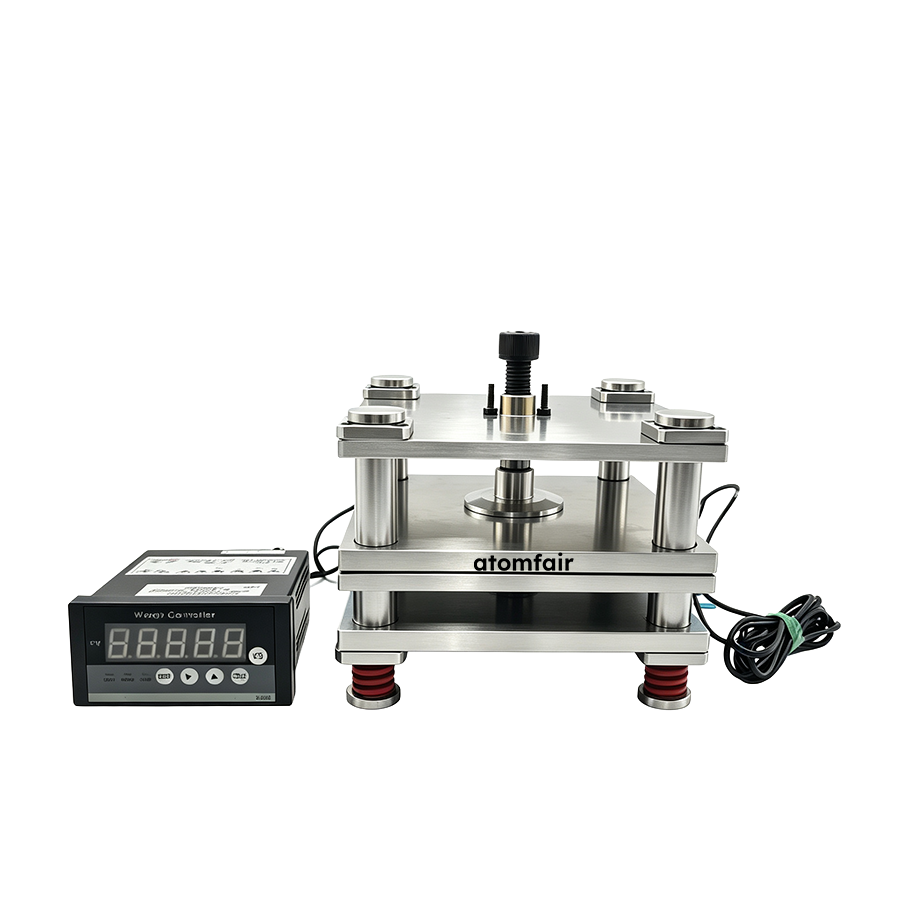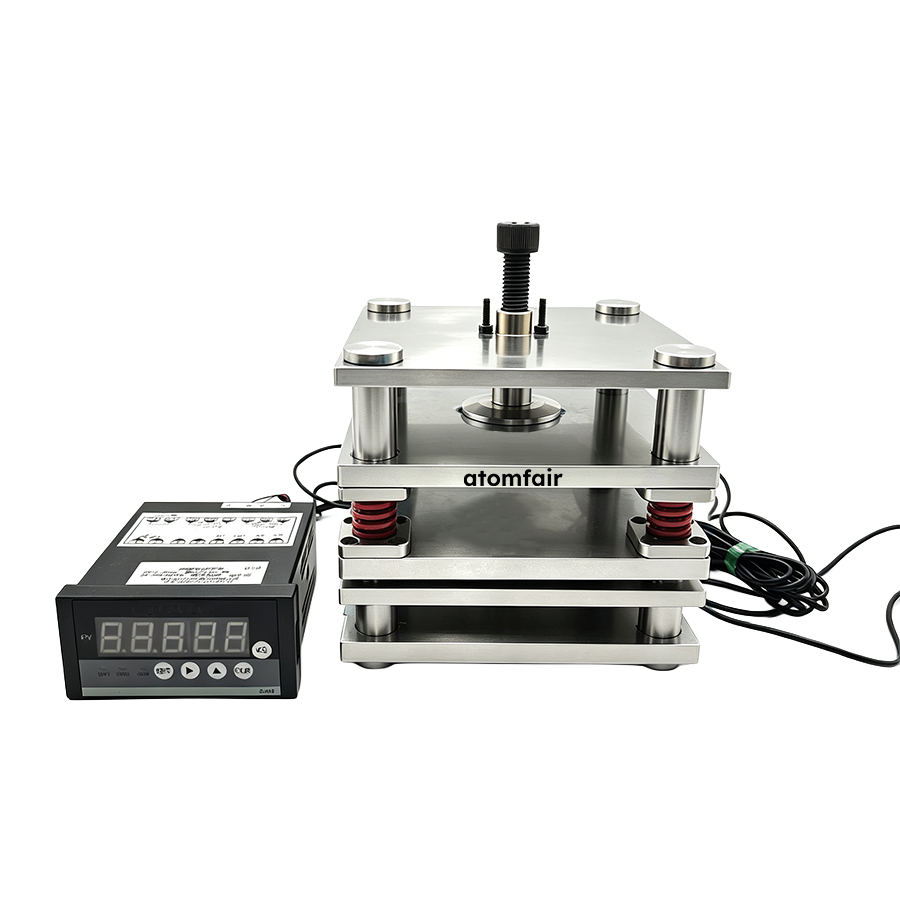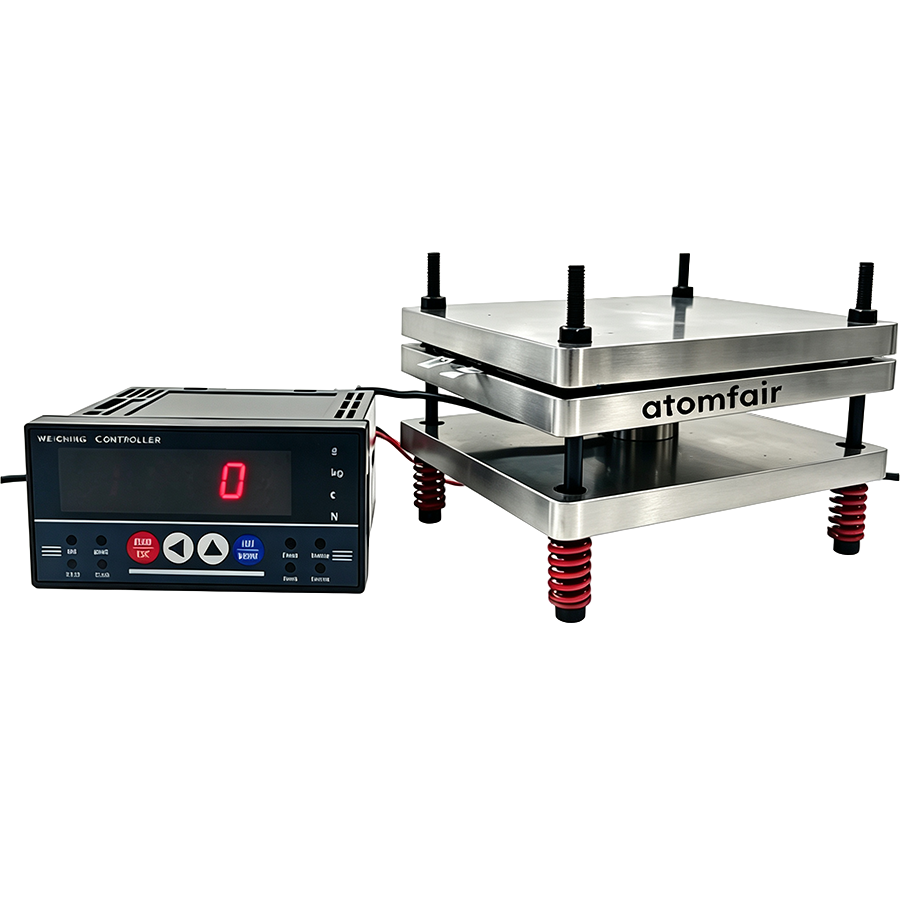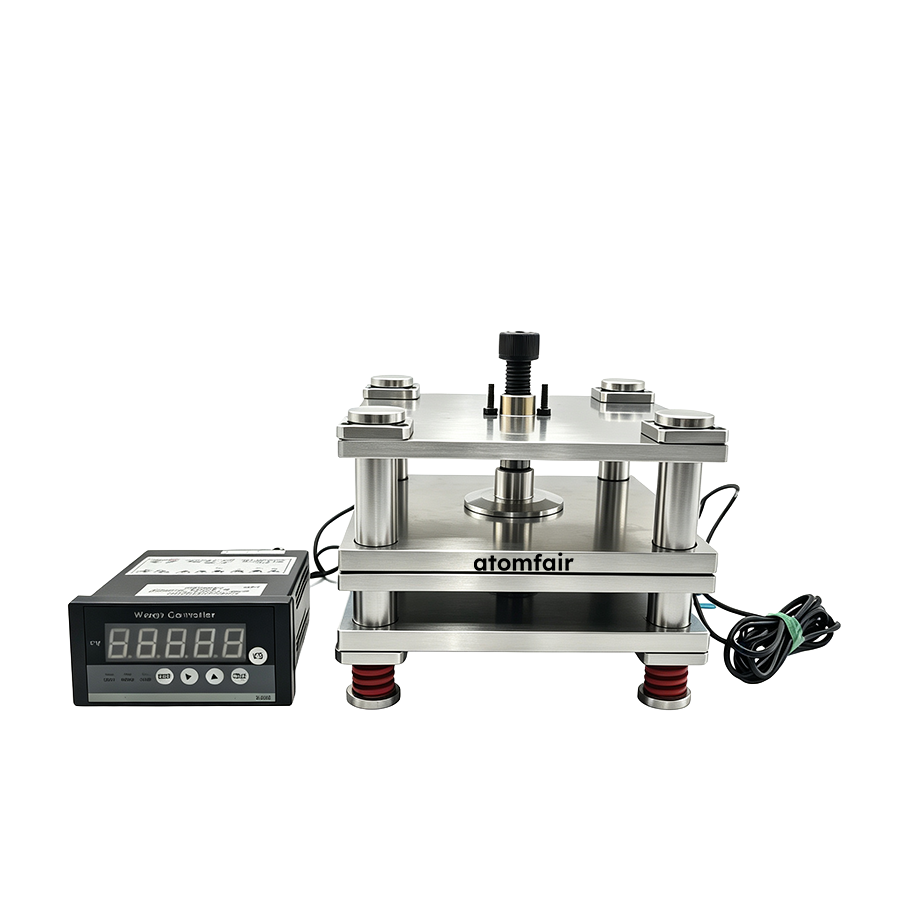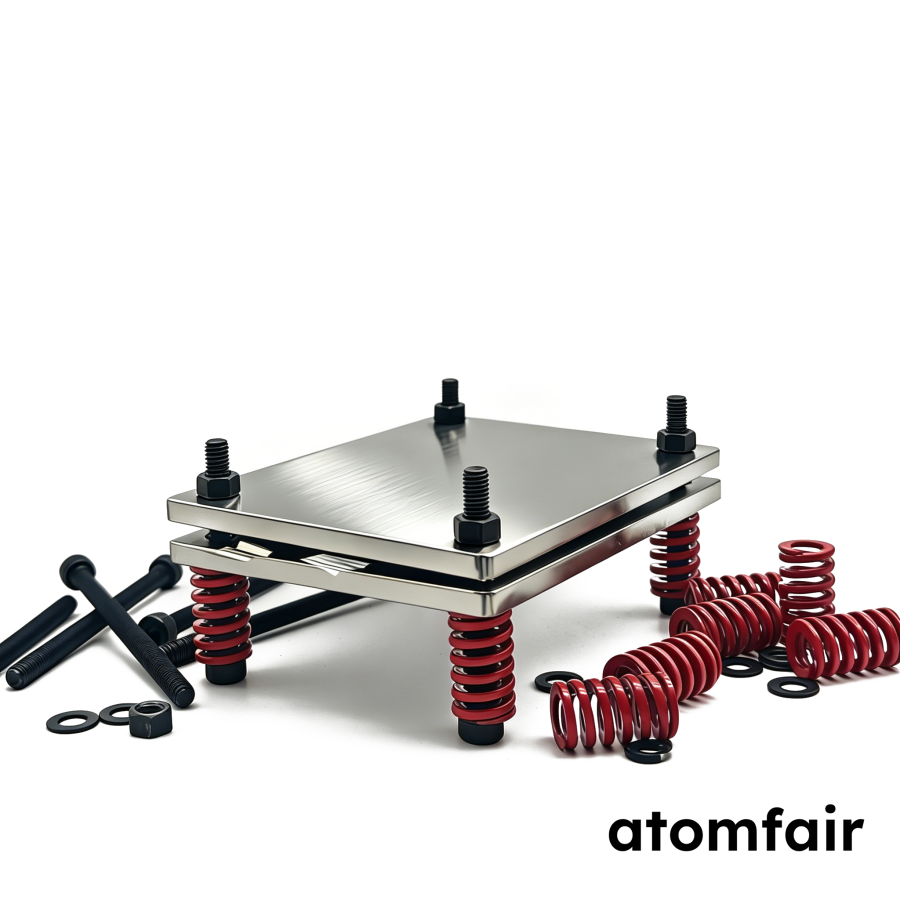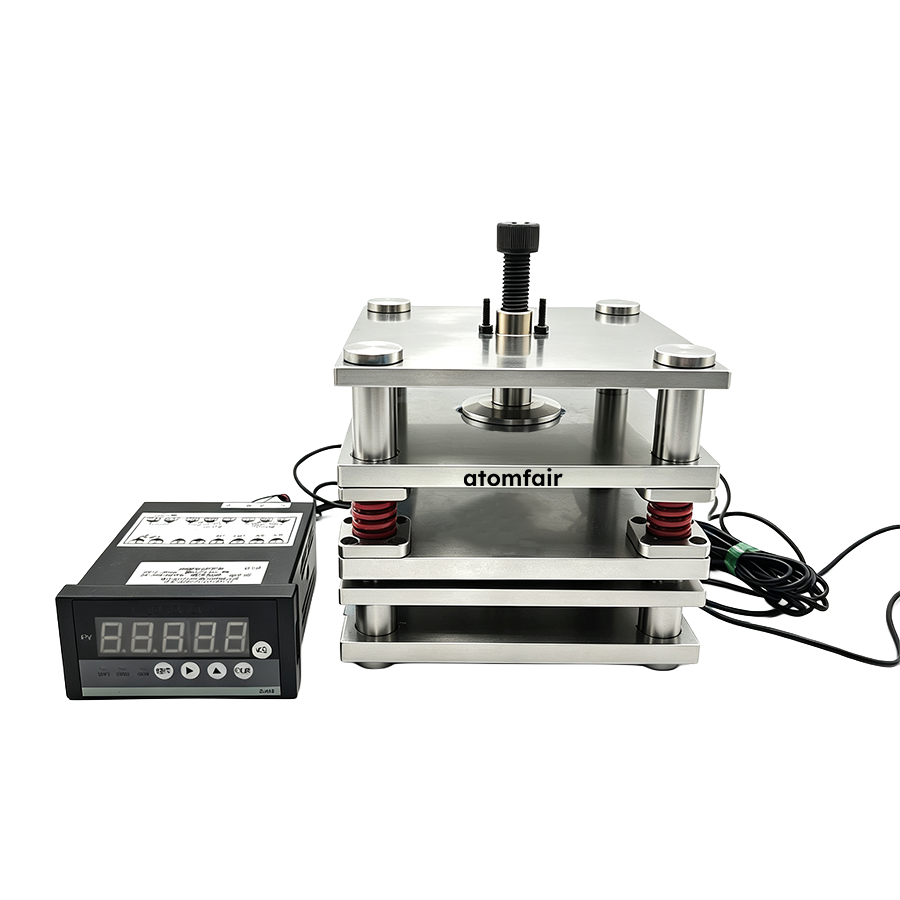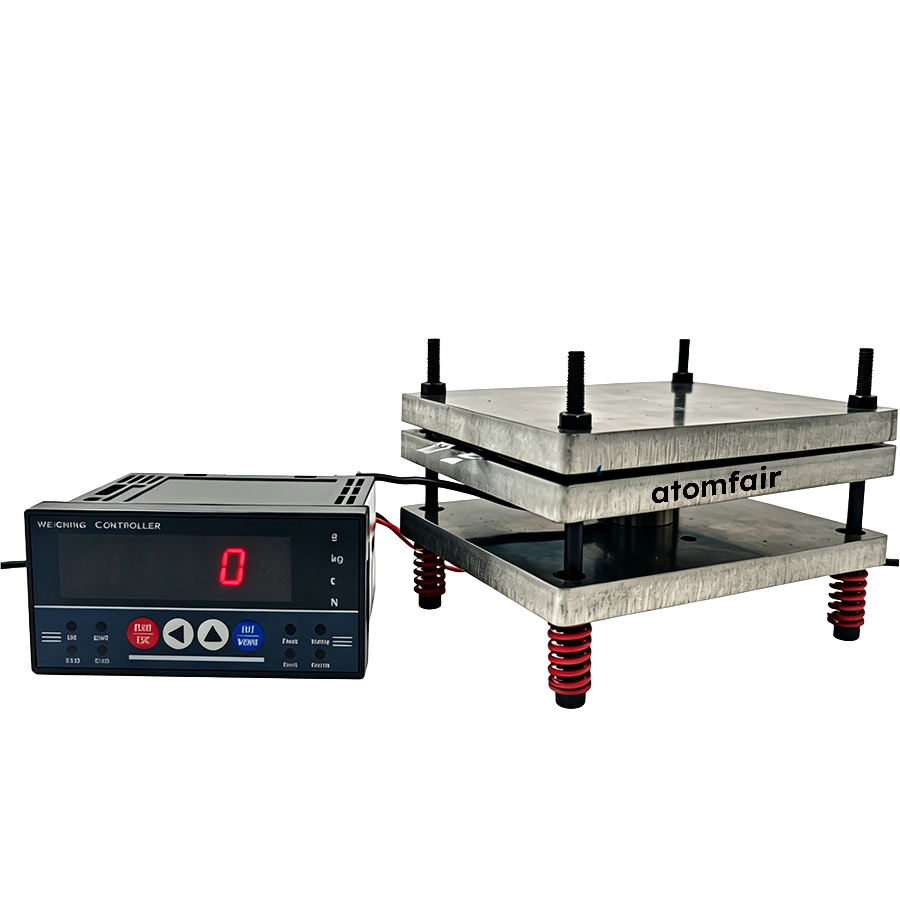
5052 ALUMINUM ALLOY THREE-LAYER FIXTURE WITH PRESSURE SENSOR VERSIONRESEARCH GRADE EQUIPMENT
|
||||||||||||||||||||||||||||||||||||||||||||||||||||||||||||||||||||||||
|
||||||||||||||||||||||||||||||||||||||||||||||||||||||||||||||||||||||||
|
TAILORED SOLUTIONS FOR RESEARCH
Contact our engineering team for technical support or official institutional quotations.
EMAIL: inquiry@atomfair.com
|
||||||||||||||||||||||||||||||||||||||||||||||||||||||||||||||||||||||||
|
Manufacturer: Atomfair LLC
Brand: ATOMFAIR®
|
||||||||||||||||||||||||||||||||||||||||||||||||||||||||||||||||||||||||
This fixture requires precise cell-to-fixture dimension matching and proper pressure sensor cable routing to avoid data interference. The anodized aluminum structure demands moderate pressure limits and corrosion-aware handling in chemical vapor environments.
- Pressure Sensor Integration: The pressure sensor is an essential structural component requiring external data cable connection to prevent signal interference.
- Size Compatibility Rule: Cell dimensions must be exactly 30 mm less than fixture length and width in each direction to ensure proper clamping clearance.
- Material Corrosion Resistance: The 5052 aluminum alloy provides corrosion resistance against electrolyte and salt spray but is limited to moderate pressures up to 450 kg.
- Insulation Requirement: The fixture must be anodized to ensure electrical insulation for safe electrochemical testing.
- Customization Limitation: Fixture size, spacing, and pressure level can be customized but must respect the structural fatigue limits of the alloy.
Select the correct fixture size based on cell dimensions and adjust three-layer spacing for thickness. Clamp the cell uniformly using four-corner screws and connect the pressure sensor for real-time monitoring.
Required Equipment: Pouch cell cycle test fixture, Pressure sensor data cable, External data acquisition system
- Select Fixture Size
Select the appropriate fixture size ensuring cell length and width are exactly 30 mm less than fixture dimensions. - Adjust Spacing
Adjust the three-layer spacing to accommodate the cell thickness within the 0.1–2 cm range. - Place Cell
Place the pouch cell into the fixture ensuring uniform alignment across all three layers. - Clamp Fixture
Tighten the four-corner screws with die spring buffer to achieve the desired clamping pressure up to 300 kg. - Connect Sensor
Connect the pressure sensor data cable to external acquisition equipment for real-time monitoring. - Verify Pressure Distribution
Verify uniform pressure distribution and absence of scratch marks on the cell surface before testing.
What is the maximum working pressure of the 5052 aluminum alloy three-layer fixture and how does it compare to the 316 stainless steel option?
The standard working pressure is 300 kg, customizable up to 450 kg for the 5052 alloy version. In comparison, the optional 316 stainless steel version supports up to 600 kg, but the 5052 alloy is significantly lighter and offers superior corrosion resistance against electrolyte and salt spray.
How does the integrated pressure sensor interface with external data acquisition systems, and what are the cell size constraints for the 5052 three-layer fixture?
The pressure sensor is an integral structural component; its data cable connects to external acquisition equipment for real-time monitoring, designed to prevent signal interference. Cell dimensions must be 30 mm smaller than the fixture in both length and width (e.g., a 10×100×130 mm fixture accommodates cells up to 12×70×100 mm), and cell thickness must be between 0.1 and 2 cm.
What environmental conditions can the 5052 aluminum alloy fixture withstand during pouch cell cycle testing?
The fixture is designed for chemical vapor or salt spray exposed pouch cell cycle testing. Its 5052 aluminum alloy provides exceptional corrosion resistance against electrolyte and salt spray, and the anodized insulation ensures stable operation in these conditions.
The ATM-PCBT-AL5052-3L is a three-layer pouch cell fixture with integrated pressure sensing, constructed from 5052 aluminum alloy for lightweight corrosion resistance, supporting standard 300kg working pressure (customizable to 450kg) and accommodating battery thicknesses of 0.1–2 cm.
Positive
- Integrated pressure sensing layer: The three-layer structure includes a pressure sensor as an essential component, enabling real-time pressure monitoring via external cable connections, which addresses data interference concerns in cycle testing.
- Lightweight corrosion-resistant construction: Made of 5052 aluminum alloy with hard-anodized insulation, the fixture offers exceptional resistance to electrolyte and salt spray, along with impact fatigue resistance, making it suitable for harsh chemical vapor environments.
Trade-offs
- Moderate maximum pressure limit: Standard working pressure is 300 kg, with a customizable maximum of 450 kg, which may be insufficient for high-pressure testing applications requiring loads above this threshold.
- Size-dependent cell compatibility: Maximum cell dimensions are fixture length/width minus 30 mm, and the fixture accommodates battery thicknesses only from 0.1 to 2 cm, limiting use with thicker or larger-format cells without customization.
Every advanced material, component, equipment, and instrument in our catalog is backed by rigorous testing. We maintain strict internal quality management frameworks and align with CE conformity metrics to deliver transparent, reproducible performance data via our public open-science repository.
To request raw batch performance data, submit formal vendor registration paperwork, or execute a fast-turnaround R&D manufacturing loop, contact us at inquiry@atomfair.com.
Item is dispatched under the Atomfair Shipping & Delivery Framework (Free worldwide shipping on orders over $59 USD excl. heavy equipment). Return is governed by the Atomfair Return & Refund Policy (7-day technical return window).