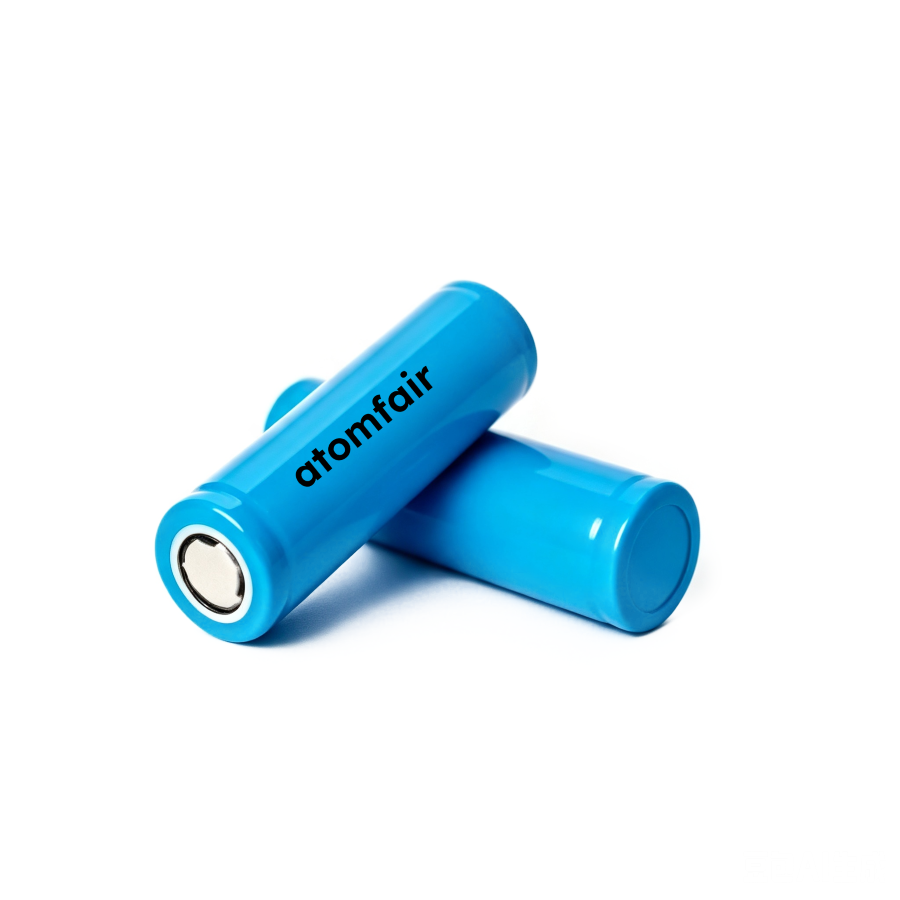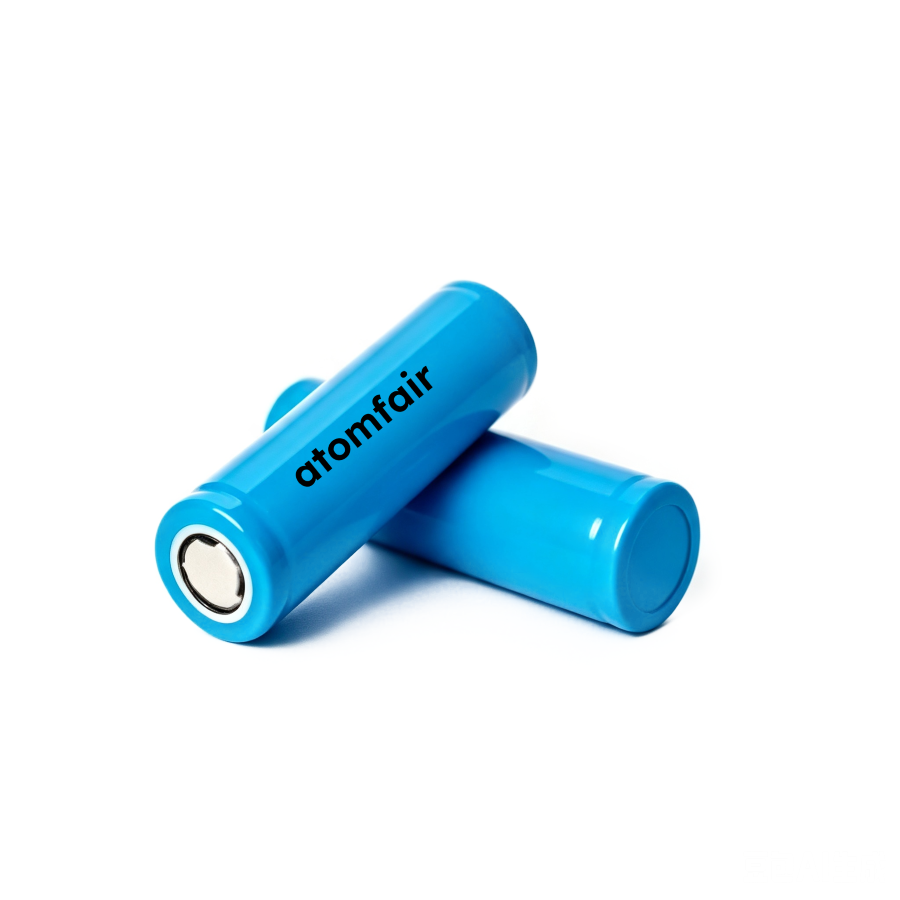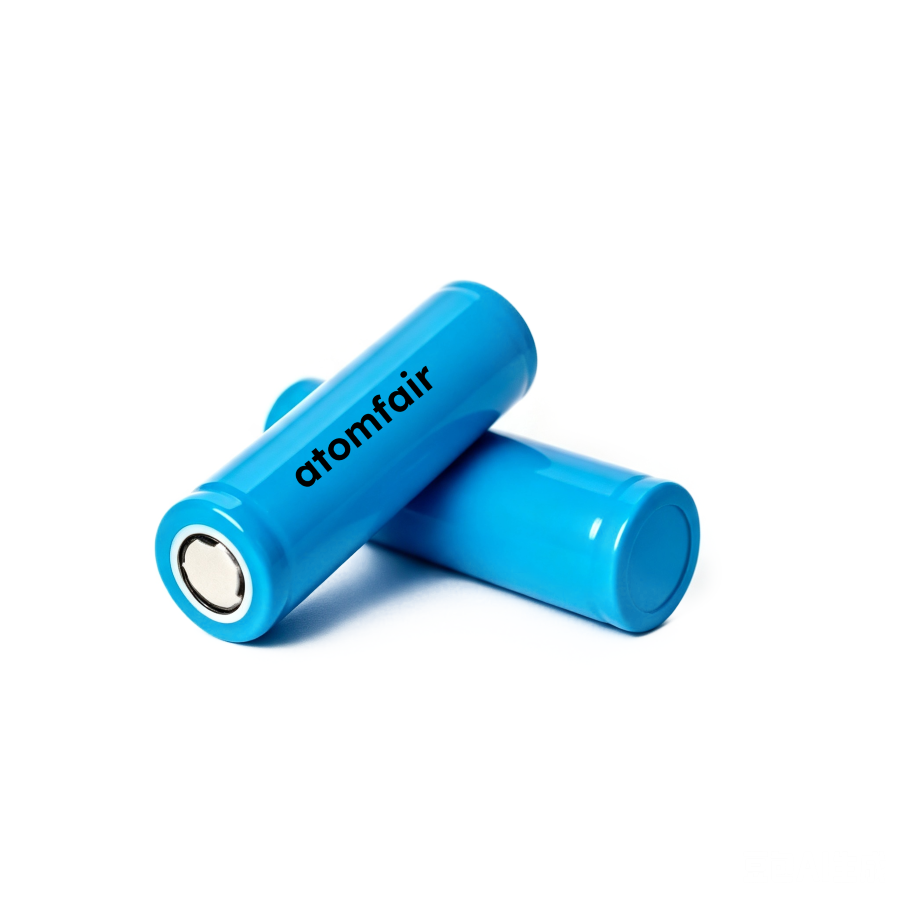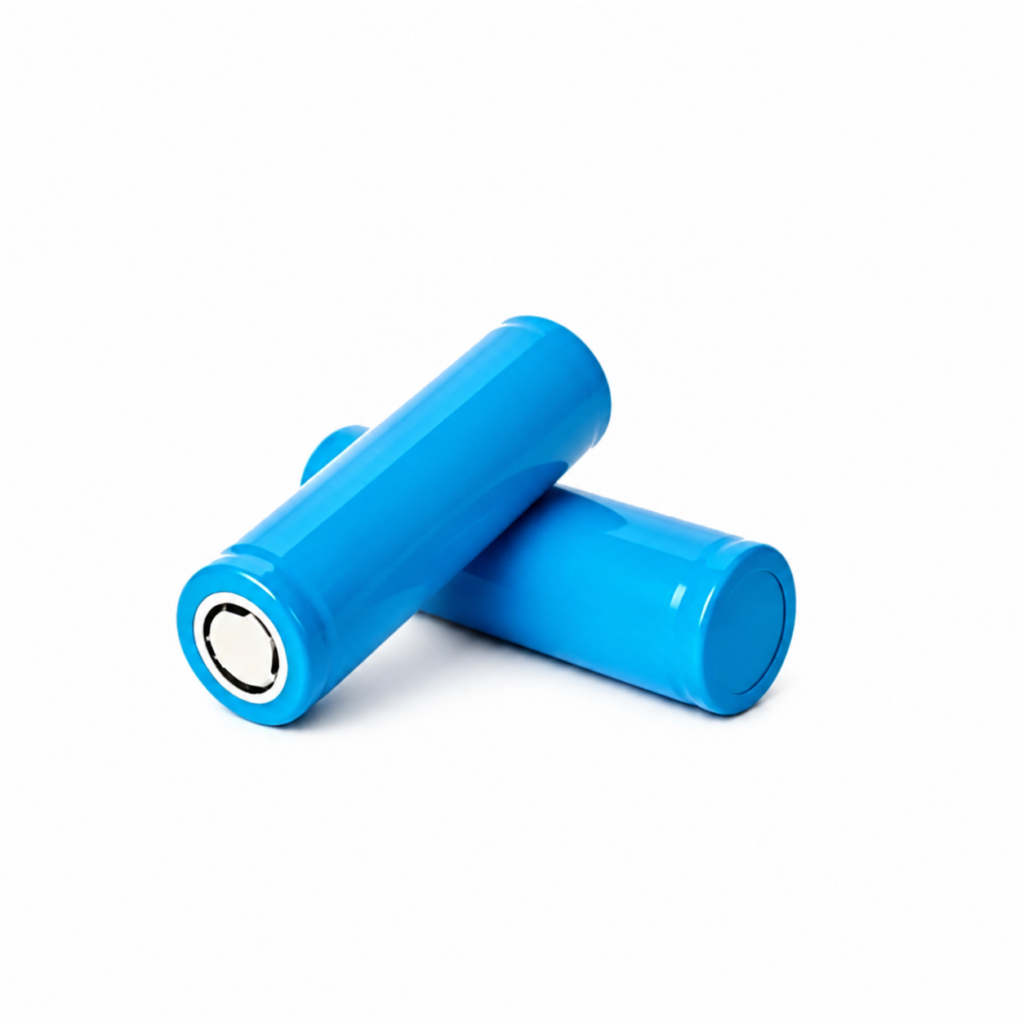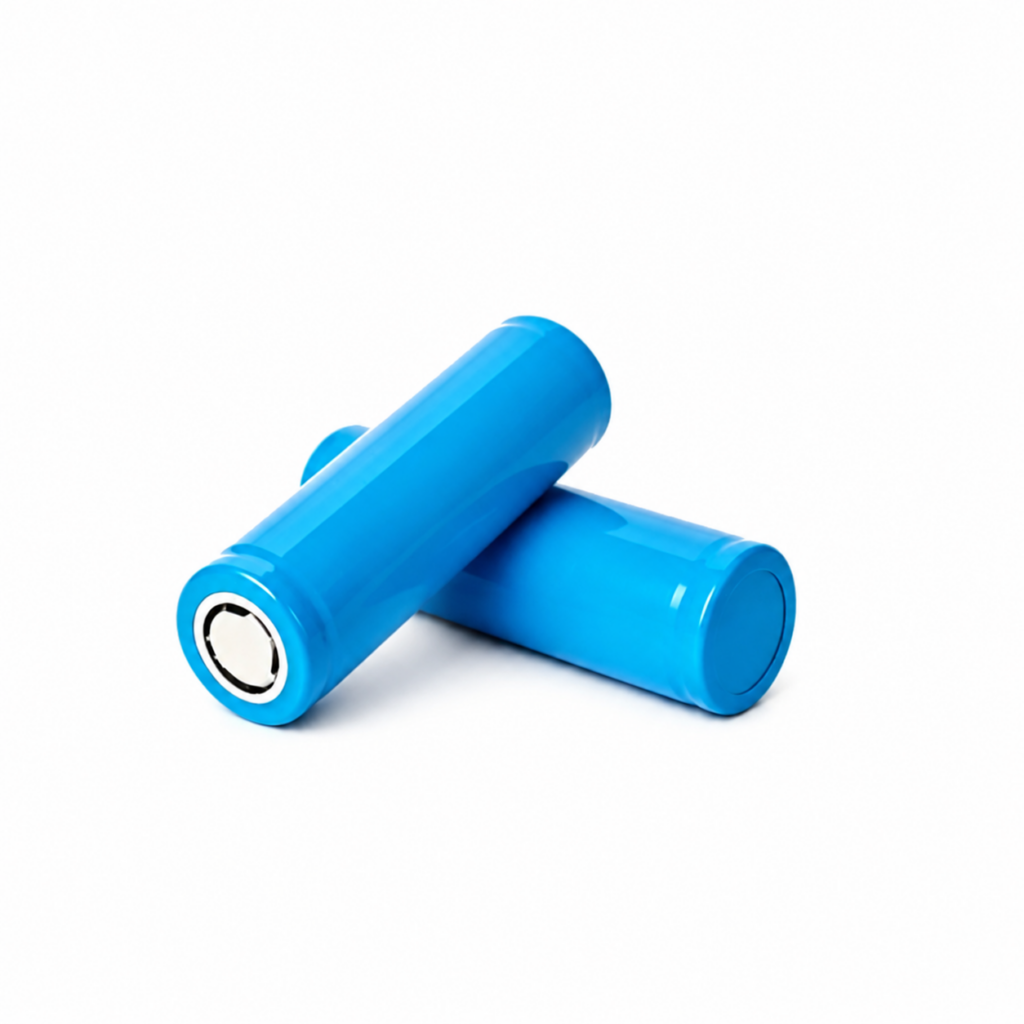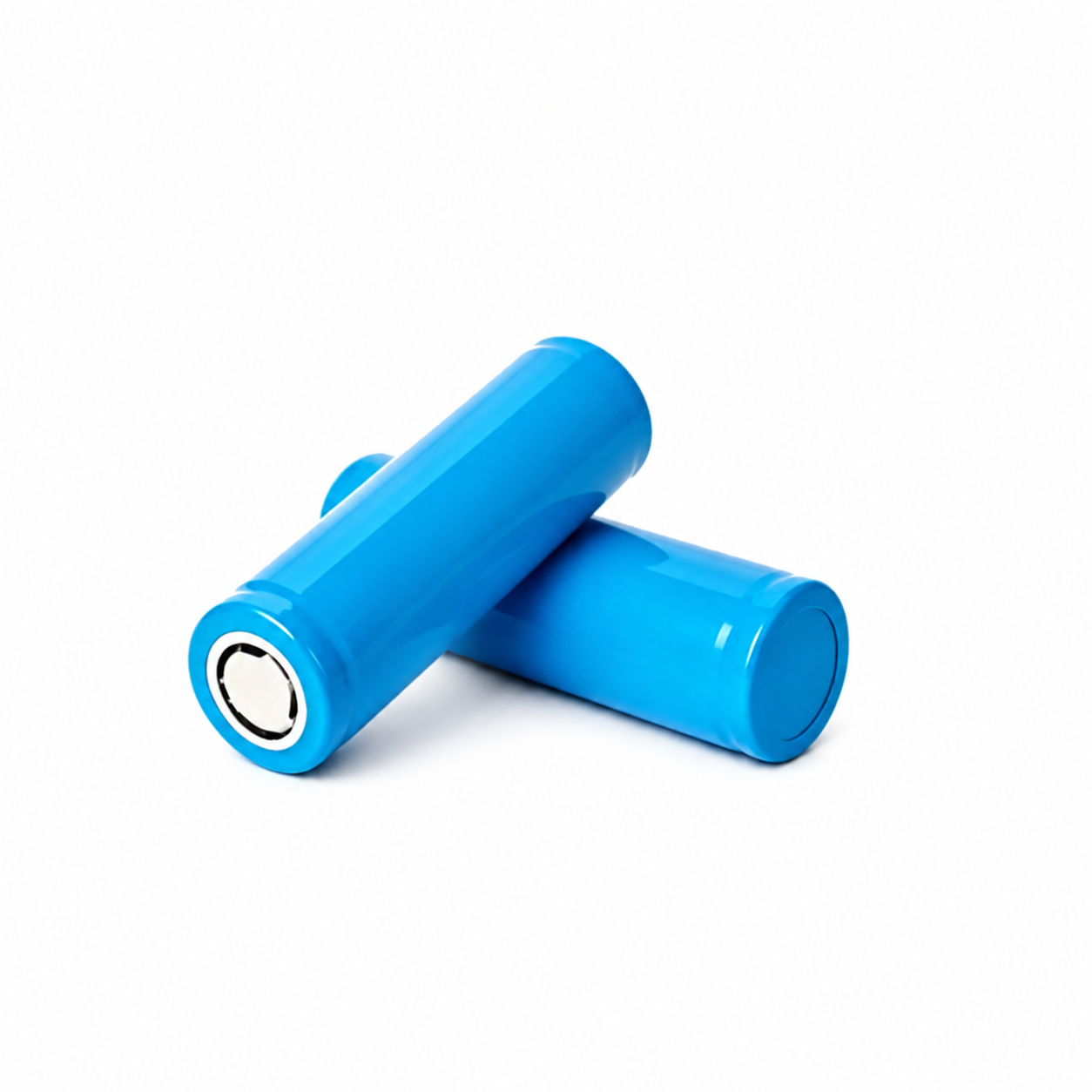
3000mAh High-Rate 26650 Lithium Iron Phosphate (LFP) Cylindrical Battery (4-Pack)COMMERCIAL GRADE · PRODUCTION
|
|||||||||||||||||||||||||||||||||||||||||||||||||||
|
|||||||||||||||||||||||||||||||||||||||||||||||||||
|
TAILORED SOLUTIONS FOR RESEARCH
Contact our engineering team for technical support or official institutional quotations.
EMAIL: inquiry@atomfair.com
|
|||||||||||||||||||||||||||||||||||||||||||||||||||
|
Manufacturer: Atomfair LLC
Brand: ATOMFAIR®
|
|||||||||||||||||||||||||||||||||||||||||||||||||||
The ATOMFAIR 26650 LFP cell requires strict adherence to current and temperature limits to prevent thermal runaway. Storage and operation must include active thermal management and a protective BMS for safe high-rate use.
- Thermal Management: Implement active cooling for continuous discharge currents exceeding 5C to maintain safe operating temperatures.
- BMS Requirement: Use a battery management system with overcurrent and short-circuit protection to prevent hazardous conditions.
- Current Limits: Do not exceed 125A peak current or 30C pulse duration of 30 seconds to avoid cell damage.
- Charge Temperature: Avoid charging the cell at temperatures below 0°C to prevent irreversible lithium plating.
- Mechanical Protection: Ensure the cell is not subjected to crushing or puncturing that could compromise the safety vent.
These steps detail the essential safety and operational procedures for the ATOMFAIR 26650 LFP cell. Adherence to these guidelines ensures safe use in high-rate applications.
Required Equipment: BMS with overcurrent and short-circuit protection, Active cooling system, Insulated terminal covers
- Connect BMS
Use a BMS with overcurrent and short-circuit protection to monitor and protect the cell. - Ensure Cooling
Ensure active cooling for continuous discharge currents above 5C to prevent overheating. - Respect Current Limits
Do not exceed 125A peak current or 30C pulse duration of 30 seconds. - Charge Within Temperature Range
Charge the cell only within the temperature range of 0°C to 45°C. - Transport Safely
Use the provided insulated terminal covers during transport and storage.
What is the impact of continuous 10C discharge on the cycle life of the ATOMFAIR 26650 3000mAh LFP cell?
The cell exceeds 1500 cycles at 10C continuous discharge (70% SOH) and 2000 cycles at 100% DOD under standard conditions. Operating at 10C reduces cycle life relative to lower rates, but the LFP chemistry and advanced electrode design still deliver over 1500 high-rate cycles, making it suitable for demanding applications like power tools and starter batteries.
What thermal management measures are necessary when integrating these high-rate LFP cells into a battery pack for applications exceeding 5C discharge?
For discharge currents above 5C, active cooling is recommended to manage heat generation. The cell's internal resistance is ≤9 mΩ, minimizing heat, but high-rate operation requires proper thermal management. Never exceed 125A peak current or 30C pulse duration, and always use a BMS with overcurrent and short-circuit protection.
What built-in safety features does this 26650 LFP cell have to prevent thermal runaway and ensure safe operation under high-current pulses?
The cell features a built-in explosion-proof vent and LFP chemistry's intrinsic thermal stability, passing nail penetration without fire or explosion. It offers zero thermal runaway risk. For safe integration, always use a BMS with overcurrent and short-circuit protection.
This 26650 LFP cell (4-pack) delivers 3000mAh with 10C continuous (30A) and 30C pulse (90A) discharge, achieving over 2000 cycles at 100% DOD. It offers high power density with intrinsic thermal stability, but requires active thermal management above 5C discharge and a BMS for overcurrent protection.
Positive
- Ultra-High Discharge Rate: Supports 10C continuous (30A) and 30C pulse (90A for 30s) with single-cell peak up to 125A, enabling high-drain applications like starter batteries and power tools.
- Extended Cycle Life at High Rate: Exceeds 1500 cycles at 10C discharge (70% SOH) and 2000 cycles at 100% DOD, reducing replacement frequency in demanding duty cycles.
Trade-offs
- Restricted Charge Temperature Range: Charge operation is limited to 0°C to 45°C; charging below freezing requires separate thermal management to avoid damage.
- Active Cooling Required Above 5C: For discharge rates exceeding 5C, active cooling is recommended to prevent thermal buildup, adding system design complexity and cost.
Every advanced material, component, equipment, and instrument in our catalog is backed by rigorous testing. We maintain strict internal quality management frameworks and align with CE conformity metrics to deliver transparent, reproducible performance data via our public open-science repository.
To request raw batch performance data, submit formal vendor registration paperwork, or execute a fast-turnaround R&D manufacturing loop, contact us at inquiry@atomfair.com.
Item is dispatched under the Atomfair Shipping & Delivery Framework (Free worldwide shipping on orders over $59 USD excl. heavy equipment). Return is governed by the Atomfair Return & Refund Policy (7-day technical return window).