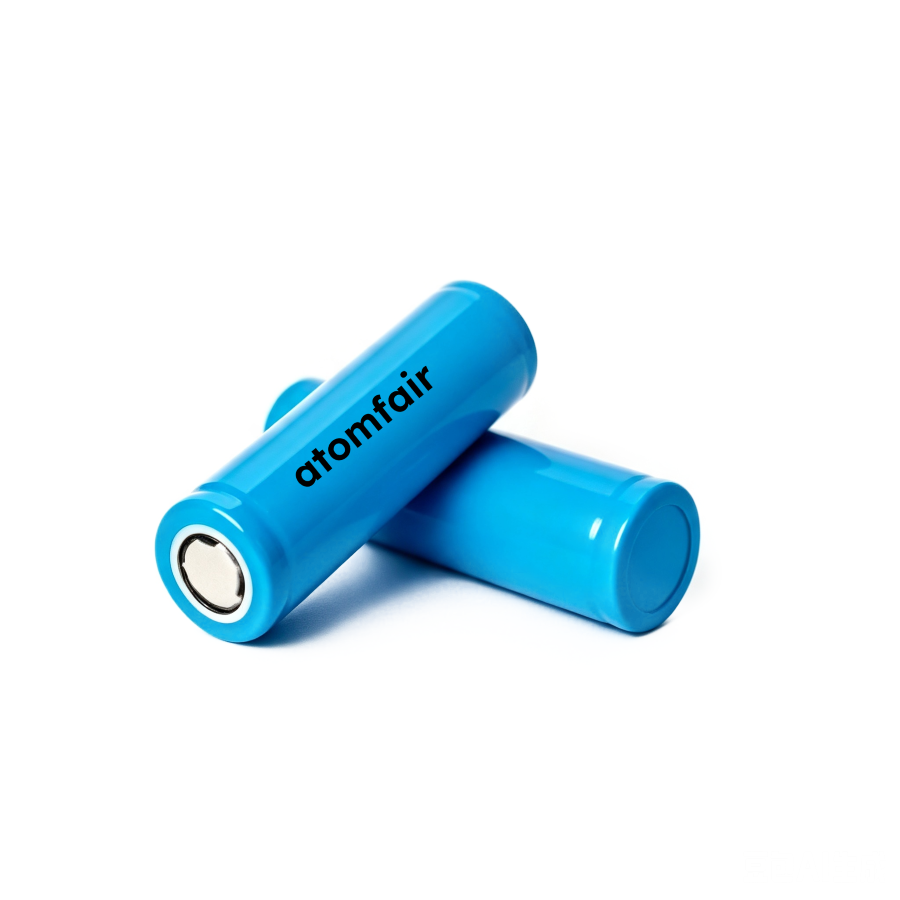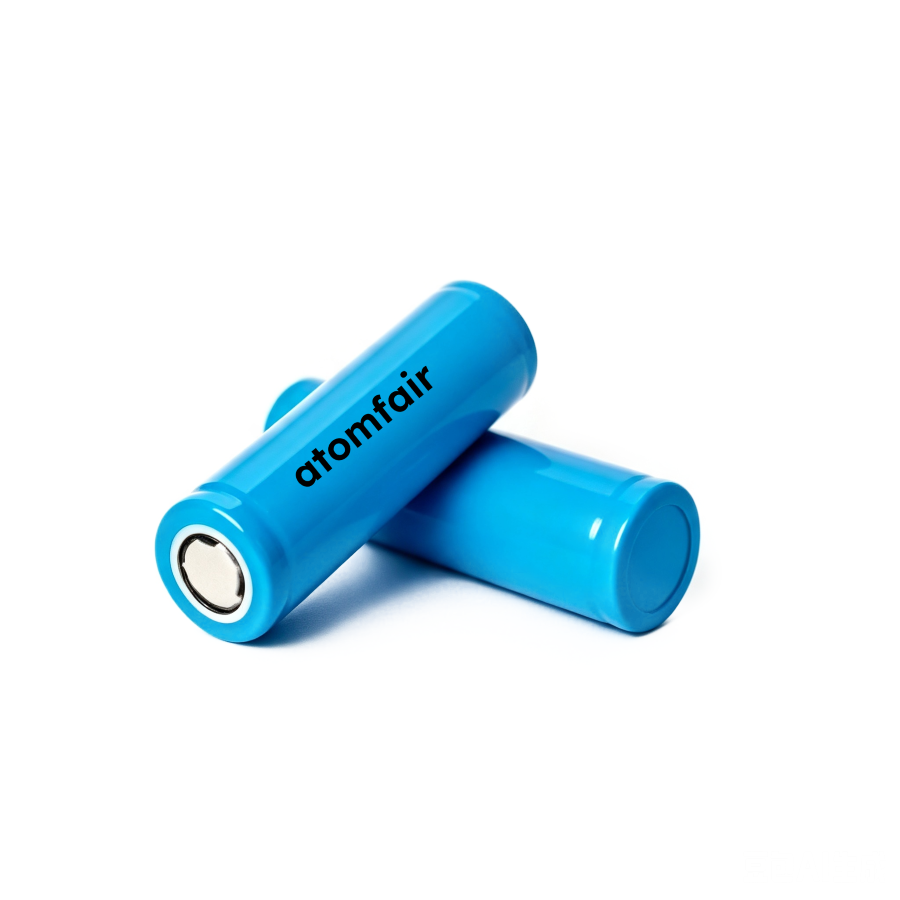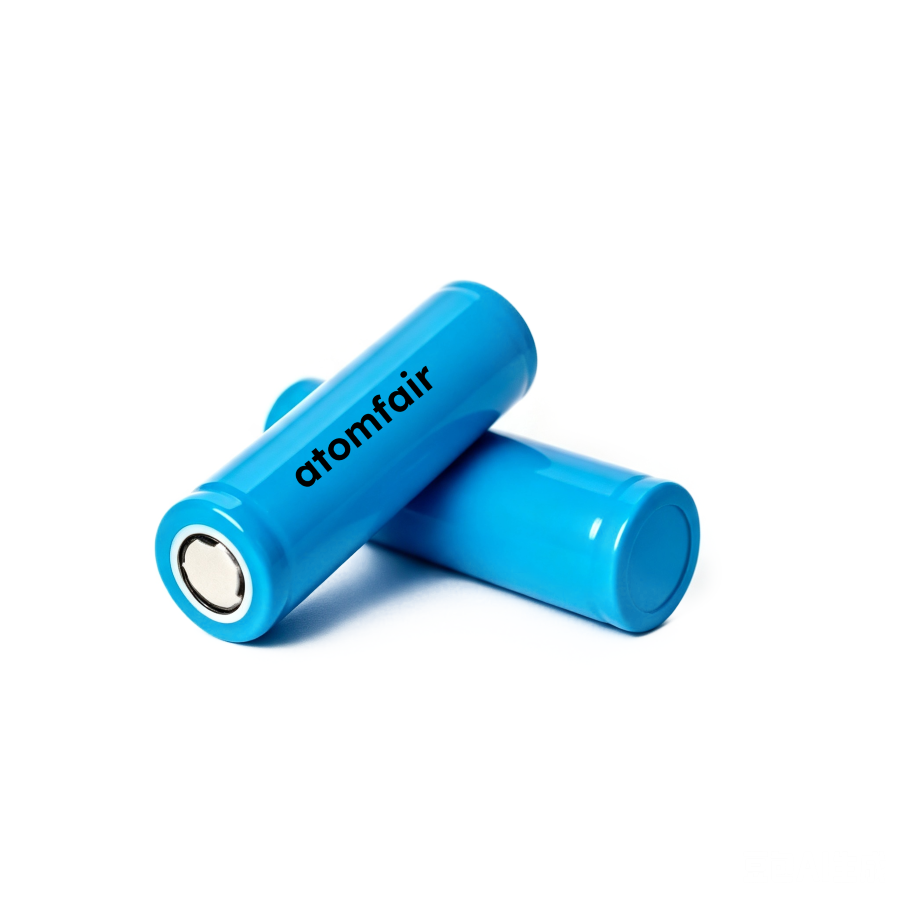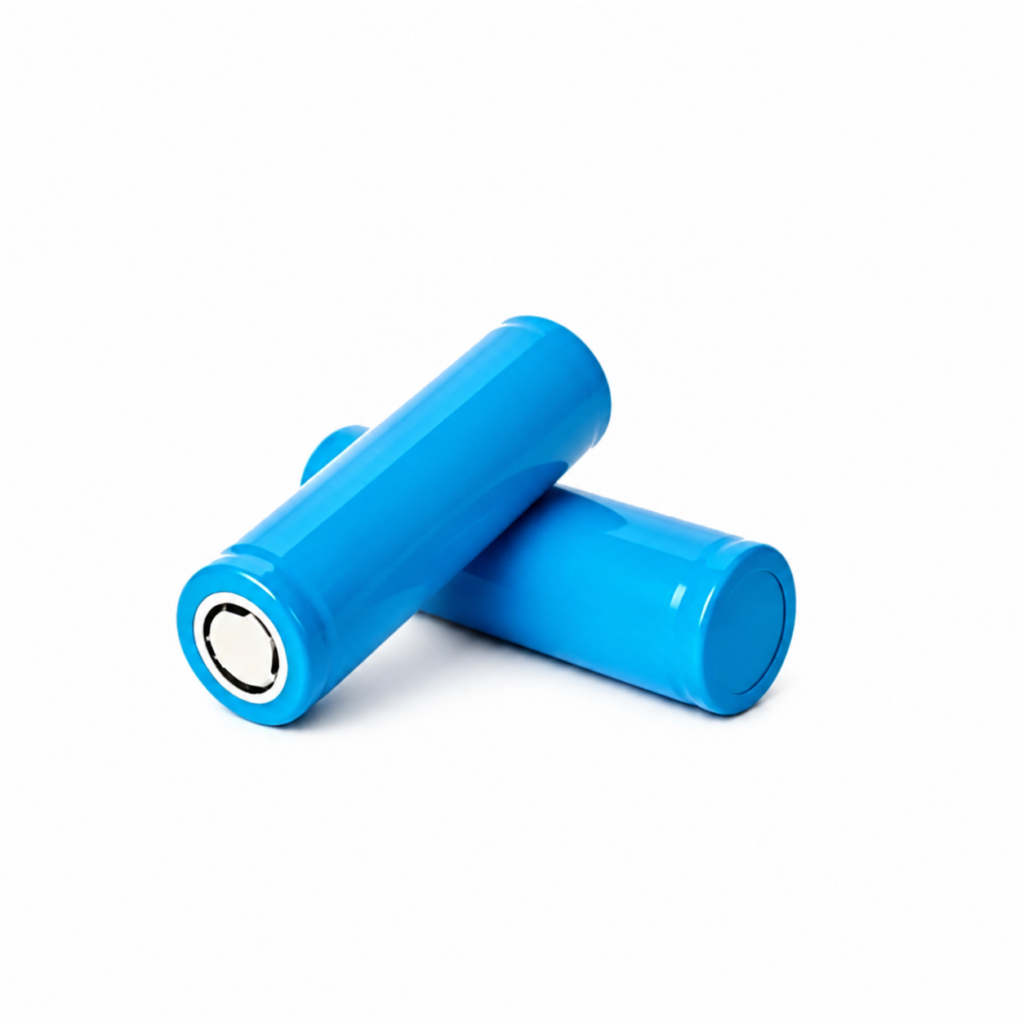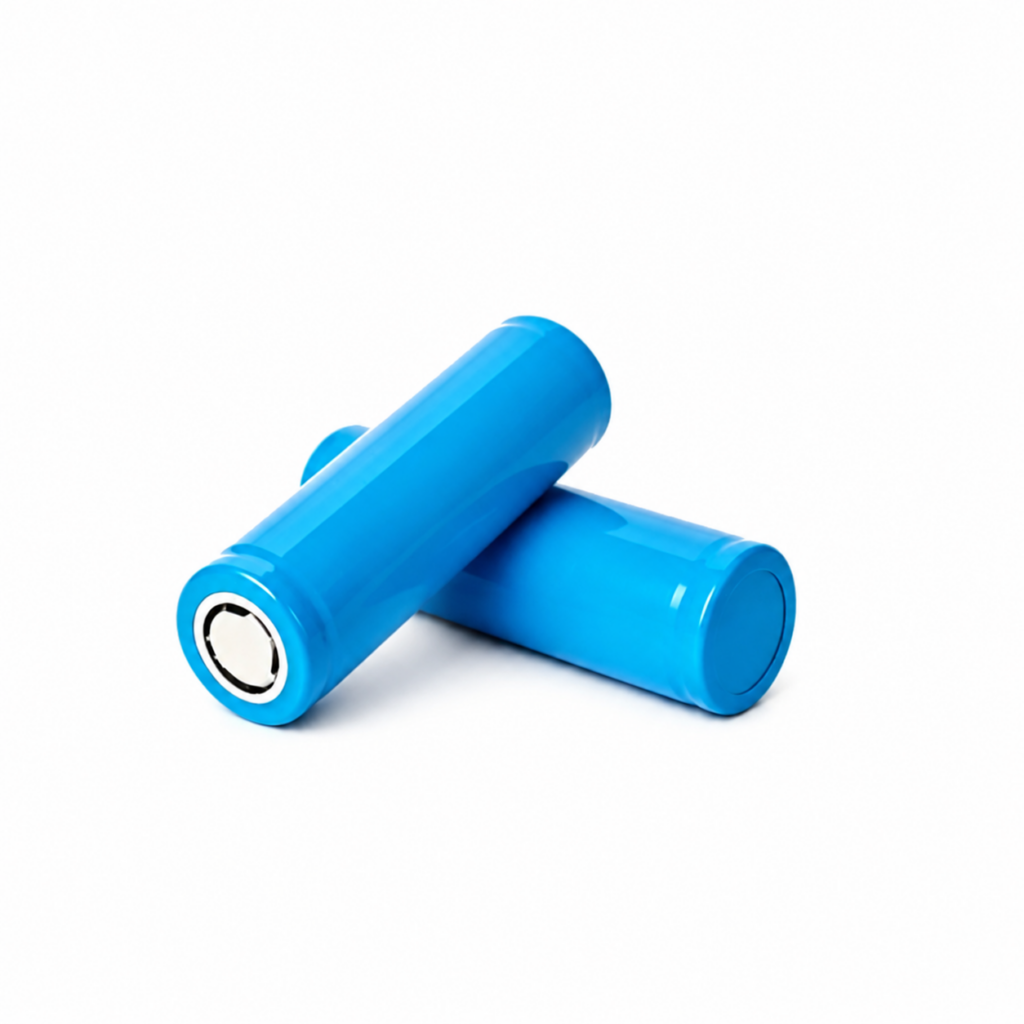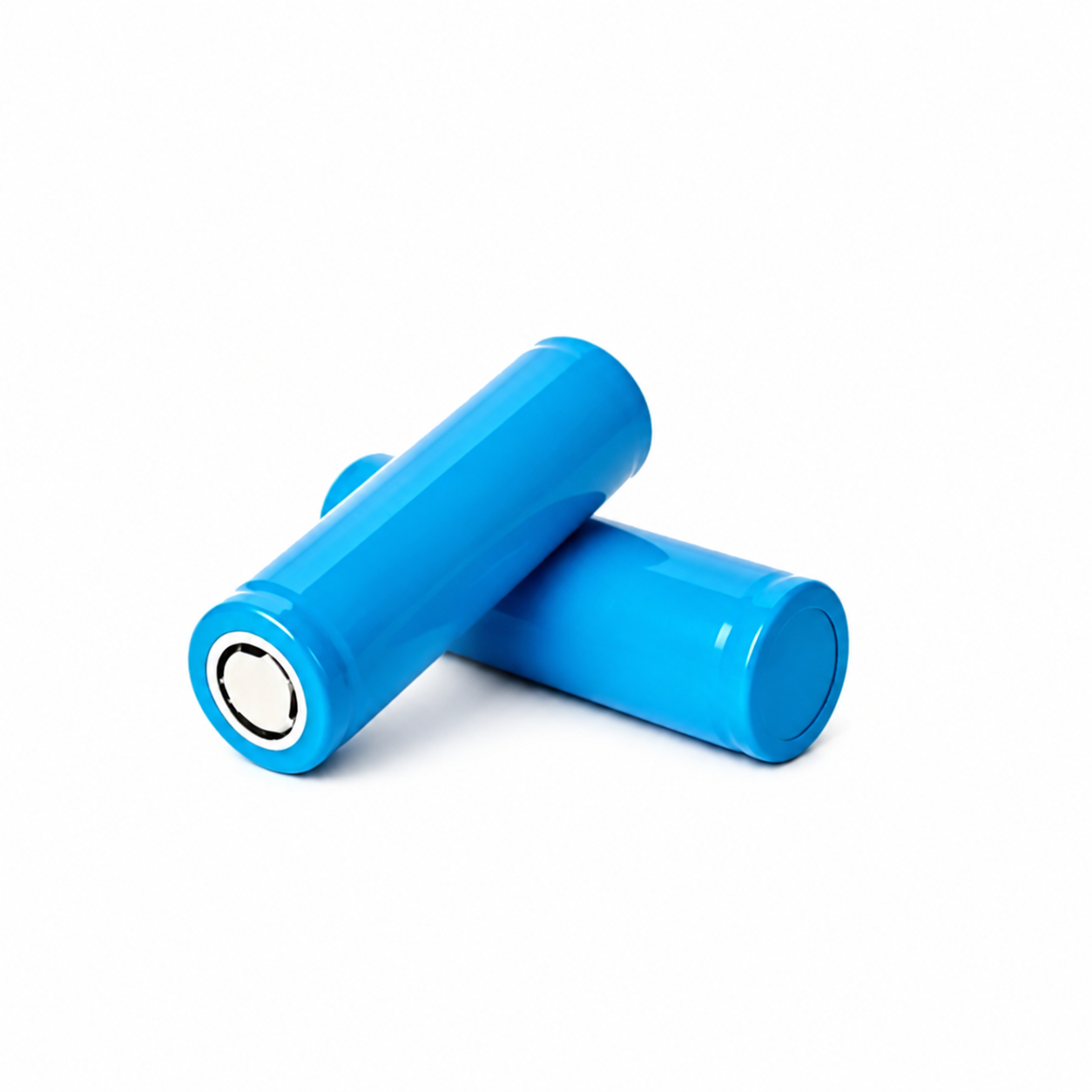
3200mAh High-Capacity 26650 Lithium Iron Phosphate (LFP) Cylindrical Battery (4-Pack)COMMERCIAL GRADE · PRODUCTION
|
|||||||||||||||||||||||||||||||||||||||||||||||||
|
|||||||||||||||||||||||||||||||||||||||||||||||||
|
TAILORED SOLUTIONS FOR RESEARCH
Contact our engineering team for technical support or official institutional quotations.
EMAIL: inquiry@atomfair.com
|
|||||||||||||||||||||||||||||||||||||||||||||||||
|
Manufacturer: Atomfair LLC
Brand: ATOMFAIR®
|
|||||||||||||||||||||||||||||||||||||||||||||||||
The cell must be operated within a voltage window of 2.5V to 3.65V to prevent degradation and ensure safety. Sustained high-temperature operation should be avoided, and a dedicated LFP battery management system with cell balancing is required for series configurations.
- Voltage Limits: Charge voltage must not exceed 3.65V and discharge voltage must not fall below 2.0V to maintain safety and cycle life.
- Temperature Constraints: Charge the cell only between 0°C and 45°C, and discharge between -20°C and 60°C to avoid capacity loss or damage.
- BMS Requirement: Use a dedicated LFP battery management system with cell balancing for all series-connected strings to prevent overcharge or imbalance.
- Cycle Life Optimization: Operating within the recommended voltage window and avoiding high temperature maximizes cycle life beyond 2000 cycles at 100% DOD.
Follow these steps to ensure safe handling, initial deployment, and ongoing operation of the LFP cells in a battery pack. Proper configuration and monitoring are critical to prevent electrical hazards and extend service life.
Required Equipment: Dedicated LFP Battery Management System (BMS)
- Inspect Cells
Inspect each cell for physical damage, terminal corrosion, or swelling before assembly. - Configure BMS
Set the BMS charge voltage limit to 3.65V and discharge cutoff to 2.5V, and enable cell balancing. - Connect Cells
Connect cells in series or parallel using appropriate bus bars, ensuring consistent torque and polarity. - Charge Initial
Charge the pack using a CC/CV profile with a maximum charge current of 2C (6.4A per cell) until voltage reaches 3.65V. - Monitor Temperature
Monitor cell temperature during operation and ensure it remains within 0°C to 45°C for charging and -20°C to 60°C for discharging.
How does the cycle life of the 26650 LFP cell vary with charge/discharge rate and depth of discharge?
At 1C charge and discharge rates, the cell achieves up to 7000 cycles. Under standard conditions with 100% depth of discharge at 25°C, the cycle life is 2000 cycles. To maximize longevity, operate within the recommended voltage window of 2.5V–3.65V and avoid sustained high-temperature operation.
What are the critical voltage and temperature limits for integrating this 26650 LFP cell into a high-voltage series pack?
The maximum charge voltage is 3.65±0.03V and the minimum discharge voltage is 2.0V, though for extended cycle life keep above 2.5V. Charge temperature range is 0°C to 45°C and discharge range is -20°C to 60°C. A dedicated LFP BMS with cell balancing is required for high-voltage series configurations.
What safety and transportation precautions are required for the 26650 LFP cell?
The cell features a built-in explosion-proof vent and passes nail penetration testing without fire or explosion, with zero thermal runaway risk. Manufacturing complies with ISO 9001:2025 and IATF 16949. Cells are shipped in anti-static plastic trays with insulated terminal covers; always use a dedicated LFP BMS with balancing for final assembly.
The ATOMFAIR 26650 LFP cell delivers 3200mAh at 122Wh/kg with 7000 cycles at 1C rate and intrinsic safety via nail penetration pass, but requires a dedicated LFP BMS for series strings and has a restricted charge temperature range of 0°C to 45°C.
Positive
- High cycle life at 1C: Achieves 7000 cycles at 1C charge/discharge and 2000 cycles at 100% DOD, providing exceptional longevity for stationary storage and backup applications.
- Intrinsic LFP safety: Built-in explosion-proof vent and nail penetration test without fire or explosion eliminate thermal runaway risk, critical for high-voltage series packs.
Trade-offs
- Narrow charge temperature window: Charge temperature limited to 0°C to 45°C; operation outside this range requires thermal management to avoid capacity loss or damage.
- Requires dedicated LFP BMS: High-voltage series strings mandate a BMS with cell balancing to maintain voltage consistency and maximize cycle life, adding system complexity.
Every advanced material, component, equipment, and instrument in our catalog is backed by rigorous testing. We maintain strict internal quality management frameworks and align with CE conformity metrics to deliver transparent, reproducible performance data via our public open-science repository.
To request raw batch performance data, submit formal vendor registration paperwork, or execute a fast-turnaround R&D manufacturing loop, contact us at inquiry@atomfair.com.
Item is dispatched under the Atomfair Shipping & Delivery Framework (Free worldwide shipping on orders over $59 USD excl. heavy equipment). Return is governed by the Atomfair Return & Refund Policy (7-day technical return window).